
Have you ever wondered if your trading idea could really outshine the market? Backtesting with a stock screener might be just the trial run you need.
It lets you see trends and test signals based on past market events without putting any money on the line. Imagine setting your own rules and then watching historical data unfold like a movie where you’re the director.
This method builds your confidence and helps you sharpen your strategy before you start making real trades.
Step-by-Step Backtesting in a Stock Screener
Stock backtesting lets you try out your trading ideas using past market data without risking any money. It’s like a practice run. First, pick a stock screener you trust. For example, you might set a rule that tells you when the 50-day moving average crosses above the 200-day moving average, which could signal a buy.
Next, break your market history into two parts: one for testing (in-sample) and another for checking the results later (out-of-sample). This way, you can build confidence in your strategy.
Here’s a simple way to do it:
- Choose filter rules on the screener, like selecting a sector, market cap, technical indicators (say, RSI thresholds or moving averages), and fundamental pointers (like low P/E ratios) to guide your decisions.
- Run your test on the in-sample data to see how your idea would have worked.
- Check the results on the out-of-sample data to make sure the plan holds up.
- Once you see steady results, move on to paper trading. This step helps you bridge from test results to actual market action.
Remember, keep your process clear and systematic. Use trusted technical tools, to spot trends in past data, and regularly experiment with different market scenarios. This method helps you see if your investment idea has potential with minimal risk.
Configuring Screener Filters for Reliable Historical Market Simulation
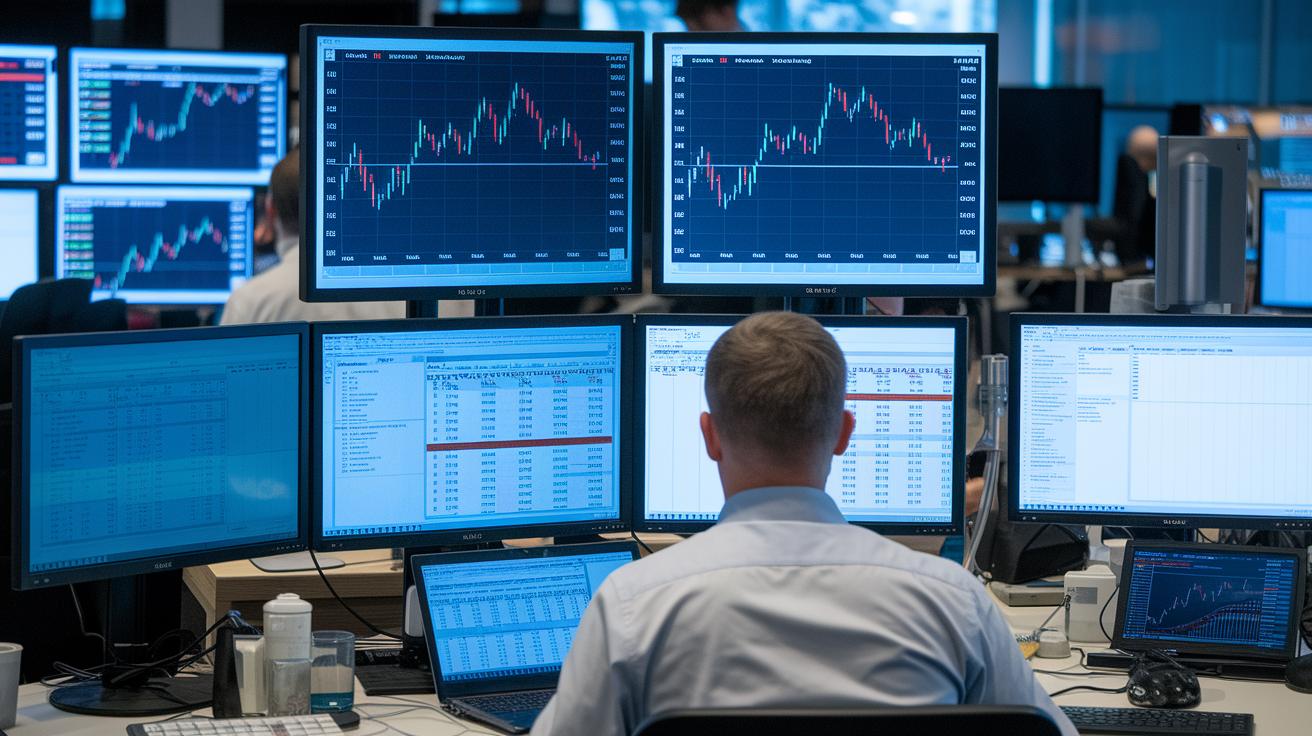
Multifunctional screeners let you set up filters using simple details like a company’s sector or market cap, as well as technical indicators such as RSI (a measure of how fast prices change) and moving averages. Think of it like watching for a clear signal, say when a 50-day moving average crosses above a 200-day moving average, much like spotting a moment of clarity during a busy trading day.
When you fine-tune your filters, choose numbers that mirror past market behavior. For instance, setting an RSI filter below 30 can help catch times when stocks are oversold. It’s a good idea to compare how many stocks meet your filter criteria with what actually happened in the market. This step shows you if your rules are too tight or too loose.
Test your filters using historical data and adjust one setting at a time. Run several simulations and check if each filter consistently picks up on real market signals. Comparing your screen hits with true market outcomes helps you create a more accurate approach. In the end, this process builds a trustworthy simulation, giving you a strong base to test your trading strategies before you use them in the live market.
Choosing Platforms and Data Sources for Automated Simulation Tools
When you're picking a simulation tool, look for one that not only runs automated simulations but also makes good use of solid historical data. Top platforms like TrendSpider, TradingView, Trade Ideas, FinViz, Backtest Zone, Backtrader, and QuantConnect each bring their own set of features tailored for modeling financial trends and designing trade strategies. For instance, TradingView’s cloud charts let you explore stocks from around the globe, while Backtrader offers experienced coders the freedom to craft custom strategies with Python.
Data is really at the heart of these tools. You want a service that can handle large amounts of data without breaking a sweat. QuantConnect, for example, processes more than 500,000 backtests every month, which shows it’s built to manage heavy loads. Plus, keep an eye out for smart, integrated AI features. Platforms like TrendSpider and Trade Ideas mix multiple algorithms with social data to help you fine-tune your strategies.
Here’s a practical tip: picture setting up your simulation just like a careful audit of past performance. Ask yourself a clear question, like, “Can this system handle market ups and downs as smoothly as a well-rehearsed team?” Then run a backtest and watch closely as historical trends reveal subtle insights, almost like discovering a hidden detail in a classic painting.
At the end of the day, the ideal simulation tool is one that’s user-friendly, packed with comprehensive data, and welcoming to both beginners and seasoned coders. This way, backtesting becomes not only efficient but also a truly enlightening process.
Designing and Validating Investment Strategies within Your Screener Backtest

When you're coming up with a trading strategy, it's smart to split your data into two groups: one to test your ideas with past data (in-sample) and another to check if they still work with new data (out-of-sample). For example, if you’re using a moving average crossover, start by testing it on older data and then run it on recent data to see if it holds up.
Before you jump in with real money, give paper trading a try. This lets you see your strategy in action without risking cash. You might even ask yourself, “Does my strategy work well when the market is booming, declining, or moving sideways?” It’s a simple yet vital way to see if your investment ideas and asset selections are solid.
Keep track of your strategy’s performance using clear measures like win rate, maximum drawdown, compound annual growth rate (CAGR), and the Sharpe ratio (which tells you how much return you get for each unit of risk). If you find that the strategy shines in calm markets but struggles when things get wild, it might be time to rethink your exit plan.
Don't forget to test different exit rules, too. Play around with ideas like trailing stops or fixed take-profit points, and see how these tweaks can lower risk and improve performance. Even small adjustments can sometimes make a big difference.
Finally, run several simulations with slight changes in your settings. For example, try a fixed take-profit rule and picture a trader who earns just enough return before the trend shifts, and then test if tightening that rule helps cut losses even further. This way, you can pinpoint which options really boost your strategy.
Optimizing Screener Parameters and Algorithmic Trade Modeling
Fine-tuning your stock screener starts with testing different indicator thresholds to see what works best. For example, try setting the RSI at a 20/80 range and then at 30/70 to find out which gives a clearer signal. You can also play around with moving averages, testing periods from 10 to 50 days, to see what fits your market vibe best.
Running systematic backtests lets you check how each setup affects important outcomes like your win rate and max drawdown (the biggest dip you might see). Think of it like tasting a soup, try 15 days, then 25 days for your moving average, and see which one adds just the right flavor. This method keeps you from over-adjusting your settings by sticking to realistic numbers.
Some platforms even use AI to suggest thresholds automatically. Still, it’s key to fine-tune things yourself so the numbers truly match how the market moves, not just past data quirks. Testing over different market conditions helps build a strong strategy that works in a variety of trading environments.
Analyzing Backtest Outcomes with Scenario and Performance Evaluation

Modern backtesting tools come with user-friendly dashboards that break down market performance by cycle. You can easily see charts for bullish, bearish, and sideways trends so you know how your strategy fares in each market condition. A good tip is to watch key numbers like maximum drawdown (the biggest dip in your account), volatility (how much prices jump around), and return distribution. Sometimes, even if your win/loss split looks great, a high drawdown can be a sign of extra risk when conditions change.
It’s really important to do a deep check of how your model works. Review your backtest reports to catch any odd trends that might hint you’re overfitting your data. Ask yourself if the numbers stay reliable over time and in different market moods. Try different scenario tests that mimic real-world market changes. By comparing risk measures and how returns are spread out, you can tell if your strategy is really adding extra value compared to standard benchmarks.
Here are some practical steps:
- Check your win/loss splits and factor in changes in volatility.
- Look over your filters and performance criteria across various market conditions.
- Compare your risk-adjusted returns with trusted benchmarks.
All in all, putting these insights together helps you fine-tune your strategy. By carefully reviewing different scenarios and risk-adjusted figures, you turn raw backtest data into actionable insights that guide your next moves in trading.
From Backtest to Live Trading: Entry, Exit, and Execution Planning
Have you ever wondered how to make your trading rules feel more real? One smart trick is to simulate orders using past tick-by-tick data; this lets you see market actions like small delays and fill changes.
Start by testing your stop-loss and take-profit rules with detailed historical data. For example, imagine a 10-minute chart that asks you to sell if prices drop by a set percentage, this simple test shows if the rule holds up in real trading conditions.
Next, mix things up by simulating trade entries on different time frames. Try testing on short and longer intervals so you can capture the market’s changing mood. Ever thought about whether a rule that works on a quick 5-minute chart will still work during a 15-minute simulation? These tests help ensure your signals have staying power even when the market pace shifts.
After testing your entries, take a close look at your results by reviewing risk-adjusted returns along with win/loss splits. This performance audit helps you see if your exit strategies can handle execution delays. Testing different parameters might reveal which rules stay steady amid the market’s ups and downs.
Finally, weave these insights into your paper trading routine. When every backtested signal mimics real order scenarios, you build a clear roadmap for deciding exactly when to enter or exit in actual trades.
Final Words
In the action, we broke down how to set up a stock screener for solid historical market simulation and investment strategy testing. We walked through configuring filters, choosing the right platforms, and fine-tuning parameters for a realistic simulation. Each step reminded us of the importance of validating strategies and assessing risk, ensuring the backtest reflects actual market dynamics. It’s all about continuous learning and confidence in each trade. Keep building on your insights with backtesting with a stock screener.