
Have you ever wondered if your trading platform is really giving you the best value for your money? We took on the challenge by testing 22 online brokers, checking how fast orders go through, how clear the fees are, and how simple the systems feel to use. We even dove into platforms that let you trade stocks and ETFs for free, and we compared fees and account rules along the way. In this article, I break down the features, costs, and real-world performance so you can discover the top pick that offers great value for your trades.
Comparing the Best Trading Platforms: Features, Fees & Usability
We took a hard look at 22 online brokers using over 50 different points to measure how each one stacks up. Think of it like checking the pulse of a busy market – we measured how quickly orders are filled, which shows how sharp and speedy a platform is. We also examined the available assets (like stocks, ETFs, options, futures, and crypto) along with commission fees and account minimums to give you a straight-up overview of what each platform offers.
Next, we zeroed in on fee transparency and the overall user experience. We looked at how brokers structure their fees; for example, most platforms let you trade stocks and ETFs for free, while options trades usually cost between $0.50 and $0.65 per contract. We even factored in account minimums, which can range from zero up to $25,000 if you want unlimited day trading. And, of course, we checked on safety with metrics like SIPC insurance, which protects a set amount of your investment. This approach gives you a clear picture of each platform’s real-world trading conditions and cost efficiency.
| Platform | Stock/ETF Commission | Options Commission | Account Minimum | Key Asset Classes |
|---|---|---|---|---|
| Firstrade | $0 | ~$0.65 per contract | $0 | Stocks, ETFs, Mutual Funds, Crypto, Options |
| Charles Schwab | $0 | ~$0.65 per contract | $0 | Stocks, ETFs, Mutual Funds, Options, Fractional Shares |
| Webull | $0 | ~$0.65 per contract | $25,000* (for unlimited day trading) | Stocks, ETFs, Options, Crypto |
| Fidelity | $0 | ~$0.65 per contract | $0 | Stocks, ETFs, Mutual Funds, Bonds |
| Interactive Brokers | $0 | ~$0.50 per contract | $0 | Stocks, ETFs, Options, Futures, Crypto |
Choosing a platform really depends on how you like to trade. If you enjoy a wide mix of assets without having to worry about a steep account minimum, Firstrade and Fidelity are solid options. Charles Schwab is especially friendly for beginners with its fractional shares and straightforward features, while Webull gives you the extra advanced tools if that's what you’re after. And for those serious about low costs and a broad selection, Interactive Brokers is a smart pick.
Trading Platform User Interface & Experience
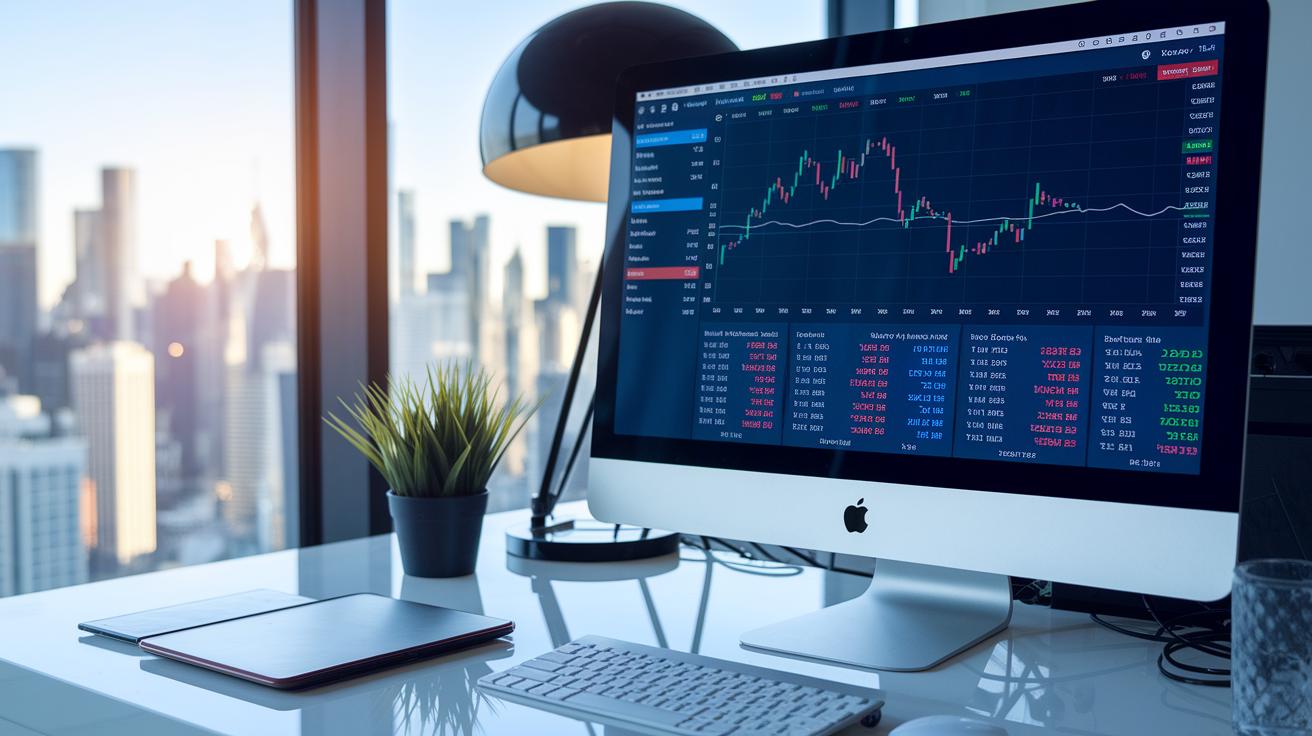
A smooth user experience is everything when you’re making fast, accurate trades. Platforms with easy-to-read layouts and clear menus help you spot data and place orders without any hassle. A clean dashboard means you won’t lose precious time in a market that’s always moving.
On your desktop, many platforms offer rich details like deep charts and a built-in news feed. For example, E*TRADE’s web design makes it simple to track market trends with its friendly navigation. And then there’s Interactive Brokers, which lets you tweak the setup just the way you like it, though its advanced features might feel a bit too much if you’re just getting started.
Mobile apps are just as important. Charles Schwab’s mobile app features a neat design and fractional-share trading starting at $5, which makes trading on the move a snap. Webull’s app also stands out with customizable layouts and smart chart tools, so you can keep an eye on market shifts wherever you are.
In the end, the right platform depends on how you trade. If you prefer a deep dive on your desktop, go for a service packed with tools and custom options. But if you often trade on the go, a simple and speedy mobile app might be your best bet.
Trading Platform Fee Structures & Transparency
When it comes to broker fees, there are a few types you need to know about: trade commissions, margin rates (the fee for borrowing money to trade), and various non-trading fees. Most big brokers let you trade stocks, ETFs, and mutual funds without a commission, though if you’re trading options, you might pay about $0.50 to $0.65 per contract. Margin rates can vary a lot from one broker to another, sometimes a platform like Interactive Brokers offers rates that really stand out. And then there are fees for things like withdrawals and transfers that differ from one firm to the next. Plus, many brokers don’t require a minimum deposit, but others, like Webull, might ask for a $25,000 balance if you want unlimited day trading.
These fee differences really matter based on how you trade. If you’re trading a lot, even small fees can add up, especially when you factor in costs like margin interest or the higher price for options. Commission-free platforms can help you focus on growing your portfolio without worrying over every transaction fee on stocks and ETFs. For active traders who use leverage (borrowing to boost their trades), a platform with lower margin rates might be the way to go. But if you prefer a more laid-back trading style, you might not feel the pinch as much, though it’s still smart to watch out for other fees like transfers or maintenance charges that could slowly eat away at your gains.
Always remember to check the fine print. Small charges like withdrawal fees or inactivity penalties may seem minor at first, but they can affect your overall costs in the long run.
Advanced Trading Tools & Platform Reliability

Advanced trading tools give you a real edge in today’s busy markets. Think of them like a trusty GPS, guiding you with detailed, real-time data so you can make smarter choices without second-guessing. For instance, Interactive Brokers lets you use API access and ready-made algorithm templates to automate your routines, while Webull offers live charting and technical indicators that help you spot signals and test out strategies through paper trading. In simple terms, these tools turn heaps of complex data into clear, actionable insights.
Reliability and speed aren’t just extra features, they're must-haves. Top trading platforms boast an uptime of 99.9% or more, meaning your orders get filled with lightning-fast precision even when the market is buzzing. Take E*TRADE, for example; it not only feeds you live news but also offers strategy-scan tools, keeping you in the loop on every market shift. Whether you use detailed charts or automated trading support, you’re backed by infrastructure that you can count on.
For active traders, every millisecond counts. When the market is volatile, fast order execution can be a game-changer, reducing the risk of missing out on opportunities. In short, consistent uptime and high execution quality ensure your strategies hit the mark right when the market is at its most dynamic.
Best Trading Platforms for Different Trader Types
Platforms for Beginners
Charles Schwab and Robinhood are great for folks who are just starting out. They offer accounts with no minimum balance and setups that make getting started a breeze. Plus, they provide easy-to-follow guides and clear tips that help you get a grip on the basics of the market.
Platforms for Day Traders
If you're a day trader looking for a platform that keeps up with your pace, Webull and Interactive Brokers are solid choices. Webull needs a $25,000 balance for hassle-free day trading and gives you real-time data with speedy order dispatch. On the other hand, Interactive Brokers boasts competitive margin rates and deep liquidity, helping you make swift moves during the hectic trading hours.
Platforms for Crypto Traders
Crypto enthusiasts can count on Firstrade, Interactive Brokers, and Robinhood to keep their finger on the pulse of the market. These platforms offer real-time crypto feeds and wallet integration. This means you’ll have live updates and broad coverage of assets, so you won't miss any shifts in price or opportunity to act quickly.
Platforms with Simulated Trading
For those who like to practice before going all in, both Webull and Interactive Brokers offer simulated trading setups. These demo or paper trading environments let you test your strategies without risking real money. They provide a safe space to experiment and build your skills, ensuring you're well-prepared before you jump into live trading.
Final Words
In the action, our review compared platform features, fee structures, and ease of use with real data and thoughtful analysis. We scrutinized order execution, interface design, and advanced tools to reveal what each broker brings to the table.
Our clear data points and hands-on insights help show how different platforms suit beginners, day traders, and crypto enthusiasts. When it comes to choosing the best trading platform, let these insights guide you toward smart, confident decisions.
FAQ
Q: What is the best trading platform for beginners?
A: The best trading platform for beginners combines no‐minimum deposit features, user‐friendly dashboards, and rich educational resources to help new investors build confidence while keeping trading simple and accessible.
Q: Which trading platform is the safest?
A: The safest trading platforms prioritize robust security, reliable order execution, and transparent fee structures while offering regulatory protections like SIPC insurance limits for added trader confidence.
Q: What trading platform is the best?
A: The best trading platform depends on individual needs, balancing ease of use, comprehensive asset class coverage, fast order execution, and clear fee structures to suit both novice and experienced traders.
Q: How does the best trading platform for day traders stand out?
A: The best trading platform for day traders offers swift order execution, real-time market data, advanced chart tools, and responsive customer support, helping active traders capitalize on short-term market moves.
Q: What defines the best trading platform for forex?
A: The best trading platform for forex delivers competitive spreads, advanced charting tools, rapid trade execution, and responsive customer service, creating a smooth and reliable environment for currency trading.
Q: How is the best stock trading platform determined?
A: The best stock trading platform features commission-free trading, a clean, intuitive interface, in-depth research tools, and reliable order execution, ensuring efficiency and trust for stock market investors.
Q: Can I start trading with $100?
A: Starting with $100 is possible on select platforms that offer low minimum deposits, though limited capital means smaller trade sizes. It’s wise to choose brokers with low fees to maximize your trading potential.
Q: What do Reddit users say about the best trading platforms?
A: Reddit users often recommend platforms with competitive fees, intuitive interfaces, solid research tools, and active community support, encouraging traders to review personal experiences and up-to-date online feedback.
Q: How are top trading platforms ranked in lists like the Top 10?
A: Top trading platforms are ranked based on factors such as fee structures, user interface design, asset variety, order execution quality, and reliability, ensuring a well-rounded evaluation for different trader profiles.
Q: What are the highlights of brokers like Interactive Brokers, Webull, E-Trade, Vanguard, Fidelity, and TD Ameritrade?
A: These popular brokers offer diverse features—from low cost and advanced trading tools to robust educational content and strong customer support—catering to a range of trading styles and investor needs.