
Ever wondered how business laws can boost your company's confidence? These rules aren’t just boring guidelines, they form the backbone of your business. They help you set up your company right and create clear contracts that keep costly mistakes at bay.
This guide shows you how a solid legal base can lower risks, settle conflicts, and build a business that stands strong in a busy market. It’s like having a safety net that lets every decision feel secure and fair.
Core Frameworks of Business Law
Business law is like the rulebook that helps shape how companies start, run, and answer for their actions. It explains how to set up a business, handle contracts between people or companies, and take care of risks and government rules. Think of it as the strong backbone that keeps a company steady and secure in the marketplace. This structure makes sure businesses play fair and protect their employees, customers, shareholders, and the whole community.
At its core, business law covers several important areas. First, there are the formation laws that help you decide which type of company fits your needs for taxes and liability. Then, contract drafting shows you how agreements should be written so everyone knows their responsibilities. It’s like having clear instructions that prevent mix-ups before they become big problems. Liability management deals with handling risks and potential losses, while legal compliance makes sure that businesses follow all the rules set by governments and industries. And if conflicts pop up, commercial dispute resolution gives straightforward steps for sorting things out through ways like litigation, arbitration, or mediation.
This solid legal framework gives everyone involved a sense of trust and fairness. It helps lower risk, keeps decision-making transparent, and provides clear paths to resolve issues when they arise. By grounding business actions in dependable legal principles, companies can build on a foundation that makes success and growth much more attainable.
Business Law Entity Formation and Corporate Governance
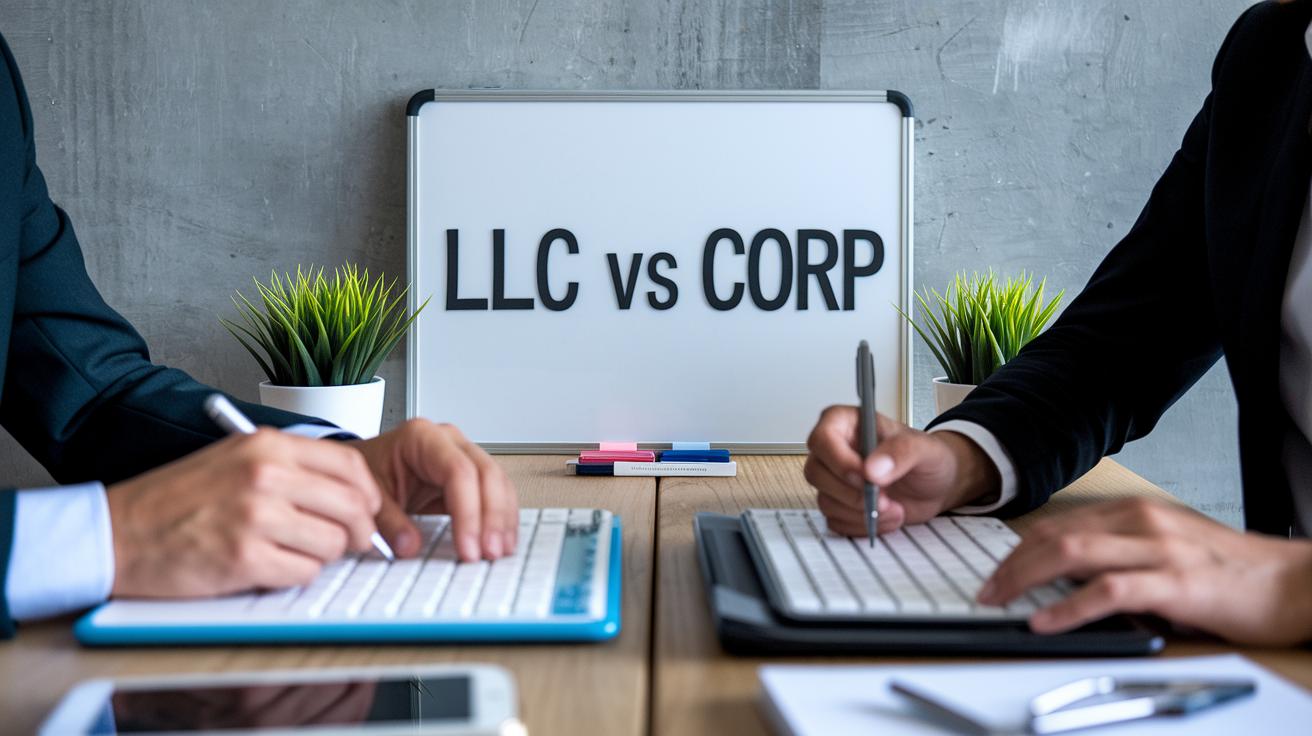
Picking the right business structure is a big deal. It affects everything from your personal risk to how you’re taxed. When you set up a business, whether it’s an LLC, corporation, or partnership, you’re really weighing the pros and cons of keeping your personal assets safe and having the flexibility to run things your way. This choice even shapes how you report profits and losses, and it guides your options for future funding and management. In simple terms, nailing the setup early makes everyday work smoother and lays a clear path for good corporate governance.
| Entity Type | Formation Requirements | Liability Protection | Governance Model |
|---|---|---|---|
| LLC | Articles of Organization, Operating Agreement | Limited protection, based on the agreement and state law | Member-managed or Manager-managed |
| Corporation | Articles of Incorporation, Bylaws | Strong protection for shareholders | Board-led with defined roles and committees |
| Partnership | Partnership Agreement | Often joint and several; depends on the type | Partners share management, usually set by contract |
Board roles are a key part of keeping a company on track. Directors are expected to act in the firm’s best interest, safeguard shareholder rights, and make decisions in a clear and open way. This careful oversight builds trust among investors and employees. It’s all about turning a solid legal setup into lasting business success.
Business Law Contract Drafting and Negotiation Techniques
Contracts are like the blueprint for smooth business deals. They clearly spell out who does what, what is expected from everyone, and what should happen if things go wrong. Every part of the contract needs to be precise so nobody gets confused later. Start by laying out the basics; for example, explain the work that’s expected and agree on when payments will be made. When you’re drafting a vendor agreement, clear details can turn a tricky situation into a successful project instead of a costly dispute.
Some key elements to include are:
- Scope of work
- Payment terms
- Confidentiality
- Remedies if something goes wrong
- How changes to the agreement are handled
- Terms for ending the contract
Negotiation is just as important as the contract itself. It’s all about making sure everyone shares the same understanding right from the start. Keep discussions open and friendly so that each party knows their role and the outcomes if things don’t go as planned. Sharing your draft with everyone involved and asking for honest feedback builds trust and reduces the chance of misunderstandings later. This approach makes each business deal feel more secure and straightforward.
Business Law Compliance and Regulatory Environment

Running a business today is like trying to find your way through a busy maze of rules. Even one small mistake, like Cummins’ $1.675 billion penalty under the Clean Air Act or the trouble Boeing ran into for sharing sensitive investigation details, can cost a company dearly. It’s important to keep an eye on a range of risks so you don’t end up with a big financial or reputational setback.
Imagine you’re juggling different areas like environmental rules, data privacy, consumer protection, international trade, fintech, e-commerce, healthcare, and employment. Each of these areas has its own set of challenges. Think of it as following several mini-map routes all at once.
Staying on top of these changes means regular check-ups and audits. By keeping a close watch and updating your practices, you can catch potential issues before they become real problems. This proactive mindset helps ease worries and builds trust with everyone invested in your company’s future.
Business Law Dispute Resolution and Litigation Processes
When businesses run into conflicts, they sometimes need a formal way to sort things out, like going to court (litigation), using a mediator, or opting for arbitration. These disagreements might happen over contract details, international issues, or even problems like bankruptcy. Take, for example, when Tricolor Auto Acceptance filed for bankruptcy on October 21, 2025. It shows how important it is to have clear rules and understand insolvency law. Litigation gives you a clear, court-run process, but it can take a lot of time and money, so each business must think carefully about its best approach.
Mediation in Commercial Disputes
Mediation is all about voluntary talks with a neutral helper. It keeps things private and works to find a middle ground without the drama of a courtroom fight. Imagine two companies working through a contract dispute by chatting with a mediator, allowing them to move forward without burning bridges.
Arbitration Processes and Norms
Arbitration means that both sides agree to have an impartial person decide the matter. This method often involves picking a fair third party and can even handle international cases. Arbitration usually wraps things up faster than litigation and gives decisions that courts are ready to enforce.
Bankruptcy and Insolvency Procedures
Bankruptcy and insolvency procedures help sort out claims from creditors and offer a way to reorganize companies, much like the way Chapter 11 works. A trustee often steps in to manage the process, keeping an eye on everyone's interests as the company works to get back on its feet.
When choosing a method, businesses must think about cost, timing, and how enforceable the decisions are. Litigation might cover all the bases, but it tends to be slow and expensive, while arbitration is quicker and its decisions carry weight. Mediation, meanwhile, offers a flexible and budget-friendly option.
Business Law Intellectual Property Rights Protection

Protecting your ideas starts with careful planning. Registering patents helps you lock in your creative inventions and new technology, keeping them safe from copycats. It’s like placing your unique ideas in a secure vault. At the same time, registering trademarks shows everyone that your brand is not only recognized but also legally protected. When you secure your logos and brand names, you're building trust with customers in a busy market.
Copyrights keep creative works like software, writing, or music safe from unauthorized use. This means others need permission to use your hard work. And then there are trade secrets, those special bits of knowledge that give your business an edge. By using non-disclosure agreements and strict internal rules, you can keep this valuable information secure. These legal tools help you hold on to what makes your business unique and confident.
Significant Landmark Cases in Business Law
Big court cases change the rules and guide today’s businesses. These cases show us clear examples for handling competition, following the law, and managing risk. For instance, Standard Oil once taught us that holding too much market power can bring on government action. And then there’s Citizens United, which shifted how we look at corporate political spending. Recently, the Cummins penalty reminded companies that breaking environmental laws can hit them hard financially. All these decisions help shape the rules companies and regulators use every day.
| Case Name | Year | Legal Principle | Outcome |
|---|---|---|---|
| Standard Oil Co. of New Jersey v. United States | 1911 | Antitrust under the Sherman Act | They broke up the monopoly |
| Citizens United v. FEC | 2010 | Corporate political spending as free speech | Allowed more corporate donations |
| Apple v. Samsung | 2011 | Patent infringement and design rights | Apple received a large payout |
| Cummins penalty | 2020 | Breaking environmental rules | $1.675 billion fine |
These landmark cases still guide modern legal practices, acting like friendly maps for businesses as they steer through today’s legal world.
Emerging Trends and Specialized Practice Areas in Business Law

Tech is shaking up the business law world. Lawyers now face big questions, like how AI can help with contract reviews and what new cybersecurity rules mean for everyone. Imagine a small startup realizing that outdated online security just isn’t enough , it shows how real the threat is. New challenges in fintech rules and digital business laws are forcing companies to balance keeping data private with trying out new tech ideas. AI helps speed things up, but it also brings its own headaches that call for a smart legal game plan. It’s all about mixing tech know-how with legal savvy to protect both business operations and consumer rights.
Specialized legal services are growing fast to meet new market needs while keeping trust and integrity. We’re now seeing more focus on areas like environmental law, energy law, and even Cannabis Law. Companies and law firms alike are stepping up with services that cover everything from local issues to complicated international deals. Continuous learning is also key. Think about it, professional webinars like Insurance Coverage 101 on August 6, 2025, and Liability Management Transactions on August 7, 2025, offer practical ways for legal pros to keep their skills sharp. These learning opportunities help lawyers stay on top of the evolving rules and niche areas, making it easier for them to guide businesses confidently through today’s fast-changing legal landscape.
Final Words
In the action, this article walked through the foundation of business law, from core frameworks and entity formation to contract drafting, compliance, dispute resolution, and intellectual property protection. It highlighted landmark cases and emerging trends that keep the market moving. The content shows how a strong legal framework can help manage risk, support sound decision-making, and secure investments. With clear, real-world examples, the discussion reminds us that smart, secure practices in business law empower investors to charge ahead confidently.
FAQ
What is business law about?
Business law refers to the legal rules that govern company formation, contracts, liability, and dispute resolution. It creates a framework for ethical practices that protect consumers, employees, and business stakeholders.
What types and elements form the basis of business law?
Business law includes types like corporate, contract, and regulatory law. Its key elements cover entity formation, contract drafting, liability management, and processes for resolving disputes.
What are some examples of business law in practice?
Examples of business law include drafting clear contracts, resolving commercial disputes, ensuring regulatory compliance, and protecting intellectual property, all of which support smooth and ethical business operations.
How can I learn about business law through classes and degree programs?
Business law education is available through classes at law schools and degree programs that cover corporate regulations, contract drafting, and dispute resolution, offering practical skills for a legal career.
Is pursuing a business law degree worthwhile?
A business law degree provides essential skills in legal compliance and dispute management. It prepares you for roles in corporate governance and legal advisory, making it a beneficial choice for a legal career.
Where can I find business law resources like PDFs or books?
PDFs and books on business law are valuable resources that offer detailed insights into legal frameworks, including entity formation, contractual obligations, liability issues, and dispute resolution methods.
What defines business law in the United States?
In the United States, business law is shaped by federal and state regulations. It governs the formation of legal entities, contract enforcement, liability issues, and dispute resolution to maintain fair market practices.