
Ever wonder if your money can earn steady income while still offering room for growth? A corporate bond fund works a bit like a friendly potluck where investors join forces to buy a variety of company bonds. Some bonds give you a reliable income boost, while others add a little extra kick with higher returns. This mix helps balance safety with the chance for reward even when the market mood shifts. In this post, we'll explore how these funds aim to deliver smart returns and why they might just be the right pick for your investment plan.
Understanding Corporate Bond Funds: Core Structure and Purpose
A corporate bond fund is like a community pot where everyone puts in money to buy bonds issued by companies. You can think of it as collecting funds with friends to build a mix of bonds, each adding its own layer of protection.
These funds usually blend safer, investment-grade bonds with some higher-yield bonds that come with a bit more risk. It’s like having both a reliable meal and a spicy treat on your plate. By choosing bonds from different companies, sectors, and credit types, the fund avoids leaning too much on any one investment.
The main aim here is to provide you with regular income while keeping your original investment safe. Fund managers set clear income targets and adjust the mix as market moods change. They work to ensure that even if one bond dips, the overall return stays steady, giving you both security and a chance to enjoy growing returns.
Corporate Bond Fund Investment Strategies and Approaches

Corporate bond funds can take different paths. Some managers focus on earning steady income, while others aim for overall returns that boost the fund’s value over time. They pick strategies that fit the current market trends and the fund’s goals.
Managers might use techniques like:
- Laddered maturity schedules to ease reinvestment risk.
- Rotating between safe, investment-grade bonds and riskier high-yield credits.
- Betting on changes in the yield curve, whether it’s getting steeper or flatter.
- Setting duration targets to balance return and risk.
- Adjusting sector and industry weights based on how companies are doing.
- Actively choosing bonds instead of just following an index.
Each approach works better in different market moods. For example, laddered maturity schedules and duration targeting can help when interest rates are bouncing around. This way, you avoid the risk of reinvesting at lower yields.
When credit spreads tighten, switching between investment-grade and high-yield bonds can capture more attractive returns, especially if signs point to better corporate earnings. And when the yield curve shifts noticeably, managers can take advantage of extra opportunities to lift returns.
Adjusting investments by sector or industry works when certain areas start showing stronger earnings or better stability. Plus, active credit selection lets managers find hidden value that a passive strategy might miss when the market is lively.
These tactics give managers the flexibility to adjust their strategies as market conditions change. Have you ever wondered how a mix of these approaches can help secure your investments while still aiming for growth?
Assessing Risk in Corporate Bond Funds: Credit, Duration, and Market Volatility
When you put money into corporate bond funds, one big worry is credit risk. This risk is all about whether companies might not pay back what they owe. It includes things like the chance of default, changes in bond ratings, and how big the losses could be if a company skips a payment. It’s a bit like wondering if a friend will always return a favor. For more details, check out the risk assessment definitions here: https://dealerserve.com?p=1136. Knowing these factors makes it easier to see why even a trusted bond can struggle in tough market times.
Interest-rate risk and spread volatility are just as important. Duration tells us how much a bond’s price might change when interest rates go up or down. Meanwhile, spread volatility looks at how the extra yield (that little bonus over safer investments) can jump around. Even small tweaks in rates or spreads during market ups and downs can change the fund’s overall returns. Managers usually mix bonds with different maturities to spread out these risks and tweak their strategies as market conditions shift.
| Risk Factor | Description | Mitigation |
|---|---|---|
| Default Probability | Chance that a bond issuer won’t pay up | Strong credit checks and diversification |
| Rating Migration | Shifts in a bond’s quality rating | Regular reviews and rebalancing the portfolio |
| Interest-Rate Risk | How sensitive bond prices are to rate changes | Setting duration targets and using hedging tactics |
| Spread Volatility | Swings in extra yield above risk-free rates | Active positioning along the yield curve |
Portfolio managers use a mix of tools to ease these risks. They might use credit derivatives, yield-curve hedges, or duration caps to handle unexpected market moves. This approach helps keep returns steady, even when market conditions become unpredictable.
Comparing Corporate Bond Funds with Other Fixed-Income Vehicles

Corporate bond funds can give you a little extra income by offering higher credit spreads than U.S. Treasuries. This means that when the market shows more difference between corporate bonds and government bonds, these funds may boost your overall yield. It’s like getting a bonus on top of the regular income from government securities.
Mutual funds and ETFs work differently when it comes to trading and tax benefits. Mutual funds only get priced once at the end of the day, so you make transactions just during that pricing time. ETFs, on the other hand, are traded throughout the day, giving you immediate price updates. Plus, ETFs sometimes come with better tax advantages thanks to their special structure. That way, you can pick the option that fits your trading style and money goals.
Fund managers now depend heavily on credit research available on trading platforms. They use this updated information to check how companies are doing and what might happen next. By relying on this detailed research, managers can choose bonds that seem more likely to withstand ups and downs in the economy. In short, using this data helps them balance smart returns with sensible risk management.
Evaluating Corporate Bond Fund Performance: Yields, Returns, and Benchmarks
When you look at a corporate bond fund's performance, you often see three main numbers: current yield, yield to maturity, and total return. Current yield is like the interest check you get each year, divided by the current price of the bond. Yield to maturity is what you might earn if you hold the bond until it matures, almost like a promise of future earnings. Total return mixes that income with any price changes to give you the full picture of how the fund is doing.
| Metric | Definition | Typical Benchmark |
|---|---|---|
| Current Yield | Annual income divided by the market price | Standard yield curve averages |
| Total Return | Combination of income and price appreciation | Overall market return indices |
| Duration-Adjusted Return | Performance measure balancing yield with interest rate sensitivity | Indexes that account for varying durations |
Many investors like to compare these numbers with trusted benchmarks like the Bloomberg U.S. Corporate Bond Index or the ICE BofA U.S. Corporate Index. When a fund’s numbers track those of the benchmark, it can mean that the fund is moving in step with the broader market. Think of it like this: if market yields are going up, a fund that mirrors the benchmark might show similar ups and downs.
Looking at a bond market graph can help you see these trends and spot any little changes in performance. Fund managers use these comparisons to check if their strategies are working and to tweak their plans if needed. It not only shows you how a fund is doing compared to the market, but also helps you get ready for how shifts in conditions might change your overall returns.
Understanding Expense Ratios in Corporate Bond Funds
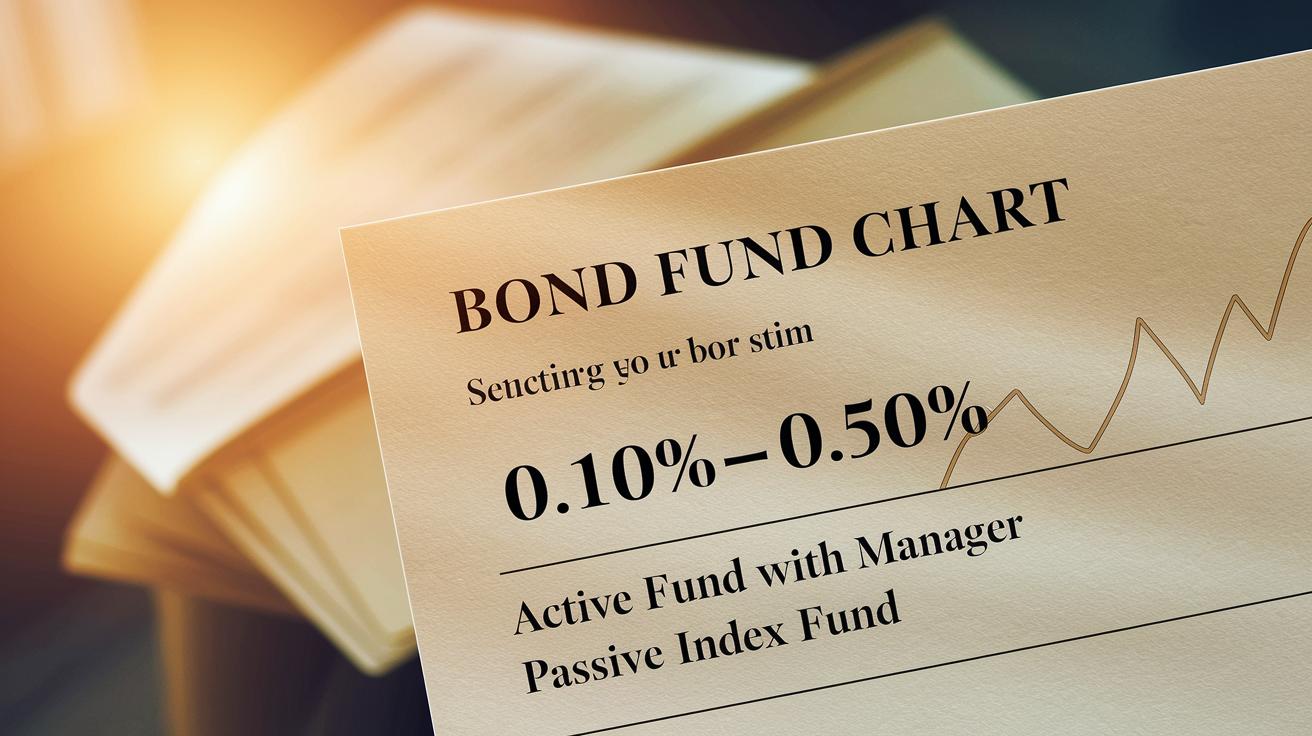
Think of an expense ratio as a small fee that a corporate bond fund charges to cover things like management and administrative costs. These fees usually run from about 0.10% to 0.90%, similar to paying a tiny service charge, like that small cost to keep your phone running smoothly. What this fee does is lower the overall income you ultimately receive.
When it comes to choosing between active and passive funds, active ones usually charge a bit more. They have experts making frequent changes to the portfolio. In contrast, passive funds stick to a set index and keep costs lower. Even a tiny fee difference, like a few fractions of a percent, can add up over time, much like a slow drip that eventually empties a big reservoir of water. In truth, paying extra basis points every year might not seem like a big deal at first. But over many years, these fees can really cut into your returns. So, it's smart to think about how small differences in expense ratios can build up, especially when planning for the long haul.
Corporate Bond Fund Shines with Smart Returns
When picking a corporate bond fund, it's important to look at the mix of credit qualities. This means checking out the average rating of the bonds the fund holds. Think of it like preparing your meal, some ingredients are top-quality and a few might be a bit richer, all coming together to create a steady and smart income stream.
Next, consider the details. Look into the manager's experience, the total amount of money in the fund, how often the investments change, and how open the fund is about its holdings. An experienced manager can signal that careful thought is behind each bond choice. A fund with a lot of money usually means it's well-diversified, and a low turnover suggests a calm, steady strategy. When a fund keeps its portfolio visible, it’s like reading a simple recipe, knowing exactly what you’re getting makes you feel safe and informed.
There are a few more things you shouldn’t miss. A clear duration goal can help you understand how sensitive the fund is to changes in interest rates. It also matters to see that the investment isn’t too focused on one area and that there’s enough cash available to quickly meet any withdrawal requests. This way, you can feel confident that your investment can handle shifts in the market without missing a beat.
Portfolio Management Techniques for Corporate Bond Funds

When you look at bonds from different sectors like healthcare, technology, and finance, you'll notice they come with different credit ratings, which tell us how safe or risky they are. Fund managers now see diversification like tweaking a recipe, you mix top-rated bonds with those that offer higher yields to balance income and risk.
Managers are also giving a fresh look at bonds with intermediate maturities. These middle-term bonds blend the security of short-term issues with the growth potential of long-term ones. In other words, they offer steady returns while helping guard against sudden market changes. It’s a smart way to add a little extra balance to the portfolio.
Keeping an eye on market signals is still super important. Nowadays, managers adjust portfolios if they notice changes in yield spreads or interest rates. Basically, when spreads widen unexpectedly, they make quick, tactical tweaks to maintain the right mix of assets. This approach makes sure the portfolio stays balanced, even when the market surprises us.
Outlook on Corporate Bond Funds: Market Trends and Future Prospects
Lately, we've seen some real shifts in how bonds pay off. Short-term bond yields are climbing while long-term yields are staying about the same. And interestingly, the number of companies that miss their payments is lower than many expected. Think of it like watching the tide pull back quickly while the sand stays firm, investors are feeling cautiously optimistic about quality bonds.
The moves by central banks play a big role here. They’re changing rates to keep rising prices under control, sometimes tightening things up and sometimes giving the market a bit of breathing room. Companies are taking advantage of lower borrowing costs, which adds a new mix to corporate bond funds. Investors are also shifting their gaze from old standby industries to sectors known for strong profits. It’s a bit like changing up the ingredients in a favorite recipe to match the season, keeping the blend balanced and appealing.
Looking ahead, it's important to keep an eye on the gap between corporate and government bond yields. Some experts think this gap might shrink for a while, then slowly widen again, which could open up chances for better returns. And of course, smart managers will continue to keep risk in check, reminding us that a careful, flexible strategy can help smooth out the bumps along the way.
Final Words
In the action, we broke down what a corporate bond fund is, its structure, and how active strategies guide yield management.
We covered risk factors, performance benchmarks, fee structures, and selection criteria.
Our review of portfolio management techniques and market outlook offers clear insights for making smart decisions.
This overview of a corporate bond fund brings clarity and optimism for your path in investing smartly.