
Have you ever been to an event where everything just clicks? Picture a gathering where every detail, from the room setup to the timing, works together like gears in a finely tuned watch. In this guide, we share simple steps and smart strategies to help you plan events that spark creativity and lift team spirit. You’ll see how setting clear goals, using easy tools, and keeping a careful schedule can turn a regular corporate meeting into an exciting, memorable experience.
Comprehensive Guide to Planning and Executing Corporate Events
Corporate events need solid planning and clear steps to turn out great. Think of it like setting a roadmap: first, you decide on your goals and figure out who you want to reach, and then you can sort out formats, budgets, and even tie them to performance goals.
Today, event organizers have a great mix of simple tools at hand. For example, you can use platforms that handle everything from registration and ticketing to printing badges on-site and checking people in. You also get tools for budgeting, managing the agenda, and organizing speakers and topics, which helps every session run smoothly. Live polls and easy-to-use form builders let you connect with your audience in real time, and interactive maps make navigating the venue a breeze. This kind of technology ties all the details together so you can tweak your plan whenever needed.
When it comes to making everything work, following a clear plan is key. Double-check each scheduled activity to make sure it fits your vision. Stick to your timeline and use trustworthy reporting tools to see how well the event is doing. Keeping open lines of communication with your team and using live data insights build trust and let you adjust plans on the fly. In the end, you’ll create an event that not only meets its goals but also leaves a true, positive mark on everyone involved while boosting engagement and returns.
Key Planning Steps for Corporate Events

Good planning is the heart of a successful corporate event. It’s the first step in setting up everything, from picking a venue and finding the right vendors to creating arrangements that truly impress your guests. Smart planning means setting a budget, mapping out a schedule, and even making eco-friendly choices, like working with local vendors to reduce your carbon footprint.
When every detail lines up with clear goals, you’ve got a recipe for success. Think about things like seating arrangements, audio-visual needs, and making sure you meet all requirements. Coordinating with your providers on the catering menu or cuisine options adds that personal touch that makes your guests feel truly valued.
- Define your goals and understand your audience.
- Build a detailed budget and watch your expenses.
- Choose the perfect venue and lock in your floor plan.
- Organize your catering and select the right cuisine.
- Sort out logistics like AV setups, transportation, and staffing.
- Finalize the setup schedule and do a thorough run-through.
Before the event day, give everything one last look. Review your timeline, confirm all vendor commitments, and ensure every detail, from the layout to technical setups, is spot on. Following these steps builds your team’s confidence and sets your event on a path to genuine success.
Corporate Event Formats: Live, Virtual, Hybrid and Specialized
Corporate events come alive when the event style fits the goal. Today, organizers have plenty of options for everything from networking meetups and product demos to sharing innovative ideas. Live events such as conferences spark spontaneous interactions and a lively buzz. Virtual awards shows let everyone join in, no matter where they are. And hybrid events mix the best of both worlds, offering both face-to-face energy and digital ease. Did you know that when companies blend in-person and remote elements, audience engagement can jump by over 40%? With more than 20 unique event types available, choosing the right format is key to reaching both business and cultural aims.
| Event Type | Format | Primary Objective |
|---|---|---|
| Conferences | Live | Networking and thought leadership |
| Virtual Awards | Virtual | Remote celebrations and recognition |
| Hybrid Launch | Hybrid | Product demos with broad reach |
| Expo | Live | Interactive booths and live engagement |
| Retreat | Hybrid | Team-building and relaxed sessions |
| Picnic | Live | Casual gathering for morale boosting |
When picking an event format, start by thinking about what your audience needs. Is your focus on building deep connections, hosting interactive demos, or delivering clear and impactful messages? Comparing live, virtual, and hybrid options lets you match the event style to your overall plans. In truth, a well-chosen event not only shares information but also leaves everyone feeling inspired.
Corporate events shine with inspiring energy
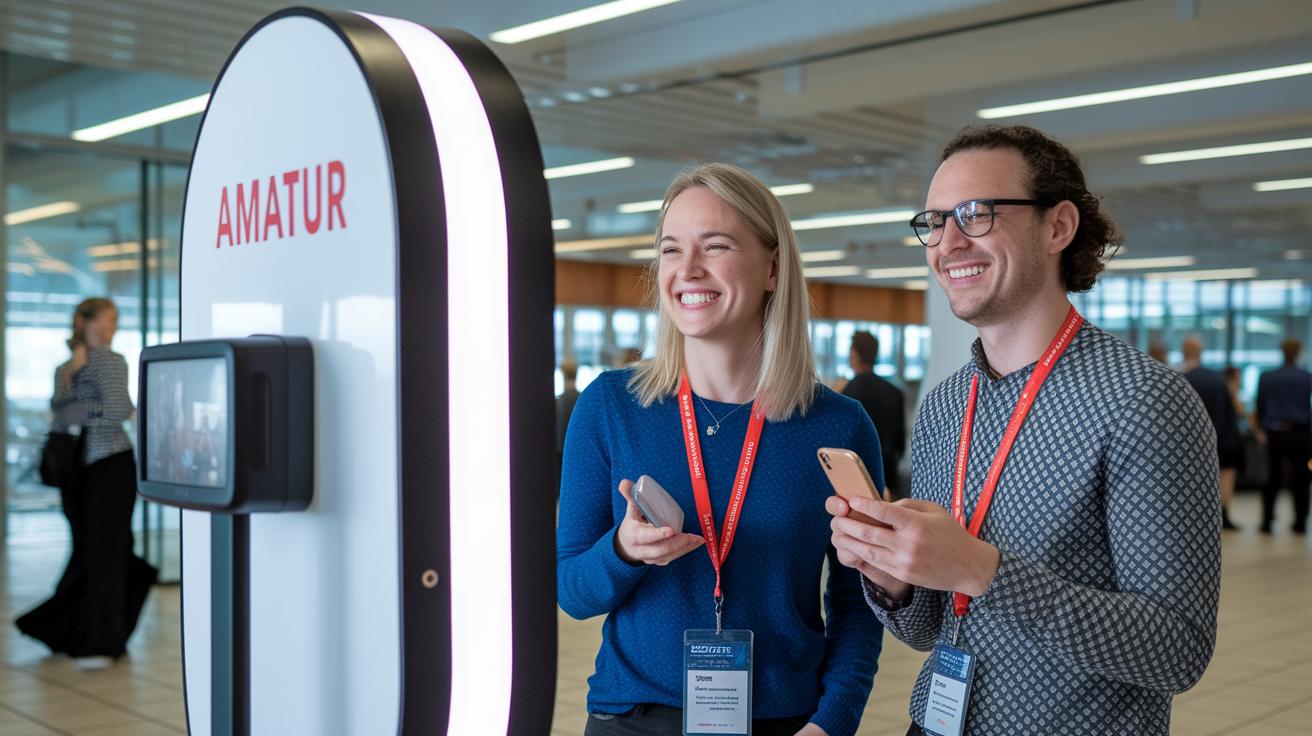
When you add creativity to a corporate event, you spark an energy that everyone feels. It brings people together in a fun and natural way while boosting team spirit. Think of events that mix engaging activities with cool themes, making work feel refreshing and memorable.
- Hands-on workshops that get creative ideas flowing
- Escape rooms that test teamwork and quick thinking
- Scavenger hunts to uncover hidden talents in the office
- Comedy shows that lift the mood and bring smiles
- Photo booths that capture those spontaneous fun moments
- Social walls where colleagues can share live updates
- Holiday karaoke sessions that break down usual barriers
- Secret Santa swaps that add a playful twist
- Baking contests sparking friendly competition
- Ugly sweater challenges that celebrate being uniquely you
Mixing team-building with clear goals can turn playful fun into smart work. When you combine well-planned activities with themed events like masquerade balls or sci-fi adventures, you set the stage for creativity and productivity to work hand in hand. Imagine hosting a roaring twenties party that not only entertains but also sparks chats about fresh ideas and change.
These lively events make it easy to share ideas and build trust. Leaders show real care by turning ordinary meetings into dynamic gatherings where everyone feels part of something bigger. In truth, when each activity fits with your company’s values, team building isn’t just fun, it becomes a powerful way to boost collaboration, drive productivity, and keep everyone fully engaged.
Measuring and Analyzing Corporate Event Success
When planning an event, data shows us what clicked and what missed the mark. Looking at the number of people who signed up and actually joined, plus the feedback from each session, gives you a clear idea of the event’s highs and lows. It’s like having a friendly guide to help tweak things next time, after all, keeping people happy matters, especially when many of us believe joy trumps just a paycheck.
Here’s a simple list of what to keep an eye on:
- How many people registered before the event
- The attendance rate during the event
- Average session feedback scores
- New leads captured during the event
- Ratings from post-event surveys
Next, don’t forget about sustainability. Tracking things like energy use and waste levels helps you see if your choices stick over time. It’s a bit like tuning a favorite instrument to keep it sounding just right. Comparing results from your own team with events run by professional planners can also light the way for future improvements. For more insights, you might want to visit Benefits of Financial Analytics for Business Growth.
Selecting Event Management Software and Vendors for Corporate Events

Planning a big corporate event can feel overwhelming at times. That’s why having solid event management software is so important, it works like a central hub, helping every piece of your event fall into place. It’s like having a trusty friend who keeps everything running smoothly, from schedules to last-minute tweaks.
-
Seamless integration with your current systems
Imagine a platform that automatically syncs with your calendar, so your event updates pop up without any extra hassle. -
A user-friendly interface to keep logistics simple
Think of an easy-to-use dashboard where adjusting schedules feels as natural as scrolling on your phone. -
Real-time analytics and reporting for tracking event success
Instant feedback and live metrics give you a clear picture of how well your event is doing, almost like getting a heartbeat of the market. -
Tools to manage your supply chain and keep vendor timelines on track
Picture automated alerts reminding you when a supplier’s task is due, keeping everything on schedule with minimal fuss. -
Reliable vendor support for smooth operations
Having responsive support is like having a seasoned partner right by your side, ready to help when needed.
Choosing the right vendor isn’t just about the software features. It’s also about clear communication, a proven track record in coordinating supply chains, and a reliable history of meeting deadlines. These qualities ensure that every detail, from the layout to the final execution, flows seamlessly, making your event not just a plan, but a success story.
Final Words
In the action, we explored how smart planning, seamless coordination, and creative team activities make corporate events not just possible but engaging. We broke down each step, from setting clear goals to scheduling and risk management, so you can approach every aspect with clear insight.
This guide gives you practical tools and simple strategies to keep your corporate events on track and secure. Stay confident and upbeat as you put these insights to work, knowing you’ve got the foundation for success.
FAQ
What are some examples of corporate events?
The examples of corporate events include annual conferences, team retreats, product launches, and awards ceremonies. These events help build connections and boost company culture.
Where can I find corporate events near me?
The corporate events near you are typically advertised through local business calendars, industry websites, or professional networks that list upcoming events in your area.
What is the meaning of a corporate event?
The meaning of a corporate event is a planned gathering focused on achieving business objectives, growing team unity, and strengthening professional relationships through designated activities.
What is considered a good corporate event?
A good corporate event delivers clear outcomes, such as improved team morale or lead generation. It is well organized, engaging for participants, and reflects the company’s strategic values.
How do companies organize corporate events?
Companies organize corporate events by setting clear objectives, planning detailed budgets, selecting venues, coordinating logistics, and using technology for tasks like registration and check-in.
What roles are available in corporate event planning?
In corporate events jobs, roles range from event coordination and logistics planning to vendor management. These positions require strong organizational skills and attention to detail.
What is Corporate Events Unlimited?
Corporate Events Unlimited is a service provider that specializes in event planning and coordination, offering support for various corporate events from intimate employee meetings to large-scale conferences.