
Ever wondered how some traders seem to snap decisions that outsmart the market? They rely on day trading software that sifts through data just as quickly as a heartbeat, almost like hearing the soft hum of trading screens lighting up at dawn.
In a world where every second counts, having smart tools to guide each move can mean the difference between making a profit and taking a loss. These platforms not only offer clear, detailed charts but also keep a careful eye on risks and execute trades automatically to cut down those critical delays.
Have you ever felt that little thrill when everything clicks perfectly? Discover how the right software can give you that extra edge in today’s fast-paced market.
Essential Day Trading Software Features for Fast, Data-Driven Trading
Day trading software has to be fast and accurate so you can make quick decisions. A strong charting tool, like one used in technical analysis, shows you clear visuals with moving averages, MACD, and RSI. These charts help you see market changes as they happen. Plus, a good risk management tool lets you know right away if things might be getting risky.
Today’s platforms use smart AI trading algorithms to scan market data quickly. In simple terms, they sift through lots of information to spot good trends. Automated trade execution means orders get placed the moment the right conditions come up. Working together with built-in order management tools, this system helps you place and track trades easily, reducing delays and mistakes.
Real-time alerts and live market feeds are just as important. Alerts give you a heads-up when prices change or big moves happen. At the same time, live feeds keep you updated on stocks, options, futures, forex, and cryptocurrencies, all day, every day. Multiple feeds from different sources ensure you catch every tiny price tick. On top of that, extra risk management tools and additional AI algorithms, along with another round of automated trade execution, work together to keep your trading as precise as possible.
Day Trading Software Boosts Rapid Trading Success
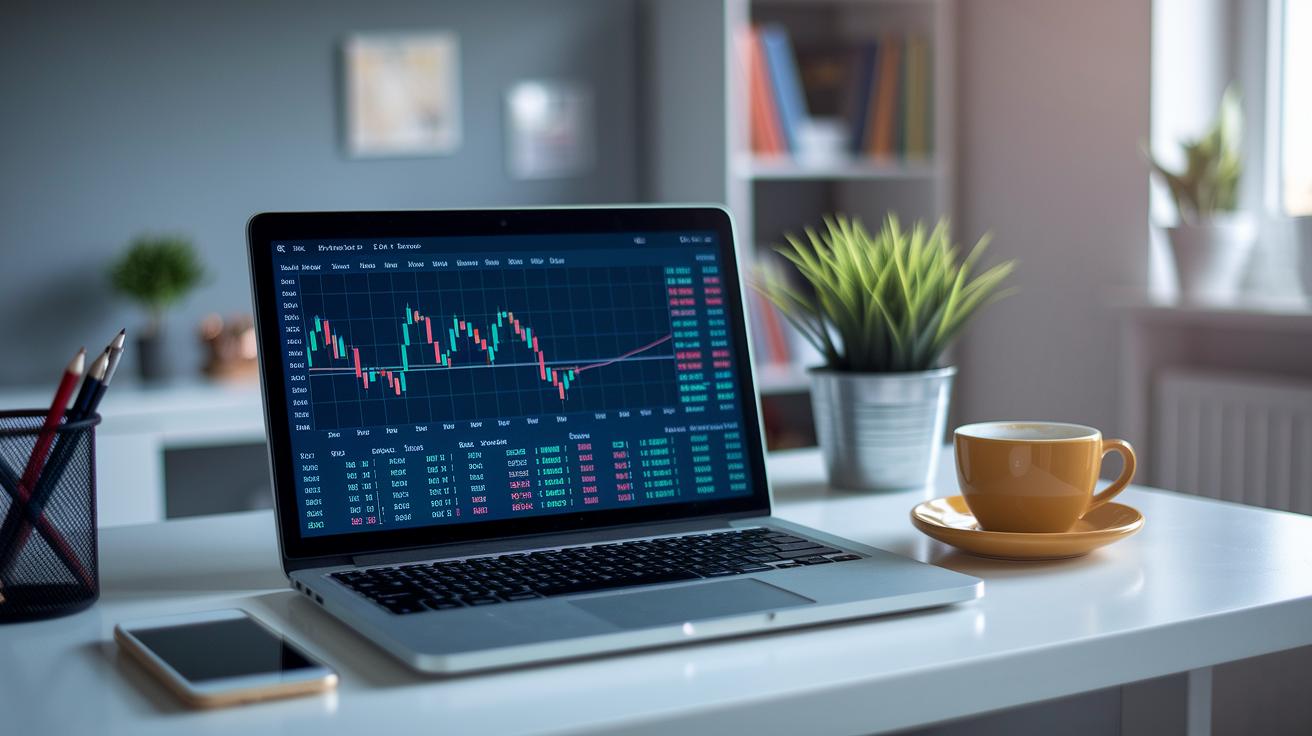
Top platforms today use smart tools that track performance and help execute trades fast. They pair a fee calculator with a commission tracking system so you can see hidden costs like data subscriptions or small per-trade charges. Even though many sites say trading is commission-free, you might still feel fees in other parts. Plus, a built-in execution speed optimizer makes sure trades happen quickly, and a cost efficiency analyzer checks that your total fees fit your budget.
Real feedback from traders shows that speed and trust really matter. For example, Webull gets noticed for its commission-free style and mobile-first design. Interactive Brokers Lite earns praise by letting you trade stocks and ETFs at no cost within a professional trading setup. Many users also value MetaTrader (MT4/MT5) for its detailed charts, automated trade setups via Expert Advisors, and a strong community feel. cTrader also stands out with its modern look and clear forex pricing. In practice, traders use a fee calculator to check overall costs, an execution speed optimizer for quick trade timing, and a commission tracking system to see fee details.
| Platform | Commission Structure | Average Execution Time (ms) | User Rating (1–5) |
|---|---|---|---|
| Webull | Commission-free*, additional fees | 85 | 4 |
| Interactive Brokers Lite | No-cost for stocks/ETFs | 90 | 4 |
| MetaTrader | Varies by broker | 100 | 4 |
| cTrader | Transparent pricing | 95 | 4 |
| TradeLocker | Competitive fees | 80 | 5 |
These numbers show how new speed tools and detailed performance reviews can help you pick a trading platform that fits your style and keeps costs in check.
Pricing Models, Free Trials, and Demo Trading Environments for Day Traders
Today, many brokers let you explore their services before you commit. They offer options like free webinar trials or a two-week pro preview, so you get a risk-free way to check out the platform. For example, you might come across a promo inviting you to test the system with no financial commitment while experiencing trading tools in a demo setup that mimics live market conditions.
Interactive Brokers and ThinkorSwim are two names you might hear about. Their paper trading accounts give you a real-life trading feel without putting your money on the line. Plus, they offer handy tools, imagine something like a fee calculator or a cost efficiency analyzer, to help you fine-tune your strategies and keep your trading expenses in check.
Remember, some platforms, especially for US stock margin accounts, might ask for a minimum balance of $25,000 because of rules like the PDT rule. If futures, forex, or crypto trading is more your speed, you'll often find they have lower balance requirements to get started.
- Free webinar trials
- Two-week pro preview
- Paper trading environments for practice
These choices also let you explore different membership tiers, such as Warrior Starter, Warrior Pro, and Pro Bundle, so you can pick the one that fits your trading style best.
User Interface, Mobile Support, and Integration Options in Day Trading Software
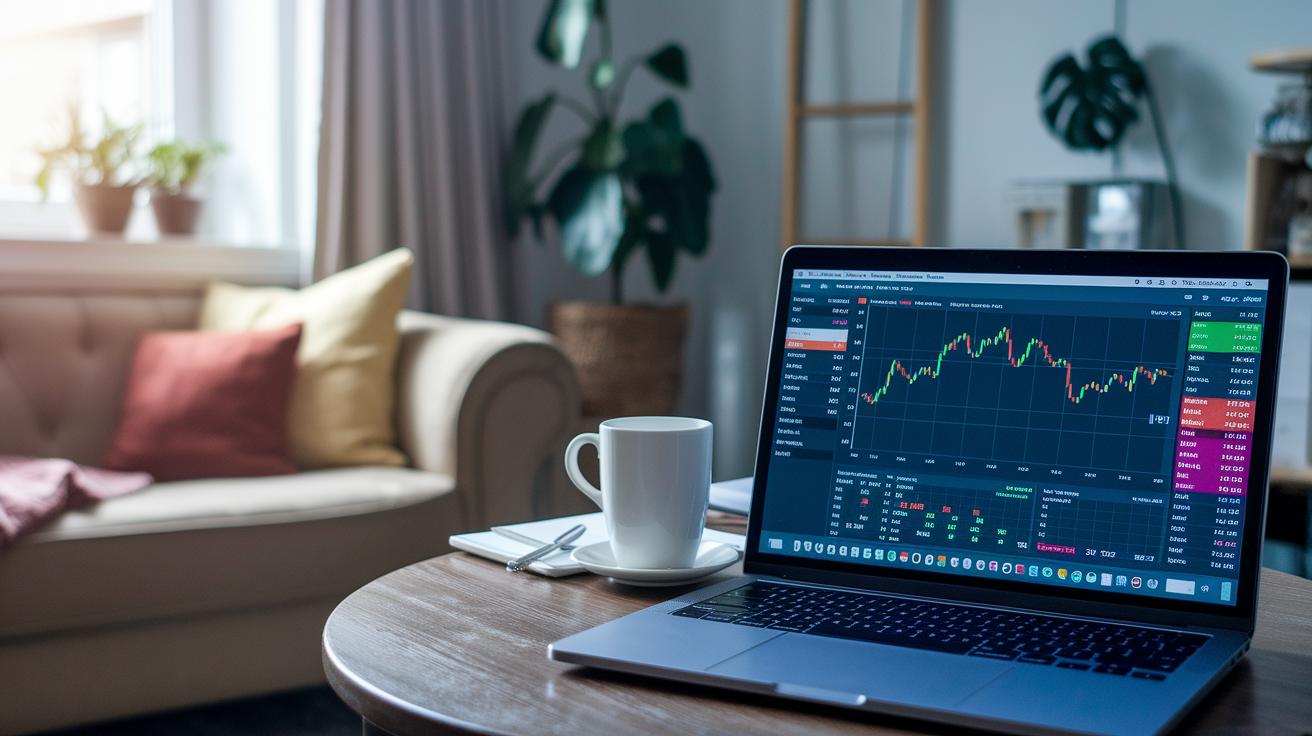
A great trading experience kicks off with a dashboard that’s easy to use and fully customizable. You can quickly rearrange your essential tools, like live charts and order entries, exactly where you need them. This makes snapping up opportunities a breeze whether you’re at home or on the go.
Cloud-based platforms take the hassle out of updates by ensuring everything syncs perfectly behind the scenes. Your settings and market indicators refresh in real time, giving you a clear picture when every second counts. Plus, handy mobile alerts and built-in news feeds make sure you’re always in the loop, no matter which device you’re using.
When a clean, intuitive dashboard meets reliable mobile notifications and a solid cloud setup, you’re ready to trade with speed and confidence. It’s all about having the tools to act fast and keep your strategies on point.
Risk Management, Compliance, and Asset Coverage in Day Trading Software
When you dive into day trading, having solid risk management tools is like having a safety belt on a roller coaster ride. Good trading software quickly reacts to market shifts, and one key tool is an automated stop-loss feature. This feature instantly places orders when prices hit a set level, helping you cut losses during wild swings.
Another handy tool is the margin maintenance alert. It lets you know when your account balance is getting close to a minimum requirement, like the $25,000 needed for US stock margin accounts under the PDT rule. This alert means you can adjust your strategy before any rules trip you up.
The software also keeps an eye on compliance. It quietly monitors new market rules and keeps you updated on important things like your day trader status. So, you don’t have to constantly check for updates, everything happens in the background.
On top of that, top-notch day trading software often supports multiple asset types. Whether you’re trading stocks, futures, options, forex, or even crypto, you can smoothly diversify your trading plan while keeping a tight grip on risk and compliance.
Evaluating Strategy Building, Backtesting, and Custom Scripting in Day Trading Software
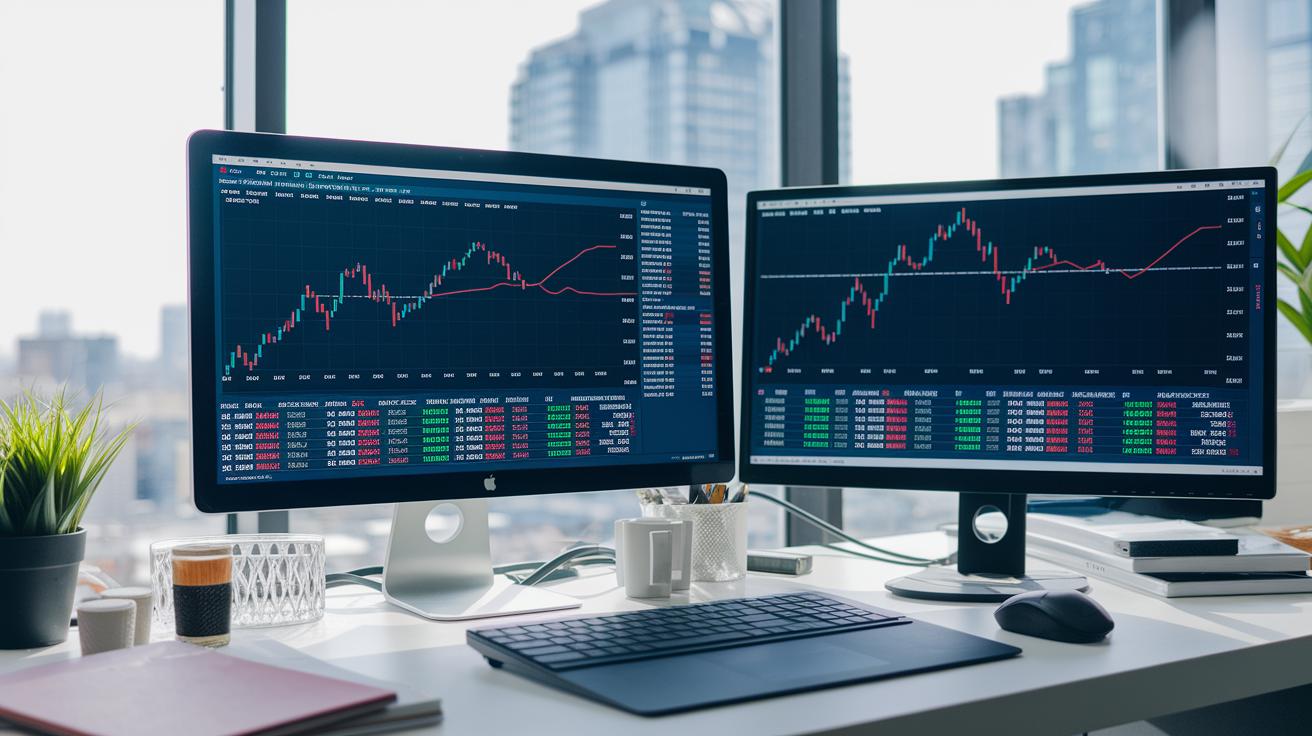
When you dive into day trading software, one feature you’ll likely notice is the backtesting tool. This tool lets you test your trading ideas against past market data. It shows how your strategy might have done in previous market conditions without you risking any money. For instance, imagine a trader who discovered a winning pattern by testing a simple moving average crossover over five years of data.
A lot of these systems come with a simulation framework where you can drag and drop logic blocks to create your strategy easily. If you’re more of a hands-on person, you can even write custom code. So whether you’re new to this or you’re comfortable coding in languages like Python, these tools adjust to your style.
Another handy feature is multi-window charting. This lets you view several symbols and timeframes simultaneously, making it easier to spot trends side by side. Some platforms also offer scenario testing that mimics worst-case conditions to see how your strategy holds up. You can experiment with various setups, check out performance reports, and tweak your plan based on real data. All of these features work together to give you a full picture before you actually put your money on the line.
Final Words
In the action, we reviewed essential aspects like real-time alerts, risk management utility, and a user-friendly dashboard. We explored pricing models, live market feeds, and strategy building tools that empower trades. Each section emphasized smart tools and secure practices while covering diverse assets from stocks to cryptocurrency. This rundown helps clarify which features matter most when choosing day trading software. Enjoy experimenting with these innovations and step into trading confidently.
FAQ
Q: What are some free day trading software options?
A: The free day trading software guide highlights platforms offering real-time data, charting, and paper trading modes. These options let you test strategies risk-free while familiarizing yourself with essential features.
Q: What does feedback on day trading software from Reddit reveal?
A: The insights shared on Reddit indicate that traders appreciate software offering clear interfaces, swift execution, and reliable risk controls. Users often discuss cost transparency and ease of use in their reviews.
Q: Which day trading software is best suited for beginners?
A: The ideal software for beginners presents a simple dashboard, guided tutorials, and built-in risk management tools. It helps new traders learn the ropes and build confidence during early trading stages.
Q: What defines the best day trading software or program?
A: The best day trading software combines advanced charting, real-time alerts, and automated trade execution with transparent pricing. Such features empower traders to make fast, informed decisions in dynamic markets.
Q: What are day trading practice apps and their benefits?
A: Day trading practice apps offer simulated trading environments that mimic live markets. They help you test strategies and get comfortable with platform navigation without risking actual capital.
Q: What advantages does automated day trading software offer?
A: Automated day trading software uses smart algorithms to execute trades quickly, reducing human error and the need for emotional decision-making while maintaining discipline in fast-moving markets.
Q: Can day trading help earn $1000 a day?
A: The possibility of earning $1000 a day exists, but achieving it depends on market conditions, a solid strategy, and strict risk management. Realistic goals are key to long-term success.
Q: Why do many day traders lose money?
A: Many day traders lose money due to poor risk management, emotional decision-making, and overtrading. Reliable software with robust risk tools can help mitigate these common pitfalls.
Q: Is earning $100 a day a good goal for day trading?
A: Earning $100 a day can be a stable goal for day trading, especially when starting out. It supports steady growth in skills and confidence while allowing you to develop a disciplined trading routine.