
Ever notice how a little spark can light up a whole room? Economic growth works much the same way. It creates new jobs, improves our healthcare, and helps build stronger schools. In this chat, we're diving into how a growing economy can brighten everyday life. Imagine extra funds spreading through communities, boosting progress and inspiring positive change all around.
Overview of Economic Growth and Its Significance
Economic growth boosts not only the amount but also the quality of everyday goods and services like health care, education, and housing. It makes life better by giving more people access to essentials such as nutritious food and proper medical care while opening the door to improved learning and living conditions. Basically, when a country's economy grows, most folks see their incomes and overall quality of life get a lift. Think of a small town that opens a new community clinic and upgrades its schools, each change shows how extra resources can make a big difference.
When the economy expands, it drives national productivity by sparking new investments. These investments create more jobs and push wages higher, which helps reduce poverty over time. Imagine a family in a growing city suddenly being able to afford regular health care and enjoy a steady income because new job opportunities popped up locally. That simple picture tells you a lot about how economic growth touches real lives.
Rising incomes mean that more wealth is directly reaching individuals. When people have a bit more money each year, they can invest in learning new skills or focus on a healthier lifestyle. This cycle of progress keeps inspiring further investments, which in turn drives market trends and lifts living standards for everyone.
Theories and Models of Economic Growth

Many experts have studied how economies grow, and over the years, our ideas have changed a lot. A big shift happened when people stopped believing that simply having more workers meant more income. Think back to the Industrial Revolution: instead of relying on sheer numbers, people started working smarter with better tools. Imagine a time when workers used simple tools before modern machines revolutionized production.
Classical models look at the balance between work (labor) and money or equipment (capital). They tell us that if you add more resources, like better machines or improved skills, it can boost the whole economy. Picture a small bakery that doubles its ovens. More ovens mean more bread, which helps the entire community grow.
Then there’s the Solow model, which says that technology is the key to keeping an economy growing in the long run. Once you have enough workers and machines, any further progress relies on new ideas and improved technology. It’s really the constant flow of fresh innovations that keeps economies buzzing.
Another idea, called endogenous growth theory, puts the spotlight on innovation and our connections with each other. This theory suggests that as ideas spread among people and businesses, they spark even more growth. Recent studies from May 13, 2021, and February 22, 2021, highlight just how important productivity is for driving economic expansion. In reality, each theory shows a different side of growth, and looking at all of them gives us a richer, clearer picture.
These ideas aren’t just for academic debates. They actually guide important policy moves and help predict changes in our everyday lives. When we understand how each theory works, we’re better equipped to see the dynamic forces that keep shaping economies all over the world.
Key Drivers of Economic Growth
Economic growth kicks up a notch when a few main elements come together nicely. First, think of physical capital like a factory bringing in brand-new machines. When a small manufacturer upgrades its equipment, production gets a fast, noticeable boost.
Another big driver is a skilled workforce. When people learn and practice new techniques, they get better at their jobs. Imagine a local restaurant that trains its cooks through culinary courses, great training not only makes the food tastier but also helps the restaurant shine among its competitors.
Technology and research play a huge role too. Companies that invest in research and development (R&D, which means trying out new ideas to improve how things work) spark fresh innovations. For instance, a tech firm might spend years perfecting a breakthrough product, showing us how steady R&D efforts can transform an industry.
Global trade is another piece of the puzzle. Businesses that connect with markets worldwide gain access to diverse materials and innovative ideas, boosting their productivity. Think of a small craft business that reaches out to customers everywhere, expanding its influence.
Lastly, strong social networks help ideas spread quickly. When companies and regions share insights and strategies, innovations catch on fast, helping the economy grow bit by bit.
In truth, better equipment, a skilled workforce, continuous innovation, and global connections all work together to pave the way for steady and exciting economic growth.
Measuring Economic Growth: Metrics and Indicators

Economic growth is more than just producing more goods, it's about knowing the full story behind the numbers. Experts look at how much a country makes today in dollars compared to what it would be when we adjust for inflation (that is, changes in overall prices). For instance, nominal GDP simply sums up all dollar values, but it can be a bit tricky because rising prices might mask the real increase in production. Real GDP fixes this by adjusting the numbers with a GDP deflator, so it shows true output changes without the confusion of price shifts. Think of it as comparing sales from one year to the next without worrying if the prices have just gone up.
GDP per capita splits the total economic output among all people, giving us a peek into everyday living standards. Next, the GDP growth rate tells us how fast the economy is growing by looking at the change over time. Often, we also check employment rates because more people working usually means more production and a better quality of life. Meanwhile, productivity figures show us how much each worker contributes, which helps in understanding just how well resources are being used.
The main metrics used to assess economic growth are:
- Nominal GDP
- Real GDP
- GDP per capita
- GDP growth rate
- Employment rate
- Productivity index
Looking at these figures helps us make fair comparisons over time and spot which parts of the economy are really thriving. By adjusting for things like inflation and population differences, these measures provide clear insights into real progress. This, in turn, guides policymakers as they work to boost income and improve everyday lives.
Fiscal and Monetary Policies Shaping Economic Growth
Choices about taxes and government spending have made big changes in how our economy grows. A good example is the 2009 ARRA package. That plan put billions of dollars into recovery programs, helping many industries get back on track quickly. Did you know that in 2009, this package sparked investments like a match lighting up a dark room, boosting growth in places that were struggling?
Deciding to cut taxes or spend money in smart ways has helped both rich and developing countries grow by investing in key areas. For example, research from December 1, 2021, shows that when governments use funds wisely after a crisis, local businesses thrive and people feel more confident about spending.
Money rules set by central banks also matter a lot. They change interest rates and use ideas to make loans cheaper, making it easier for companies to invest in important projects. These steps are especially helpful during tough times, pushing businesses to grow and try out new ways of doing things.
Changes in government policies have also helped our economy get stronger. For example, reforms like zero based budgeting in government have rethought the old way of dividing up money, making public spending more organized and efficient. Plus, a study from August 1, 2017, showed that some countries managed to lower CO₂ emissions while their economies kept growing. This shows that clever planning can balance economic growth with taking care of our planet.
All in all, decision-makers have fine-tuned tax, spending, and money rules to help our economy grow steadily. Their efforts spark positive market trends that lift up everyday communities.
Economic Growth Ignites Spirited Market Trends
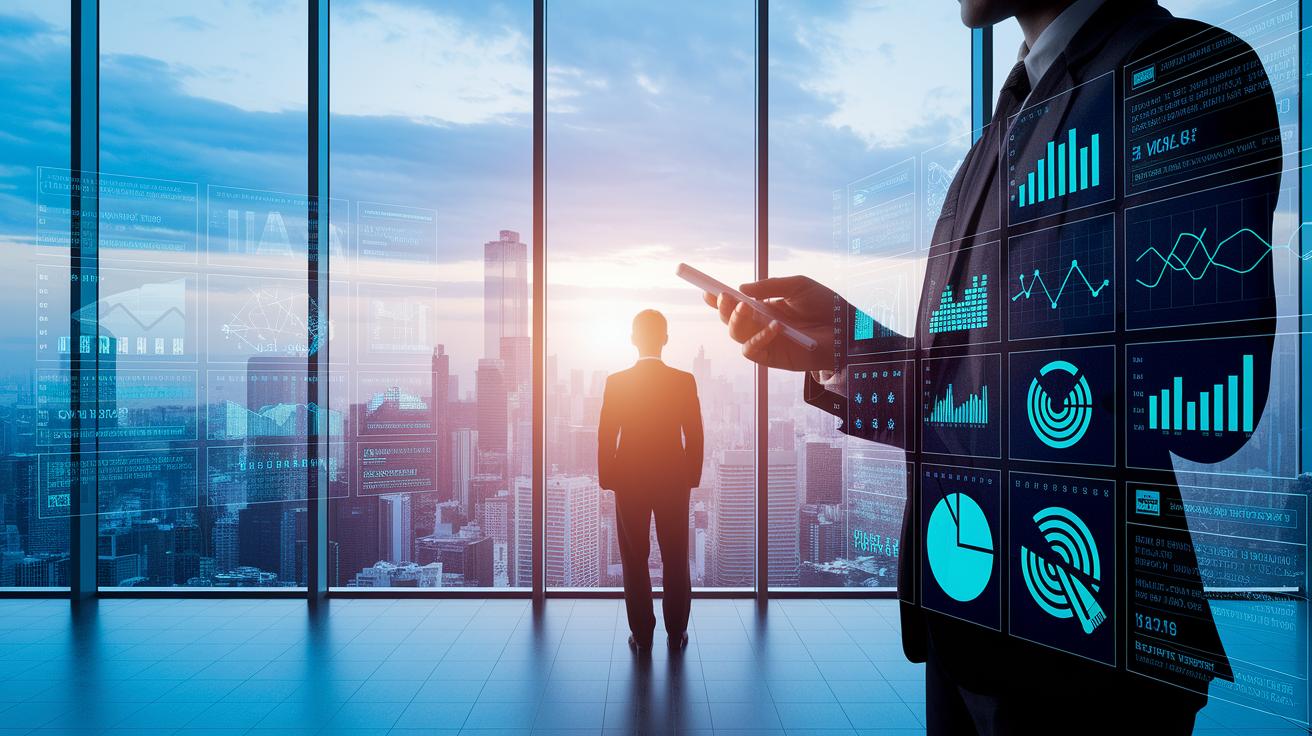
Today, everyone’s talking about how digital change and a shift from manufacturing to service are shaking up the market. New technology and better communication are changing how products and services reach us, boosting productivity and keeping businesses close to what consumers really want.
Another trend is the easy flow of ideas and money across borders. This smooth exchange opens up fresh opportunities for both small businesses and big companies. When one nation experiences growth, its neighbors often feel the ripple too, like watching a carefully timed dance where one step leads to the next.
Experts back up these insights with forecasting models that follow economic cycles after downturns. These models help us see how government spending and interest rate tweaks can cushion the blow when the economy slows down. For instance, when there’s a dip, targeted support measures work like a spark that gets things running smoothly again.
Post-Recession Recovery Models
Past events like the 2008 crisis and the 2020 pandemic taught us a lot. Recovery strategies focused on fiscal boosts and monetary support have helped kickstart spending and rebuild confidence quickly, almost like jump-starting a cold engine with a simple spark.
Decoupling Growth from Environmental Impact
It might sound counterintuitive, but recent studies show economies can grow while reducing CO₂ emissions and energy use. This means businesses are learning new ways to be eco-friendly without sacrificing progress. In essence, economic expansion and sustainable practices can truly go hand in hand.
Final Words
In the action, our discussion dives straight into economic growth, its meaning, significance, and the way it shapes basic services and living standards. We broke down growth theories, key drivers like capital and technology, and the metrics that help us measure progress. We also explored how fiscal and monetary policies work to support this growth, while forecasting trends and challenges ahead. Enjoy the insights and keep building on sound strategies for a brighter, economically growing future.
FAQ
What is economic growth and development?
The term economic growth means an increase in a country’s production and income, while economic development covers broader improvements in living standards, including better education, health, and infrastructure.
What is an example of economic growth?
An example of economic growth is when a nation’s GDP rises due to investments in technology and infrastructure, leading to more jobs, improved services, and higher incomes.
What are the differences between economic growth and development?
The difference is that economic growth focuses on rising output and income, whereas economic development also includes improvements in quality of life such as education and healthcare.
How is economic growth measured, and what formula is used?
Economic growth is measured by changes in GDP—adjusted for inflation—with formulas comparing GDP over different periods to calculate growth rates and per capita income improvements.
What are the key factors that drive economic growth?
Key factors driving economic growth include physical capital, a skilled labor force, technological advancements, and favorable trade practices that boost production and efficiency in an economy.