
Have you ever thought about how a small change in interest rates can make the stock market jump or slow down? When borrowing costs drop, stocks get a boost, kind of like a great sale that gets everyone excited.
But when rates go up, investors tend to be more careful, and market activity cools off. In this post, we explain how these changes can brighten or dim the market mood, whether you're looking at tech companies or more steady sectors. Stick with us to learn why even small rate shifts can help create a healthy market.
Interest Rate Changes and Equity Market Dynamics
When borrowing money costs less, stocks tend to get a boost, whereas higher rates can put a damper on values. Think of interest rates as the price tag on a loan, when that tag is lower, it's like spotting an unbeatable discount that makes investors eager to jump in.
Here's an interesting thought: When rates drop, the easier access to cheap borrowing can light up market optimism, much like finding a rare deal on your favorite item at the store. This opposite reaction shows how changes in rates can directly lift or drag down stock values and overall market mood.
Interest rates also set the stage for borrowing costs and play a big role in how investors feel. When rates are low, companies pay less to borrow money, freeing up funds to grow and innovate. But when rates rise, the cost of debt goes up, which can make everyone a bit more cautious, slowing the market down. Picture it like fueling your car, if the fuel is cheap, you drive more; if it's expensive, you drive less.
The link between interest rates and stock performance is mostly a see-saw, but it's not a perfect picture. Other factors in the economy also come into play. For example, during times when rates drop, tech companies might soar on cheap credit, while more stable sectors like utilities might only see steady growth. This reminder teaches us that even though rate changes are a major factor, broader economic conditions and specific sector traits also steer investor actions.
Central Banking Decisions and Equity Price Responses

Our central banks, like the Bank of Canada and the Federal Reserve, set interest rates to guide the economy. When they decide to raise rates, borrowing money gets more expensive. This usually makes people spend less and slows down growth. On the other hand, cutting rates makes loans cheaper. That lower cost often boosts spending and helps businesses invest. Imagine hearing that a central bank has lowered its rates, it can feel like your favorite stock sending a little signal that better times are coming.
These moves aren’t random at all. They happen in cycles. When markets heat up, banks tend to raise rates to cool things off. And when the economy slows down, they lower rates to give everything a boost. These decisions change how much banks charge to lend money and even shift how investors view risk. That’s why everyone in the market pays close attention to these announcements, they hint at a shift in the economic tide.
| Event | Year | Central Bank | Rate Change | Index Return (1-Year) |
|---|---|---|---|---|
| Early tighten | 2004 | Fed | Hike | -3% |
| Market boost | 2007 | Fed | Cut | 8% |
| Cooling measure | 2015 | Fed | Hike | -2% |
| Stimulus phase | 2019 | BoC | Cut | 7% |
| Rate normalization | 2022 | Fed | Hike | -5% |
This table shows how these rate moves are closely tied to market returns. It’s a clear reminder that every central bank decision can send ripples through the entire market. Isn’t it interesting how these carefully timed moves help shape the economic landscape?
Cost of Capital, Valuation Adjustments, and Rate Fluctuations
When interest rates go up, the discount rates we use in valuation models rise as well. This means future cash flows become less valuable in today's dollars. Imagine expecting a basket of shiny apples later on, only to find each one has lost some of its luster by the time you get to market. In simple terms, when borrowing gets more expensive, future earnings just don’t shine as brightly as present gains. Investors start to see stocks in a new light because of this shift.
Then there’s the matter of the yield curve. As its shape changes, the risk-free benchmark and corporate bond yields move too, creating a ripple effect through equity models. At the same time, investors update how they view risk premiums, since higher borrowing costs and increased default risks push these figures up. So really, a jump in interest rates doesn’t just tweak some numbers, it completely changes how we go about valuing stocks.
Interest Rate Impacts Across Equity Market Sectors
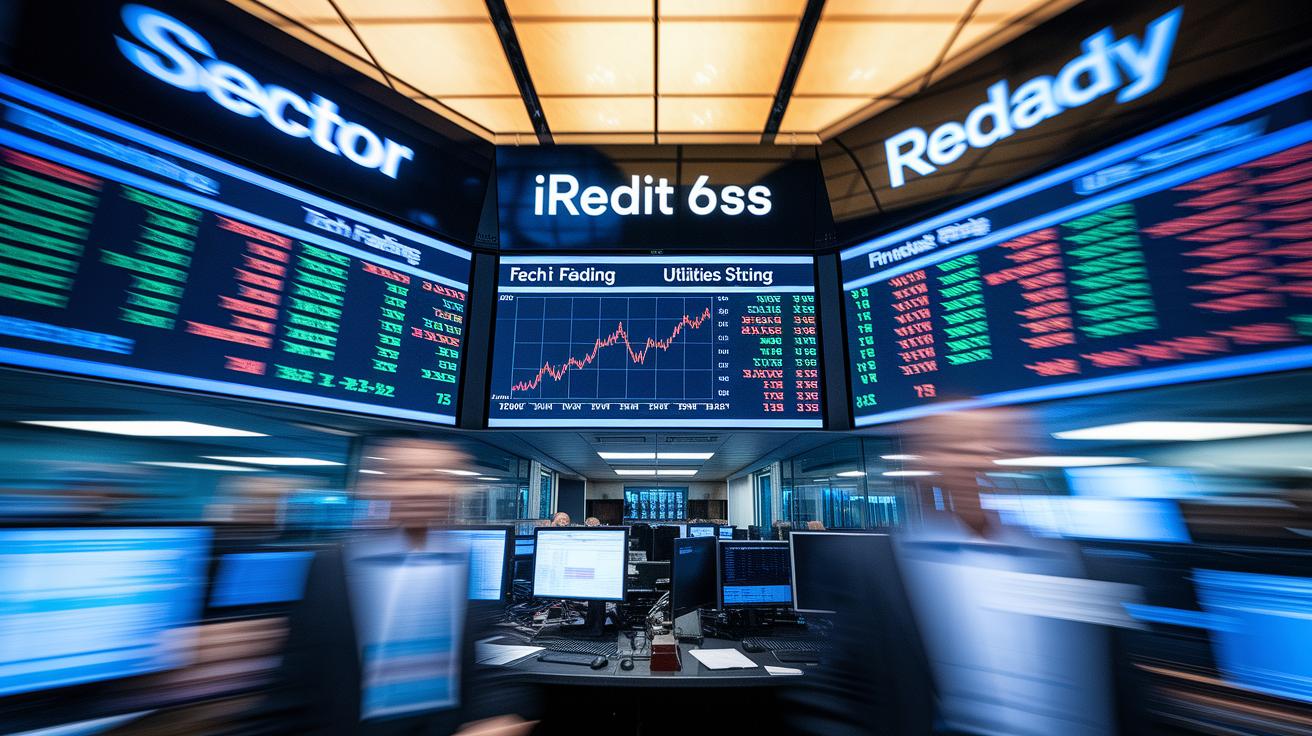
Interest rate changes affect each market sector in its own way. When rates go up, sectors that depend on fast growth, like technology and consumer goods, feel the squeeze because borrowing money gets pricier. Meanwhile, steady sectors like utilities and everyday staples usually hold on better, giving investors a safe spot when credit tightens. Financials might even see a boost, as a steeper yield curve can widen their profit margins. In truth, these shifts often cause investors to rethink their positions, much like taking a detour to avoid traffic when roads get busy.
Here's a simple look at how each area is affected:
| Sector | Effect |
|---|---|
| Technology | Often slows down because its growth relies on affordable credit. |
| Financials | Can benefit from wider interest spreads that boost earnings. |
| Real Estate | Faces challenges as higher rates increase borrowing costs. |
| Consumer Discretionary | May weaken since rate hikes can reduce consumer buying. |
| Utilities | Stays steadier and offers a defensive option during rate hikes. |
| Industrials | Follows the broader economy, reflecting changes in interest costs. |
Investors often adjust their portfolios by moving from high-growth stocks to safer bets like utilities when rates climb. It’s a bit like switching lanes to avoid a traffic jam, you’re looking for a smoother ride. Have you noticed how a small change in direction can make a big difference in your journey? This simple shift in strategy helps balance risk and take advantage of the unique way each sector responds to changes in interest rates.
Historical Rate Episodes and Equity Market Performance
Between 2004 and 2006, things started to change as borrowing costs slowly went up. Investors began to feel more cautious, which gently nudged market volatility upward. For example, in 2004 one volatility measure jumped by 15% just a few months after rate hikes, hinting at traders' growing hesitation. This kind of shift in sentiment reminds us that gradual increases in rates can quietly change how investors behave.
From 2007 to 2009, the market bounced back quickly thanks to rapid rate cuts. Investors moved their money around, and confidence surged almost like spotting a great sale when you need it the most. Analysts noted that after these cuts, market indexes surged by about 20% very fast, echoing a clear move from doubt to optimism. It’s interesting to see how past trends can help explain what we notice in the market today.
In 2020, rate cuts sparked quick changes in market conversation. Investors shifted their focus to finding new recovery opportunities, and sentiment indicators shot up in just a few days. After the 2020 rate cuts, one key sentiment index spiked in a way that mirrors how today’s markets can shift almost overnight following a policy change. These moments underscore the powerful impact monetary actions can have on market moods.
Investor Sentiment Shifts, Volatility, and Rate Hikes

When interest rates rise, it can quickly shake up the trading world. As rates go up, you might see the market’s mood change almost overnight. One simple way to tell is by looking at the VIX, a number that shows just how nervous traders are feeling. When the VIX jumps, it means investors are rushing to cover their risks. Even some detailed studies show that human behavior and unusual market moves come into play, with traders quickly changing their plans. In short, a sudden boost in the market’s energy is a clear sign that things are shifting fast.
Rising rates also change how investors behave. They often rearrange their portfolios, sometimes moving away from certain stocks to cut down on risk. For instance, more people might buy options that protect their investments instead of betting on stocks to go up, which shows a move toward caution. Policy updates can spark these mood swings, creating a clear see-saw effect between higher rates and lower stock prices. In this mix of numbers and real human feelings, the market turns into an exciting, even if sometimes unpredictable, place to watch.
Portfolio Strategy Shifts in Response to Interest Rate Trends
When interest rates change, many investors start thinking about how to keep their money safe while still growing it. A simple way to do this is to spread your investments across different types of assets like stocks, bonds, and commodities. Imagine it like cooking a balanced meal, each ingredient brings something different to the table, so if one part isn’t working as well, the rest can help keep things on track.
Here are four ideas to adjust your portfolio when rates shift:
- Bond Laddering: Instead of buying bonds that all mature at the same time, try spreading them out over different time periods. This approach helps you avoid sticking with low yields for too long.
- Sector Tilt: You might want to shift some of your money from fast-growing stocks to more stable sectors, which often hold up better when rates go up.
- Duration Management: Look at the time you hold your bonds. By changing how long you plan to hold them, you can control how sensitive your portfolio is to rate changes.
- Cash-Flow-Based Revaluation: Reevaluate your investments by updating the way you look at their future cash flows. This method helps you decide if certain investments still offer good value.
It’s also important to use broader risk modeling techniques as interest rates shift. Many investors use models that consider changes in borrowing costs to rethink where they should put their money. By reviewing the latest forecasts and testing your portfolio under different scenarios, you can better understand your exposure to rate changes. This ongoing review not only protects your investments during uncertain times but also helps you grab opportunities when the market steadies.
Global Rate Comparisons and Cross-Border Equity Flows

When major economies have very different interest rates, money moves like water finding its way downhill. When a country such as the United States has higher rates, funds often leave other regions, which can raise borrowing costs there.
For example, when U.S. rates rise, investors may pull their money out of emerging markets, much like a crowd rushing toward an open door. This global movement of funds changes how currencies are valued and shifts local stock prices, nudging investors to adjust their investments across borders.
Emerging markets can react strongly to these shifts. When funds search for higher returns, local companies might see a drop in stock prices along with changes in valuations. Watching these moves helps investors understand that different rate policies lead to reshuffled portfolios. Each change in policy is a clear hint about where global market confidence lies.
Final Words
In the action, we explored how rate changes influence everything from sector performance to investor sentiment and cost of capital adjustments. Each section showed how central bank moves, valuation tweaks, and cross-border comparisons build a clear picture of market dynamics. We looked at practical strategies for rebalancing portfolios in a world where even small adjustments can make a big difference. All these insights reinforce a positive outlook as we understand the effects of interest rates on equity markets and equip ourselves for smart investments.
FAQ
How do interest rates affect equity markets?
The relationship between interest rates and equity markets is inverse. Lower rates usually boost stock prices by reducing borrowing costs, while higher rates tend to lower stock values by increasing expenses and tempering growth expectations.
What does a Fed interest rate vs. stock market chart show?
A Fed interest rate vs. stock market chart shows how rate changes often mirror stock market trends. When rates drop, stocks generally rise, reflecting cheaper borrowing costs and more positive investor sentiment.
Which stocks should you consider when interest rates fall?
When rates fall, stocks in sectors like technology and consumer discretionary often perform well. Lower borrowing costs boost earnings, making these companies attractive to investors seeking growth opportunities.
What are the effects of increased interest rates on businesses?
Increased interest rates raise borrowing costs and slow spending, causing businesses to delay investments and tighten budgets. This shift can dampen economic activity and reduce overall market confidence.
What is the impact of a Fed rate cut on the stock market?
A Fed rate cut typically lifts the stock market by lowering the cost of capital. Investors become more optimistic, anticipating higher profits as companies benefit from cheaper funds and increased spending.
What is the 7% rule in stocks?
The 7% rule in stocks suggests aiming for an average annual return of about 7% over the long term. This guideline helps set realistic expectations while accounting for market fluctuations and compound growth.
Will stocks go up if interest rates rise?
Rising interest rates generally put downward pressure on stocks by increasing costs for companies and cooling off demand. Stocks might not rise; often, their performance weakens as higher rates slow economic activity.