
Have you ever thought that a drop in your investment's value might actually hide a winning opportunity? In many developing markets, exchange rates can twist like a rollercoaster, leaving you unsure of what to expect.
But here's the thing: what looks like a setback can sometimes be the perfect moment for a smart move. Recent trends point to weaker local currencies and tougher conditions across the globe.
Next, we'll take a closer look at how risk might hide unexpected rewards for both new and seasoned investors.
Overview of Emerging Markets Currency Risks

Currency risk is all about the chance that shifts in exchange rates can change the value of your investments. For those investing in developing markets, this isn’t just a technical term, it’s a real concern. When local currencies move against major ones like the U.S. dollar, your investment’s value could suddenly drop or unexpectedly rise.
This matters because when you convert your profits back into your home currency, you might not keep as much of the return, or you could even see higher costs for funding your investments. Keeping a close eye on these currency movements helps you protect your portfolio. In many cases, understanding how exchange rates behave is just as important as tracking the performance of the underlying assets.
Recent trends from 2023 to 2024 have shown that many emerging market currencies have weakened. Even small shifts in U.S. interest rates have led to more noticeable swings in these currencies. Global financial conditions are getting tighter, and rising geopolitical tensions are adding to the mix. All of this leads to more volatile exchange rates and higher borrowing costs for governments. Investors have seen that quick changes in rate differentials can bring both hurdles and openings in the market. For instance, the November 2024 G20 reform plan, with its 13 recommendations and 44 actionable steps, is paving the way for more resilient financial systems. This situation invites us to take a closer look at forex market dynamics and how we measure economic ups and downs, especially in emerging markets.
Major Drivers of Currency Volatility in Emerging Markets

In emerging markets, currencies can change value very quickly because of several risks. When you understand what causes these swings, you can be ready to adjust your investment plans.
Here are some of the main factors:
- U.S.–EM interest rate differences
- Domestic inflation that pushes prices up
- Trade and current account deficits that throw off balance
- Vulnerable government debt which can increase risk
- Political uncertainty and election cycles shaking things up
- Sudden stops in money coming in from abroad
- A global mood where investors get nervous
- Problems with getting cash quickly in the market
Often these factors mix together, causing sudden shifts that can hurt your portfolio and raise the cost of borrowing. For instance, when U.S. interest rate changes reduce the gap with emerging markets, it can lead to a rapid drop in their currencies. Inflation at home or imbalances in trade can make this instability even worse. And if a country has high levels of government debt, its currency might face even bigger shocks.
Sometimes, the mix of political uncertainty and an abrupt stop in foreign money can drive up borrowing costs, adding extra risk. When these issues pile up, they can lead to funding worries and lower returns. Knowing and planning for these triggers helps you manage potential losses and adjust your strategy to keep your investments as safe as possible during uncertain times.
Examples of Emerging Market Currency Stress Events
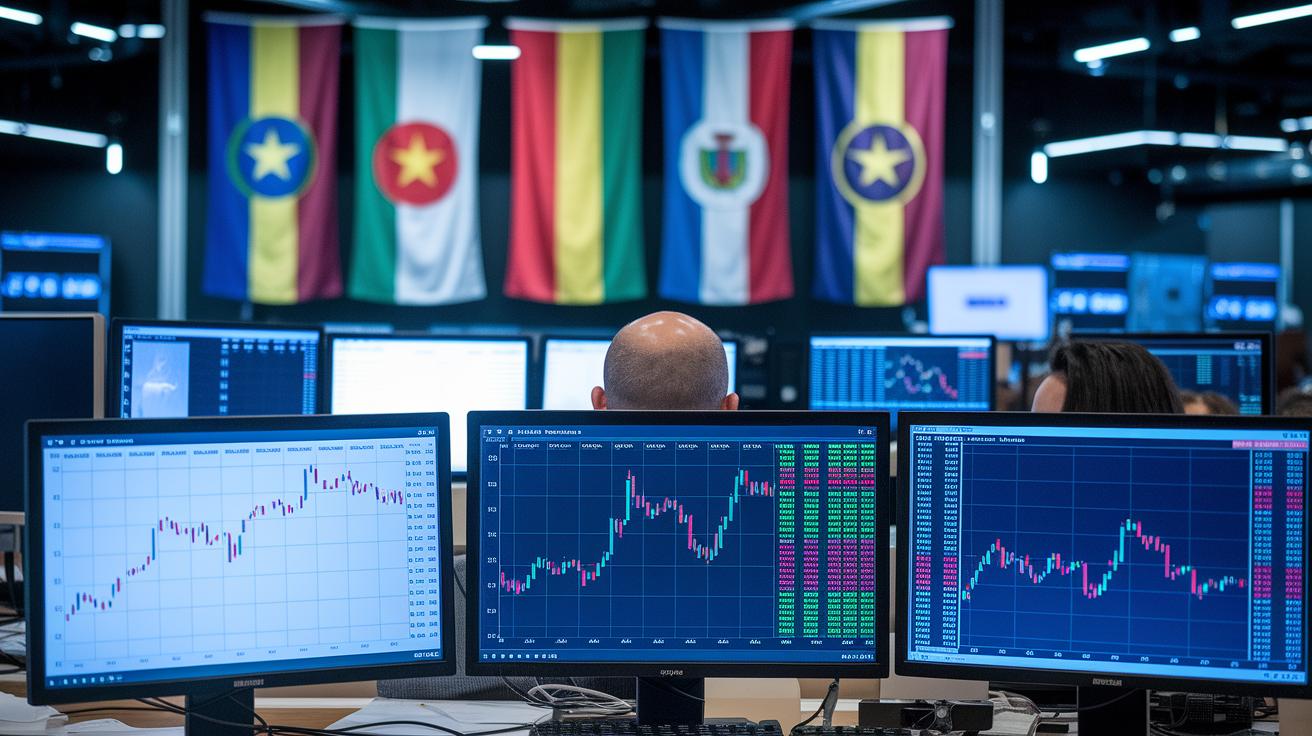
Around the middle of 2023, many emerging market currencies in Latin America and the EMEA region began to lose value. This happened as the U.S. Fed made its policies tighter, putting more pressure on how money is exchanged. Political shocks at key times added to the stress, causing money to leave these markets quickly and creating wild, rapid swings in exchange rates. It was surprising to see how quickly small issues grew into bigger problems for the local currencies.
In many cases, when one currency got shaky, its neighbors weren't far behind. Have you ever noticed how one problem can spread rapidly? Political unrest and sudden changes in capital flow put a lot of strain on banks and financial firms. This pressure pushed many investors to take a hard look at their risks. In the midst of this uncertainty, some saw opportunities in emerging markets, even though the overall scene was unsettled by short-term shocks.
Currency Hedging Instruments for Emerging Market Portfolios
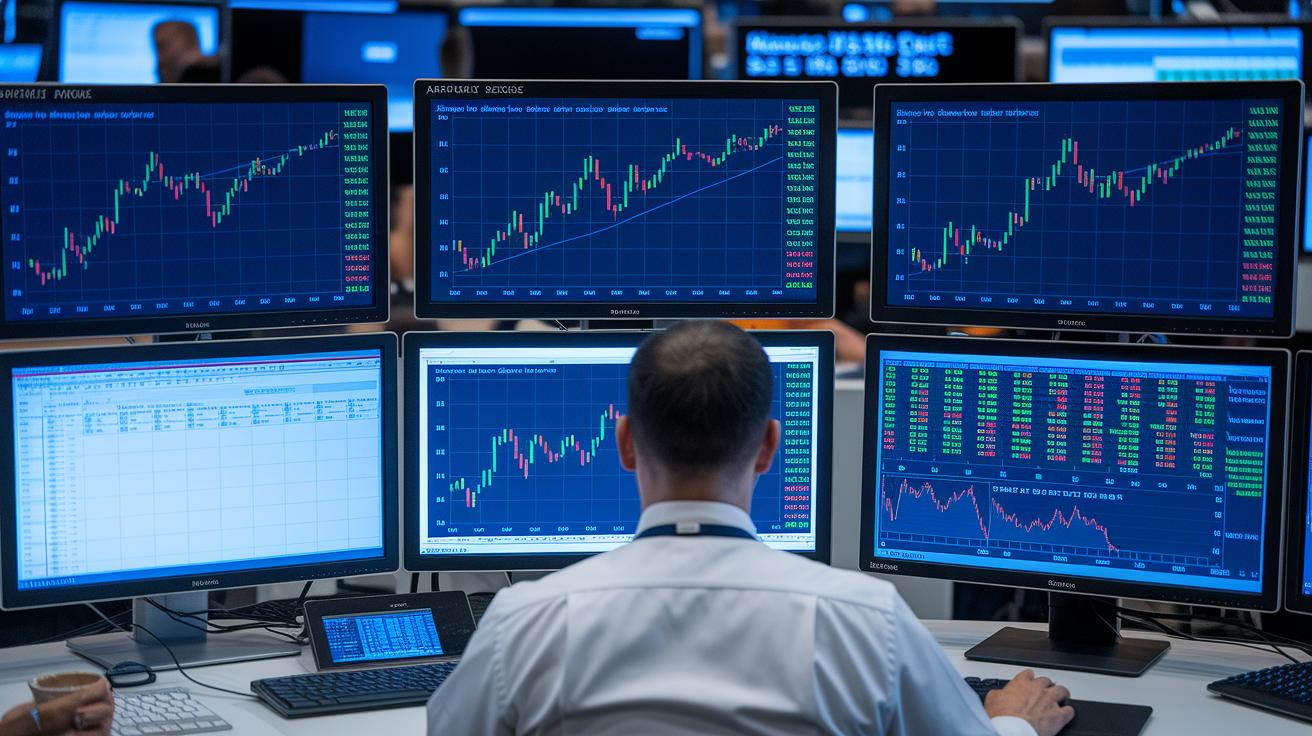
Hedging is key when exchange rates make sudden moves. It helps limit losses and shows you a clear path ahead, even when emerging market currencies change quickly. This approach locks in exchange rates, keeping your portfolio steady even during short-term swings. Have you ever experienced that uneasy feeling when things take an unexpected turn? Many investors rely on these tools to bring a bit of calm to unpredictable financial waters.
| Instrument | Key Features | Ideal Use Case |
|---|---|---|
| Forward Contracts | Customized deals that fix foreign exchange rates for future trades | Securing rates for planned international transactions |
| Currency Futures | Standardized contracts traded on formal exchanges | Shielding against everyday market fluctuations |
| Currency Options | Offers the chance to exchange currency at a set rate without obligation | Giving you flexibility when markets take an unexpected turn |
| Government Bond Diversification | Investing in bonds known for stable yields | Counterbalancing sharp spot-rate changes with steady income |
Blending these instruments with traditional bond investments creates a solid risk management strategy for emerging markets. By mixing forwards, futures, and options with government bonds, you smooth out the sharp ups and downs of currency volatility. This combo not only locks in a fixed rate advantage but also adds a buffer through steady bond yields. It’s like balancing a meal, you need both the protein and the vegetables to feel satisfied. Many investors monitor market conditions using trusted analytics tools, adjusting their tactics as needed. In truth, this blend helps shrink risk while letting you benefit from the precision of derivatives and the reliable performance of stable bonds. This strategy makes your approach flexible and strong, ready to handle the rapid shifts of emerging market currencies.
Emerging markets currency risks shine as opportunities

The U.S. Federal Reserve’s rate changes can make emerging market currencies shift quickly. Investors can see these moves as smart trading chances. When rates go up or down, checking the difference in interest rates might uncover a currency that is low and ready to rebound. For example, you might watch a currency react to a rate hike and then consider buying it as it starts to recover. This method turns signals from monetary policy into clear moments to take action.
Political events and shifts in trade rules can also move currencies fast. These changes can open up chances to adjust your investments at just the right moment. Take the G20 meeting in November 2024, which focused on strengthening global bank reforms. Think of it like fine-tuning a precise instrument to pick up hidden opportunities. By keeping an eye on world events and using smart risk measures, you can find a strategic edge in emerging markets.
Advanced Risk Analytics and Scenario Planning for Currency Risk

Scenario analysis is a way to see how sudden changes in interest rates or money flows can shake your investments. It works by testing different market conditions, like a quick U.S. rate rise or an unexpected reversal in capital movement. Imagine running a test where a fast rate hike rattles emerging market currencies, uncovering risks you might not see otherwise.
Big investors use a mix of tools to get a clear look at potential risks. They run stress tests to predict what might happen when rates spike or funds suddenly shift. They also keep an eye on central-clearing numbers and the behavior of nonbank market makers, which can signal early warnings for cash flow issues. Moreover, models that follow shifts in yield spreads and contagion channels help take steps before risks grow too big. All these methods together create a strong way to check that your portfolio can handle the ups and downs of the market.
Final Words
In the action, we covered key points on emerging markets currency risks. We clarified what currency risk means and why it matters. We broke down the drivers that sway exchange rates and looked at stress events and hedging instruments to manage this risk.
We also discussed how global policies and advanced risk assessments influence these trends. All these insights help investors see a full picture of emerging markets currency risks. Stay focused and keep a positive mindset as you plan your next steps.
FAQ
What does the emerging markets currency risks graph show?
The emerging markets currency risks graph shows how exchange rates change over time. It uses visuals to illustrate fluctuations driven by global shifts and economic events.
What information is provided in an emerging markets currency risks PDF?
The emerging markets currency risks PDF details trends, analytical data, and visual figures on currency fluctuations, helping investors understand patterns and risk exposure in developing regions.
How did emerging markets currency risks change from 2020 to 2022?
Emerging markets currency risks increased from 2020 to 2022 as global financial conditions tightened and political tensions rose. This pattern reflects shifts in interest rates and investor sentiment over those years.
How are currencies and emerging markets viewed by J.P. Morgan?
J.P. Morgan’s analysis blends market research with risk management, offering insights into emerging market currencies and strategies to manage exchange movements through effective hedging.
What does the Currency Stability Index indicate?
The Currency Stability Index shows the steadiness of emerging market currencies amid global pressures, helping investors assess volatility risks and aim for more stable investment choices.
Is a strong dollar harmful to emerging markets?
A strong dollar can strain emerging markets by raising borrowing costs and reducing export competitiveness, which in turn increases their vulnerability to international financial shifts.
What are emerging market currencies?
Emerging market currencies are the types of money used by developing economies. They often face greater volatility due to differences in interest rates, political changes, and varying economic growth levels.
What are the three types of currency risk?
The three types of currency risk are transaction risk (from trade price differences), translation risk (from converting financial statements), and economic risk (from future cash flow impacts).
What risks are associated with emerging market bonds?
Emerging market bonds carry risks such as sovereign credit concerns, currency devaluation, and liquidity issues, which can lead to portfolio losses and increased funding stress.