
Have you ever wondered how simple town trades grew into the big stock markets we see today? Long ago, people swapped goods in small towns, and over time, these simple exchanges turned into formal trading floors. This change happened because trust grew, new ideas took shape, and careful planning made things work. Today, we'll take a look at key milestones in this journey. It shows that small, steady steps can build something truly great.
Tracing Equity Market Evolution: Historical Foundations and Milestones
Let’s take a quick trip back in time and see how our modern equity markets got started. Back in medieval days, people traded goods and debts in simple, casual ways, imagine a small town gathering where a friendly barter laid the first spark of trade.
Over the years, those early exchanges slowly grew into something much more organized. In the 1600s, companies began issuing shares, inviting more folks to invest and share the risks and rewards. It’s a bit like building a house step by step, from a modest foundation to a sturdy structure you can rely on.
Here are a few key moments that mark important steps in this journey:
| Period | Milestone |
|---|---|
| 12th–13th Centuries | Simple, informal trades of commodities and debts laid the first groundwork for market activity. |
| 1600s | Joint-stock companies began issuing formal shares, which opened up new ways for companies to raise money. |
| 1611 | The Amsterdam Stock Exchange opened its doors, initiating public trading of company shares. |
| Late 1700s | The Buttonwood Tree Agreement sparked a cooperative trading culture in New York, an early model for organized markets. |
| 1817 | A precursor to the modern NYSE emerged with formal trading rules, paving the way for future innovations. |
When you look back at these milestones, it’s clear how each one built on the last. The steady move from informal trades to regulated exchanges shows the natural evolution of trust, innovation, and careful planning. And that’s the story behind the dynamic financial markets we depend on today.
Evolution of Equity Market Systems: From Open-Outcry to Automated Exchanges

The trading world used to be very hands-on. People gathered around a bustling floor, shouting bids and prices. But as computers became a bigger part of our lives, trading moved online. New technology, like instant data sharing and digital platforms, made it possible for trades to happen in the blink of an eye.
| Era | System | Date/Period | Key Innovation |
|---|---|---|---|
| 19th Century | Standard open-outcry floor trading | 1792–1967 | Face-to-face auction model |
| 1867 | Ticker tape networks | 1867 | Real-time price feeds via telegraph |
| 1971 | NASDAQ electronic market | 1971 | First fully automated stock exchange |
| 1990s–2000s | Automated matching engines | 1998–2000s | Algorithmic order routing |
Every new phase built on the previous one, making trades faster and clearer. We moved from simple ticker tapes to smart computer programs that help traders act on deals right away. This steady flow of new ideas has opened up markets to more people and changed the way trades are made all over the world.
Regulatory Reform Milestones in Equity Market Evolution
When big market crashes and shaky economies hit, governments stepped in with new rules to protect investors and keep markets fair. In the early 1930s, the U.S. passed the Securities Acts of 1933-34. These laws made companies share key financial details and limit risky behavior. In fact, before these changes, many investors bought stocks with little or no real information, facing dangers they never even imagined.
After the crash, these reforms not only steadied the market but also set up modern rules everyone had to follow. Market players learned to work within clear guidelines, and following the rules became a must for any trading platform. Later on, this blend of tight oversight with some room for new ideas helped spark further deregulation. All in all, these changes laid the foundation for ongoing market growth and boosted trust among investors.
Global Integration Progress in the Evolution of Equity Markets
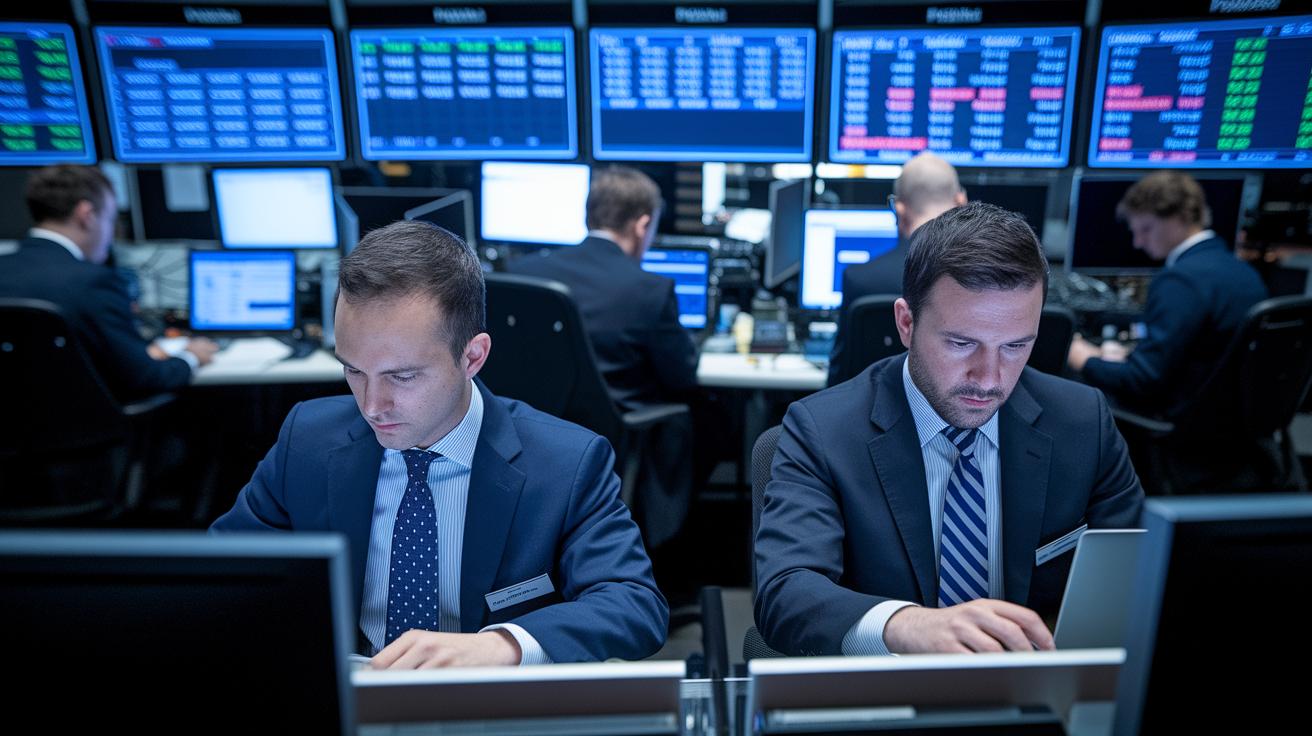
Markets around the world are now more connected as old barriers like strict capital rules and trade limitations have disappeared. Suddenly, investors can explore opportunities from almost anywhere. Imagine signing in at home and instantly checking out markets halfway around the globe, it really feels like having a global trading room within easy reach. Major exchanges have joined forces to share live data, which not only improves liquidity (that is, how quickly and easily assets can be turned into cash) but also creates a space where different investment ideas can grow and trust can deepen among investors.
The change in international trade methods has turned once-isolated markets into closely linked networks. By connecting the systems of different exchanges, we see geographical gaps shrinking as financial centers work more in tune with each other. This global blend makes markets work more efficiently and helps even smaller investors get in on big trends. With easier access to global investments, everyone benefits from clearer, more transparent trading conditions and a boost in liquidity.
Evolution of Equity Markets: Dynamic Growth
Program trading and quantitative strategies changed the way trades happen. Traders no longer lean only on gut feelings; they now use computer models that can process huge amounts of data in seconds. In simple terms, these methods use numbers to make decisions, letting computers handle the heavy work. For example, a trader might set a model to flag when a stock reaches a certain price, so action happens much faster than before.
High-frequency order execution has sped up market moves even more. Automated systems now let trades happen in fractions of a second. They replaced the old days of phone calls and hand signals on the trading floor, making everything quicker and clearer. Imagine orders zipping around so fast that each one triggers its own rapid, automated response. It's a big leap from slower, manual methods.
The latest change comes with AI-driven models and large-scale data analysis. Today's smart platforms sift through massive data sets to catch small trends that might be missed otherwise. These tools help traders adjust their strategies and positions in real time. Picture having an assistant that never rests, constantly looking for chances and risks hidden in the crowd. This cutting-edge approach deepens our market insights and paves the way for a more agile, data-driven trading world.
Trading Transformation Timeline in the Evolution of Equity Markets

Equity markets go through ups and downs, much like the steady beat of a heart. Sometimes, investor confidence soars, while other times, a sudden dip forces everyone to rethink their strategies. The Dow Jones and S&P 500 act like a diary, showing the mood swings of the market. Each cycle, whether sparked by a bubble or a big shock, has led to new ideas and changes that help us grow stronger for the long haul.
Consider a few major turning points:
- 1929 crash: A deep market drop that rattled global confidence and brought sweeping financial reforms.
- 1971 NASDAQ debut: The start of electronic trading, which sped up market operations with new technology.
- 1987 Black Monday: A day of fast sell-offs that exposed weak spots in the market, prompting changes in how trading is done.
- 2000 tech bubble: A collapse in tech stocks that showed how risky over-hyped investments can be.
- 2008 financial crisis: A major financial meltdown that highlighted the need for tighter rules in the financial world.
- Post-crisis recovery: A steady journey back to trust, supported by stronger regulations and a focus on rebuilding.
These events show how each market shake-up has led to valuable improvements. By riding through times of high uncertainty, the market has learned to upgrade its systems, adopt new technologies, and put better rules in place. It's a story of challenges driving growth and innovation, helping us navigate the sometimes wild world of investing.
Final Words
In the action of uncovering centuries of progress, we've traced the shift from early share issuance and open-outcry floors to today’s automated trading. We looked at key milestones, regulatory reforms, global integration, and technological leaps that reshaped market practices. Each stage built a stronger framework for risk management and market responsiveness. This article reminds us that the evolution of equity markets is a continuous process, one that keeps investors ready for tomorrow’s opportunities with optimism and smart strategies.
FAQ
How did the stock market evolve over time?
The evolution of the stock market began with early commodity exchanges in medieval times, moved through milestones like the Amsterdam Stock Exchange in 1611 and the Buttonwood Agreement, and advanced into today’s computerized trading systems.
What are the types of equity markets?
The types of equity markets include primary markets, where companies issue new shares, and secondary markets, where investors buy and sell existing stocks for ongoing trading and liquidity.
What is an equity market PDF?
An equity market PDF is a downloadable document that outlines key concepts, historical milestones, and data on equity trading, making it a quick reference for both beginners and seasoned investors.
What was the first stock market in the world?
The first stock market is widely credited to the Amsterdam Stock Exchange, which opened in 1611 and paved the way for public trading of company shares, setting foundational standards for modern trading.
What is the importance of the equity market?
The importance of the equity market lies in its ability to help companies raise capital for growth and innovation, while offering investors opportunities to gain ownership and share in corporate success.
Can you provide an equity market example?
An equity market example is when a company sells shares on a stock exchange, allowing investors to purchase ownership stakes. This process helps firms secure funding and lets investors potentially profit from the company’s development.
How does the equity market differ from the stock market?
The equity market focuses on shares of companies, a concept that is often interchangeable with the stock market. In essence, both refer to platforms where trading in company ownership and related transactions occur.
What is an example of equity trading?
An example of equity trading is when an investor buys shares of a company on an organized exchange. This simple transaction illustrates the direct exchange of company ownership with potential for gains and losses.
What is the 7% rule in stock trading?
The 7% rule in stock trading means traders often aim for roughly a 7% return on their investments. This benchmark assists in managing expectations and evaluating the risk and reward of a trade.
Who owns 88% of the stock market?
The statement that 88% of the stock market is owned refers to the significant control exercised by institutional investors and large funds, highlighting how major players often dominate market shares over individual investors.
What are the 4 stages of the stock market?
The 4 stages of the stock market include accumulation, markup, distribution, and markdown. These phases help traders assess market trends and changes in investor sentiment over time.