
Have you ever noticed a price that feels like it was set just for you? It’s like getting a custom-made suit where each tag is matched to how much you’re willing to pay. That’s the idea behind first degree price discrimination.
Companies now use smart data tools to adjust prices on the fly. Each sale becomes a quick lesson in value, showing us how market shifts affect what things cost. This post will break it down in plain language, so you can see how these strategies boost earnings and clear up the mystery of value in the market.
Overview of First Degree Price Discrimination
First degree price discrimination is when sellers charge each customer the highest price they’re willing to pay. It’s like tailoring a suit just for you – the seller matches the price to what you value the product at. Companies use smart tools like data analytics and even machine learning to figure out, in the blink of an eye, how much a person might spend. Imagine browsing your favorite online store and finding a price picked just for you based on your past visits and purchases. This clever trick works best in markets where companies can set prices without too much competition.
Unlike a one-size-fits-all approach where everyone pays the same price, this method changes the cost based on each person’s unique value. In simple terms, by matching the price to what each buyer is willing to pay, businesses can grab extra revenue that would otherwise be lost. With uniform pricing, some people might pay less than they could have, while others might back off if it seems too expensive. When prices fit perfectly for every customer, companies can not only make more money but also see more sales. Have you ever heard that some tech companies tried personalized pricing and ended up keeping more customers while boosting revenue? It’s a clear sign that this approach turns pricing into a precise and powerful tool.
Economic Conditions for First Degree Price Discrimination
Firms that pull off this pricing trick are like market leaders. They set their own prices instead of being forced to stick with one fixed rate. In plain language, they control enough of their market to tailor prices to what each customer is willing to pay.
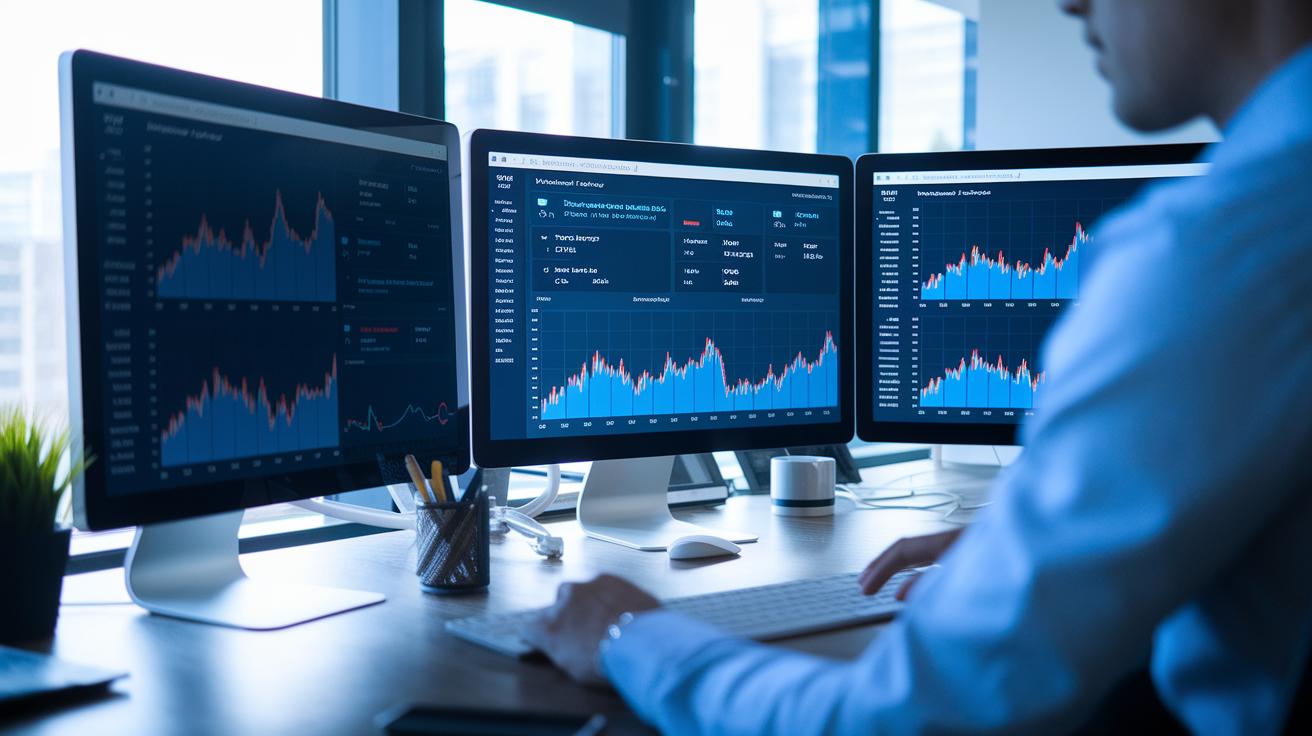
A big part of this strategy is having great data. Companies invest in strong data collection and smart analytics to get a clear picture of consumer behavior. They use dynamic pricing technology that updates prices in real time, much like adjusting a recipe on the fly. This helps them fine-tune prices for every customer and avoid the missed chances that a one-price-for-all approach might cause.
Think about how travel companies handle fare changes. Airlines and train operators often adjust ticket prices at the last minute to fill remaining seats. They rely on flexible pricing tools that set fares based on current demand. This real-world example shows how the right mix of detailed data and market control lets a business charge just the right price for each customer, boosting revenue and streamlining operations.
Profit Maximization Under First Degree Price Discrimination
Imagine a world where each customer pays exactly what they’re willing to pay, nothing more, nothing less. In perfect price discrimination, companies dig into individual data to set a unique price for every buyer. They adjust prices so the extra money from selling one more unit exactly covers the extra cost of making that unit. It’s like a chef adding just the right spice to match each diner’s taste.
The trick here is the simple idea that marginal revenue (the extra cash from one more sale) has to match marginal cost (the extra cost to produce that unit). Because prices are custom-fit to each customer, companies can eke out every bit of profit without leaving any bonus value with the buyer. Unlike when one flat price is set for everyone, sometimes leaving some customers out, this tailored approach means more people can buy, and businesses often produce more. In doing so, overall revenue gets a nice boost.
Insert a diagram here that shows the differences between demand (D), marginal revenue (MR), and marginal cost (MC) when comparing a single price with personalized pricing. Picture a graph where the MR line for personalized pricing hugs the demand curve closely, while the uniform pricing chart shows a gap that represents lost opportunity. This side-by-side look really drives home how custom pricing turns untapped potential into real profit.
Welfare Implications of First Degree Price Discrimination

In perfect price discrimination, every extra bit of value a buyer sees in a product goes straight to the seller. Think of it this way: if you’re ready to pay a little more, the seller gets that extra amount. This means that any extra benefit or surplus you might have enjoyed gets taken away, so there’s no leftover gain for you.
Because prices match exactly what each customer is willing to pay, companies can actually sell more products compared to using one fixed price for everyone. With this method, sellers capture every bit of value, which encourages them to serve even more customers. This extra production not only increases revenue but can also help cover high fixed costs, keeping the business healthy. Sounds a bit like having a tailor-made deal for every buyer, doesn’t it?
Take train fares as an example. During off-peak hours, lower ticket prices bring in more passengers, which boosts overall sales. Then, when demand is high during busy times, higher fares help balance things out. This mix of pricing strategies supports steady service and shifts the overall benefits to the seller while still keeping the system running efficiently.
Legal and Ethical Considerations in First Degree Price Discrimination
Companies follow strict legal rules when they set individual prices for each customer. They must stick to laws like the US Robinson-Patman Act and EU competition laws, which are in place to keep the market fair. In simple terms, firms can't use personal data just to undercut competitors and gain too much power.
Data privacy is another big concern with personalized pricing. When businesses collect personal valuation data, they gather details about our buying habits and likes. It makes you wonder who really controls this information and how safe it is. Companies need to protect your data just like you’d guard a secret.
Then there’s the issue of fairness. Charging each customer a unique price might feel off if you end up paying more for the same product. It can create a sense of unequal treatment, even if the practice is legal and makes economic sense. So, companies have to find a balance between boosting revenue and treating everyone fairly.
Case Studies: Real World Examples of First Degree Price Discrimination

Transportation companies often set different fares for peak and off-peak times. For example, a train service might charge more during busy rush hours and offer lower prices during quiet periods. This helps them get the best value from every customer while also encouraging travel when it’s less crowded.
Universities and local transit groups sometimes join forces to offer student discounts. Because students usually have smaller budgets, this pricing move makes sure that even those with limited funds can use essential services. It turns a simple discount into a thoughtful strategy that fits individual budgets.
Airlines use smart pricing by lowering the cost of last-minute tickets. As departure time nears, any unsold seats may be offered at a lower rate based on current demand. This method not only fills empty seats but also helps the airline earn a bit more on each flight.
E-commerce sites have taken pricing to the next level with advanced computer techniques. They study a visitor’s browsing habits, past purchases, and other factors to set a unique price for each person. This means the price you see is closely matched to what you’re willing to spend, which can boost sales and improve conversion rates.
| Industry | Technique | Outcome |
|---|---|---|
| Transportation | Peak & Off-Peak Fare Structure | Higher earnings and better capacity use |
| Education/Transit | Student Discounts | Better access for budget-minded customers |
| Airlines | Last-Minute Price Adjustments | Increased seat fill and extra revenue |
| E-commerce | Personalized Pricing with Machine Learning | More sales and higher conversion rates |
Comparative Analysis: First Degree vs Second and Third Degree Price Discrimination
First degree pricing charges each buyer exactly what they can spend, like having a suit custom-made just for you. Meanwhile, second degree pricing gives customers several options, they can choose different versions or discounts based on how much they buy, much like picking between a small or large meal at your favorite diner. Third degree pricing, on the other hand, groups buyers into segments (say, students or seniors) and sets a fixed rate for everyone in that group.
Each method brings its own set of benefits and challenges. First degree pricing aims to capture every bit of extra value from the buyer, boosting profits when done perfectly. However, the other techniques, while simpler, might leave some money on the table because they use broader pricing strategies.
- First degree pricing tailors each sale individually, whereas second and third degree rely on preset options or group rates.
- It uses detailed personal data, unlike the other methods that work with more general information.
- First degree pricing often extracts more consumer surplus, offering a higher revenue potential compared to the other techniques.
Final Words
In the action, we explored first degree price discrimination, breaking down its role in capturing consumer surplus through personalized pricing. We touched on market requirements, smart data use, and profit maximization, while also weighing welfare effects and legal considerations.
We rounded out our discussion with real-world illustrations and comparisons to other pricing strategies. These insights offer a clear picture of how this model can impact revenue and consumer experiences. Stay positive and keep sharpening your financial strategy.
FAQ
What is first degree price discrimination in economics?
The first degree price discrimination in economics means a seller charges each buyer their maximum willingness to pay, capturing all consumer surplus by tailoring pricing to individual demand.
What is an example of first degree price discrimination?
An example is when a seller uses detailed customer data to set unique prices, ensuring each buyer pays exactly what they are willing to pay and leaving no extra surplus.
How is first degree price discrimination represented in a diagram?
The diagram displays a downward-sloping demand curve where each transaction’s marginal revenue meets the marginal cost, illustrating that individual pricing extracts the full consumer surplus.
What is second degree price discrimination?
Second degree price discrimination offers different pricing menus based on quantities or product versions, allowing buyers to choose the option that best fits their spending levels.
What is third degree price discrimination?
Third degree price discrimination involves charging different uniform prices to clearly defined consumer groups, like students or seniors, based on the typical purchasing power of each group.
What is 1st, 2nd, and 3rd degree price discrimination?
These pricing methods differ in approach: first degree prices by individual readiness to pay, second degree offers self-selection through menus, and third degree sets group-based uniform prices.
What are common price discrimination examples in practice?
Common examples include airlines adjusting fares, movie theaters offering student discounts, and retailers using dynamic pricing strategies to match various consumer spending capacities.
Is first degree price discrimination illegal?
First degree price discrimination is generally legal when applied in markets with adequate competition and in compliance with antitrust and consumer protection laws.