
Have you ever wondered if the right forex trading tools can really give you a boost? Imagine having a friend by your side, offering live signals, clear charts, and timely alerts that help simplify those tough calls. These tools pull in key market data so you can quickly see how things are moving.
In this post, we chat about the different types of trading tools and explain how they work together to sharpen your strategy and improve your timing.
Core Forex Trading Tools Overview
Forex trading tools are like having a friendly guide when you’re navigating the busy world of currency markets. They offer live market charts, real-time price alerts, and a dashboard that you can make your own, all to help you understand what’s happening, right away. Think of it as getting a clear snapshot of today’s market pulse, so you know exactly when to step in or hold back.
These tools pull together important data and display it in ways that are easy to grasp. For example, you might get an alert right when the market shifts, just like a friend giving you a heads-up so you don’t miss a good move.
There are seven main groups of these tools. First, fundamental analysis tools include things like economic calendars, news feeds, and alerts from central banks. These help you catch big economic changes by showing events that may shift market trends. Second, technical analysis tools use candlestick charts, moving averages, oscillators, and support/resistance levels. They help pinpoint the best times to enter or exit a trade by showing visual cues on price changes.
Next up are trading platforms like MT4, MT5, cTrader, and NinjaTrader, which offer easy-to-use interfaces and automation to simplify your trading. Fourth, algorithmic trading tools such as Expert Advisors, forex robots, and custom coding in languages like MQL4 or Python help you trade automatically, so you can trust that your strategy is being followed even when you're off the clock. Fifth, risk management calculators help set stop-loss and take-profit levels, decide on position sizes, and balance risk versus reward, making sure your capital is protected. The sixth group, economic news services, keeps you updated with real-time market commentary. Finally, performance analysis tools let you review your past trades, so you can tweak and improve your future strategies.
Each of these tool groups plays an important role. Fundamental tools show you the big picture, while technical tools fine-tune your entry and exit points. Trading platforms and algorithmic tools simplify trading, and risk calculators keep your money safe. All these elements blend together into one smooth, well-integrated system that helps turn smart ideas into steady trades.
Essential Fundamental Forex Trading Tools
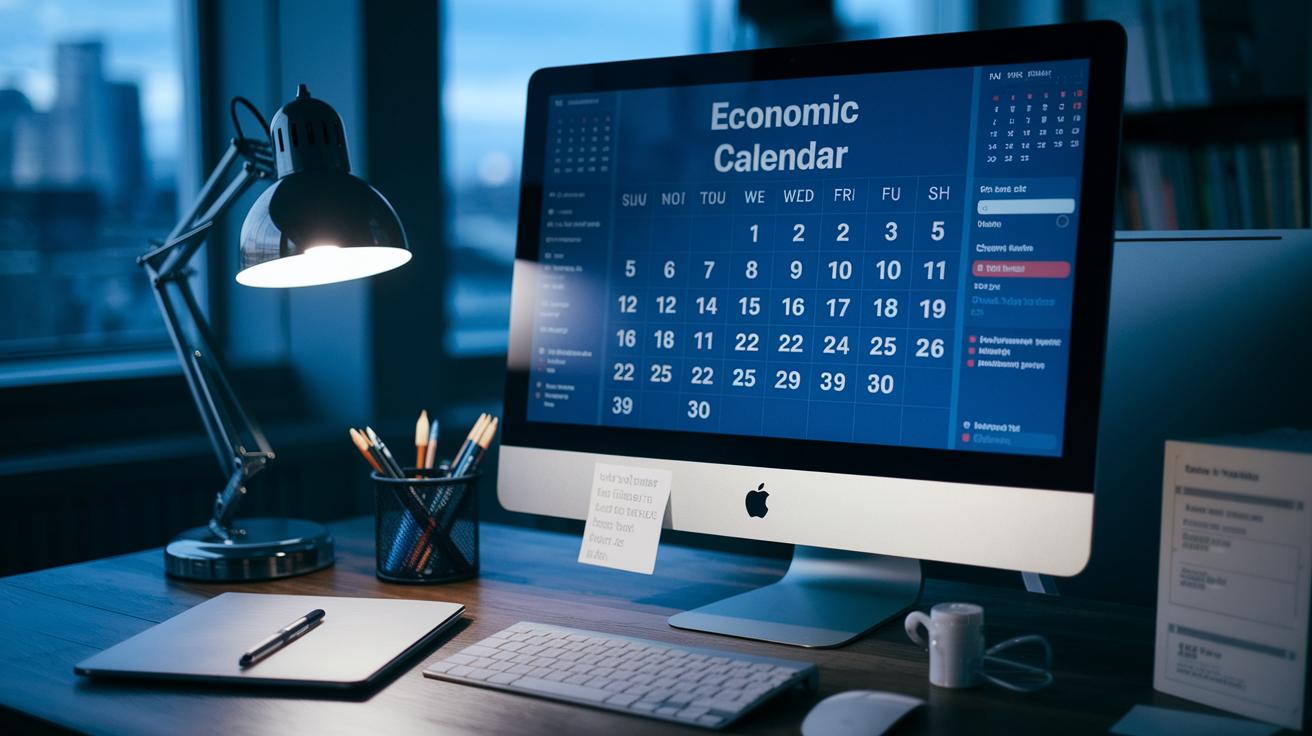
Tracking key economic events is a big deal because they help explain why prices jump and the market shifts. It’s like getting a sneak peek into what’s really going on so you can plan your trades with care.
• Economic calendar widget – This neat tool shows exact times for releases like job numbers, inflation, GDP, and central bank meetings. Think of it as your personal event roadmap.
• Real-time news ticker – With this feed, you get instant updates on economic and political news, so you always know how market feelings might be changing.
• Economic event notifier – This alert system gives you a timely heads-up on policy changes and central bank moves, making sure you never miss a key market signal.
When you bring these tools into your trade planning, you’re setting up a proactive strategy. Imagine blending the details from an economic calendar with live news updates and handy alerts on policy shifts, it turns raw data into useful, actionable insights. For example, if a central bank is about to share important news, you can adjust your positions before the rush, instead of playing catch-up. Spending a little extra time to check out market news today can really enhance your overall trading game.
Technical Analysis Forex Tools and Indicators Guide
Chart reading turns heaps of market numbers into easy-to-see patterns, so you can quickly get a feel for what the market is doing. These tools let you spot trends, pick smart entry points, and time your exits by turning tricky numbers into pictures that make sense.
| Tool | Function |
|---|---|
| Candlestick Charts | Shows how prices move over time, giving a peek into the mood of the market |
| Moving Averages | Smooths out the bumpiness in price data to show the real trend |
| RSI | Checks market momentum by weighing gains versus losses, spotting if a market might be too excited or too tired |
| Ichimoku Cloud | Highlights key levels where prices might bounce or fall and shows which way the trend is headed |
There’s also a few more cool helpers out there:
- Stochastic Oscillator – Looks at recent closing prices compared to the range over time to see when momentum might be shifting.
- RSI Oscillator – Watches how fast prices move up or down, hinting at possible reversals.
- Horizontal Support Finder – Spots price levels where buyers are likely to step in and push the price up.
- Vertical Resistance Finder – Finds areas where selling might ramp up, stopping a price rise.
Bringing these tools together gives you a fuller picture of how the market is moving. For instance, using candlestick charts with moving averages can clear up which way the trend is leaning, while oscillators add a bit more detail about wind changes in market energy. By mixing and matching these techniques, you cut through the usual noise and feel more confident before committing to a trade. Think of it like assembling a balanced meal, each part adds flavor and nutrition to your overall strategy.
Automated Forex Trading Tools & Platforms

Automated tools in forex trading handle orders on your behalf using rules you set up. This means you can sit back and watch the market without following every little change.
- MT4 uses Expert Advisors that rely on past patterns to make trades.
- MT5 offers a wider range of instruments and automates the order process.
- cTrader applies ECN execution to fill your orders quickly and efficiently.
- NinjaTrader features smart charts and lets you add your own custom scripts to shape your strategy.
These platforms now come with robust automation features that make trading easier. You can adjust your strategy using simple scripting languages like MQL4 or Python. Think of it as fine-tuning a family recipe, you tweak it just the way you like. Plus, you can test your plans in a simulated environment before going live, which helps lower risk while keeping your focus on overall market moves as the software handles execution in real time.
forex trading tools: Empower Your Trading Edge
Risk control is key when you're trading. Even a small mistake can really hit your capital hard. That’s why using clear, easy-to-understand risk management tools matters. These tools help you set limits, avoid huge losses, and keep your approach balanced in a market where prices can change in a flash.
- Pip value calculator – This handy tool shows you the cash value of each pip, so you see exactly how a price move impacts your money.
- Lot size tool – It figures out the right trade size for you based on your comfort level with risk and your current account balance.
- Position sizing estimator – This calculator tells you how many lots or units to trade so you stay within a safe risk zone.
- Risk reward ratio tester – It weighs up the potential gain against the possible loss, helping you plan trades that are worth the risk.
- Value at risk calculator – Using techniques like Monte Carlo simulation, it gives you an idea of how much you might lose in the worst-case scenario.
By putting these calculators into your trading plan, you create a solid framework for managing risk. You set up each trade carefully with the pip value and lot size tools, then use the position sizing estimator to decide how much to commit. Next, the risk reward ratio tester ensures every trade has a smart balance between risk and reward. Finally, the value at risk calculator offers a backup by projecting potential losses. Together, these tools boost your confidence, keep your capital secure, and sharpen your overall trading strategy.
Forex Trading News & Market Sentiment Tools

Tracking market sentiment is essential because it shows you the market's overall mood and helps you notice when trading energy changes. When you get a feel for these emotions, you can quickly tweak your strategy with confidence. And in a fast-moving market, that timing is everything.
Here are a few tools to keep on your radar:
- Economic calendar: Lists soon-to-occur events and data releases that might prompt price shifts.
- News portal: Delivers fast updates and expert insights on global financial happenings.
- Forex heatmap: Uses visuals to mark the strongest and weakest currencies, making trends easier to spot.
- Currency strength meter: Gauges how powerful each currency is to help you find potential opportunities.
Using these tools lets you match real-time news with the market sentiment, giving you a well-rounded view of current conditions. Mixing live market updates with clear visual signals helps you act quickly and make smart decisions. This approach gives your trading strategy a real edge.
Forex Trade Analysis & Performance Tracking Tools
Keeping a trade journal is one of the smartest moves you can make when learning from every trade. It helps you see what works and what could use a little adjustment. Tools like MyFxBook, Edgewonk, and Tradervue offer clear, everyday insights to help fine-tune your strategy over time.
MyFxBook collects detailed numbers about your trades to show how you're performing.
Edgewonk looks at your trading behavior to spot ways you might improve.
Tradervue gives you a full history of your trades with easy-to-understand journaling tools.
Backtesting platforms let you check past market data to see how your ideas would have worked before.
Interactive trade simulators let you practice trading in a safe, pretend setting.
Using backtesting platforms and simulators means you can rely on past market trends and practice without any real risk. When you mix the lessons from your journal with solid testing results, you can tweak your live strategies with more confidence. It’s like building a strong base in trading by knowing your strengths and weaknesses, so you can make smarter choices when it really counts.
Choosing & Integrating Forex Trading Tools into Your Strategy
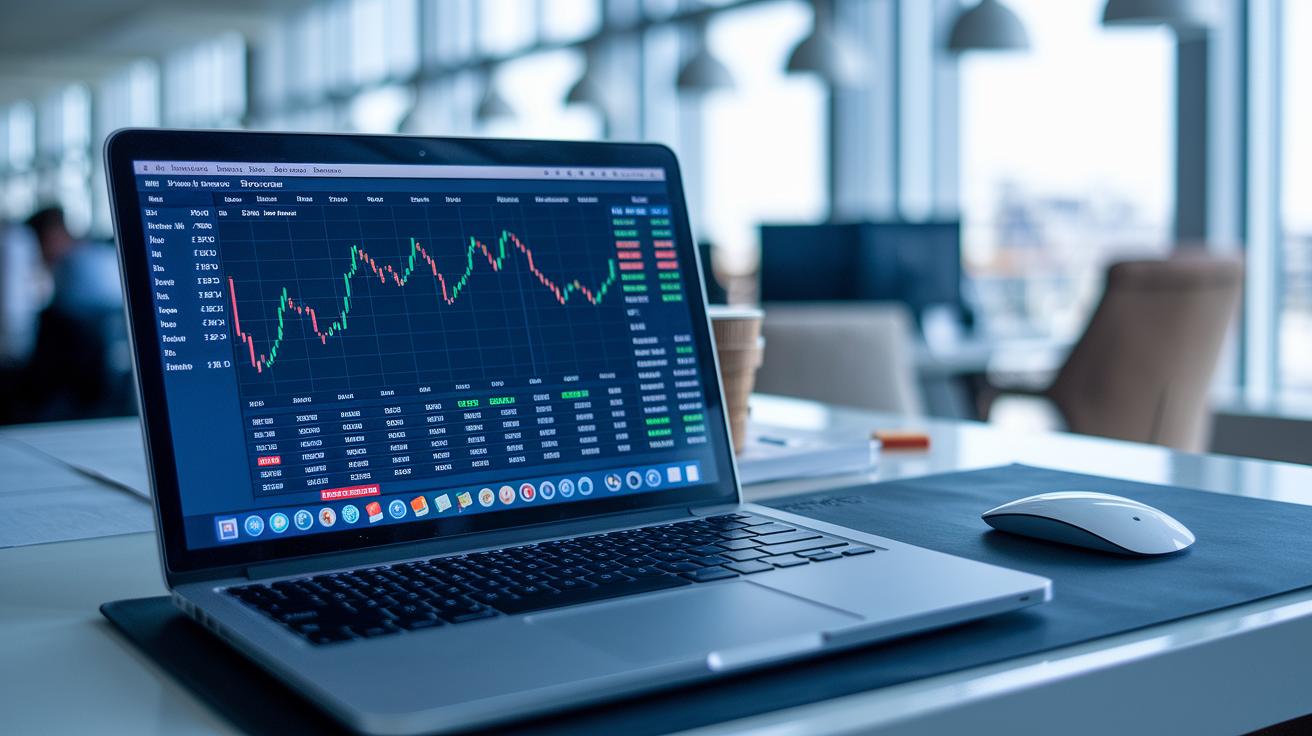
Picking the right forex trading tools starts with knowing what you need. First, decide on clear goals that match your style. You want tools that are simple, trustworthy, and won't break the bank. That means looking for easy navigation, accurate and up-to-date data, and a pricing plan that fits your budget.
Some things to check include:
| Factor | Why It Matters |
|---|---|
| Ease of use | They should help you act fast when market shifts occur. |
| Data accuracy | You need reliable, current information to make good calls. |
| Pricing model | Affordable tools let you keep control without extra stress. |
Imagine how your trading day could change if all your alerts, charts, and calculators were on one screen. A customizable, all-in-one dashboard gives you a real-time look at the market without all the hassle. With everything synced, you can spot trends faster, tweak your strategy on the fly, and keep your key numbers right where you need them.
When your tools work together seamlessly, you’ll spend less time jumping between platforms and more time honing your strategy. Plus, blending live updates with performance dashboards not only streamlines your routine, it builds real confidence in every trade you make.
Final Words
In the action, we broke down the essential forex trading tools from fundamental and technical to automated systems and risk calculators. We detailed how each category, from live market charts and real-time price alerts to performance trackers and streamlined dashboards, work together to boost your strategy. These forex trading tools form a solid base for managing risk while keeping you updated with market news. Keep experimenting with your setup and stay positive as you fine-tune your investment edge.
FAQ
What are forex trading tools software?
Forex trading tools software refers to programs that help traders analyze charts, get real-time price alerts, and manage risk. These tools support informed decision-making in the fast-paced market.
What free forex trading tools are available and how can you download them?
Free forex trading tools include basic charting software, economic calendars, and risk management calculators. Many platforms offer free downloads from their websites so traders can try useful tools without upfront costs.
What forex trading tools are best for beginners?
Forex trading tools for beginners often feature user-friendly charting platforms, simple economic calendars, and risk calculators. These tools help new traders learn market basics and build a foundation in trading.
What is a forex trading tools PDF?
A forex trading tools PDF is a downloadable guide that explains key trading tools, charts, and strategies. It is designed as a handy reference for both beginners and experienced traders.
Which forex trading tools are considered the best?
The best forex trading tools provide real-time market data, customizable dashboards, advanced technical indicators, and risk management calculators. They enable traders to develop precise strategies and execute trades with confidence.
What is Forex Factory?
Forex Factory is a popular website offering an economic calendar, news feeds, and market sentiment tools. It keeps traders informed about economic events that impact currency prices.
What are forex analysis tools?
Forex analysis tools include technical indicators and fundamental resources such as charts, moving averages, and economic news feeds. They help traders understand market trends and predict future price movements.
Is $100 enough for forex?
A $100 account can be enough to begin trading, but careful risk management is crucial. Smaller accounts demand strict trade sizing and leverage control to manage both potential gains and losses.
How much can you make with $1000 in forex per day?
Daily earnings with a $1000 account vary widely based on market conditions and individual strategy. There’s no fixed amount, so disciplined risk management and realistic expectations are key.
What is the 5 3 1 rule in forex?
The 5 3 1 rule in forex is a guideline that sets specific risk levels for trade management. It helps structure trades by suggesting clear risk, stop-loss, and target profit parameters for consistent execution.
What is the 90% rule in forex?
The 90% rule in forex highlights that most retail traders experience losses over time. It serves as a reminder to use disciplined strategies and effective risk management to improve trading outcomes.
What are Myfxbook, FXStreet, and DailyFX?
Myfxbook provides automated account analysis, FXStreet offers real-time charts and news, and DailyFX delivers market updates and strategies. Together, they form valuable tools for market analysis and trading insights.
What are IC Markets, Pepperstone, and eToro?
IC Markets and Pepperstone are forex brokers known for fast execution and competitive spreads, while eToro is a social trading platform that lets traders copy strategies. Each platform caters to different trading styles and needs.