
Have you ever wondered if making a small change in your daily savings might lead to big gains over time? The stock market is moving in unexpected ways. Instead of dramatic policy shifts, tiny tweaks in how people invest are creating real differences. Experts now say U.S. stocks are gradually pulling ahead of bonds, and they believe steady, smart investing might help grow your wealth in the long run. With new technology and careful planning becoming more common, our financial future might be brighter than we think. In this post, we break down the key trends that are shaping an encouraging outlook for the stock market.
Key Projections for the Future of Equity Markets
On February 19, 2025, analysts noticed that how the market works today is very different from before. Instead of big policy changes, it's the little shifts in how people invest that are making the difference. Think about it: even a tiny change in yearly returns can add up over time, just like saving a few extra dollars each day can really boost your savings.
Schwab Asset Management believes that U.S. stocks might just edge out bonds over the next ten years. Now, you might wonder about the extra reward investors usually get, what we call the equity risk premium, which is like a bonus for picking stocks instead of safer bets. Nowadays, that bonus is a bit smaller, but the overall picture still looks promising.
Right now, bonds are still attractive because higher interest rates are giving them a nice boost. Even though some recent highs have mellowed a bit with new Federal Reserve moves, bonds continue to draw interest. Many investors keep an eye on the S&P 500 since it often shows how the market is really doing. At times, the index may only grow by one-digit percentages, leaving some to question if certain market sectors are getting too expensive.
Experts are saying it’s smarter to watch steady investment habits than to try predicting political surprises or big economic shifts. Worldwide share trends and careful, long-term planning could open up new ways to adjust your portfolio. Did you know that even a 0.5% difference in annual returns can really change your portfolio over a decade? Keeping track of these small shifts is key when making investment decisions.
All these insights remind us that a smart strategy paired with steady market trends can set the stage for a bright future in the equity markets.
Tech Disruption Shaping the Future of Equity Markets
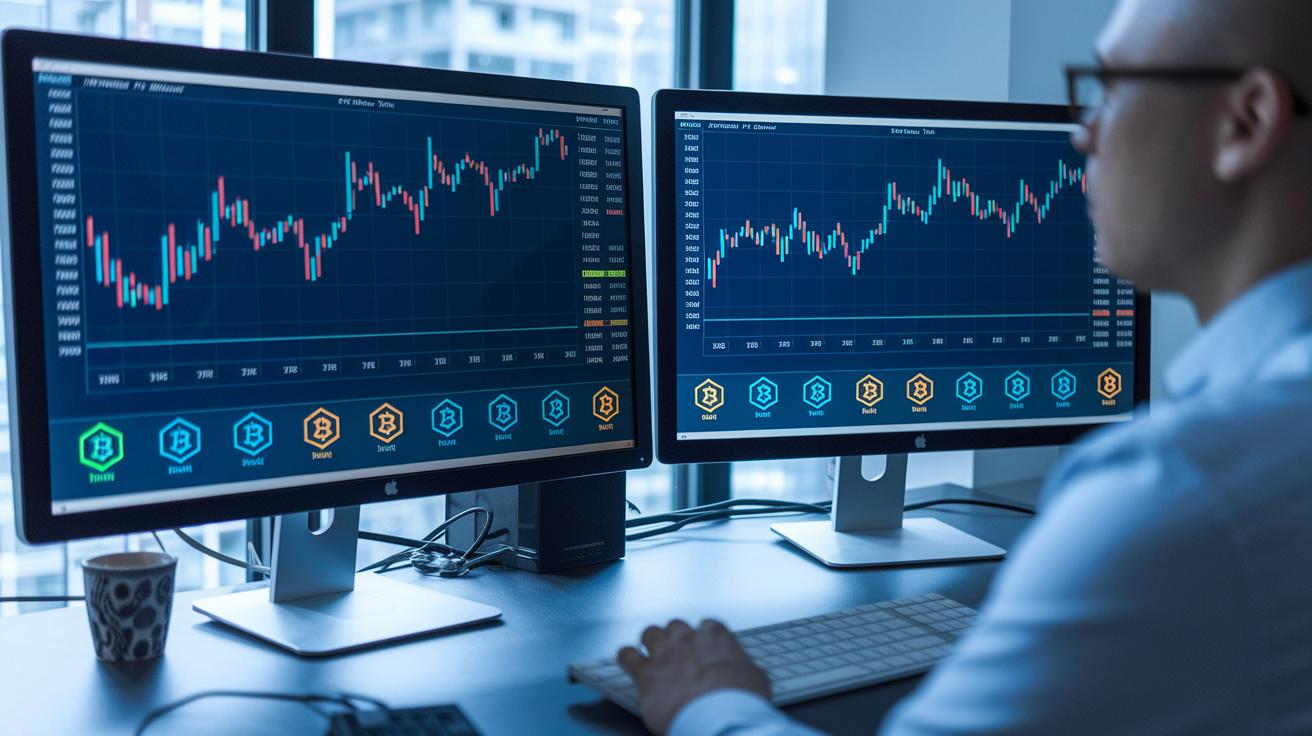
Big names like Morgan Stanley and Schwab are changing the game in trading by using new tech tools. Think about platforms such as thinkorswim and Schwab Intelligent Portfolios®, they help investors handle market ups and downs right when they happen. Before digital tools took over, trades were done over the phone, which often meant costly delays.
Artificial intelligence and machine learning (fancy computer systems that spot trends by crunching huge amounts of data) are now key players in picking stocks, assessing risks, and reading market sentiment. They uncover hidden patterns that you might easily miss just by looking at a chart.
Algorithmic and high-frequency trading have grown to make up a big part of daily trading volume. They boost the speed of trade execution and help smooth out how cash flows through the market. It’s like watching a finely tuned machine at work!
Firms are also harnessing advanced data analytics through big data and cloud computing to generate insights in real time. This allows even the smallest market shifts to be detected early, so traders can adjust quickly with more tailored valuation models.
Early tests with blockchain for post-trade settlement hint at a future where the clearing process is both faster and more secure. All these digital platforms, smart AI tools, and deep data insights are reshaping equity markets, paving the way for smarter and more efficient trading.
Regulatory Reforms Influencing Future Equity Market Dynamics
Policy changes in tax reform, immigration, tariffs, and deregulation are shaking up the market. You can almost feel the uncertainty as asset prices start to react. It's like someone changing the rules of a game, you have to think on your feet to keep up. Did you know that when new measures kicked in, market surveillance picked up changes in trading speeds almost right away?
Regulators are taking proactive steps by using smart tech tools that watch trades in real time. These tools help catch any potential problems early and back up policies meant to protect investors. Think of it like having a security camera in your store that alerts you when something seems off.
New trading standards are also on the horizon. With more transparency requirements and updated systems on exchanges, like adjustments to dark pools and minimum tick sizes, the aim is to cut out shady practices and keep global capital trends steady.
On top of that, cross-border funding is getting a closer look. Efforts to harmonize rules among major exchanges and clearinghouses are helping create a fair playing field, so investors are just as protected even as policies change quickly.
future of equity markets: Bright Outlook Ahead

Retail investors have clearly stepped into the spotlight. Thanks to affordable digital brokerage platforms, getting into U.S. and global stocks is now as easy as checking your favorite social media feed. Imagine signing up on a platform that feels as smooth as your daily scroll.
Today's investors are not just sticking with the same old stock picks. They've started exploring fresh, alternative assets to mix up their portfolios. There’s a growing buzz around private equity, digital assets, and tokenized securities, each offering a new way to build a well-rounded investment plan. Plus, sustainable and ESG funds are drawing record interest, showing a clear trend toward values-driven, long-term strategies. Think of it like switching your regular meal for a tasty, plant-based alternative that offers new benefits.
DeFi protocols are also shaking things up. They’re testing new models for issuing and settling trades that could lead to unique asset classes with higher yield potential. This shift is opening more doors for everyone. In truth, retail investors now have access to opportunities that were once reserved for big institutions, leveling the playing field for all.
- Digital assets and tokenized equity offerings
- ESG-branded and thematic ETFs
- Private markets and direct listings
- Specialty assets like art, collectibles, and real estate tokens
- Fractional share platforms broadening access
- DeFi-enabled investment vehicles
Innovative platforms are bridging the gap between traditional markets and emerging ones. As investor behavior continues to evolve, these fresh avenues offer new opportunities that expand access and redefine what’s possible in our equity markets.
Risk Management Strategies for Future Equity Market Resilience
High geopolitical tensions, rising U.S. debt, and uncertain policies like new tax or tariff ideas have stirred up the market. Investors often feel this change like a sudden, strong gust that shakes a calm sail. Today’s risk management relies on checking market ups and downs. Tools such as implied volatility surfaces (which give a snapshot of expected market moves) and stress tests (which simulate tough market scenarios) help traders understand potential losses. For example, just yesterday, a 2% market dip showed how vital real-time risk checks can be.
Dynamic asset allocation is now a lifeline in these changing times. Portfolio managers adjust investments using flexible strategies as liquidity and interest rate effects shift. This modern approach focuses on a safety margin and uses adjustable rebalancing methods to keep portfolios steady, even when extra rewards from stocks are low. Another key is diversification, mixing traditional stocks with alternative trading systems and assets that don’t move together, to spread risk.
- Modern risk management methods
- Volatility assessment techniques
- Dynamic asset allocation strategies
- Future portfolio management tools
Together, these ideas build portfolios that are ready for both expected trends and sudden surprises, helping investors stay on course even when the future seems uncertain.
ESG and Sustainable Finance Trends in Future Equity Markets

Big names like Morgan Stanley are now weaving ESG criteria into everything they do, from research to risk checks and product building. This move toward sustainability is changing the whole market vibe as old profit-only methods make space for strategies that care about our planet and people. Even everyday traders are catching on to ideas like green bonds and carbon-neutral indexes. One analyst even said integrating climate risk into valuations adds a thoughtful, resilient twist to our investments.
At the same time, checking climate risks and using sustainability scores are now normal parts of how we value stocks. Regulators are also stepping up by pushing policies that ask for clear ESG disclosures and smarter frameworks. These changes are like a breath of fresh air, boosting transparency and guiding capital toward greener investments over the long haul.
Today’s finance world is all about mixing ethics with returns. Managers are rethinking their portfolios to match eco-friendly trends, showing that these sustainable practices aren’t just a fad, they’re setting a new course for what investing really means.
Final Words
In the action, we explored key projections, technology-driven trading shifts, and regulatory reforms that are shaping current market patterns. We also looked at changing investor behavior, innovative risk management practices, and sustainable finance trends, all crucial for understanding the future of equity markets. The article broke down how these elements work together to create a dynamic environment where small moves can lead to big results. Stay optimistic and informed as you watch these market changes in real time.
FAQ
What do future of equity markets predictions and projections for 2025 indicate?
Future equity market predictions suggest evolving conditions driven by technological advances, regulatory updates, and shifting investor behavior. Market resilience combined with digital innovations may lead to moderate gains as key sectors adjust.
How are stock market predictions for the next 5 years expected to shape trends?
Stock market predictions for the next 5 years focus on gradual growth influenced by changing interest rate trends, a narrow equity risk premium, and steady investor habits that favor long-term strategies.
What does the stock market forecast for the next 6 months reveal?
The stock market forecast for the next 6 months points to short-term volatility driven by elevated rates and rapid tech changes, though key sectors may still see moderate gains amid adaptive trading strategies.
What are the expected stock market returns over the next 10 years?
Expected stock market returns for the next 10 years may show slow yet steady growth, as consistent investor behavior, evolving technologies, and dynamic portfolio strategies work together to support gradual compound gains.
What is predicted about the next stock market crash?
The next stock market crash prediction remains uncertain. Although improved risk management and regulatory measures might soften declines, historical cycles combined with fiscal pressures can still lead to significant corrections.
What are the projections for expected stock market returns over the next 20 years?
Projected stock market returns over the next 20 years imply that small, consistent annual gains could compound substantially, thanks to steady investor trends and ongoing technological advances in trading.
How might the stock market perform over the next 30 years?
Forecasts for the next 30 years suggest that compound growth could be substantial if current trends in technology integration, regulatory shifts, and investor strategies maintain momentum over the long term.
Is the stock market expected to go up in 2025?
The stock market is expected to rise in 2025, with moderate gains likely driven by digital advancements, effective capital strategies, and improved risk management practices in a market that remains resilient.
What does the 7% rule in stock trading refer to?
The 7% rule in stock trading typically refers to a benchmark for annual returns or risk management targets. Traders often use it to gauge whether an investment’s performance is meeting expected outcomes.
How does Warren Buffett view the current stock market?
Warren Buffett takes a cautious yet optimistic stance on the stock market, emphasizing long-term investment strategies, the importance of steady investor behavior, and the need to focus on intrinsic value rather than short-term market swings.