
Have you ever wondered if keeping track of your investments could be both smarter and safer? The future of managing your money is closer than you think. Imagine a tool that uses simple AI to spot market changes, adjusts your portfolio on its own, and protects your data like treasured valuables in a bank. And it all happens right when you need it.
This isn’t just about making things easier, it’s a game changer for every investor, whether you’re flying solo or working with a team. In this post, we’re diving into how these fresh trends are lighting up the world of asset management.
How Future Trends in Portfolio Tracking Technology Will Transform Investment Strategies
Asset management is increasingly run by clever software, and the biggest managers are becoming even more dominant. By December 2024, the top 25 managers had a growing share of all assets. Today, smart digital tools are making asset oversight easier, offering secure ways to work together and giving data as it happens. New platforms mix in smart tech that changes the very way portfolios are built and looked after.
Investors are beginning to leave traditional mutual funds for more flexible and tax-friendly options. Modern fund tracking is reshaping how investor needs are met, especially in an era where automated strategies lead the way. This change shows a clear move toward a new digital management style where being quick and adaptable matters for everyone, whether you're investing on your own or working with a team.
- AI-driven analytics (tools that use computer learning to find patterns in data)
- Automated rebalancing (systems that adjust your portfolio automatically)
- Blockchain security layers (technology that protects data with secure, linked records)
- Cloud-based monitoring (accessing your data on the internet anytime you need it)
- Predictive performance modeling (tech that forecasts future market trends)
Each of these innovations plays a big part in updating investment strategies. With AI-powered analytics and performance models, both investors and advisors can spot market shifts more clearly. Automated rebalancing makes checking and updating investments a breeze, while blockchain adds an extra layer of trust. And thanks to cloud-based monitoring, you get live updates that help you make smarter, faster decisions.
AI and Machine Learning’s Role in Portfolio Tracking Technology

Predictive Analytics for Smarter Decisions
AI now digs into huge piles of past data to help predict where markets might head next. It works a bit like a weather app for your investments, giving you clues about ups and downs so you can plan ahead. For example, some smart algorithms study market trends over many years to spot warning signs before they hit your portfolio. Platforms such as Stock Rover pull data from over 650 metrics and more than 8,500 securities to zero in on new trends. In simple terms, AI speeds up the process of finding patterns and measuring risks, which means you get less guesswork when deciding to adjust your holdings in tune with real-time market changes.
Personalized Insights via Machine Learning
Machine learning has stepped up to offer advice that fits your unique financial goals and comfort with risk. It looks at tons of data from your personal behavior and market trends to give you tailored investment tips. For instance, tools like Ziggma’s ESG alerts and Delta by eToro’s cross-asset dashboards create a custom experience that evolves with you. Meanwhile, Mezzi’s smart analysis helps over 250,000 investors by adjusting advice to suit both individual needs and market conditions. Tickeron also scans over 10,000 assets to flag opportunities and risks you might otherwise miss. In short, these personalized insights help you match your portfolio to your specific goals, making your investment choices sharper and more in tune with today’s fast-changing markets.
Automation and Real-Time Analytics in Portfolio Tracking Technology
Automation in portfolio tracking saves you time by handling tedious jobs like manual data entry and making sure you meet compliance requirements. By letting software take care of the routine work, you cut down on errors and free up time for advisors and investors to sharpen their strategies. This method not only reduces mistakes but also makes complicated tasks run smoother.
Today's tracking systems bring in live market feeds and let you set up custom alerts that give you updates as they happen. Imagine checking your mobile dashboard and instantly seeing how your investments are doing, that’s what high-speed capital analytics and quick performance snapshots offer. Whether you're a casual investor or a busy professional, these tools keep you in the loop no matter how fast the market moves.
New advances like automated rebalancing and detailed reporting tools, similar to those in certain trading journal software, boost efficiency noticeably. They help cut down on human error while keeping costs in check for everyone, from seasoned advisors to individual investors. With subscription fees usually between $300 and $400 a year, it’s clear that these innovations help you keep a closer eye on your portfolio and make smarter financial moves.
Enhancing Security with Blockchain and Cloud Computing in Portfolio Tracking Technology

Blockchain works like a locked diary for your transactions. Once a note is written, it stays just as it is, giving you peace of mind that nothing can be changed. Cloud computing, on the other hand, handles huge amounts of information with ease. It adjusts to growing needs, making sure everything runs smoothly and efficiently. When you mix these two together, you get a sturdy system that meets strict rules and keeps your personal data safe while making complicated tasks easier to handle.
| Technology | Benefit | Key Challenge |
|---|---|---|
| Blockchain | Unchangeable record | Difficult to integrate |
| Cloud Computing | Flexible processing | Control over data location |
| RegTech | Automatic rule-checking | Varying global rules |
On top of that, encryption and secure APIs add another safety net. This means that your important information stays locked away for only those who have permission to see it. Automatic audit checks continuously verify that every transaction follows the set rules, reducing the risk of errors and data breaches. As financial experts and asset managers move towards using blockchain, cloud, and RegTech solutions, they build a space where strong security meets smooth operations. This lets investors and advisors concentrate on smart planning, knowing their data is both dependable and private.
Integrating Fintech Innovations and RegTech in Portfolio Tracking Technology
Fintech Solutions for Visualizing Data
Right now, digital tools are completely changing how asset management works. Smart software lets different systems chat through API integrations (basically, easy connections between programs) and open-banking feeds, lighting up interactive dashboards with live data. This means you get a clear, up-to-the-minute picture of your portfolio. Investors can see classic funds evolve into lower-cost, more flexible options as crisp data visualization makes every detail clear. And with tools like backtesting software, which lets you test strategies using past data, you can truly confirm what works. For top managers controlling big market slices, these fintech innovations are a smart way to keep up with what investors really want.
RegTech: Streamlining Compliance
On the compliance side, regulatory technology is making life a lot easier. Automated tools for KYC (know-your-customer) and AML (anti-money laundering) check details in real time, reducing tedious manual work and cutting costs. When rules change, automated systems adjust quickly, so fund reporting stays timely and flexible. This smart mix of RegTech allows asset managers to focus more on making big-picture decisions without worrying about every little regulation. In
Actionable Takeaways for Next-Generation Digital Management in Portfolio Tracking Technology
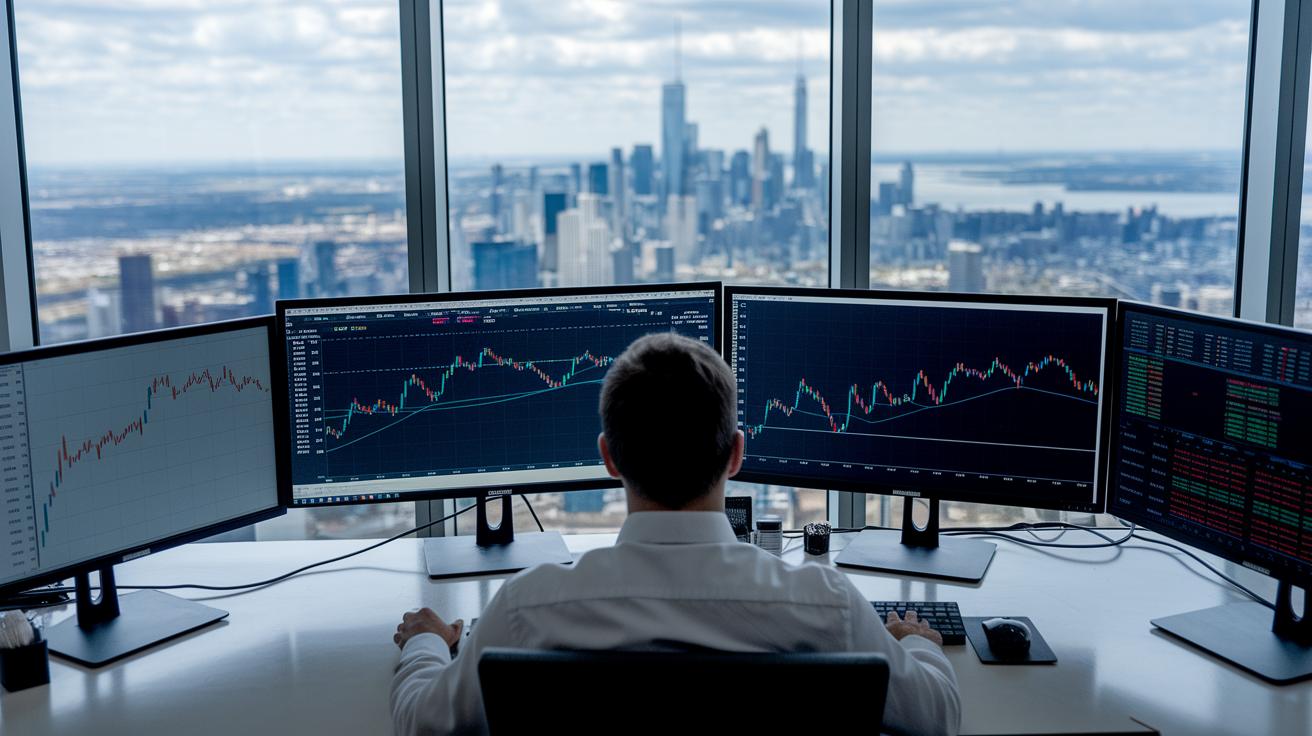
Modern portfolio tracking has become smarter, giving managers more time to focus on big-picture strategies instead of getting bogged down by routine tasks. With today’s platforms blending tools like AI (a way for computers to find patterns in data), ESG tracking (checking on environmental, social, and governance issues), real-time information, and safe ways to work together, the game has changed. Now, picking the right tool means balancing factors like size, price, and features that match your investing style. Whether you’re drawn to interactive dashboards or need a solution that fits you just right, next-gen digital management should let you respond quickly when the market shifts.
Below are five hands-on steps to get the best from your tool:
- Check the platform’s scalability and support – Think of it like making sure your new car is ready for longer journeys without a hitch.
- Look into its AI and analytics – Imagine a tool that swiftly spots patterns in a sea of data.
- Confirm its security and compliance – Make sure the system is guarding your sensitive financial details every single hour.
- Keep an eye on real-time monitoring and customizable dashboards – You want to catch every market move as it unfolds.
- Plan for regular updates and review vendor roadmaps – Ensure your tech partner is always set for tomorrow’s challenges.
Final Words
In the action, we explored software-driven market consolidation and shifting fund preferences while breaking down innovations like AI-driven analytics and real-time reporting. We examined how blockchain and cloud computing fortify security and highlighted the power of fintech in reshaping asset oversight.
Each segment reinforced smart strategies for risk management and timely market updates. Future trends in portfolio tracking technology continue to redefine investment approaches, leaving investors well-equipped to refine their strategies and stay ahead. Keep taking confident steps in your financial endeavors.
FAQ
What do future trends in portfolio tracking technology imply?
Future trends in portfolio tracking technology indicate a shift toward more software-driven strategies using AI, ESG monitoring, and real-time data to enhance secure collaboration and asset oversight.
How will technology trends shape portfolio tracking in 2025?
Technology trends in 2025 will drive portfolio tracking to become more dynamic through automated rebalancing, real-time analytics, and blockchain security, ultimately creating smarter, more efficient investment strategies.
How does the McKinsey Technology Trends Outlook 2025 impact asset management?
McKinsey’s outlook for 2025 highlights the integration of AI-driven analytics, automated systems, and predictive performance modeling, offering investors improved risk insights and streamlined asset management.
What are the top technology trends influencing portfolio tracking?
The leading trends include AI-driven analytics, automated rebalancing, blockchain security layers, cloud-based monitoring, and predictive performance modeling, each contributing to a more agile and accurate fund management process.
What technology shifts can be expected in portfolio tracking by 2030?
By 2030, portfolio tracking is set to benefit from advanced AI integration, deeper cloud computing, robust blockchain measures, and further automation, all of which will boost transparency and investment oversight.
How has portfolio tracking technology evolved since 2022?
Since 2022, portfolio tracking technology has evolved with faster AI integration, enhanced ESG monitoring, and real-time analytics, which now enable next-generation digital management and smarter, data-driven decision-making.