
Are global stocks really on the rise, or is it just a lot of talk? Asian markets have been reaching record highs, which has a lot of people excited. At the same time, big U.S. tech and finance companies are buying back their shares like careful gardeners tending their plants. It shows that investor confidence is growing. In our chat today, we break down the main forces behind these trends and explain why they could mean solid returns for everyone looking to invest.
Global Equity Trends: Comprehensive Assessment
The world of stocks is buzzing this year. We’re seeing strong gains year-to-date and plenty of companies buying back their shares. For example, the Hang Seng Index jumped by 19.3% as of June 13, 2025, setting a record in Asian markets. Meanwhile, big U.S. companies, mostly tech and finance leaders, have announced buybacks totaling more than a trillion dollars this year. This trend shows that investors are feeling more confident, almost like a company is reinvesting in itself, much like a farmer plants seeds for a richer harvest.
Looking back to 1979, clear patterns begin to emerge in how stocks perform over time. U.S. stocks often follow their own cycles, while other global markets rise and fall depending on different economic conditions. Global market movements are shaped by interactions between countries, shifts in trade, and changing investor tastes. Imagine taking a road trip where every twist or turn mirrors a shift in market mood and economic conditions.
- Top-performing markets show strong resilience
- Buyback moves underline solid investor trust
- Big index gains help us track the path to recovery
- Stable dividends offer a steady income stream
The main forces behind these trends are straightforward. Strong investor confidence, changes in monetary policy, and adjustments in how companies value their stocks all play a part. Together, these factors drive market movements, influencing how money is allocated and how assets are priced in our ever-changing equity landscape.
Regional Perspectives in Global Equity Market Trends

Across different continents, market returns show unique stories that reflect a mix of performance levels and themes. In the U.S., the S&P 500 and Nasdaq have experienced steady, moderate gains paired with record share buybacks, signaling a renewed sense of optimism among investors. Meanwhile, European markets are riding a stable wave, where fiscal measures and policy shifts are providing a steady pulse that keeps things on track.
In Asia-Pacific, the scene is truly dynamic. In fact, as of June 13, 2025, the Hang Seng Index has surged by 19.3% year-to-date. This impressive climb is fueled by a strong tech rally and increased consumer spending, a clear sign of how a tech push can rapidly transform market outcomes. And yes, that surprising fact stands: In Asia, a tech rally has catapulted market returns to levels seen only during major booms.
These regional differences stem mainly from varying fiscal policies and shifting trade relations. North American markets often benefit from prompt economic measures, while European indices lean on recovery strategies and trade policies that keep investor nerves calm. In contrast, Asia-Pacific scores big through technological breakthroughs and corporate resilience. Emerging markets, meanwhile, offer a blend of volatility and notable growth opportunities, driven by ongoing reforms and evolving benchmarks that invite both risk and reward, kind of like comparing classroom test scores, where every region adds its own detail to the big picture.
| Region | YTD Return (%) | Primary Drivers | Notable Indices |
|---|---|---|---|
| North America | Moderate | Fiscal stimulus, tech trends | S&P 500, Nasdaq |
| Europe | Stable | Trade policies, economic recovery | FTSE, CAC |
| Asia-Pacific | Strong | Rapid tech adoption, robust earnings | Hang Seng, Nikkei |
| Emerging Markets | Variable | Growth potential, market reforms | what are emerging markets (note: msci emerging markets index, see also emerging markets stock market) |
Every region clearly tells its own economic tale, with technology boosts, fiscal supports, and local business trends all adding layers to global equity market dynamics. Next time you check the markets, think of it as catching a glimpse into a series of unique financial adventures unfolding around the world.
Macro-Financial Indicator Insights for Global Equity Trends
Central banks help set up how markets are valued by changing interest rates and policies. They send investors a clear signal about what to expect. When rates change, companies face different borrowing costs and adjust their growth plans, which then affects stock values.
For example, imagine spending $5.74 on a latte every day. That small cost adds up to about $2,095 in a year. And if you invested that money at 4% interest, it could earn you an extra $84. Even a small change in interest rates can really make a difference.
Central banks also shape our expectations for inflation. This is important because inflation helps us understand growth prospects and risks, tying big economic numbers directly to how stocks move.
- Benchmark interest rate shifts
- Inflation data releases
- Monetary policy guidance from major central banks
Other signals, like global price-to-earnings ratios and dividend yields, mirror the effects of these monetary changes. As borrowing costs change, investors adjust their expectations, altering market values. As central banks fine-tune their strategies, you might notice subtle shifts in dividend patterns and P/E ratios. This hints at a market getting used to new interest rate realities.
In an ever-changing world, keeping an eye on both monetary policy signals and broader economic data is a smart move for anyone watching future stock performance.
Global Equity Market Trends Analysis: Bright Outlook

In 2025, the tech sector was on a wild ride. Tech stocks soared thanks to breakthrough innovations and strong earnings reports that got investors excited, pushing prices to record highs. But even the big players had times when profits were taken and prices dipped a bit. It’s a bit like riding a roller coaster: there are thrilling climbs followed by unexpected drops that remind you to always stay alert.
Healthcare and financial services showed a more steady path compared to the tech world. In healthcare, stocks generally climbed as steady progress in drug development and favorable regulatory news helped lift the sector. Financial services also grew at a calm pace, buoyed by steady consumer demand and clear rules that kept things stable. This reliable pace makes these sectors a good pick for investors looking for dependable returns, balancing out the market’s ups and downs.
Consumer goods and discretionary stocks are changing with the way people spend their money. With shifts in spending habits, companies in this space are quickly adjusting their products and marketing strategies. Think of it like a store that constantly rearranges its displays to highlight the latest trends and seasonal favorites. These tweaks show how the market responds to shifts in consumer confidence and economic signals, adding extra depth to the overall outlook.
Risk and Volatility Dynamics in Global Equity Trends Analysis
Lately, the numbers that measure market wildness have jumped, and many investors didn’t see it coming. Every piece of economic or political news seems to shake up the extra returns traders demand when taking risks.
Markets are more jumpy now. They react quickly to sudden changes instead of taking their time like before. The mood is cautious, and many wonder if these bumpy times will continue for a while. Clues point to big economy worries and unexpected events keeping traders on their toes, making them revisit how much risk they should handle.
- Geopolitical tensions
- Exchange rate fluctuations
- Leverage and debt levels
- Trade policy uncertainty
- Liquidity conditions
What investors feel plays a huge role in short-term market ups and downs. Every surprising headline or burst of market data makes traders adjust their plans quickly, which causes prices to jump around. Everyday choices and even chatter among traders show just how fine the line is between feeling confident and being cautious. Much like a sports team that gets a boost from its fans, market moves mirror the sentiments of countless individual investors. Keeping a close eye on these feelings can really help explain the sudden shifts we see day by day.
Future Outlook for Global Equity Market Trends Analysis
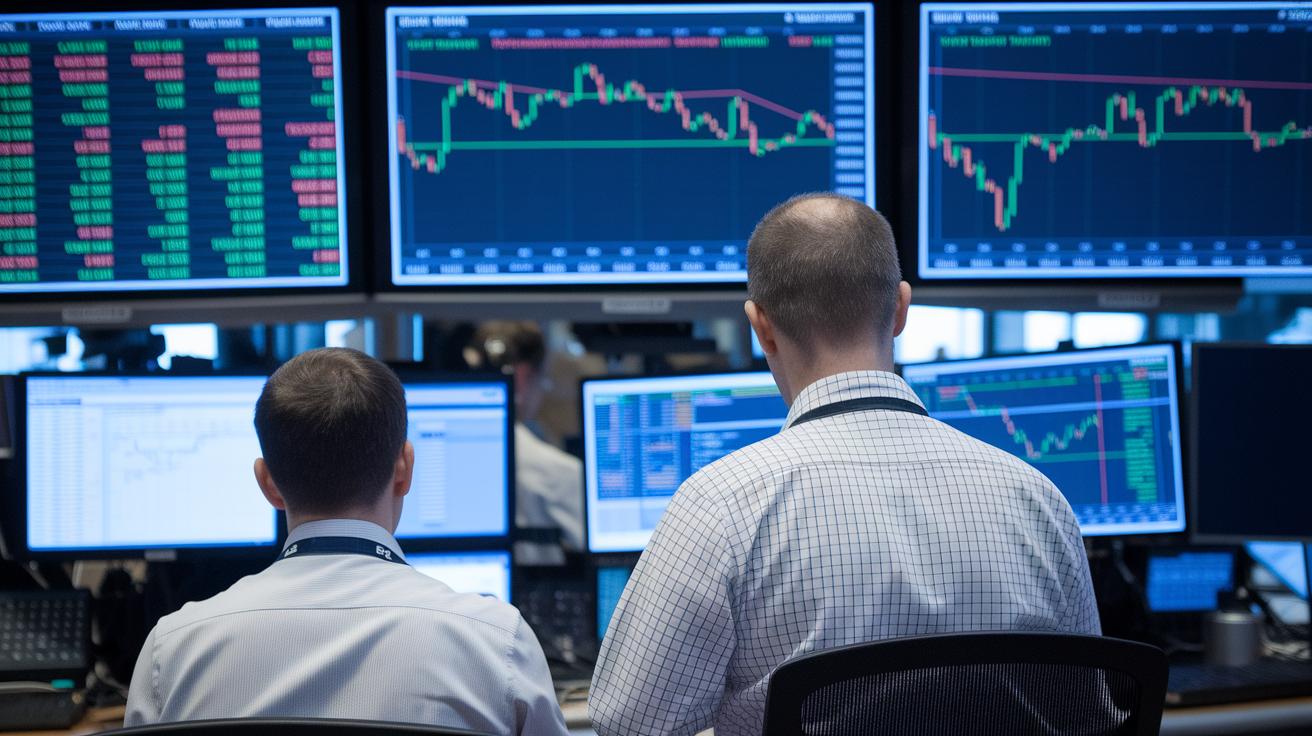
When trying to predict stock market movements, it's important to balance fast, short-term signals with the bigger picture of long-term trends. Some traders focus on quick moves like changes in price momentum (when a price quickly rises or falls), while others rely on the basic facts about the economy to see if growth will stick. Charts and graphs help us notice these quick flutters versus lasting trends, so you can choose a plan that fits your style.
The market often moves in cycles, and seasonal changes can be like hints for when to make your move. For example, you might see that some months always have a lot of trading activity, while others are quieter. Recognizing these patterns can help you decide the best time to act, almost as if you were checking the market's calendar.
| Forecast Period | Growth Scenario | Key Assumption |
|---|---|---|
| Short-Term (next 3 months) | Moderate Growth | Quick market signals |
| Mid-Term (6–12 months) | Steady Expansion | Balanced economic trends |
| Long-Term (beyond 12 months) | Strong Recovery | Lasting economic improvements |
Changes in money policy and how cash moves around the world can really shift market trends over time. Even a small tweak in interest rates or lending conditions can change stock values, affect dividend payouts, and influence how investors feel. Understanding these changes can help you stay prepared and adjust your strategy as the market evolves.
Final Words
In the action, we've covered dynamic global market performance and investor sentiment, highlighting pivotal regional divergences, macro-financial indicator insights, and sector-specific moves. The discussion steered through key metrics like year-to-date returns, buyback activities, and risk drivers, all while grounding ideas in clear, relatable terms.
Every segment contributes to a comprehensive global equity market trends analysis that empowers investors to manage risk and embrace market opportunities with confidence. Stay informed and keep making smart moves.
FAQ
What does the global equity market trends analysis PDF provide?
The global equity market trends analysis PDF provides detailed insights into international market performance, risk factors, and key economic drivers that help investors understand shifts in global equity dynamics.
What does the BlackRock research reports PDF cover?
The BlackRock research reports PDF covers in-depth market analyses, performance forecasts, and economic indicators, offering valuable perspectives for shaping investment strategies.
What types of stock market commentaries are available?
Stock market commentaries come in daily, weekly, monthly, and U.S.-specific formats, each offering timely insights into market movements and trends backed by current economic data.
How can I use the J.P. Morgan Guide to the Markets in my investment strategy?
The J.P. Morgan Guide to the Markets equips investors with comprehensive analyses of market trends, economic conditions, and risk factors, which are essential for making well-informed investment decisions.
How do I analyze stock market trends effectively?
To analyze stock market trends effectively, review performance reports, study macro-financial indicators, and consider expert market commentaries that detail economic shifts and performance metrics.
What is the global equity market outlook for 2025?
The global equity market outlook for 2025 highlights potential economic shifts, investor sentiment changes, and performance forecasts that may influence future market behavior across various regions.
Why is the global stock market dropping currently?
The current drop in the global stock market is linked to caution among investors, adjusting monetary policies, and wider economic uncertainties that temporarily weigh on market confidence.
What is the current stock market trend?
The current stock market trend shows a blend of steady gains in major indices and measured moves in response to evolving economic conditions and investor sentiment signals.
How are companies like BlackRock, The Vanguard Group, Blackstone Inc., Goldman Sachs, JPMorgan Chase & Co, and Fidelity Investments related to market trends?
These firms lead in research and asset management, providing critical market analysis and investment strategies that help shape and influence overall global equity market trends.