
Ever wonder if one single number could show you how our global economy is doing? Think of a global markets index as a school report card for stocks. It gathers data from big names like the Dow Jones, S&P 500, and FTSE 100 to create one clear picture.
In this post, we break down how these indexes are built and why even small changes can send ripples through your portfolio. Ready to see how these trends give you a window into today’s financial world?
Understanding the Global Markets Index and Its Significance
Imagine a global market index as a simple report card that shows how stocks are doing all over the world. It pulls in data from well-known sections like the Dow Jones, S&P 500, and Nasdaq, and even taps into global markers like the FTSE 100, Euro Stoxx 50, and Nikkei 225. These indexes give a quick glimpse into investor moods and the overall health of major economies. For more details, check out What are global markets.
Think of it as a tool that mixes information from various countries and business sectors into one clear picture. It tracks the steady pulse of worldwide economic activity. In fact, some investors even found that a small change in a major index could lead to big shifts in their portfolios, a neat reminder of how influential these numbers can be.
Here’s how it works: real-time data is collected, and companies get weighted, often by their market value (that's how big a company is) or by their stock price. This means not all indexes tell the same story. Some even break down the data by sectors so you can see which areas, like technology or finance, are booming or facing tough times.
By understanding how these global indexes are built, you get a clearer view of worldwide financial benchmarks. This insight helps you create smart and balanced investment strategies that fit your goals.
Composition and Calculation Methodology of Global Markets Indices
Global market indices are built using clear, step-by-step methods that help us see patterns across different financial areas. For instance, the Dow Jones uses a price-weighting approach, meaning that the price of each stock plays a big role in its overall impact. Meanwhile, big players like the S&P 500 and Nasdaq use market-cap weighting, where companies with larger market values have more influence. Some indices, such as the FTSE 100 and MSCI Emerging Markets, adopt a free-float market-cap method, which looks only at shares that are actually available to trade.
Data is collected continuously at the tiniest levels, so these indices get updated in real time, even when the market moves fast. As companies change and market conditions shift, regular checks and rebalances keep each index true to the current investable market. It’s like tuning a musical instrument to make sure it always sounds just right.
Tools like moving averages, pivot points, and candlestick patterns bring a practical edge to this process by offering simple ways to look at trends. For example, the collection of tools found here in the "What is financial analysis" link can help you see exactly how these techniques work.
Every step, from choosing the right companies to adjusting each component’s weight, is carefully analyzed. Rebalancing and tweaking the formulas mean that as economic conditions change, so does the index. This blend of hard data and reliable evaluation methods creates indices that not only mirror market sentiment but also serve as a guide for investors spotting global trends. It’s the kind of detailed yet clear process that makes financial planning feel both solid and approachable.
Global Markets Index: Stellar Financial Trends
Around the world, markets have their own unique behaviors that come together to shape the global economy. Investors keep an eye on these trends to compare regions and pick up on smart cross-border stock ideas. In the Americas, the S&P 500 and the Dow Jones Industrial Average give us insights into major U.S. companies and how their roles are changing. One index uses market-cap (the total value of a company's stocks) while the other focuses on stock price. This mix of methods paints a fuller picture of economic activity.
Over in Europe, indexes like the FTSE 100 and the Euro Stoxx 50 track market performance by looking at free-float (only counting shares available for public trading). This approach gives a real-time look at what investors can actually buy. It’s a handy way to see how active the market really is. Then, in the Asia-Pacific region, the Nikkei 225 and Hang Seng serve as quick checks on market trends. They reveal how local trading patterns and growth spurts can influence global market feelings.
Emerging markets, like those tracked by the MSCI Emerging Markets index, also play an important role. With real-time updates on both established and developing regions, investors get a clear picture of where momentum is gathering or slowing down. This detailed view is crucial when putting together a mix of investments to manage risk effectively.
| Region | Index Name | Base Year | Weighting Method |
|---|---|---|---|
| Americas | S&P 500 | 1957 | Market-cap |
| Americas | Dow Jones Industrial Average | 1896 | Price-weighted |
| Europe | FTSE 100 | 1984 | Free-float |
| Europe | Euro Stoxx 50 | 1998 | Free-float capped |
| Asia-Pacific | Nikkei 225 | 1950 | Price-weighted |
| Asia-Pacific | Hang Seng | 1969 | Market-cap |
Menus under World Indices keep the data updated in real time, helping investors make smart, region-based choices.
Historical and Recent Performance Trends of Global Markets Indices
Over the past decade, global indices have gone through clear cycles of growth and slowdown. There have been times when markets jumped quickly and moments when they cooled off, giving us plenty of lessons along the way. For example, Bitcoin futures recently soared past $120,000, a nearly 30% jump this year. It’s like riding a roller coaster: exhilarating and full of surprises.
Traditional measures haven’t been left behind either. The US Dollar Index fell by 10.8% in the first half of this year, marking its worst run since the Nixon era. Meanwhile, the euro hit a three-year high against the dollar, showing big shifts in how currencies are valued. In Asia, the Hang Seng index posted impressive gains even as US Treasurys dropped, which shows that different markets can tell very different stories.
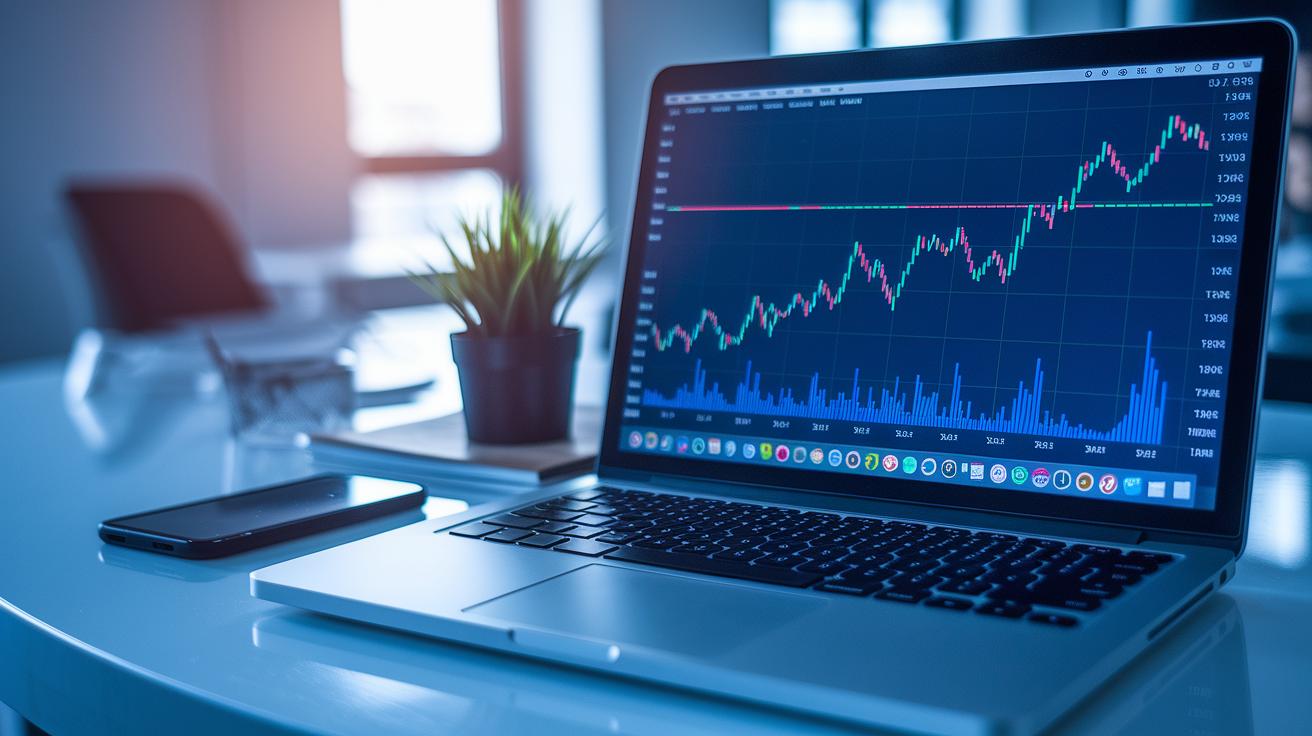
Below is a line chart comparing the S&P 500 to the MSCI World from 2000 to 2024. This visual gives a clear look at how these indices have moved over time. It also hints at how various market size perspectives can shape overall trends.
Market trends 2024
Some experts from Deutsche Bank are even saying that stablecoins might soon play a bigger role in our financial system. With new rules on crypto emerging, even traditional benchmarks like the S&P 500 must share the stage with these digital assets.
All these ups and downs serve as a reminder: looking at past trends is a great tool for guessing what might happen next. By studying these patterns, investors can learn from both established markets and new opportunities, helping guide smart decisions in today’s ever-changing global scene.
Real-Time Data and Analytical Tools for Global Markets Index Monitoring
Live index feeds bring a fresh burst of energy right to your screen. You get real-time updates on global markers like WTI Crude, Brent Oil, and key ETFs such as SPDR S&P 500 and Invesco QQQ. It’s a bit like watching your heartbeat on a monitor, showing you the steady pulse of global finance as it happens.
The platform comes with easy-to-use technical analysis tools that simplify complex charts. Tools like moving averages (which smooth out price data over time), pivot points (helpful markers that signal trend changes), and candlestick patterns let you follow trends as they develop. It’s like having a handy toolbox ready to explain any confusing market moment, so you never feel lost.
Currency tools, featuring the Dollar Index and a clear Currency Converter, provide a quick snapshot of international money moves. They even include commodity indices, so you can keep an eye on shifts in natural resource values. And if a major story breaks, the “Breaking News” section lights up, ensuring you always get the latest update.
For instance, dynamic charts can slowly reveal a pivot point. “See that reversal?” you might think, instantly recognizing a change in the market mood before making your next smart move.
Integrating Global Markets Indexes into Investment Strategies

When you build your portfolio, think of global market indexes as the sturdy base of a great meal. Many investors use ETFs like iShares MSCI Emerging Markets, SPDR S&P 500, or Invesco QQQ to get that solid core exposure. Imagine it like crafting your favorite dish: start with a reliable base, add a mix of ingredients, and finish off with a thoughtful twist.
Many smart investors mix indexes from developed and emerging markets. This blend not only smooths out risk but also gives you a chance to capture growth from faster expanding markets. For example, a sector-specific index can show you how a particular field, like technology or consumer goods, is performing compared to the overall market.
It also helps to check in on your portfolio every so often. Adjusting your investments, or rebalancing, when market conditions change can be the key to keeping your risk in line. Think back to a time when the market was unpredictable; a timely adjustment might have made a big difference in protecting your growth.
Key strategies include:
- Using ETFs for broad market exposure
- Combining indexes from different regions
- Incorporating sector-focused breakdowns
- Rebalancing as market conditions shift
These approaches work like periodic reviews of your financial plan, helping you fine-tune your strategy with practical, risk-aware decisions.
Final Words
In the action, we explored the global markets index and its role as a real-time guide to economic and market moods. We broke down how indices are built, tracked, and compared across regions. Step by step, the discussion covered performance trends, analytical tools, and how these insights shape investment decisions. This conversation reminds us that smart strategies mixed with solid analysis help in managing risk and staying ahead in the market. Keep using these insights to feel confident in your investment choices.
FAQ
Frequently Asked Questions
World market index live
The phrase “world market index live” refers to a continuously updated readout of global stock indexes that showcase real-time performance of major financial benchmarks worldwide.
Global market News
The term “global market news” relates to current events and data updates impacting stock markets across the globe, covering economic trends, corporate reports, and geopolitical factors.
Global market live future
The phrase “global market live future” pertains to a forward-looking display of worldwide market activity, offering insight into expected market movements based on live indices and futures data.
Global stock market
The term “global stock market” encompasses all international stock exchanges where company shares are traded, serving as a broad gauge of worldwide economic activity and investor mood.
Global stock market graph
The phrase “global stock market graph” describes a visual chart of international market performance over time, helping investors compare trends and recognize shifts in market behavior.
MSCI World Index
The MSCI World Index represents a benchmark tracking global equity markets in developed countries, providing insights into overall investor trends and economic strength worldwide.
Stock Index list
A stock index list compiles key financial benchmarks like the S&P 500, Dow Jones, and FTSE 100, offering a quick reference for tracking market performance across multiple regions.
U.S. stock market today
The term “U.S. stock market today” indicates the current state of U.S. equity markets, highlighting real-time data from indices such as the S&P 500 and Dow Jones Industrial Average.
What are the top 3 market indexes?
The top three market indexes typically include the S&P 500, Dow Jones Industrial Average, and Nasdaq, which are frequently used to assess overall market health in the United States.
What is the world market index?
The world market index is a comprehensive indicator that aggregates global stock performance, giving investors a snapshot of economic trends across various regions and industries.
What is today’s global market?
Today’s global market refers to the current state of international financial activity, incorporating live data on stock indices, share prices, and other key economic indicators.