
Ever thought about taking a little extra risk to boost your earnings? High yield bond funds might just be what you need. They offer interest rates that really stand out. Imagine a bond giving you a 7% yield when most bonds hover around 3%. It's like turning up your income!
These funds put money into corporate loans that may not have the top ratings, but they’re designed to give you a steady cash flow boost. In other words, by taking on a bit more risk, you might unlock a brighter financial future.
High Yield Bond Funds Shine with Bright Prospects
High yield bond funds put money into corporate loans that aren’t top-rated, meaning they pay more interest than your regular bonds. They work by picking bonds with higher coupon payments to give you a steady cash flow. Imagine getting a 7% yield when most bonds only offer about 3% – it’s like turning up the volume on your income. No wonder income-focused investors find these funds so attractive despite the extra risk.
Usually, these bonds come with ratings like BB or B, which means they’re a bit below investment-grade. They try to earn an extra 200 to 400 basis points compared to safe Treasury bonds, with average yields of around 6% to 8%. At the same time, these lower-rated bonds have historically seen about a 3% default rate each year. In short, you’re trading a little more safety for the chance at higher returns compared to the steadier, lower-yield bonds.
A lot of investors go for high yield bond funds to boost income and add variety to their portfolios. They can brighten up an otherwise conservative mix, much like a dash of spice can turn a plain dish into something exciting. It’s a smart way to chase higher returns while keeping overall risk in check by combining different types of assets.
Key Performance Metrics for High Yield Bond Funds
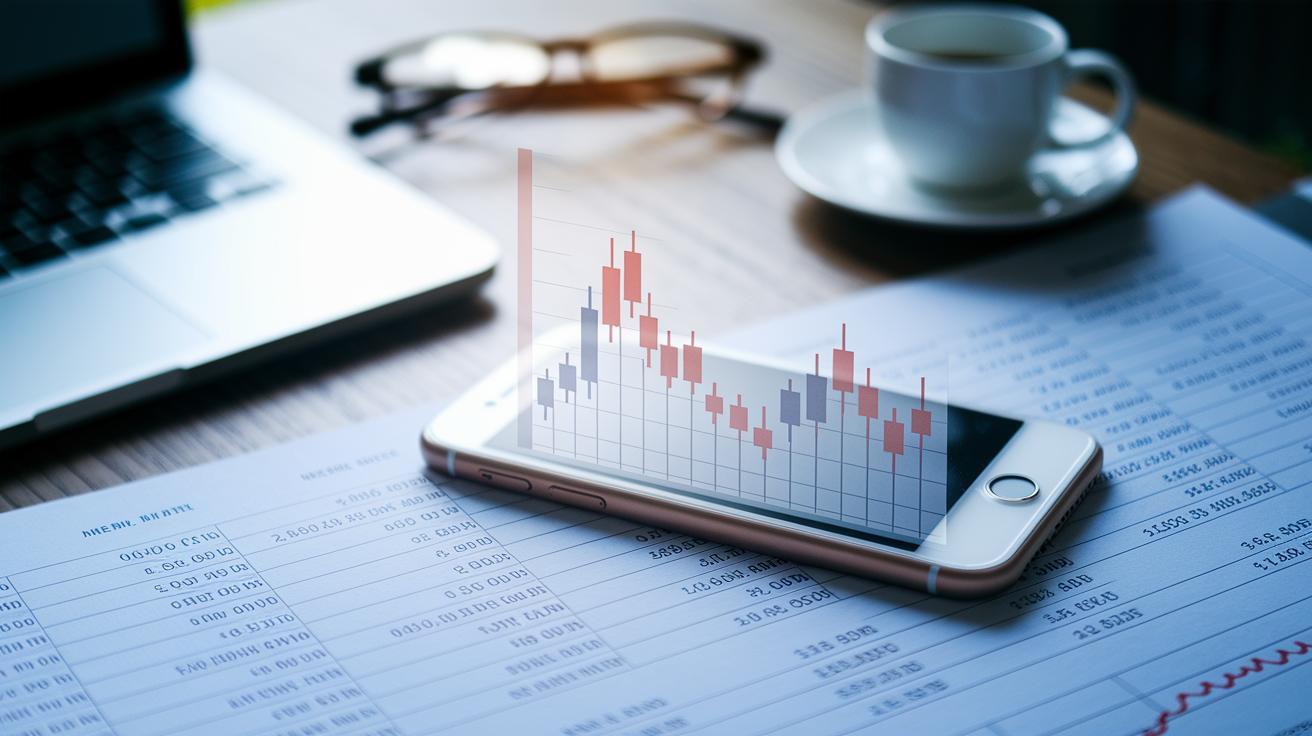
Over the past ten years, high yield bond funds have delivered average annual returns between 5.5% and 7.0%. Many investors use benchmarks like the ICE BofA US High Yield Index and Bloomberg Barclays US Corporate High Yield Index to see how these funds stack up against the overall market. Volatility, which tells you how much prices move around, typically falls between 4% and 7% per year. Imagine watching your returns gently rise and dip like a calm roller coaster ride, that’s the kind of balanced risk and reward at play here.
When comparing funds, key figures include yield to maturity, spread to Treasuries, duration, and default rates. Yield to maturity is like figuring out the steady income you’d get if you held a bond until it matures. Spread to Treasuries shows you how much extra yield you might earn compared to safe government bonds. Duration helps you understand how sensitive a bond is to changes in interest rates. And default rates give you a sense of the chance that the bonds might not perform as expected. Have you ever thought about how these numbers work together to tell a clearer story about a fund’s performance?
Comparing High Yield Bond Funds: Fees and Benchmark Tracking
When you invest in high yield bond funds, it’s important to consider fees and how closely the fund follows its benchmark index. Even small fee differences can add up over time and affect your overall earnings. For example, some funds may charge an extra 20-40 basis points compared to more passive options. Over the years, those extra fees might lower your net returns by over 1% each year. It really pays to check both the fee details and how well the fund mimics its benchmark.
| Fund Name | Expense Ratio | 10-Year Avg Return | Current Yield |
|---|---|---|---|
| YieldMax Fund | 0.65% | 6.0% | 6.5% |
| BondPlus Income | 0.80% | 5.8% | 6.3% |
| HighReturn Advantage | 1.10% | 6.5% | 6.8% |
| Dynamic Yield Fund | 0.55% | 6.2% | 6.4% |
Looking at a side-by-side comparison like this makes choosing a fund easier. It helps you find those options that keep costs low while still following their benchmark closely. In the end, paying a smidge less in fees can mean a lot more in your pocket over time. Have you ever thought about how those tiny differences in fee charges might shape your future payouts?
Portfolio Diversersification and Allocation with High Yield Bond Funds
High yield bond funds can be a smart addition to your mix of investments. These funds usually do not move in the same way as stocks, a trait we call low to moderate correlation (about 0.2–0.4). This means that when stocks change, these funds might not change as much. By setting aside about 10%–20% of your portfolio in these funds, you could boost your overall yield by roughly 0.5%–1.0%. Think of it as adding a special spice to your dish that lifts the whole flavor while keeping other ingredients balanced.
Reviewing your portfolio every six months is a practical way to manage risks like credit exposure (the chance that a borrower might not pay back) and sensitivity to interest rate changes. When you check your mix twice a year, you can adjust your high yield bond funds against other assets. This simple habit helps keep your goals in focus, even when the market shifts, and reminds you to stay on track with your plans.
Monitoring Market Trends and Fund Selection Criteria for High Yield Bond Funds
High yield spreads recently signaled caution among investors. Watching the market closely is key when it comes to high yield bond funds. For example, keep an eye on the spreads between bonds and Treasuries. In late 2023, these spreads moved to about 330 basis points. This rise often hints at shifts in how investors feel and signals early changes in the economy. And when you notice more bonds starting to default, especially in the energy sector, where too much supply can push defaults, it might be time to think about the risks you’re taking. Plus, new bond issuances hit around $150 billion in the third quarter of 2023, which is another big clue about market vibes.
When choosing a high yield bond fund, it helps to zero in on a few things. Look for funds that keep a portfolio duration of about 3–5 years, which makes them a bit less sensitive when interest rates change. Also, check out the mix of credit ratings like BB, B, and CCC, these ratings act as a quick check on how safe or risky the bonds might be. It’s a good idea to see how much a fund leans towards any one industry, so you don’t end up too exposed if that area hits a rough patch. And don’t forget to consider the manager’s history; a steady track record can really point to smart, steady decisions. By comparing these details with what’s happening in the market, you can make choices that might keep your income steady over the long run.
Final Words
in the action, we broke down how high yield bond funds work, from their income-generation focus and risk factors to key metrics such as yield to maturity and default rates.
We also examined fee comparisons, diversification benefits, and real-time market trends. This clear look at high yield bond funds empowers smart decisions while keeping risk in check. Stay smart and positive.
FAQ
What are the highest yielding bond funds?
The highest yielding bond funds aim for yields of about 6%–8% by investing in lower-rated corporate debt. They target wider spreads over Treasuries, but investors should assess the accompanying credit risks.
Are high-yield bond funds a good investment?
High-yield bond funds offer attractive income potential despite their higher risk. They suit investors who can handle market swings and want to boost overall portfolio yield with additional income.
What does Warren Buffett recommend for bonds?
Warren Buffett advises investing in quality bonds with solid credit and stability. His approach leans toward careful selection and diversification rather than chasing higher yields without proper research.
Which high yield bond funds does Fidelity offer?
Fidelity provides several high yield bond funds that focus on corporate debt below investment grade. They combine income potential with risk management, though investors should review each fund’s specifics before committing.
What bonds are paying around 9% interest?
Bonds offering around 9% typically include higher-risk corporate or emerging market issues. These may offer higher coupons, but carry additional credit and market risks that require careful evaluation.
What are some top Vanguard high-yield bond ETFs?
Vanguard high-yield bond ETFs deliver broad exposure to lower-rated corporate debt with competitive expense ratios. They are popular among investors seeking income and diversification in their fixed-income portfolios.
Where can I find a list of high yield bond ETFs?
A list of high yield bond ETFs shows funds tracking corporate debt indices with detailed yield metrics and risk profiles. Reviewing recent performance and fees can help pinpoint cost-effective options.