
Have you ever thought a country could go from middling to a top contender in just a few years? India is doing exactly that. In one quarter alone, its economy grew by 7.4%, and experts expect it to jump from the 11th largest to the 4th largest by 2025.
It’s like watching a small engine transform into a mighty machine. Everyday spending and smart financial decisions at home are powering this shift, turning challenges into steady growth.
A Comprehensive Overview of India’s Economy
India’s economic journey has been a real head-turner. Back in 2009, it was ranked 11th in the world, and now experts say it’s set to jump to 4th by the end of 2025. In the recent Q4 of FY24-25, the economy grew by 7.4% compared to last year, with the full-year growth sitting at a solid 6.5%. It’s like watching a small engine rev up into a full-blown powerhouse.
This strong performance comes from everyday spending at home along with smart moves from the government. Think of it like the steady pulse of a bustling market, with each new policy adding a fresh beat to the rhythm of growth.
To break it down a bit, here are some key highlights:
- Ranking trajectory: From 11th in 2009 to an expected 4th by the end of 2025
- Quarterly and annual growth: 7.4% in Q4 FY24-25 and 6.5% for the full year
- Global GDP (PPP) share: Jumped to 8.3% in 2024 from under 3.5% in 1990
- Global contribution: Nearly 17% of the global GDP increase in 2024
- Consistent growth: More than 6% annual growth on average over the last 30 years, with over 8% in the post-pandemic period
India’s resilience is clear. Its strong local demand and sound fiscal policies not only help it manage global ups and downs but also secure its place as a key player on the world stage.
india economy: Soaring Growth and Resilience

Domestic spending is a major driver of India's booming economy. In FY24-25, it accounts for about 61.4% of the GDP. Urban buyers, especially those reaching for luxury items, are changing the way money moves in the market. Think of a shopper in Mumbai picking up a high-end smartphone. That single purchase hints at a broader shift toward premium choices, with each transaction adding a steady beat to the economic rhythm.
Another boost comes from India's youthful population. More than half of the people are under 30, and it’s estimated that there could be an extra 100 million workers by 2030. Picture a team of tech innovators buzzing with fresh ideas, their energy lighting up the labor market. This young talent brings a promise of exciting growth in the years ahead.
The service industry now takes center stage, moving away from older industrial models. Over the past 30 years, India’s average income has grown tenfold, while extreme poverty has fallen sharply from over 45% to around 5%. After the pandemic, the country enjoyed more than 8% annual growth from 2021 to 2024. This strong service-led model shows how powerful and uplifting economic progress can be for everyone.
Structural Evolution: From Agrarian Roots to a Service-Led India Economy
India changed its game by focusing early on modernizing services. Back in the late 1980s and early 1990s, the government rolled out reforms like easier licensing and smart investment policies. They didn’t wait to fully boost heavy industry, instead, they opened the door for exciting fields like information technology and finance. Imagine a small town using mobile payments to reach customers all over the world. This fresh approach shifted resources away from old-school farming and sparked a wave of local business ideas.
As the economy moved toward services, our spending habits naturally changed. Smaller cities started to buzz with innovation, with new IT parks and online shopping centers springing up outside of major metropolises. This shift encouraged flexible work setups and boosted digital skills, helping both city and countryside keep pace with a rapidly changing world.
India’s Fiscal and Monetary Policies Ensuring Economic Stability
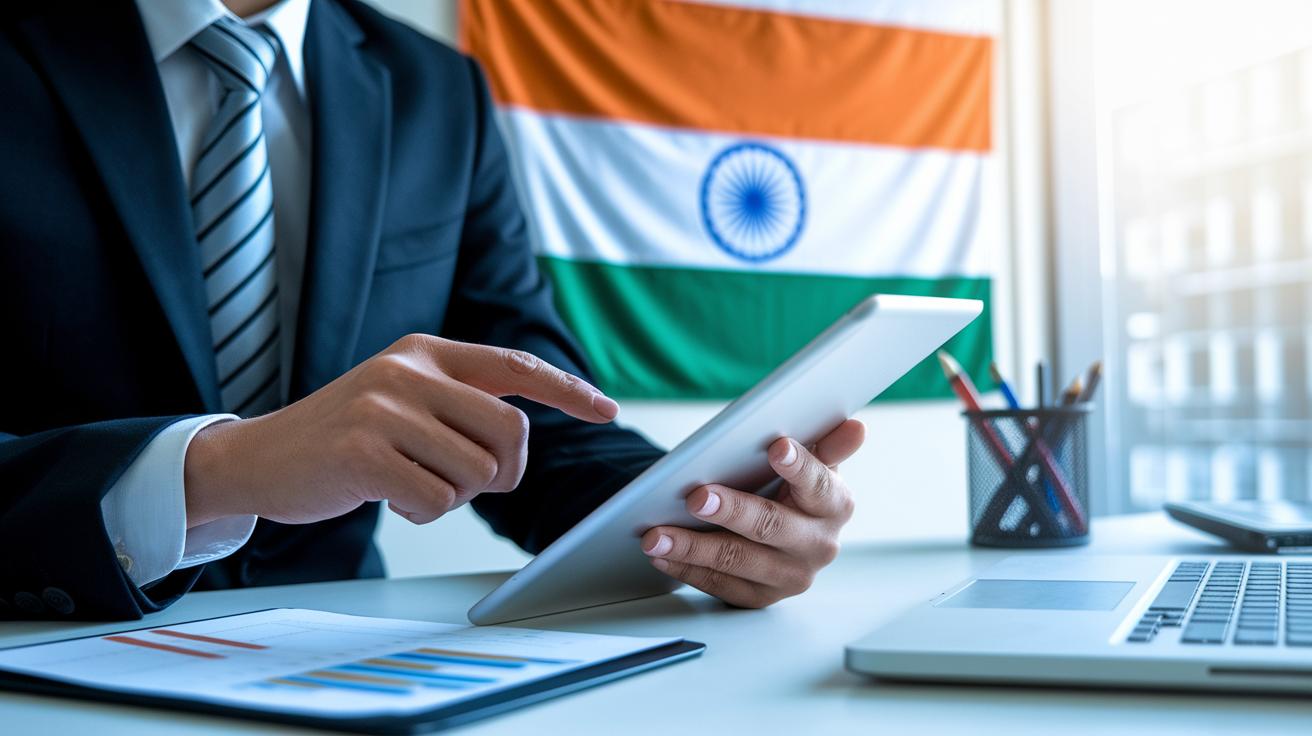
India is focused on steady growth and clear money management as part of its "Viksit Bharat" plan set for 2047. The government is managing debt wisely, spending carefully, and using plain monetary rules. This smart approach builds a safe base for the country’s future and gives investors more confidence. It also paves the way for the reforms necessary for lasting progress.
Recent policy moves have boosted expectations for growth in FY25–26, with forecasts between 6.4% and 6.7%. Lower inflation and specific tax breaks have eased the load for both businesses and everyday consumers. Stable oil prices help balance the current accounts, and tax reforms add extra relief that keeps spending steady. Each of these steps works together to keep costs from rising and strengthen the economy.
Clear public debt management and a tight grip on budget deficits keep India's overall economic picture strong. Honest shifts in monetary policy, along with steady price controls, make investors around the world feel secure. These practical financial strategies help the country handle shocks and support steady growth. In truth, this thoughtful, balanced plan builds lasting trust in the market.
Trade and External Sector Dynamics of the India Economy
India is shaking up its external trade scene. Recently, a key trade pact with the UK was signed in May 2025, and talks with the US are still ongoing. By the end of the year, there’s promise of an agreement with the EU. Even though there were five months of capital outflows until March 2025, strong support from domestic investors helped keep the markets steady. Stable oil prices and better current account figures have also boosted this external resilience.
These changes reflect trade talks that focus on balancing what India imports and exports. They’re working on fair tariff tweaks and better market access. This steady push not only supports two-way business deals but also weaves India more tightly into the global market. In simple terms, these steps aim to smooth out cross-border trade and make market conditions more predictable.
| Partner | Agreement Status | Primary Objective |
|---|---|---|
| UK | Signed May 2025 | Market access & IP |
| US | Under negotiation | Tariff reduction & services |
| EU | To be finalized by Dec 2025 | Market integration & standards |
All these agreements and talks are key to strengthening India’s balance of payments. They work together, balancing out capital outflows while encouraging stable investments. In other words, even if there are short bumps in how exports and imports look, improved current accounts and smart policy moves help smooth things over. This balanced approach is building investor confidence and solidifying India’s spot in global trade. It’s a dynamic scene where every move counts.
Investment Inflows and Capital Market Trends in the India Economy

Big global investors are putting more money into India’s tech and building projects. They love the new ideas and friendly rules that help improve business. This interest shows that investors see big growth chances in these areas and that India is determined to boost its digital and industrial strength.
Even though money left the country for five months until March 2025, local buyers quickly stepped in to change the trend. Big firms started investing in promising new companies and well-known businesses. Their support helped the market stay strong and made others feel confident about investing here. Regular funds even kept things steady during uncertain times, paving the way for further strong growth.
India’s stock and bond markets are doing very well. The growing market lets assets be sold or turned into cash quickly (this is known as liquidity). Many signs point to more money coming in from both private individuals and larger companies. Plus, steady foreign and local investments continue to drive the market's success on a global level.
Digital Transformation and Infrastructure Investments in the India Economy
More than half of India’s people are under 30, and this young, digital-savvy crowd is driving fast tech adoption. Big companies and small startups alike are using online tools to simplify everyday tasks. For example, think of a local business owner who grows her customer base by accepting online payments. Even the government is joining in, investing in digital infrastructure and e-governance platforms to update public services and boost clarity.
Smart investments in technology are setting up a forward-looking economy. With solid tech transfer programs and focused funding, businesses can get their systems upgraded quickly. Imagine a neighborhood bank that starts offering secure mobile banking after getting the needed tech support, it makes things run more smoothly for everyone. These tech boosts not only speed up operations but also create a connected, innovative environment for both consumers and companies.
There’s also a strong push to improve urban transit and streamline tech projects. The aim is to make daily commutes easier and city life more connected. Every step taken in these directions helps build a brighter, more efficient future.
Future Outlook and GDP Growth Forecast for the India Economy

India's economy is looking stable right now thanks to smart fiscal moves and fresh trade rules that are setting a strong foundation. Recent policy changes are paving the way for steady growth, even if we aren’t diving into all the numbers again.
Looking ahead, things could swing in two ways. In the best-case scenario, clear trade guidelines and coordinated fiscal efforts could give the economy a real boost. Think of it like a runner surging off the blocks at the start of a race, a quick burst of energy that sets the pace. But if trade worries, supply chain hiccups, and cautious spending keep piling up, growth might slow down. It's a bit like a runner hesitating at the starting line because they spot an obstacle.
By 2030, India's economic picture is set for a big change. With 75 million new middle-income households, 25 million affluent ones, and a work force growing by 100 million, reforms in jobs, market rules, trade, and education will push the country closer to developed-economy status by 2047.
| Aspect | Description |
|---|---|
| Fiscal Policies & Trade | Clear guidelines and reforms help boost growth |
| Optimistic Scenario | Cooperative fiscal efforts give the economy a robust lift |
| Pessimistic Scenario | Uncertainties and pesky supply issues may slow down progress |
| Long-Term Outlook | Shifts in demographics and policy reforms aim for a developed status by 2047 |
Final Words
In the action, we've seen India's rise in global GDP rankings and robust growth figures. The data on domestic consumption, digital transformation, and trade achievements offer a clear picture of the nation's progress. With sound fiscal policies and resilient capital markets, the blend of historical insights and modern practices makes the story engaging. Amid these market shifts and innovative moves, the india economy continues to show strength and promise for future growth. Stay focused and positive as you build on these smart strategies.
FAQ
What does India economy ranking refer to?
The India economy ranking refers to its global GDP standing. India has moved up significantly, with projections suggesting it could rank as high as 4th by the end of 2025 due to robust growth.
What does India WI test mean?
The term India WI test is ambiguous in an economic context. It might refer to a benchmark or a specific evaluation metric. Additional context would help in providing a more precise answer.
What does Putin India signify?
The phrase Putin India touches on the diplomatic and economic ties between Russia’s President Vladimir Putin and India. Their relations include energy deals, trade partnerships, and geopolitical collaborations.
What is meant by India GDP in trillion?
India GDP in trillion indicates the economy’s total output measured in trillions of dollars. This measurement helps capture the size and scale of India’s overall economic activity.
What are the projections for the GDP of India 2025?
The GDP of India in 2025 is expected to reach significant trillion-dollar levels as ongoing reforms, global market integration, and strong domestic consumption fuel steady economic growth.
What does India GDP per capita indicate?
India GDP per capita represents the average economic output per person. Although the overall economy grows rapidly, per capita income remains lower compared to developed countries due to its large population.
What does India GDP 2025 in trillion suggest for the economy?
India GDP 2025 in trillion points to a marked expansion of the economy. Analysts predict marked increases driven by robust consumer demand and market reforms, enhancing India’s position globally.
What does the India GDP growth rate last 10 years show?
India GDP growth rate over the last 10 years shows a history of consistent expansion, with average annual growth exceeding 6% and post-pandemic recovery pushing rates above 8% thanks to swift reforms.
Is India a 4 trillion economy?
The query about India as a 4 trillion economy reflects forecasts that its market size is nearing this milestone. Strong economic policies and continuous growth support expectations of reaching this level soon.
Is India a 5 trillion economy?
The question regarding a 5 trillion economy looks at future projections. Analysts believe that with sustained reform and growth initiatives, India might potentially approach a 5 trillion-dollar valuation in the coming years.
Is India financially stable?
India’s financial stability is seen through its prudent fiscal and monetary policies. The government’s focus on reducing deficits and inflation control supports a stable economic framework, despite ongoing challenges.
What is India’s main source of income?
India’s main source of income is diversified across sectors like services, manufacturing, and agriculture. The growing service sector, in particular, bolsters the economy with strong consumer market performance and digital adoption.