
Ever notice when dividend yields suddenly jump? It might be a clue that it’s time to look closer at your investments.
Think of these trends like a weather report for your money. Just as you check the forecast before heading out, you can watch for changes in stock prices, dividend yields, and risk-adjusted returns (that means comparing what you earn to the risk you’re taking). This simple check can help you feel more confident and guide you on when to buy or sell.
This post uses everyday language to break down these trends, making it easier for you to navigate the market with a clear sense of direction. Have you ever felt the thrill of making a smart move just because you trusted the signs?
Investment Quality Trends: Comprehensive Overview
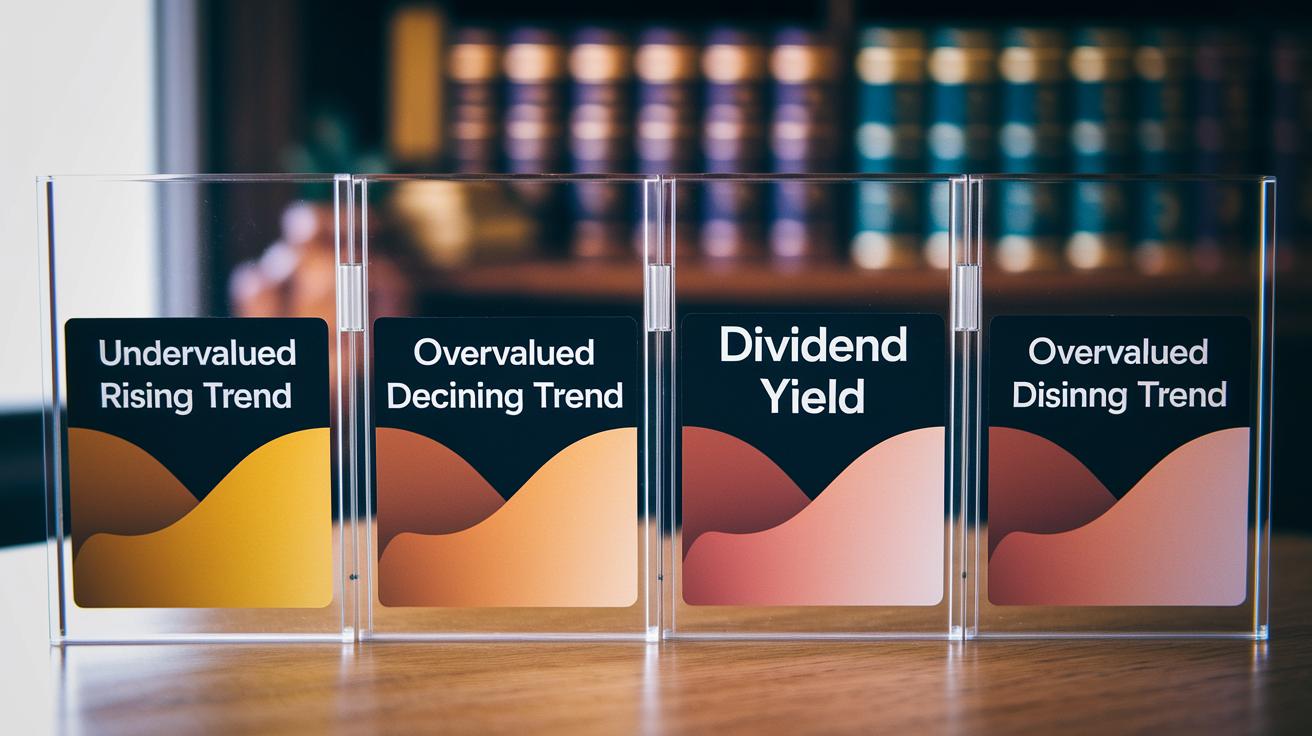
When we talk about investment quality, we're really keeping an eye on how dividend yields (the cash returns from stocks), stock prices, and risk-adjusted returns change over time. These shifts give you a hint about when market conditions might be just right for making a move. For example, if a stock is offering a high dividend yield today compared to its past, it might be signaling a good time to buy. This method focuses on what the dividend tells you, rather than traditional factors like management performance or product lines.
These patterns help shape how you manage risk. When dividend yields spike unexpectedly, it may mean the stock is undervalued, a friendly nudge to consider buying. And if you see prices rising with yields dropping, it might be a smart moment to think about selling or reducing your exposure. It’s a bit like checking your weather app: these trends let you plan your financial day, protecting your capital and aiming for the best returns.
Stocks are grouped into four clear categories based on their price-to-yield profiles. First, an Undervalued stock offers a high yield relative to its price, making it a tempting buy. Next, a Rising Trend shows a moderate drop in yield, which might suggest holding on or exiting gradually. On the other hand, an Overvalued stock has very low yields, often indicating a sell signal. Lastly, a Declining Trend means that falling prices have pushed yields back up to attractive levels, making it a good chance to jump back in. This simple grouping gives you clear buy and sell signals, boosting your confidence in navigating the market.
Historical Evolution of Investment Quality Trends

The story of Investment Quality Trends began on April 1, 1966. It quickly made a name for itself by breaking down dividend yield trends and market shifts into clear, simple insights. In 2002, the newsletter took a new turn when the current Managing Editor, who had spent years at the NYSE and running his own firm since 1990, stepped in. This change strengthened its reputation, assuring readers that they were receiving trustworthy market signals and careful analysis.
Over the years, subscribers have enjoyed steady profits as they tracked dividend yield cycles and adjusted their portfolios. The newsletter’s systematic approach, backed by solid research and practical tools like its Financial Analysis Tools, has been a reliable guide through many market ups and downs. This ongoing commitment to methodical analysis has built long-term confidence among investors who value both careful risk management and real-world performance data.
investment quality trends Boost Financial Confidence

Dividend Yield Theory is a trusted way to pick up market hints. When dividend yields climb well above normal levels, it can signal that big price moves are on the horizon. For example, in the past, when a stock's yield jumped from 2.5% to over 5%, investors often enjoyed notable gains because history showed similar swings marked the start of a rebound.
Undervalued
Stocks in this group show yields much higher than their usual averages. History tells us that these spikes often line up with a market bounce-back. Think about it, when one company’s yield shifted from 3% to 6%, it mirrored a cycle where smart buyers reaped the rewards by picking up shares at lower prices.
Rising Trend
In this phase, stock prices rise gradually, which compresses the yields. During these times, the steady climb in prices can be a signal that holding on might bring ongoing rewards. One cycle even showed that as yields slowly tightened over months, investors were rewarded by watching the steady price increases.
Overvalued
Stocks are considered overvalued when their yields drop to unusually low levels. Past market conditions reveal that such low yields usually come right before prices start to fall. In one instance, a sharp drop in yields warned that prices had reached their peak, prompting many to sell before a downturn.
Declining Trend
When falling stock prices bring yields back to attractive levels, it can set the stage for a market comeback. Historical trends have shown that as yields become appealing again, they often signal a good time for investors to jump back in at better prices. It’s like a natural reset, giving a clear cue for a potential re-entry into the market.
| Category | Price/Yield Profile | Recommended Action |
|---|---|---|
| Undervalued | Yields significantly above historical averages | Strong Buy |
| Rising Trend | Yield compressing with gradual price increases | Hold/Gradual Exit |
| Overvalued | Yields at historic lows | Sell |
| Declining Trend | Falling prices that restore yield levels | Potential Re-entry |
Portfolio Construction Techniques Based on Investment Quality Trends

Model Portfolio Guidelines
Start your portfolio by picking clear criteria based on dividend patterns and past performance. Think of it like choosing a colorful mix of fruits for a healthy snack. With IQ Trends, you focus on the top 300 dividend-paying stocks and pick those that hit your target yield zones. This helps you find stocks that have shown steady dividend habits. Next, for a wider strategic mix, check out the Best Investment Strategies link. This method not only aims to boost your returns but also cuts down risk by relying on regular, clear data updates.
Risk Tolerance Customization
Everyone's comfort with risk is different. If you prefer a cautious approach, choose stocks that have reliably paid dividends over time, they tend to offer smoother growth with fewer surprises. However, if you’re up for a challenge, you might lean toward stocks that show more dramatic yield swings, which could mean higher rewards. By watching factors like income steadiness and market shifts, you create a mix that fits your personal risk style, turning market trends into a strategy that’s just right for you.
Buy/Sell Signal Integration
Using changes in dividend yields can give you clear signals on when to adjust your portfolio. When you see yields jump sharply, it can be a sign to buy undervalued stocks. On the flip side, if yields drop as stock prices climb, it might be time to sell and capture your gains. This approach moves away from a simple, static buy-and-hold plan, letting your portfolio respond to real-time market moves while following clear dividend trends.
Forecasting and Market Trend Evaluation for Investment Quality Trends

Every two weeks, IQ Trends brings you fresh market data that sorts stocks into simple labels like Buy, Sell, Hold, or Ignore. It’s just like getting a weather report for your investments, each update shows you current market conditions and hints at when dividend cycles might be shifting, giving you clues about potential moves.
The forecasts mix together everyday economic signals, early market hints, and long-term yield predictions, all wrapped up with global insights. Our Managing Editor even adds practical thoughts, explaining what these shifts mean in real terms. For instance, changes in global demand and key economic trends from sources like Global Financial Markets are built right into the models. By merging daily economic info with steady dividend trends from different sectors, the analysis highlights shifts that might affect your investing strategy. This flexible approach helps you stay nimble and make smart financial decisions as market moods change.
Case Studies and Analytical Review of Investment Quality Trends

Case studies give us a clear look at how our dividend-yield strategy works in the real world. They show everyday investors turning cyclical dividend signals into steady profits by paying close attention to market shifts. This makes it clear why timing your buy and sell moves is so important when watching dividend yields through different market cycles.
- In 1986, a 14% gain followed a purchase at a 5.2% yield.
- In 1994, an investor earned an 11% return by exiting when yields hit 3.8%.
- In 2002, a 9.5% rebound was seen thanks to Rising Trend signals.
- In 2010, blue-chip dividend cycles led to a 13% gain.
- In 2020, a 7.2% gain emerged despite global market ups and downs.
These examples show that sticking to a systematic dividend-yield strategy can net impressive gains, even when the market feels unpredictable. Take 1986, for instance, buying when yields are unusually high can pay off nicely as prices adjust. And the 1994 example reminds us to stay alert when yields get too tight, which might hint at a change in stock performance. In truth, these cases teach us that understanding the market cycle is key. Timing really does matter. Waiting for the perfect yield conditions can help you maximize gains while keeping risks at bay. By closely watching dividend yield movements, this approach not only promises better risk-adjusted returns but also acts as a solid guide for adjusting your portfolio. All in all, these case studies prove that a disciplined focus on dividend-yield signals can lead to strong, regular outcomes, whether the market is calm or choppy.
Tools and Resources for Monitoring Investment Quality Trends

IQ Trends gives you plenty of ways to keep in touch with the market. Subscribers receive detailed reports, video tutorials, webinars, and podcasts, all designed to make complex ideas easy to understand. For example, there's a 40-minute overview of the investment culture and a 26-minute session on reading charts. Plus, every two weeks you get PDF report compilations and the latest stock news updates, helping you stay on top of the market.
At its core, the service features a dashboard that acts as your real-time market watchtower. It sends clear buy, sell, and hold signals based on the latest dividend yield movements (this is the income you earn from stocks). The dashboard brings together financial analytics and portfolio tracking so you can easily see important numbers and adjust your strategy as needed. With instant access to exclusive data and handy tracking tools, you can manage your portfolio confidently while keeping up with market shifts.
Final Words
In the action, we explored how dividend signals and cyclical quality metrics inform clear buy and sell actions. Our review showed the value of tracking investment quality trends and using real case studies to shape smarter portfolio choices.
We also looked at effective risk and market update strategies that empower investors to benefit from timely insights. Enjoy the rewards of informed decisions and embrace these principles with optimism.
FAQ
What is a high quality investment?
The high quality investment signifies solid dividend yields and balanced price-to-yield profiles. It reflects strong fundamentals and disciplined risk management, providing clear signals for buy, hold, or sell actions.
How can I tell if my investments are doing well?
The investment performance is measured by tracking shifts in dividend yields and risk-adjusted returns. These indicators help classify your holdings into groups, showing whether they are undervalued, rising trend, overvalued, or declining trend.
What do investment quality trends reviews and stock trends reveal?
The reviews and stock trends highlight cyclical shifts in dividend yields, valuations, and risk returns over time. They deliver actionable insights that guide timely decisions to buy or sell based on market cycles.
How do I access IQT Investments or log in at IQtrends?
The mention of IQT Investments and IQtrends refers to secure online platforms. Subscribers sign in to view detailed reports, real-time market signals, and comprehensive financial insights.
What makes an investment newsletter valuable?
A valuable investment newsletter offers clear market insights, case studies, and timely recommendations. It guides investors with actionable data from dividend-yield analysis, helping make benefit-driven decisions.