
Insider buying by company executives can be a powerful signal — a CEO putting millions of dollars of their own money on the line sends a message. Here are some of the largest reported CEO purchases: Elon Musk (TSLA) — $1 billion; Dustin Moskovitz (ASAN) — $339.9 million; Brian Liu (CGON) — $49.9 million; Kelcy Warren (ET) — $36 million. These headline-grabbing amounts range from strategic confidence plays to portfolio moves. Elon’s billion-dollar purchase stands out for its scale. But remember: a big insider buy isn’t a guarantee of future returns. Read on to unpack each name, plus how to interpret insider activity when making investment choices.
Largest CEO Insider Stock Purchases Ever , Quick Rundown

Insider buying by company executives can be a powerful signal , a CEO putting millions of dollars of their own money on the line sends a message. Here are some of the largest reported CEO purchases: Elon Musk (TSLA) , $1 billion; Dustin Moskovitz (ASAN) , $339.9 million; Brian Liu (CGON) , $49.9 million; Kelcy Warren (ET) , $36 million. These headline-grabbing amounts range from strategic confidence plays to portfolio moves. Elon’s billion-dollar purchase stands out for its scale. But remember: a big insider buy isn’t a guarantee of future returns. Read on to unpack each name, plus how to interpret insider activity when making investment choices.
Elon Musk , $1B Bet on Tesla (TSLA)

Elon Musk’s reported $1 billion insider purchase of Tesla stock is remarkable for scale and optics. When a founder of that magnitude reallocates capital into their own publicly traded company, it can boost investor confidence, reset narratives around valuation, and attract momentum traders. But large transactions by iconoclast CEOs can have multiple explanations , from exercising and immediately selling options to shoring up market perception before strategic moves. For retail investors, Musk’s trade is a headline worth noting but not an automatic buy signal. Always pair insider activity with fundamentals, unit economics, and your own risk tolerance before acting.
Dustin Moskovitz , $339.9M on Asana (ASAN)

Dustin Moskovitz, Asana co-founder, appears near the top with roughly $340 million in reported insider buying. When long-time founders make large purchases it often reflects multi-year conviction in growth, product-market fit, and the company’s path to profitability. For Asana, a collaboration-SaaS business, such insider buying may signal faith in subscription growth, enterprise adoption, or margin improvements. Investors should review revenue trends, churn, and enterprise contracts to see if the fundamentals back up management’s apparent confidence. Also check the timing and structure of the purchase, one large block has different implications than a drawn-out accumulation plan.
Brian Liu , $49.9M (CGON)

A reported near-$50 million buy by Brian Liu in CGON lands in the middle of this list. Whether Liu is a founder, CEO, or significant insider, purchases of this size in smaller-cap companies can materially change share float and make outcomes binary , big upside if catalysts land, or concentrated downside if they don’t. For investors, the key questions are what the capital commitment says about the insider’s view of upcoming milestones and whether the purchase is an isolated event or part of sustained buying. Cross-check regulatory filings, recent corporate announcements, and lock-up or dilution risks before interpreting this as a confidence vote.
Kelcy Warren , $36M on Energy Transfer (ET)

Kelcy Warren’s roughly $36 million buy in Energy Transfer reflects insider interest in the midstream energy sector. Energy companies are sensitive to commodity cycles, but insiders like Warren often have long time horizons and deep operational insight. A multi-million purchase here can indicate belief in steady cash flows, dividend sustainability, or an undervaluation relative to assets. That said, energy firms carry cyclical and regulatory risk; insider confidence doesn’t immunize a stock from commodity shocks or policy shifts. If you’re considering following this move, review pipeline volumes, payout ratios, leverage metrics, and macro energy trends alongside the insider activity.
Why Insider Buying Matters

Insider buying matters because executives often have private visibility into growth prospects, contracts, and the company’s financial runway. A meaningful cash commitment from a CEO can reduce information asymmetry and act as a bullish signal for long-term investors. While academic studies show insider purchases can modestly predict outperformance, the signal is noisy, insiders also buy for tax planning, diversification, or to support stock-based compensation strategies. Use insider filings (Form 4 in the U.S.) to track timing, amounts, and recurrence. Multiple, sustained purchases across insiders typically carry more informational weight than a single headline purchase.
How Investors Should Use Insider Buys in Research

Treat insider buys as one input in a broader investment checklist. Start by verifying the Form 4 filing for exact timing and amount, then normalize the purchase size relative to the insider’s net worth and the company’s market cap. Look for patterns, repeated purchases by multiple insiders are more persuasive than a single trade. Cross-reference with fundamentals: revenue trends, margins, cash flow, and recent corporate catalysts. Be wary of 10b5-1 trading plans and scheduled purchases, which dilute informational value. Finally, combine insider data with valuation work and portfolio sizing rules; don’t let a headline buy derail prudent risk management.
Risks and Caveats: What Insider Buys Don’t Guarantee
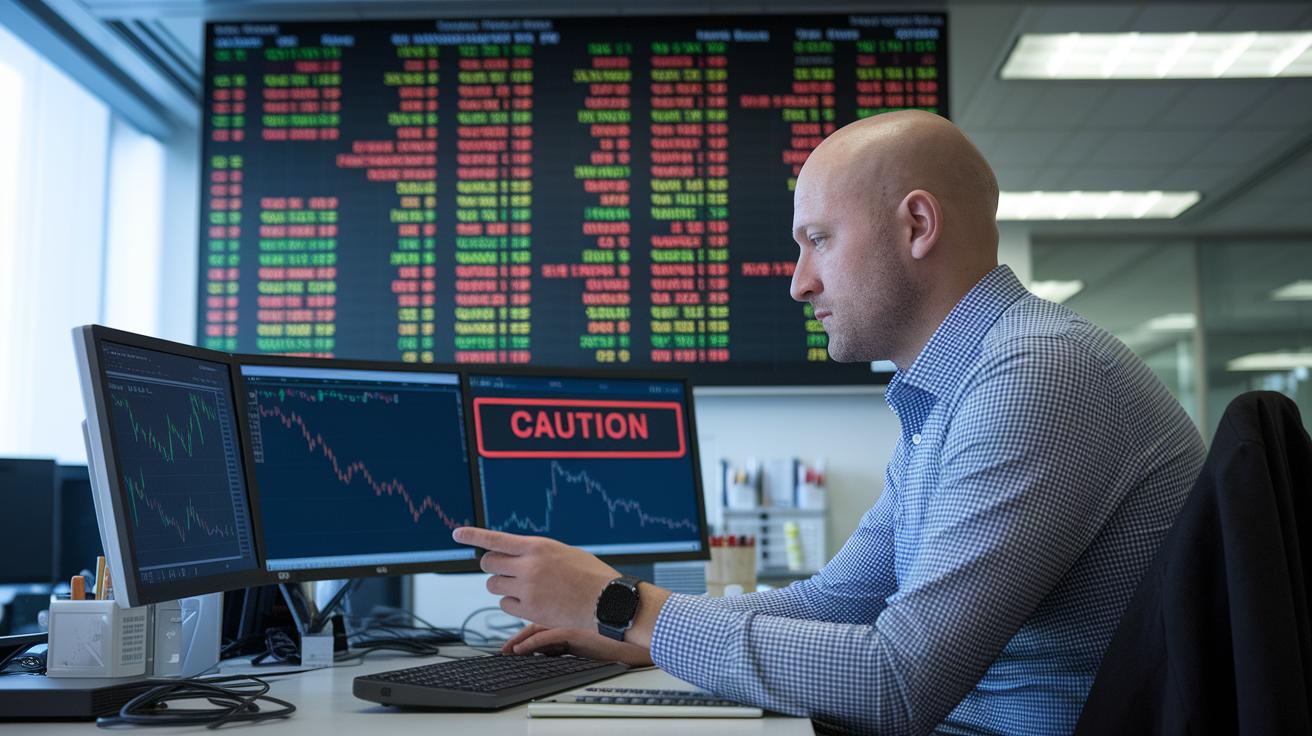
Insider purchases are informative but far from infallible. Executives can be wrong; they may buy for reasons unrelated to future performance like taxes, restrictions, or public relations. 10b5-1 plans allow insiders to set scheduled trades in advance, which removes signaling value. Small-cap insider buys can move prices but also increase volatility and concentration risk. Remember liquidity: large insider purchases can reflect an insider’s desire to support a thinly traded stock, not a revelation about fundamentals. Use insider buying as a prompt for deeper due diligence, not a standalone buy signal; diversification and position sizing remain essential.