
Have you ever noticed how one small flicker on the NVDA candlestick chart can set off a wave in the market? Imagine keeping an eye on real-time patterns that hint at a surprising stock move when you least expect it. In this post, we’ll show you how NVDA’s chart mixes old trends with live activity, giving you clear hints along the way. Each candlestick tells a story, and these clues might just become your secret tool for smart trading.
NVDA Candlestick Chart: Lively Market Cues
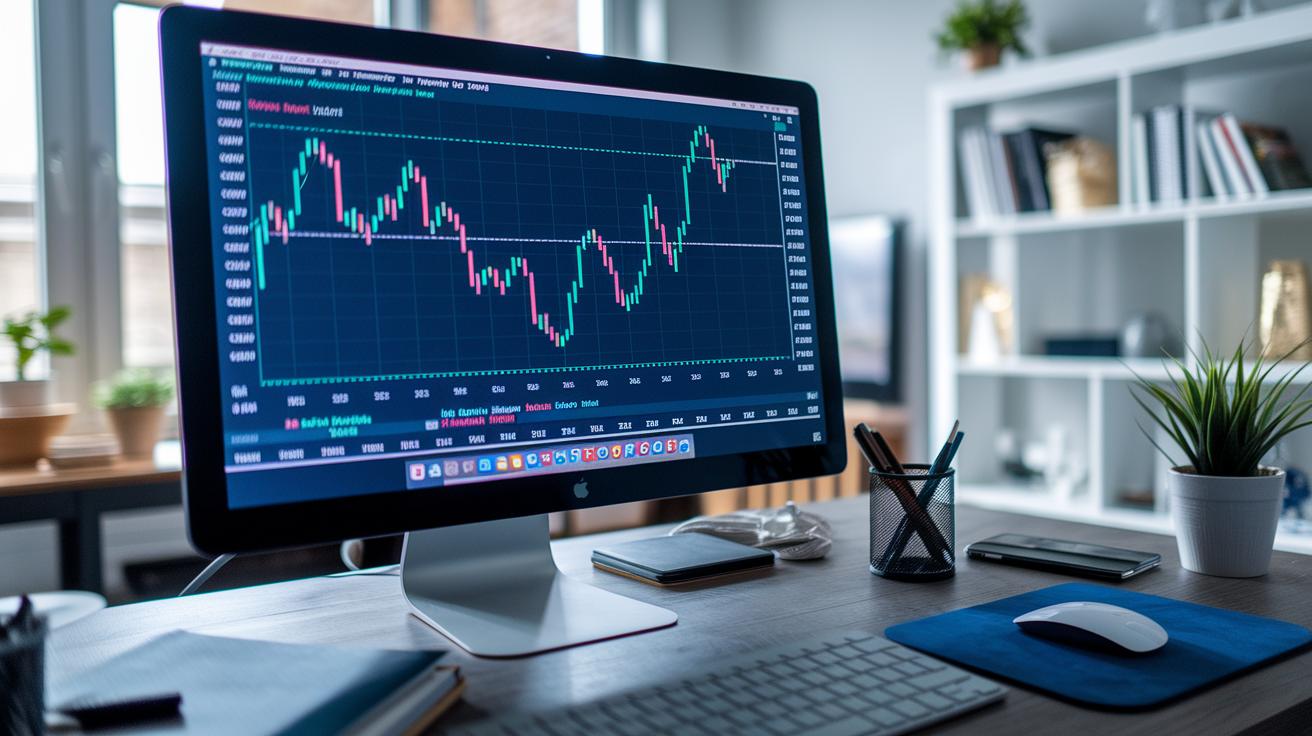
Step into NVDA’s candlestick chart and feel the heartbeat of the market. On the "Live Charts" page, you see real-time price bars that let you quickly check how the stock is moving during the day. Imagine this: a sudden spike in the pattern once hinted at a big change, catching traders by surprise just as the market moved fast. It’s in these small details that real insight shines. With the helpful overlays from Candlecharts.com Advantage, you get a mix of past price trends and live market action, giving you hands-on clues to track stock price moves.
The Candle Trader’s Gallery makes things even simpler by showing real NVDA candlestick examples. Here, you can spot important trading scenarios with clear pictures, and even find real-time alerts. There’s a video that walks you through these tools step by step, from adding overlay studies to switching chart modes, giving you a full view of the market picture.
For those who like to dig deeper, the platform offers handy tools for watching the market live. And if you really want to analyze things further, trusted financial analysis tools are available right on the site. This smart mix of live and historical data boosts your review of candlestick trends beyond the usual basics. If you have any questions or need a bit more help, just call 732-561-2152 or email info@candlecharts.com. All in all, this setup makes checking out NVDA’s candlestick chart both fun and practical for making wise trading choices.
Identifying Key Patterns on NVDA Candlestick Chart

NVDA’s chart tells a story through its candlestick patterns, each one acting like a little signal about what the market might do next. You’ll find familiar shapes such as the doji, hammer, and bullish or bearish engulfing moves. A doji, for instance, shows market indecision with its slim body and long shadows, hinting that the current trend might be losing steam. Then there’s the hammer; imagine it appearing after a dip in price, with a long lower shadow signaling that buyers are starting to step in during uncertain times.
Our video tutorials walk you through these indicators step by step on the NVDA daily chart. They even show how a bullish reversal indicator study (a tool used to spot potential trend changes) may signal that a shift is coming. Sometimes, you might notice a series of engulfing moves that suggest buyers are gaining strength. It’s like piecing together clues that make these technical patterns feel a bit less intimidating.
For more details on best practices in identifying patterns, check out the useful guide on charting in technical analysis.
Here are a few key points to keep in mind:
| Key Aspect | Description |
|---|---|
| Doji Formation | Signals market indecision with a small body and long shadows. |
| Hammer Pattern | Forms after a price drop, with a long lower shadow showing buyer intervention. |
| Bullish Reversal Indicator Study | Helps indicate when a downward trend might be turning up. |
| Engulfing Move Strategy | Hints at rising momentum in favor of buyers when moves cover previous patterns. |
These insights can empower you to read NVDA’s signals with more confidence and act on your trading strategy with clarity.
Multi-Time Frame NVDA Candlestick Chart Analysis
Switching between different timeframes is a smart way to catch trade signals in NVDA candlestick charts. On the Live Charts page, you can easily change from 5-minute, 15-minute, hourly, daily, to weekly views. Each view shows a unique snapshot of price moves and market energy. For example, if you see a sudden dip on the 5-minute chart, take a look at the hourly view to check if this short move fits into a bigger trend, like spotting a hammer pattern over several sessions.
Many traders use several timeframes together to feel more sure about market directions. With Candlecharts.com Advantage, you can see multiple views at once. This lets you notice when a small shift becomes a strong trend. Start by comparing quick, intraday moves with longer-term thoughts, so you can tell if a reversal in one view shows up in another.
Think of it like watching two videos side by side, say the 15-minute and daily charts. If both show rising volume and prices, you know the trend is real. This approach cuts down on guesses and helps you decide the best timing for a trade.
By comparing different timeframes, you get a well-rounded picture of NVDA’s market moves, which helps you trade with both speed and confidence.
Support and Resistance Techniques on NVDA Candlestick Chart

NVDA's candlestick chart gives you an easy look into where prices tend to reverse or hold strong. Using Candlecharts, you can draw real-time support and resistance lines right on the chart. Imagine spotting a level where NVDA consistently bounces back, it shows that buyers are stepping in and keeping the price in check.
The platform also comes with smart features that auto-detect breakout levels, so you spend less time guessing and more time trading confidently. When NVDA breaks through a clearly marked resistance level, it could be indicating a strong breakout. Think about it: if the stock keeps testing a ceiling, a clean move above that level might mean fresh upward momentum is on its way.
Plus, the tools highlight trend continuation points, letting you know if a pullback is just a temporary pause. The simple process of drawing, adjusting, and letting these zones update automatically makes technical analysis a smoother experience. It’s a hands-on way to pinpoint breakout and pullback opportunities with practical precision.
Volume and Moving Average Overlays for NVDA Candlestick Chart
Volume bars below the NVDA candlesticks show you at a glance how active trading is. They help you notice a sudden burst in volume, much like watching a runner get a quick energy boost during a race, confirming that a price breakout might be on the way.
The platform lets you add customizable 50-day and 200-day moving averages to your chart. These averages act like simple signals, when they cross over, they hint at a time to buy or sell. Think of it like a traffic light; a green light might mean it's time to move, while a change could mean you should be cautious. Imagine a quiet market where suddenly the 50-day average climbs above the 200-day average, giving you a clear sign of bullish momentum.
By overlaying these tools on the chart, you blend volume clues with moving average signals to support other momentum indicators and confirm a trend. And if you’re new to this, don’t worry, a handy tutorial video walks you through spotting these cues, so you can make smarter trading decisions with confidence.
Risk Control Strategies Using NVDA Candlestick Chart Signals
NVDA candlestick charts show you more than just price moves, they give you clues to help manage your trade risks. With Candlecharts.com Advantage, you get a handy alert when NVDA shows a clear price gap. Imagine seeing a sudden jump or drop on the chart; that alert might remind you to check your stop-loss settings. This way, you protect your portfolio if the market suddenly turns.
The platform also offers smart limit-order tools that let you plan your entry and exit points ahead of time. For instance, you might place a limit order so that when NVDA hits a certain level, your trade adjusts automatically. It’s like setting a rule: risk one dollar to win two dollars. This clear risk-reward plan helps keep your strategy on track.
Gap price analysis works hand in hand with these risk controls. When you spot a gap, it’s a signal that you might need to tighten your stops. Picture it: an alert pops up saying, "NVDA gap detected; consider repositioning your orders." By keeping a close eye on these signals, you can manage downside risks and adjust your orders to match what the market is doing.
Advanced Scripted Indicators for NVDA Candlestick Chart Automation
Imagine having a tool that keeps an eye on NVDA candlestick patterns for you. With the Candlecharts API and its built-in script editor, you can create custom indicators that automatically scan your charts. It’s like turning complicated market signals into simple, easy-to-read code.
For instance, think of a script that hunts for a bullish engulfing pattern. When it spots the pattern, it lets you know with an alert. Here’s a quick example:
var bullishEngulfing = detectPattern("bullishEngulfing");
if (bullishEngulfing) {
alert("Bullish signal detected on NVDA chart");
}
This script does more than just identify a pattern, it also shows you how to set up automated trading. You can adjust its settings to search for different patterns, making your alerts even more precise.
The platform is built to help you every step of the way. Its easy-to-use editor walks you through the customization process, and video demos offer clear examples of how to create alerts. This makes it simple to implement automated strategies for NVDA candlestick charts and boost your trading efficiency.
Final Words
In the action, we broke down a range of tools, from technical overviews and key pattern recognition to multi-time frame analysis and support-resistance techniques. We also covered how volume, moving averages, and risk control strategies combine for smarter trading.
This guide even touched on advanced scripted indicators to fine-tune your setup. All of these insights work together to boost your confidence when using the nvda candlestick chart. Each strategy offers practical steps to help you make solid, secure moves in the market. Keep pushing forward and trust your process.
FAQ
What does “NVDA candlestick chart TradingView” show?
The NVDA candlestick chart on TradingView shows real‑time price movements and patterns that help traders assess trend direction, reveal market sentiment, and guide entry or exit decisions.
What do TSLA, AMD, SMCI, PLTR, Meta, Google, and AAPL candlestick charts indicate?
Candlestick charts for these stocks capture price action and pattern changes. They let traders compare trends, monitor market moods, and identify signals that can help in making quick trading decisions.
Is NVDA bullish or bearish?
NVDA’s candlestick patterns can show bullish or bearish signals. By analyzing pattern formations, support and resistance levels, and volume, traders get clues to decide if NVDA is moving upward or downward.
What is the most accurate candlestick pattern?
The most accurate candlestick pattern depends on market conditions. Many traders find patterns like the bullish engulfing offer reliable signals, especially when confirmed with volume and other technical indicators.
What is the 3 candlestick rule?
The 3 candlestick rule suggests that a reversal is likely when three consecutive candlesticks confirm a new trend direction, signaling that market pressure has built strongly enough for a potential shift.
What is the RSI indicator for NVDA?
The RSI indicator for NVDA measures momentum by showing if the stock is overbought or oversold. It helps traders decide if the current price move is too rapid, indicating a potential correction ahead.