
Have you ever thought about learning to trade without putting real money on the line? With paper trading, you get to practice buying and selling using fake cash. It’s just like rehearsing your lines before a big play, where every move builds your confidence.
Whether you’re new to the market or trying out a fresh strategy, this risk-free method lets you see real-time market shifts. Give it a shot and experience how virtual trades can set you up for success when you’re ready for live markets.
Paper Trading Fundamentals: How to Practice Trading Without Financial Risk
Paper trading is a bit like rehearsing a play with pretend money. You buy and sell stocks, options, futures, or crypto using virtual cash instead of your own. Ever practice your lines before a big show? That's the idea here. It’s perfect for beginners who want to learn the market basics without any real risk.
In this setup, you work with virtual funds coupled with real-time market data. You place trades just as you would if you were using real money, giving you a clear picture of how things might go. For instance, imagine watching a stock simulation where you see price changes in real time, almost as if you actually owned those shares. It helps you see how different factors can sway your trade outcomes.
This no-risk practice isn’t just for beginners, either. Seasoned traders use paper trading to test out more complex strategies and make sure their plans work under true market conditions. The experience builds confidence and sharpens your trading timing without the worry of losing money. If you're looking to truly understand market mechanics before making live trades, paper trading is a solid starting point.
Top Paper Trading Platforms: Comparing Leading Demo Trading Suites
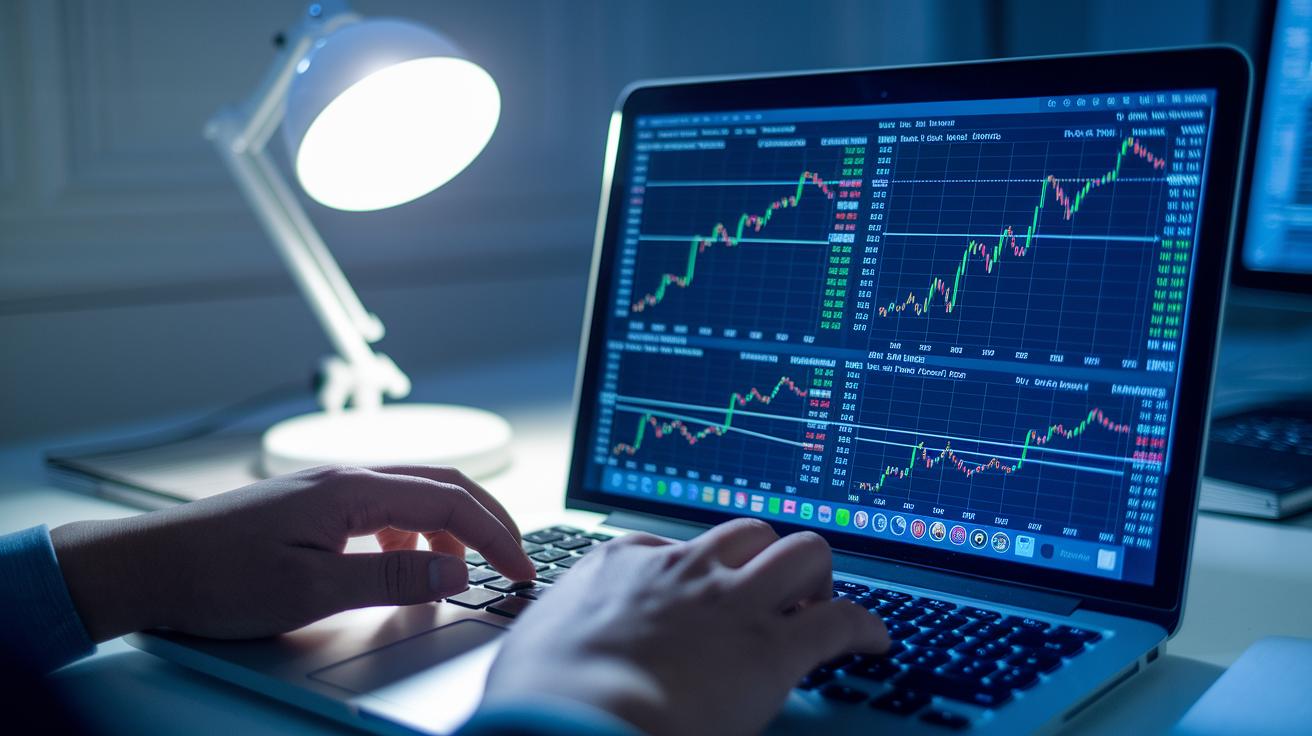
Ever wonder how to test the market without putting your real money on the line? These demo trading suites let you try out strategies in a safe, risk-free way. Here’s a quick rundown of some popular U.S. brokers that offer free paper trading tools.
| Platform | Key Features | Ideal For |
|---|---|---|
| Webull | Easy-to-use design, plenty of chart options, and access through desktop or browser coupled with a crypto simulator. Picture yourself trying out different chart setups effortlessly. | Beginners and casual traders testing out crypto ideas |
| Charles Schwab’s thinkorswim | Includes the PaperMoney feature, live CNBC streaming, and unique market content. Think of it like a mix of a TV news channel with hands-on practice trading. | Traders wanting a rich, data-driven trading experience |
| Interactive Brokers (IBKR Mobile) | Offers global market coverage, a wide range of investments, and intuitive mobile tools. Imagine having a trading platform that spans many markets right at your fingertips. | Advanced traders focusing on international markets |
| E*TRADE’s Power E*TRADE | Features a $1,000 virtual balance, Bloomberg video updates, and strong options tools. It’s like catching a live sports event while you test your trading strategy. | New options traders mixing market news with demo practice |
| TradeStation | Provides automated back-testing, a vast historical database, and real-time quotes. Imagine your trade ideas measured against years of market data. | Algorithmic traders and those focused on rigorous back-testing |
| eToro | Offers a social news feed, the possibility of sharing your virtual portfolio, and community insights. Think of it as a friendly chat blended with simulated trading. | Investors eager to learn from an active community |
Choosing the right platform really depends on your trading style and goals. Look for tools that are easy to navigate, offer clear market data, and include extra features like live streaming or community discussions. This way, whether you’re just starting out or fine-tuning advanced strategies, you can find a demo environment that feels right for you.
Paper Trading: Risk-Free Practice for Success
Setting up a practice account is a clever way to try out your trading ideas without risking any real money. Most U.S. brokers let you paper trade with your regular account at no extra cost. Some brokers, like E*TRADE, might ask for a minimum virtual deposit, say, a $1,000 demo balance. Often, all you have to do is switch on the “paper” or “demo” mode in your settings. Just remember, while the real-time data gives you up-to-date market numbers, you might need to subscribe to that service separately. Every trade you make, along with the profits and losses, stays completely virtual, so you can’t ever take any money out.
To get started, try these simple steps:
- Choose a broker – Pick one that suits your trading style and makes it easy to set up a demo account.
- Register or log in – Create your account using your usual details. It’s like signing up for any other online service.
- Find the demo mode – Look in your account settings for the option to switch to paper or demo trading.
- Add virtual funds – Set up a virtual balance to mimic a real trading scenario. Some brokers add these funds automatically.
- Get live market data – Subscribe to real-time data if needed so that your trading practice reflects the current market.
After you complete these steps, take a minute to check your settings and get cozy with the demo dashboard. Make sure everything works smoothly, especially the market data and trade tools, before you start testing different strategies.
Paper Trading Strategies: Developing and Testing Trade Plans

Paper trading is like a practice run for your trading ideas. It lets you try both hand-made and computer-driven methods without spending any real money. Start by creating your own plan: decide when you'll buy or sell, set clear price targets, and choose how much of your pretend money you'll use per trade. Think of it as putting together a simple recipe, you need the right ingredients at just the right time. For instance, you might decide to "buy when a stock rises above its 50-day average." This way, your strategy stays clear and repeatable.
Next, mix your clear plan with real-life scenarios by using simulation techniques. Use charts that cover different time periods to see trends and patterns, sort of like looking at a picture from many angles to get the full story. Platforms like TradeStation offer real-time quotes along with a long history of data, so you can test everything, from basic chart setups to detailed algorithm trades. Just remember that without real emotions and market slippage, these tests give you a safe space to tweak your strategies before you make real trades.
Backtesting Your Trading Strategies
When you backtest your ideas, focus on finding the right set of past data and fine-tuning your settings. Run your strategy on old market data to check its performance, adjusting your filters and rules as needed. Think of it like watching a game replay to see what you could do better next time. Using tools that check trends on daily, weekly, and monthly charts gives you a clear idea of how your plan might work in different market conditions.
Simulating Risk Management
Risk management in a practice setting means you get to try out position-sizing and set stop-loss orders to keep your potential losses in check. For example, you might set a stop-loss rule to automatically sell if the price drops too much. This is like creating a safety net that prevents your simulated trades from falling too far. As you gather more practice data and insights, continue to refine your approach to handle risk better and build confidence before moving to live trading.
Paper Trading vs Live Trading: Understanding Key Differences
Paper trading is like a rehearsal for real trading. You can practice your strategies using live market data, but without the stress or real money at stake. Even though the data feels real, you miss out on the heart-pounding moments and quick decisions that come with real trades. In live trading, things like delays, partial fills, and market gremlins like liquidity issues pop up, situations that you just don’t face when practicing on paper. You might nail a trade on paper, only to find real markets full of surprises and volatility.
Different brokers also offer various ways to practice. For instance, Charles Schwab gives you demo options that even include options trading. Meanwhile, Fidelity and Robinhood often stick with fractional share trading instead of full simulations. These practice trades usually show the best-case scenarios, and they skip over real-world challenges like long order queues and partial fills. So while paper trading is a great way to get your feet wet without risking anything, jumping into live trading means you’ll need to be ready to handle the real, sometimes messy, market conditions.
Transitioning from Paper Trading to Live Markets: Practical Next Steps

Once your demo account shows steady results, about a 60 to 70 percent win rate over 30 or more trades, it’s time to consider live trading. Start small with real money by using fractional shares or tiny allocations. This helps keep risk low while you test your strategies in a live setting. In real markets, you might see differences like higher execution costs or wider spreads compared to your virtual trades. Think of this step like using a practice launch pad before you fly in real airspace. Each move builds up your confidence and lets you fine-tune your method.
As you start live trading, remember that market behavior can be different from simulated conditions. Ease in slowly, adjusting your position sizes little by little gives you time to get used to real price swings. Treat your initial live trades like hands-on lessons. These small, careful moves let you check your strategy in real time while keeping any unexpected costs at bay.
Final Words
In the action, paper trading gives traders a safe space to test strategies and sharpen their decision-making skills. The post walked through the basics, from setting up a demo account and comparing leading platforms to designing trade plans and addressing live versus simulated market differences.
By practicing in this risk-free setting, you can build confidence and refine techniques before moving to real markets. Keep learning and embracing the insights paper trading offers for a more informed approach to active investing.