
Ever feel bogged down by a flood of market data? Imagine your portfolio tracker working as smoothly as a tuned-up engine. This guide walks you through setting up your coding space, locking in your credentials, and connecting your app to live market data in clear, simple steps.
Picture a tidy workshop where every tool has its spot. Now, apply that idea to your trading app for a neat, efficient setup. If you're looking to streamline your asset tracking while boosting efficiency, this guide offers the straightforward solution you've been waiting for.
Complete Portfolio Tracker API Integration Walkthrough
Start strong by planning your setup. Get your development environment ready with trusty tools like Node.js and npm. Create a fresh React app and set up your workspace. Make sure you have access to the GoldRush Unified API for blockchain data and the Crypto Market Data API for up-to-date and past market values. And don’t forget, store your API keys securely in a .env.local file to keep your credentials safe from prying eyes.
Next, focus on linking your app with the API endpoints. For example, when using the v1/getAssets method, you can smoothly integrate with JavaScript’s fetch function. Ever heard that quirky fact about Marie Curie? Before she became renowned, she once carried test tubes of radioactive material in her pockets, a reminder of how careful setup can lead to big breakthroughs. Replace that with your API call snippet, like this:
fetch(https://api.goldrush.com/v1/getAssets?wallet=YOUR_WALLET_ADDRESS, {
headers: { Authorization: Bearer YOUR_API_KEY }
})
.then(response => response.json())
.then(data => {
// Map JSON to your asset model: tokens, NFTs, and more
});
Once you have the JSON data, organize it clearly to compute key figures like your total portfolio value and percentage gains or losses. Use simple math and clear coding steps to display each asset’s symbol, balance, and current market rate.
Finally, bring your results to life with charts and tables for a crisp, user-friendly investment overview. This practical workflow is your trusty guide for connecting investment data, helping you boost efficiency in your portfolio tracking app.
Development Environment Setup for Portfolio Tracker API Integration

Before you dive in, make sure you have a strong grip on your JavaScript and React basics. Check that Node.js (version 14 or higher) and npm are installed on your computer, they’ll be your trusted tools when you create your new React app with create-react-app. If Python is more your style, set up a virtual environment and install handy libraries like requests and pandas to easily handle HTTP calls and process data.
Next, secure your access to live data by creating a QuickNode account and enabling the Crypto Market Data API Marketplace add-on for sandbox testing. This way, you get a safe space to try out your API interactions without any risk before stepping into production.
Then, make sure you create a .env.local file to store your test API keys. For example, you can add a line such as REACT_APP_API_KEY=YOUR_API_KEY to keep your credentials hidden from your main code. Also, run npm install to grab any necessary SDKs or HTTP client libraries. This careful setup will have your environment ready for smooth API calls and efficient testing, laying a solid foundation for your portfolio tracker’s user-friendly interface and reliable connection to investment data.
With this setup in place, you’ll be well-prepared to build and test your integrations confidently, all while keeping your data safe.
Secure API Authentication and Token Management for Portfolio Trackers
When you get your API key from a service like GoldRush or the Crypto Market Data API, be sure to hide it safely. For example, in a React project, you can add your key to a .env.local file using a line like:
REACT_APP_API_KEY=YOUR_API_KEY
This simple step keeps your private credentials out of your source code where others might see them.
If you're coding in Python, you might want to use secure vaults or cloud-based secret managers. These tools add another layer of protection, much like keeping your valuables in a safe.
When you send HTTP requests, always use HTTPS. This secure method stops anyone from peeking at your token. For instance, you can include your token in the request header by writing:
fetch("https://api.example.com/v1/getAssets", {
headers: { Authorization: Bearer ${process.env.REACT_APP_API_KEY} }
})
This short line of code shows how to safely send your token along with your request.
It’s also smart to plan for token expiration. If your API supports OAuth, you can set up an automatic token refresh. This way, your app always uses a valid token without any extra effort from you.
Lastly, always configure your application to reject any connection that doesn’t pass security checks. This extra caution is like having a guard at the door, ensuring that only valid tokens can access your sensitive financial data.
Calling Portfolio Tracker REST Endpoints and JSON Mapping

Let's start by setting up your REST endpoint URLs. For example, when using JavaScript's fetch method, you can call the v1/getAssets endpoint like this:
fetch(`https://api.example.com/v1/getAssets?wallet=YOUR_WALLET_ADDRESS`, {
  headers: { Authorization: `Bearer YOUR_API_KEY` }
})
  .then(response => response.json())
  .then(data => {
    // Process JSON response here
    // Example: const assets = data.assets;
  })
  .catch(error => console.error("Error fetching assets:", error));
This shows you how to make a secure, authenticated HTTP request. When the request finishes, you'll typically get back a JSON payload that includes things like asset symbols, balances, prices, and timestamps.
Next, you'll want to grab the important data from the JSON and fit it into your app's model. For example, you might pull out details about asset allocation and even calculate your total portfolio value. Here's one way to map that data:
const mappedAssets = data.assets.map(asset => ({
  symbol: asset.symbol,
  balance: asset.balance,
  price: asset.currentPrice,
  timestamp: asset.timestamp
}));
This simple mapping helps you turn the JSON into a format that's easier to work with. Then, if you need to calculate overall metrics like the total value, you can do it by multiplying each asset’s balance by its price. For instance:
const totalValue = mappedAssets.reduce((acc, asset) => acc + (asset.balance * asset.price), 0);
Don't forget to also compute percentage changes if you want to present trends in a straightforward way. By following these steps, you're creating an integration that pulls in real-time API data and connects it seamlessly with your portfolio tracker, pretty much like setting up a smooth, reliable engine for your financial dashboard.
Real-Time Update Configuration and Data Synchronization Techniques
Keeping your portfolio tracker updated is key to seeing the real market changes. One way to do this is by using polling methods. For example, in JavaScript you can use setInterval to call your API every 30 seconds and pull in the latest asset values. Check out this code snippet:
setInterval(() => {
  fetch("https://api.example.com/v1/getAssets?wallet=YOUR_WALLET_ADDRESS", {
    headers: { Authorization: `Bearer ${process.env.REACT_APP_API_KEY}` }
  })
    .then(response => response.json())
    .then(data => {
      // Update UI with fresh data
    })
    .catch(error => console.error("Polling error:", error));
}, 30000);
In Python, you can set up cron jobs to do something similar. Scheduling regular data fetches keeps your information fresh without burdening the API.
Another cool method is using webhooks. If your API supports instant push notifications for on-chain events, webhooks can quickly update your tracker right when changes happen. Many services, like GoldRush or the Crypto Market Data API’s WebSocket, rely on this approach to deliver timely market quotes.
There are also other tricks like making batch calls or forcing synchronization when needed. Using automation scripts to fine-tune these interval configurations can be a game changer. And don’t forget to test everything in a sandbox environment first to make sure your data syncs perfectly before you go live.
Have you ever wondered how a small tweak in your update method could give you that extra edge? It’s all about finding the balance between reliability and performance.
Implementing Error Handling and Troubleshooting API Calls
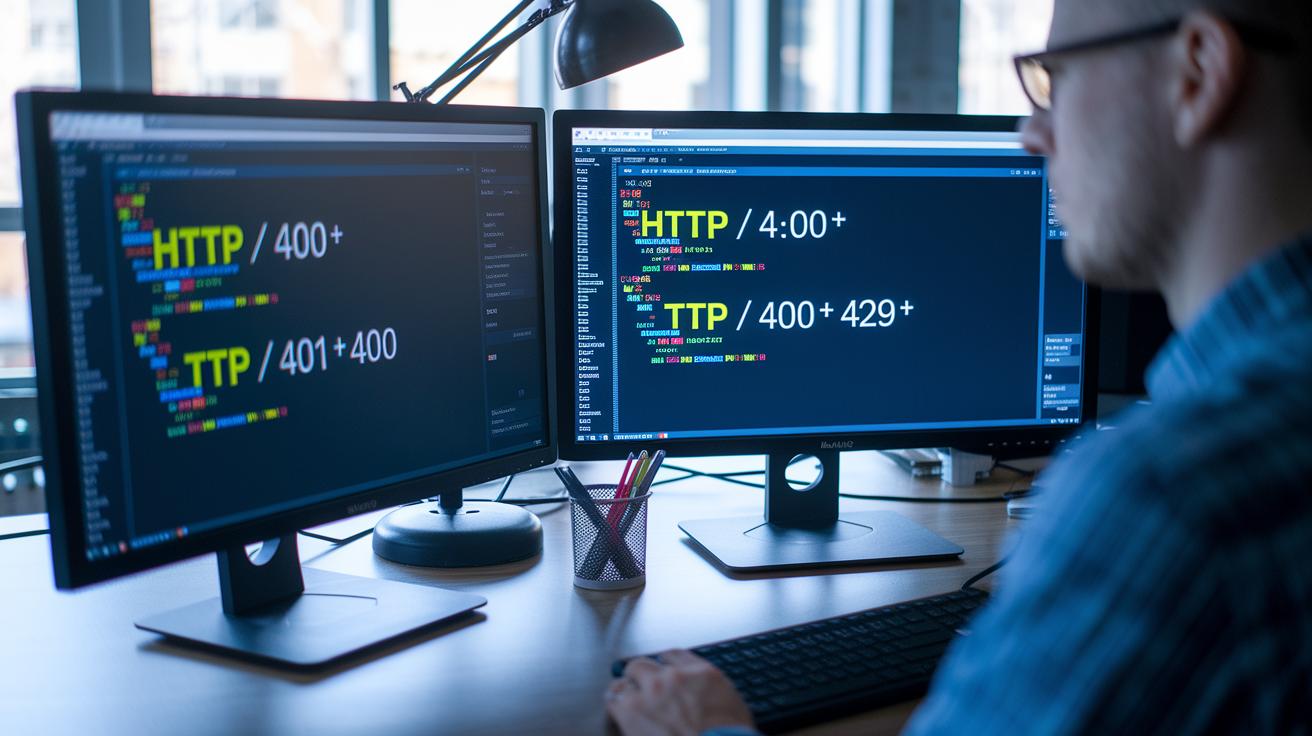
When you're working with portfolio tracker APIs, it’s really important to build in solid error handling. This means you can catch issues like network problems, invalid tokens, or cases where you hit rate limits. One simple way is to check HTTP status codes, like 400, 401, 429, and 500, to figure out what's going on.
For example, if you’re using JavaScript’s fetch, you can add a catch block to capture and log errors. Check out this snippet:
fetch("https://api.example.com/v1/getAssets?wallet=YOUR_WALLET_ADDRESS", {
  headers: { Authorization: `Bearer ${process.env.REACT_APP_API_KEY}` }
})
  .then(response => {
    if (!response.ok) {
      throw new Error("HTTP error " + response.status);
    }
    return response.json();
  })
  .then(data => {
    // Process data here
  })
  .catch(error => console.error("Error fetching assets:", error));
Some key strategies include:
- Using retry logic for temporary network issues
- Setting timeout limits to avoid long waits
- Monitoring rate limits so you can adjust how often you make requests
You can also use console logs or logging libraries to help track down errors and keep an eye on your access logs. If you’re coding in Python, you might use try/except blocks to catch and solve problems in a similar way. By using these methods, you’ll keep your API connection steady, make your tracker more efficient, and ensure you always have the latest investment data at your fingertips.
Performance Optimization and Deployment of Portfolio Tracker API Integration
You can boost your system’s speed by using smart caching methods like in-memory caching or Redis. These tools save commonly used information so you don’t have to call the API over and over. For example, when dealing with many asset requests, try grouping them together. This way, you cut down on waiting time and keep your rate limits in check.
Another cool trick is to run API calls at the same time instead of one after the other. In JavaScript, you can use Promise.all to send several requests together, like Promise.all([fetch(url1), fetch(url2)]). Python folks can use asyncio to get the same effect. This method makes your app feel extra responsive, even on busy days.
Deployment is a big part of keeping your app running smoothly too. For instance, you can quickly launch a React app on services like Vercel or Netlify, making sure it’s both live and fast. Setting up continuous deployment with tools like GitHub Actions means your code is tested and updated automatically, so your app always runs on the latest improvements.
It also helps to configure your cloud-based settings properly and monitor your rate limits so you can adjust how often you make requests. Running load tests regularly will pinpoint any slow spots so you can fix them early. And by using automation scripts to schedule routine checks, you ensure your system stays optimized.
By putting these strategies together, you’re setting up your portfolio tracker to handle high volumes of data smoothly, giving users a reliable and speedy experience every time.
Extending Portfolio Tracker Integrations: SDK Usage and Multi-Environment Deployment

Start by installing the official SDK you need, either GoldRush or Crypto Market Data. This step makes working with the API much easier. For instance, if you’re using React, just run:
npm install goldrush-sdk
Next, bring in the built-in methods provided by the SDK. These functions help you pull asset data or sign your requests without writing the same code over and over. This way, you can keep your authentication process neat and simple.
Now, it’s a smart idea to set up separate environments for development, staging, and production. You can do this by creating different .env files, such as .env.development, .env.staging, and .env.production. For example, your file might include:
REACT_APP_API_KEY=YOUR_DEVELOPMENT_API_KEY
Switching between testing and live setups becomes a breeze. Just swap out the configuration files, and you keep your production data safe from any test mix-ups.
Lastly, create a checklist to ensure you meet all compliance and security rules. This list should cover safe data storage, regular checks on access logs, and rotating API keys on a set schedule. Using the SDK not only cuts down on your coding work, but also helps your project meet the audit and security standards as you grow.
Final Words
In the action, we walked through setting up your development environment, securing API keys, and mapping JSON data for effective portfolio tracking. We covered real-time updates, error handling, performance optimizations, and SDK usage to extend your tools securely. This comprehensive approach, explained in our portfolio tracker API integration guide, provides clear coding instructions and a structured workflow to manage risks while staying market savvy. Enjoy building a solid tool that empowers you to manage investments with confidence and a smile.