
Ever felt like you’re overpaying for your portfolio tracker? At first, the pricing can seem confusing, but each plan is built to fit different investment needs. Think of it like choosing a handy tool: you could start with a simple free option or decide to upgrade for real-time updates, detailed charts, and more.
This article walks you through the different pricing levels. It shows how adding extra features can boost your investment strategy by giving you more control and insight. Have you ever noticed how a small upgrade can make a big difference?
Portfolio Tracker Pricing Explained: Clear Cost Models
When you dive into portfolio tracker pricing, you quickly see that plans are set up in different steps. You can usually choose a free tier, a subscription model, or even an enterprise plan. Each option builds on features like handling many types of assets, offering over 200 broker integrations, access to 60 global markets, and support for hundreds of currencies. Think of it like having a multi-tool for your investments, where every extra piece of software adds to the overall package.
If you go with a free plan, you get a basic view where you manually track your investments along with simple reporting tools. On the other hand, subscription plans lift things up with features like automatic trade imports, live price updates, and easy-to-read charts that show how stocks, ETFs, and funds are doing. And for those who need the very best, enterprise plans include advanced features. These might feature detailed risk checks, tracking dividends, and tools to compare your performance against popular index ETFs.
Advanced tools that let you create custom groupings or keep an eye on your ETF exposure show just how deep the analytics can be. Having a clear fee structure is important, too, it lets you see if each feature is worth its cost. In simple terms, as you get more features and data, you typically pay a bit more.
At the end of the day, knowing what each pricing model offers helps you decide which plan fits your investment style best. If you're juggling many asset types, this clarity helps you pick the plan that gives you the best value for your money.
Portfolio Tracker Pricing Explained: Comparison of Pricing Tiers
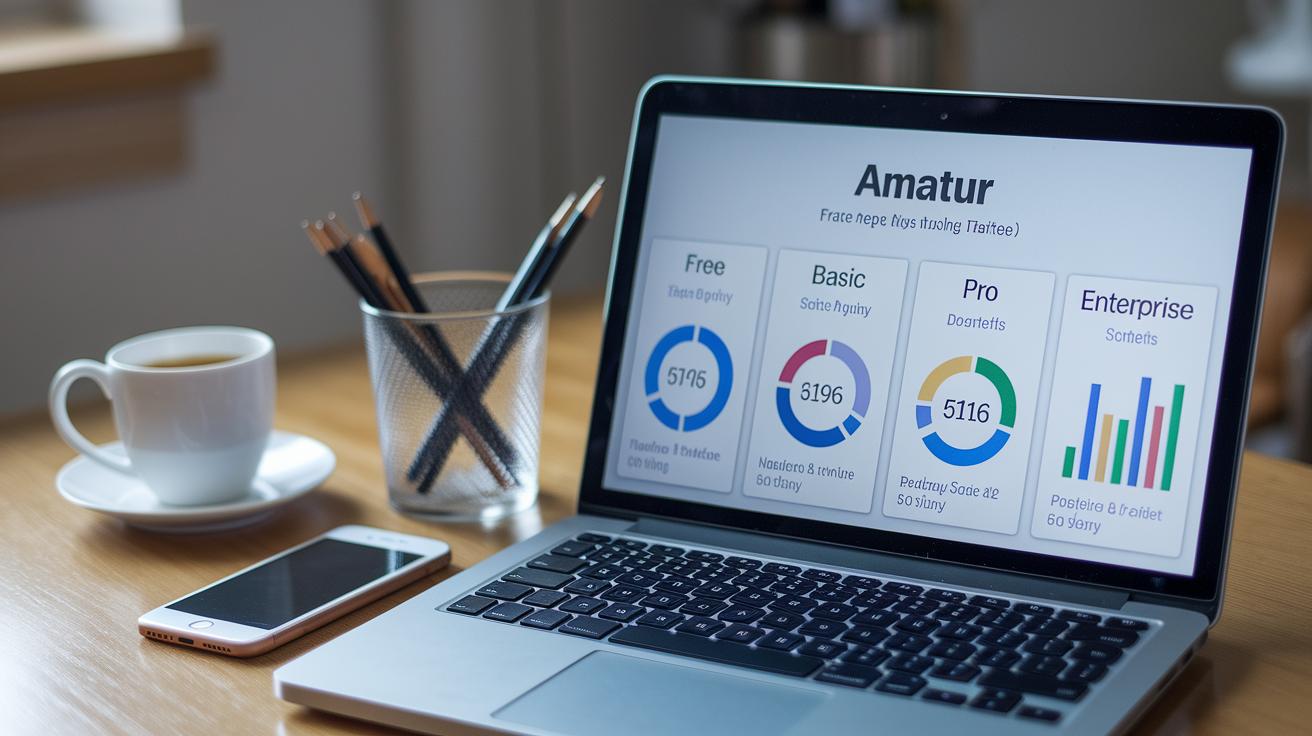
Choosing a plan for your investments is a bit like picking your favorite snack, you want something that fits your taste and needs without any fuss. The Free tier is a solid start if you like doing things manually. It gives you a clear view of your portfolio with a few brokerage connections and keeps things simple and dependable, and best of all, it comes with no cost.
The Basic plan adds a nice touch of convenience. It automatically brings in your stocks, ETFs, and funds and updates their prices in real time. This option is perfect for those who want a little extra help without drowning in complex details.
If you’re looking for something more in-depth, the Pro tier might be your best friend. It dives deeper by providing advanced reports that show how your investments spread across markets, industries, and sectors. It also gives you detailed risk reports using something called Return over Maximum Drawdown, a simple way to understand risk-adjusted performance. It’s a great pick for investors who love clear, detailed insights.
For the professionals handling more complex portfolios, the Enterprise level is designed just for you. It offers top-notch, customizable solutions, bespoke benchmarking, and priority support. This tier makes tracking and analyzing investments as smooth as possible for those who need every edge they can get.
| Tier Name | Monthly Cost | Annual Cost (w/ Discount) | Key Features |
|---|---|---|---|
| Free | $0 | $0 | Unified view, manual tracking, limited brokerage connections |
| Basic | $9.99 | $99.99 | Automated import, real-time price updates |
| Pro | $29.99 | $299.99 | Advanced reporting, diversification analysis, drawdown risk reports |
| Enterprise | $99.99 | $999.99 | White-label solutions, bespoke benchmarking, priority support |
Portfolio Tracker Pricing Explained: Matching Features with Price Points
Portfolio tracker pricing works by linking special features to their costs. If you need custom reports that break down your investments into clear, manageable groups, like checking off items on your grocery list for a balanced meal, those tools usually come with a mid to high price tag.
Advanced tools, such as the Return over Maximum Drawdown (RoMaD) metric, add extra value. This feature shows you how well your investment is doing compared to its potential drop, kind of like comparing a car’s performance to how quickly it can stop in an emergency.
Another handy feature is automated dividend and distribution tracking, which keeps track of your earnings for simpler tax reporting. Think of it as a digital helper quietly tallying your dividends so you can focus on your strategy without getting bogged down in extra number crunching.
| Feature | Pricing Tier | Example |
|---|---|---|
| Custom Reporting | Mid to High-Tier | Like checking your portfolio report similar to a grocery list. |
| RoMaD Risk Evaluation | Premium | Imagine assessing how an asset performs relative to potential loss. |
| Automated Dividend Tracking | High-Level | A digital helper tallying your dividend payments. |
Portfolio Tracker Pricing Explained: Identifying Hidden Fees and Add-Ons

When you're checking out subscription costs, it’s important to watch for extra fees that might sneak in. Sometimes what looks simple can come with hidden charges not shown in the base price.
You might find extra costs when you manually add assets that aren’t standard, like real estate or collectibles. Some plans charge a fee for giving you that extra flexibility.
If you need to export data, such as getting CSV or PDF reports for your tax work, be aware that some trackers will add a fee for data exports. And if you want to connect third-party journals or business-specific modules to match your trading style, there could be an integration fee too.
Managing a multi-currency portfolio is great, but don’t forget that currency-conversion fees might bump up your costs. Plus, if you ever need premium support or a dedicated account manager, make sure to budget for those add-ons.
| Extra Charge | Description |
|---|---|
| Manual-Input Fees | For adding assets like real estate or collectibles not listed in standard holdings. |
| Data Export Fees | Charges when exporting data into CSV, PDF, or other report formats. |
| Integration Fees | Fees for connecting third-party journals or business-specific modules. |
| Currency-Conversion Fees | Surcharges when you manage portfolios with multiple currencies. |
| Premium Support Fees | Extra costs for premium support or having a dedicated account manager. |
Portfolio Tracker Pricing Explained: Free Versus Paid Models
We’ve blended the details from our Clear Cost Models with the comparisons of pricing tiers into one straightforward guide. This approach lets you see the differences and benefits of free versus paid options in one place.
Many investors start simply, jotting down trades by hand, kind of like tracking expenses in a small notebook, without knowing how much smoother things can be with real-time market updates. We kept that unique, down-to-earth perspective while explaining our portfolio tracker pricing.
Portfolio Tracker Pricing Explained: Budget-Friendly Strategies and Alternatives

If you're watching your budget, there are plenty of smart ways to keep an eye on your investments without spending a lot. One simple method is to use an Excel spreadsheet. Think of it like making your own budget: you set up a template to add up price gains and dividends (that is, your total return) and then adjust for any fees by hand. I remember building my tracker in Excel the same way I balanced a checkbook, carefully and with a personal touch.
Another neat option is trying out free digital trackers. These usually give you basic tools, like connecting to a few brokers and handling just one currency. It’s a good choice if your portfolio isn’t too complicated and you’d rather skip monthly fees.
You can also check out open-source or community-driven tools. They let you create a dashboard that fits your style perfectly, like arranging your desk so everything is exactly where you need it, without any ongoing cost.
Here are some budget-friendly choices:
- Traditional Excel templates for calculating total return
- Free digital trackers with basic features and limited broker connections
- Open-source tools that offer fully customizable dashboards
- Free trial periods for pro features such as advanced reporting and risk tools
Free trials let you try out more advanced features without a long-term commitment. This way, you can take a test drive and see if investing a bit more in tools is really worth it for your goals.
Final Words
In the action, we unpacked various pricing models for portfolio trackers. We discussed free, basic, and pro options, highlighting key features like risk evaluation and automated tracking.
We also looked at common extra charges and budget-friendly strategies. This clear breakdown helps you match cost with capability.
With portfolio tracker pricing explained, you can confidently choose the plan that best fits your investment goals and security needs. Enjoy making smart, informed decisions!
FAQ
What does portfolio tracker pricing explained on Reddit mean?
Portfolio tracker pricing explained on Reddit refers to discussions that break down different fee models, features, and hidden costs of tracking platforms, making it easier to compare free versus paid options.
What is Empower Portfolio Tracker?
Empower Portfolio Tracker is a tool that consolidates multiple asset classes and offers automated tracking and clear insights, giving investors a unified view of their financial positions.
What features does a free portfolio tracker offer?
A free portfolio tracker typically provides a basic, manual view of your investments, with limited brokerage connections and essential tracking tools for monitoring performance without subscription costs.
What is the 5% portfolio rule?
The 5% portfolio rule suggests not putting more than 5% of your total investments into a single high-risk asset, promoting a balanced and diversified approach for managing potential losses.
How do you price a portfolio?
Pricing a portfolio involves considering asset values, market conditions, fee structures, and any extra charges from added services to determine the overall worth and performance of your investment mix.
What is the 10% portfolio rule?
The 10% portfolio rule advises that no more than 10% of your investments should be allocated to volatile assets, helping you maintain a diversified portfolio and manage risk effectively.
How much should I pay to have my portfolio managed?
The cost to manage your portfolio varies by service, ranging from inexpensive fees on free trackers to higher charges for customized, enterprise-level management with advanced features.
How can Yahoo! Finance help with portfolio tracking?
Yahoo! Finance offers free real-time quotes, market news, and basic tracking tools that allow you to monitor your investments easily with a simple, user-friendly interface.
How can Google Finance assist with portfolio tracking?
Google Finance provides a straightforward platform for monitoring stocks and mutual funds, offering updated market data and easy-to-read charts that help you keep a clear overview of your investment performance.
What is My Stocks Portfolio & Market?
My Stocks Portfolio & Market is a tool designed for personalized dashboards, customizable charts, and real-time alerts, enabling you to track and analyze your stock investments efficiently.
How does Investing.com support portfolio management?
Investing.com delivers global market data, insightful analysis, and tracking features, giving investors timely news and technical information that can help guide better investment decisions.
What features does TradingView offer for portfolio tracking?
TradingView provides advanced charting, live market data, and a community of investors sharing insights, which enhances portfolio tracking with detailed visual tools and real-time analysis.
How can Seeking Alpha enhance my portfolio management?
Seeking Alpha offers in-depth research, earnings reports, and expert opinions that help turn complex financial information into actionable insights for improving your investment strategy.