
Ever wondered if your portfolio tracker really protects your investments? There are secret codes and secure pathways working behind the scenes to keep your hard-earned money safe.
In this post, we take a closer look at the security features that act like a digital safe for your assets. We explain how strong encryption (a method of scrambling data), safe data transfers (secure ways to move information), and strict access controls work together to guard your details.
Have you ever felt that extra peace of mind knowing your money is secure? Discover why secure tracking is one of the key ingredients to making smart financial choices.
Core Security Features in Portfolio Trackers
When it comes to watching your investments, security has to be top-notch, just as you guard your own assets. Portfolio trackers gather everything from stocks to real estate in one neat spot, so having strong safeguards is a must. These security measures keep your details safe at every turn, which is especially reassuring when market conditions get a bit choppy.
- AES-256 encryption at rest
- TLS 1.2+ for data in transit
- OAuth-based account linking
- Multifactor authentication support
- Role-based access controls
- Regular third-party penetration testing
Simply put, these features are the backbone of protecting your investments over the long haul. They work hand in hand: encrypting your data, making sure it travels securely, and checking that only the right people have access. By using secure logins and regular audits, the system minimizes risks and stands guard against digital threats. This kind of layered protection is essential for anyone who counts on their portfolio tracker to make smart, confident financial decisions.
Encryption and Secure Transmission in Portfolio Trackers
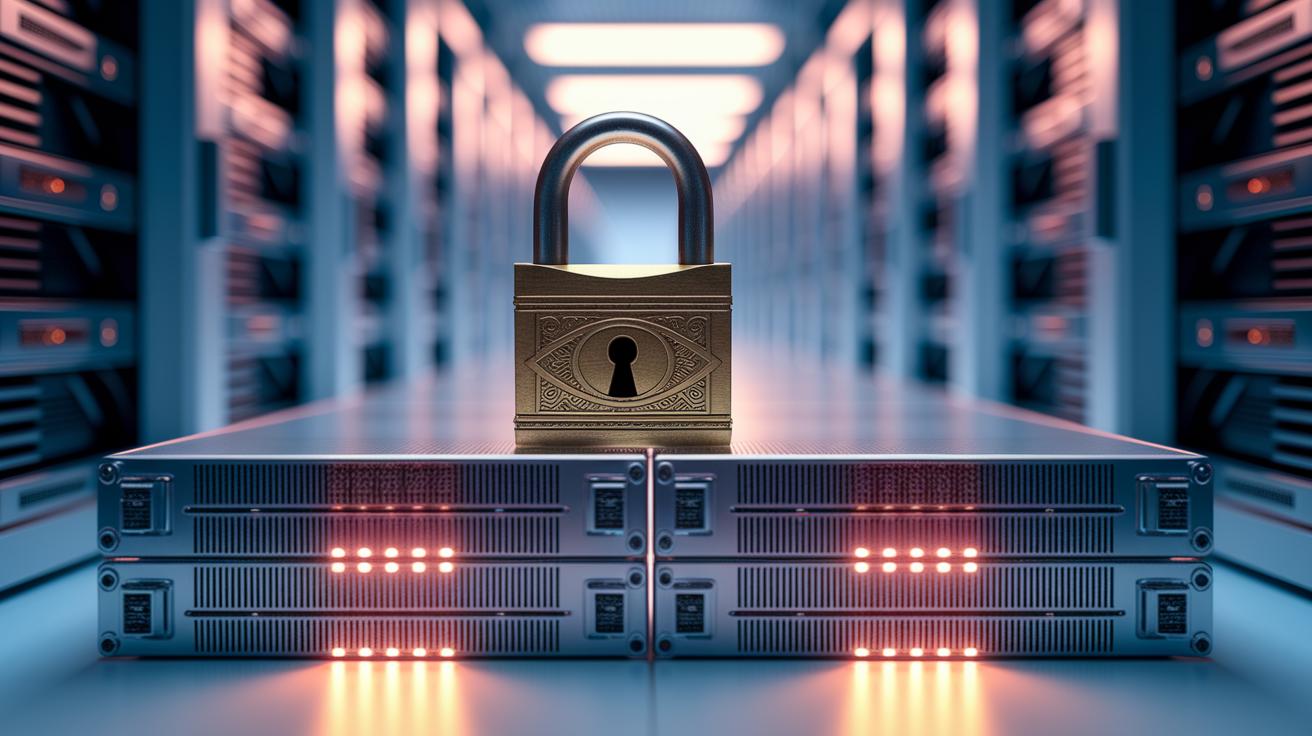
Encryption is like a secret code for your financial details. It scrambles your information so only the right key can unlock it, protecting you from digital thieves. Think of it as the very first line of defense in portfolio trackers.
Portfolio trackers use several methods to secure your data, whether it’s stored on a server or zipping across the internet. When your information sits in a database, what experts call data at rest, advanced systems like AES-256 turn it into a jumble that’s nearly impossible to read without the special key. Even if someone sneaks a glance at the stored data, it would be useless without that key.
On the move, your data stays safe too. Portfolio trackers use protocols like SSL/TLS 1.2+, which work like secure tunnels that carry your details safely from one point to another. These protocols help keep hackers from intercepting your information during things like API calls or regular data exchanges between your device and the server.
To boost security even further, many trackers also use dynamic key management and hardware security modules (HSMs). These are like extra locks on a treasure chest. Regularly changing your keys and using fresh ones on the fly means that even if a key is briefly compromised, it only works for a short time. Plus, public and private key pairs help sign transactions securely, completing a robust defense that keeps your data safe throughout its journey.
Multifactor Authentication and Access Controls for Portfolio Trackers
Using only one password to get into your account is risky. One weak password can open the door to your entire digital investment portfolio, making it easy for strangers to sneak in.
Multifactor authentication (MFA) adds a second layer of safety. It means you don’t just type your password; you also use a code that changes every few seconds or gets sent as a quick text or email. For example, imagine getting a text that says, "Your code is 8421." This extra step makes it a lot tougher for hackers to break in. Plus, these methods fit neatly into the dashboard, so you always know how your safety check is working.
Access controls are just as important. With role-based access control (RBAC), only trusted team members can change the critical settings, while others can only look at your data. This way, only the right people have the power to make big decisions.
Smart settings like session timeouts help even more. If you leave your account idle, the system logs you out automatically, kind of like a store closing its doors when it’s empty. Also, regularly refreshing your security tokens keeps everything up-to-date and greatly reduces the chance of unauthorized access.
Privacy Protocols and Data Storage Practices in Portfolio Trackers

When it comes to storing your crucial financial data, portfolio trackers have two main options: cloud storage and on-site solutions. Cloud storage uses servers that are set up in highly secure data centers. These servers have strong encryption to lock your data and come with regular backups that make managing large datasets much simpler. On-site storage, however, means the institution controls physical servers directly, which gives them hands-on control but also means more work managing security and upkeep.
Data Retention Policies
Most portfolio trackers follow clear rules about how long they keep your data and logs. After a set period, old records are automatically erased. This process helps reduce clutter and minimizes any risks of exposing outdated information. Plus, many platforms let you clean out your data yourself whenever you need to update records or protect sensitive details.
Privacy Settings Configuration
Users have a lot of control over how their information is shared. Portfolio trackers let you export records in secure formats and also offer options for anonymized reporting. This means your personal details can be hidden, keeping your identity safe while still letting you benefit from data insights. Essentially, these options help you decide exactly how much information leaves the platform, so you get the right balance of usefulness and privacy.
Platforms also follow local privacy regulations, like GDPR and CCPA, by setting strict time limits on data storage and using secure backup processes. By sticking to these rules and getting your clear approval, they build trust, ensuring that your financial records stay secure while your privacy is respected.
Real-Time Monitoring and Breach Detection in Portfolio Trackers
Live monitoring is an important way to keep your investments safe. By constantly watching your account activities, portfolio trackers can instantly spot any unusual events. This quick detection gives you the chance to react if something doesn’t seem right.
Intrusion detection systems play a major role here. They use smart machine learning (basically, computers learning from data patterns) to flag things like unexpected transaction spikes or odd login behavior. When something unusual happens, the system sends you an alert by email, text, or directly in the app. Picture getting a message that says, "Notice: Unusual activity from an unrecognized device at 3:15 PM." This immediate alert lets you check if the activity is allowed, helping to stop any security issues before they grow.
Keeping audit logs intact is also crucial. Portfolio trackers record details like login times, IP addresses, and transaction IDs, and they store these records in a way that prevents tampering. When a security breach is detected, these logs become a helpful resource for understanding what went wrong. In this way, solid record-keeping strengthens the overall security and makes it easier to avoid similar problems in the future.
Compliance and Audit Framework for Portfolio Trackers

Portfolio trackers act like guardians for your financial data by sticking to strict standards such as SOC 2 Type II, ISO 27001, PCI DSS, and GDPR. These standards are the gold standard in finance apps, ensuring that data protection, privacy, and system integrity remain solid.
They work hard to keep security top-notch by running regular audits and compliance checks. Many platforms carry out routine vulnerability scans and bring in outside experts for penetration testing every six to twelve months. Inside teams also review the process, making sure updates and patches work as planned. This layered approach not only spots weaknesses but also keeps security verified all the time. Public security reports and audit certifications back up that these platforms truly meet all the external verification steps.
By following these guidelines, portfolio trackers boost user trust and ensure reliable service. Clear audit trails and independent approvals give users confidence that their financial information is handled with the utmost care and transparency.
Final Words
In the action, we explored how portfolio trackers safeguard investor data with strong encryption, multifactor authentication, real-time monitoring, compliance standards, and privacy controls. These portfolio tracker security features explained how each safeguard works together to protect assets and keep financial data secure.
We broke down essential elements like secure logins, regular audits, and breach detection tools, making these strategies simple to understand. This careful mix of technology and trust helps pave the way for secure, smart investing every day.