
Ever wondered if a small change in how the market acts could bring big rewards? Trend analysis is like a trusty compass, showing you the everyday rhythm of customer habits and market moves.
In this chat, we break down how spotting trends turns plain numbers into simple steps that can boost sales and lead to smarter decisions. You'll see how financial markets, new tech, and marketing plans really come alive when data tells its story.
Get ready to explore how fresh insights can completely change the way you look at the business world.
Real-World Applications of Trend Analysis
Trend analysis is all about tracking customer habits, cultural shifts, and market activity to help businesses make smarter decisions. It’s like watching the steady pulse of the market to see what comes next. For example, one month of a rising trend in consumer habits helped a big retailer boost their sales by 30%. Have you ever wondered how a simple insight can spark real change?
Companies use these insights to improve their plans in finance, marketing, and technology. They turn observed data into quick actions. Think about it: if a trend shows that a product is becoming popular, a company might start making more of it before others even catch on.
The process is pretty simple. It involves a few steps:
- First, set clear goals, like predicting what buyers might do or spotting shifts in culture.
- Next, gather steady data over time so you can see how things change.
- Then, break down the data by different groups to find out who is driving the trend.
- After that, think about how social and economic factors shape these trends.
- Finally, turn these insights into actions that can really boost results.
Studies on market behavior show that these easy steps help simplify decisions and guide real-world examples in various industries. In finance, using data helps predict market ups and downs, which can lead to profitable trades. In marketing, catching the latest cultural signals means you can adjust campaigns to really connect with people. In technology, keeping an eye on what consumers like in tech can lead to exciting new products. When done right, trend analysis turns raw data into a powerful tool that gives businesses a real edge.
Applications of Trend Analysis in Financial Markets
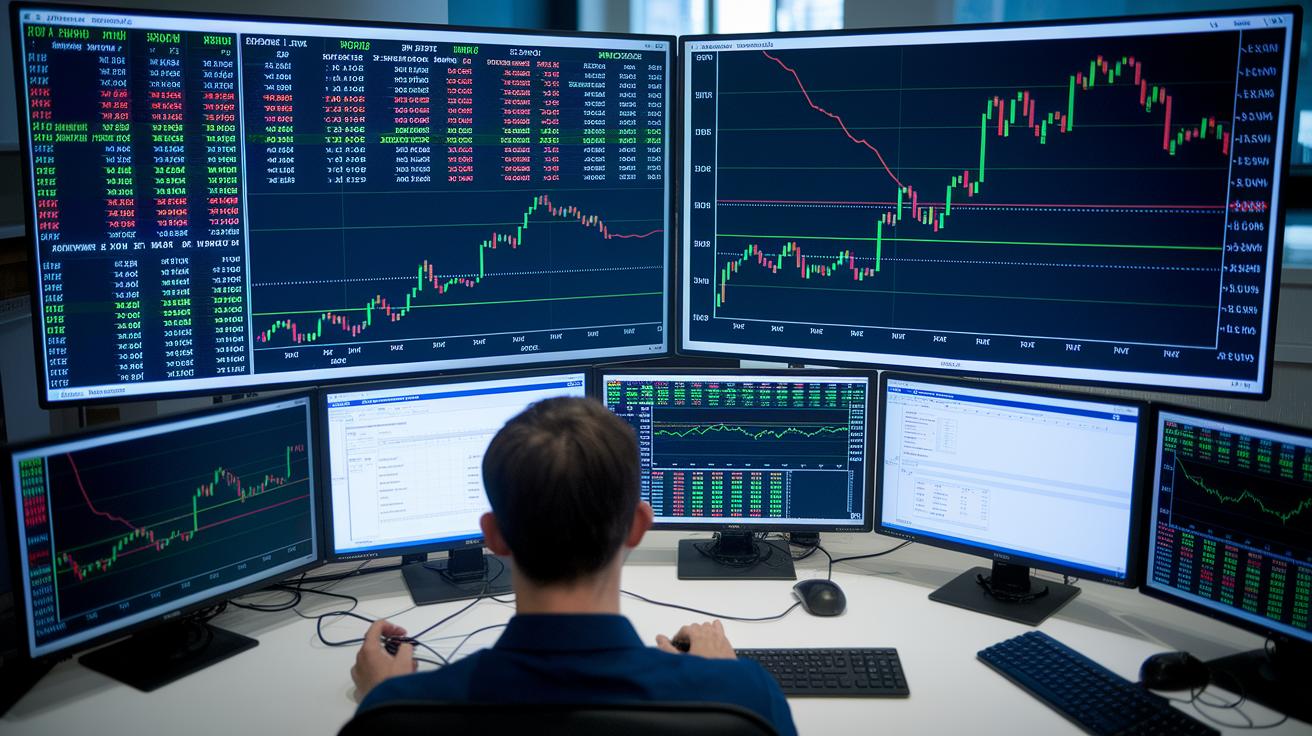
Analysts use tools like moving averages, the Relative Strength Index (RSI, which shows if an asset is gaining or losing strength), and Bollinger Bands (which help visualize how much prices are moving) to see how market prices change. They start by setting a clear goal, such as guessing if a stock will go up or down. Then they collect and clean the price data to make sure it is trustworthy. After that, they use moving averages to even out daily ups and downs, check the RSI for a quick look at an asset’s power, and use Bollinger Bands to spot price swings.
They also use methods like Time Series Analysis to track data over consistent periods. This helps them notice regular cycles in the market. Another handy tool is the Mann-Kendall Trend Test, which checks if trends are steadily rising or falling. With ARIMA models (a way to predict future values based on past trends), experts can aim for more precise forecasts of stock prices. They follow simple steps, including setting clear rules for when to buy or sell after looking at these indicators.
New ideas in regression modeling help tweak their strategies as fresh data comes in. The goal is to build a model that mixes both past patterns and live updates. This approach gives professionals better timing for their investments and helps them catch shifts in the market cycle. Markets move fast, and these methods break down complex price patterns to help manage risks and make smarter trading moves.
Leveraging Trend Analysis for Consumer Behavior Prediction
Trend analysis is like tuning in to the steady pulse of your customers. Marketers keep an eye on online chats, purchase records, and even shifts in culture to guess what consumers might do next. They start by pinpointing a clear goal, maybe it’s boosting ad targeting for a particular product. This focus makes it easier to zero in on the key bits of consumer behavior.
Here’s how they break it down:
| Step | Description |
|---|---|
| 1. Define the Objective | Set a clear goal, like improving engagement with a target audience. |
| 2. Collect Data | Gather steady, reliable information from online interactions, purchases, and more. |
| 3. Segment the Data | Break it down by age groups, interests, or other factors to see unique patterns. |
| 4. Add Context | Mix in social and economic clues to understand why these habits are changing. |
| 5. Use the Insights | Apply what you learn to craft campaigns with messages that hit home. |
Imagine a media platform that tracked lots of online talk and then spotted a rising interest in a new lifestyle trend. They used simple charts and dashboards to turn raw data into images everyone could understand. This helped them tweak their creative strategies in real time. Have you ever felt the excitement of spotting a trend right as it begins?
Visualization tools play a big role, too. They change raw numbers into clear charts and dashboards, making it easy to see shifts in consumer tastes. This way, marketers can adjust targeting, boost engagement, and drive campaign performance, all with insights that are clear and actionable.
When trend analysis is done right, it gives brands the power to design campaigns that truly resonate with their audience.
Improving Operations and Supply Chain with Trend Analysis

Operations teams are using trend analysis to give their production cycles and inventory management a smart boost. They start by collecting steady, reliable data every day to help predict customer demand and figure out how much inventory is needed. For example, one company noticed a seasonal item became popular earlier than expected, so they adjusted production ahead of time.
They keep things simple by following a few clear steps:
- Gather and clean data every day.
- Look for seasonal patterns to see when production peaks and extra staff might be needed.
- Use scenario planning to prepare for any possible supply hiccups.
- Check process details to find opportunities for ongoing improvement.
These techniques let teams forecast changes accurately and make the supply chain run smoother. One manufacturer, for instance, used these insights to tweak their inventory just before a busy season, avoiding a costly overstock. This flexible approach helps managers quickly shift resources and keep every part of the supply chain aligned with what’s happening in the market.
Tools and Frameworks for Practical Trend Analysis
Software platforms today make analyzing trends simple by automating tasks like data collection, cleaning, and visualization. Imagine turning a mountain of raw data into clear, actionable insights. Sometimes, the system is watching live data and even alerts you when a consumer trend begins to rise. AI tools also help speed things up by sorting data, spotting odd behaviors, and forecasting future patterns.
Many of these platforms use ETL pipelines to collect and clean data, time series libraries (like ARIMA or Prophet, which help you see past trends) to predict what might come next, and interactive dashboards that make the insights easy to grab at a glance. When all these pieces work together, your decisions get a boost from solid, data-driven facts.
Advanced data mining techniques also come into play, digging through large datasets and uncovering hidden patterns. Real-time monitoring keeps everything dynamic, letting you adjust your strategies as soon as new info comes in.
| Component | Function |
|---|---|
| ETL Pipelines | Collect and tidy up data |
| Time Series Libraries | Analyze past trends and forecast future values |
| Interactive Dashboards | Display data visually for quick insights |
Tools like these set up a simple, reliable way to turn insights into clear actions without any extra fuss.
Overcoming Challenges in Trend Analysis Applications

When you're sifting through trend data, it can feel a bit like tuning a radio to catch your favorite song among static. Often, the useful clues get lost in everyday data issues like duplicate entries, missing pieces, or old information that just doesn’t match today’s needs.
Sometimes, our models try too hard to mimic the past. They stick so closely to historical data that when something new happens, they can’t keep up. And picking the wrong time intervals for analysis can really throw things off, kind of like watching your favorite show at the wrong speed, where only the parts you expect to see come through clearly.
Try these simple fixes:
- Clean your data thoroughly. A good cleanup helps clear the noise.
- Use tests like the Mann-Kendall Trend Test (a method that checks if a trend is real) to see if the changes are meaningful.
- Apply cross-validation to test if your forecasts are sturdy.
- Set threshold filters to cut down on false signals.
These steps help ensure your data is solid, and the signals you’re picking up are truly reflecting what’s going on. Checking and tweaking your methods regularly is key, just like keeping an eye on your car’s routine maintenance. By following these best practices, you can make smarter, more reliable decisions in the fast-changing world of finance, marketing, and technology.
Future Directions in Practical Trend Analysis Applications
New tech in AI and Big Data is shaking up trend analysis. Businesses now use smart, adjustable forecast models that learn from fresh data almost as soon as it comes in. It’s like having a friendly guide that updates its advice every minute.
Machine learning and ensemble methods, basically, a team of different calculation tricks working together, help us predict market moves faster and with more accuracy. Think of it like mixing different colors to create the perfect shade. Have you ever felt the thrill of seeing the numbers line up just right?
On top of that, new innovations in time-based analytics are changing the game. With tools that combine old and new data, analysts can watch trends as they emerge. This real-time system spots shifts immediately, helping create models that fit new market conditions. It’s much like watching the steady pulse of a busy market and reacting in real time.
Models that adjust to changing data give us insights that keep pace with rapid market shifts. This blend of smart tech and thoughtful analysis is setting a new standard in trend analysis. It points us to a future where our understanding of the market is always evolving and getting stronger.
Final Words
In the action, we broke down trend analysis across finance, marketing, and operations. We looked at everything from setting clear objectives and gathering data to using key tools for forecasting and mitigating risks. We also touched on how smart platforms are reshaping data collection and real-time decision making.
This glance at real-world examples shows how trend insights are applied at every level. With a friendly outlook on growth and innovation, here's to exploring the practical applications of trend analysis.
FAQ
What are practical applications of trend analysis in business and data analysis?
Trend analysis applies to multiple sectors by studying historical patterns in areas like consumer behavior, financial markets, and supply chains. It helps businesses forecast shifts and plan strategic actions.
What is trend analysis in accounting and its overall uses?
Trend analysis in accounting examines financial data over time to spot patterns. It supports budgeting, cost control, and improved financial decision making by clearly revealing shifts in key metrics.
What are the types of trend analysis and how is the formula used?
Trend analysis methods include linear, moving average, and exponential forms. The basic formula calculates percent changes between periods, enabling users to track growth, decline, or stability over time.
When can trend analysis be used and what are some examples?
Trend analysis is useful whenever historical data guides future decisions. Examples include forecasting sales, evaluating market cycles, and predicting changes in consumer demand to inform effective strategy.