
Ever wondered if one headline can change how you trade? Pre market news gives you a quick look at how stocks are feeling before the day even starts.
It’s kind of like checking your morning weather. Investors use those early updates to plan their moves. Overnight surprises, like new reports or earnings, can nudge the market into action before official trading begins.
Today, we’ll show you how these early signals can create positive momentum in your trades, giving you that extra edge to seize the day.
Key Pre-Market Headlines & Overnight Developments
Pre-market trading starts at 7:00 AM and goes on until 9:30 AM EST on weekdays. This window gives investors a chance to respond quickly to news from overnight. Think of it like a morning check on your favorite weather app: you spot the details and plan your day. For example, just as Marie Curie once carried test tubes of radioactive material without realizing the danger, surprising news before the open can spark a big reaction.
Traders keep a close eye on economic releases after 4:00 PM EDT. They watch for Q2 2025 earnings reports, key macroeconomic data from Thomson Reuters, and insights from IPSOS consumer surveys and PCSI economic indicators. This blend of corporate and economic updates helps paint a clear picture of market feelings. Remember, any major updates between Aug 12 at 4:00 PM EDT and Aug 13 at 9:29 AM EDT can signal how busy or volatile the day might get.
Real-time headlines also offer a sneak peek into Fed meeting minutes, which reveal small clues about future monetary moves. Reading these early is like checking the morning forecast; every bit of information might hint at market changes on the way.
Details from corporate earnings add another important layer. When a company beats expectations or offers cautious guidance, stocks can jump or drop even before the market officially opens. Such insights let investors adjust their strategies, whether that means tightening risk controls or seizing an early opportunity.
Finally, the mix of overnight economic reports and live headlines inspires traders to use comprehensive monitors and stock screeners. This combination of quick updates and actionable insights is key to forming a strong trading strategy. It’s all about being ready for shifts in market sentiment as soon as the regular session kicks off.
Pre-Market News on Gainers and Losers

Pre-market trading gives investors a sneak peek at how stocks are performing before the official bell rings. It’s like the early morning stir of a busy kitchen, quiet at first but hinting at the day’s potential. Traders keep an eye out for stocks making big jumps or sharp drops. For example, if a stock rises over 4% on heavy volume, that could be the start of a strong day when the regular session kicks in at 9:30 AM.
Traders often watch for stocks that open much higher or much lower than their previous closing value. These early moves help show where the market might be headed and how many orders are coming in right before regular trading. Have you ever felt that little thrill when you spot a strong early mover? It makes you think, “Maybe there’s a good opportunity here.”
Below is a table showing five leading pre-market movers with their price changes and trading volumes:
| Company | Ticker | Price Change % | Volume |
|---|---|---|---|
| Alpha Corp | ALPC | +3.5% | 150K |
| Beta Inc | BTIN | -2.1% | 200K |
| Gamma Ltd | GMNL | +4.8% | 180K |
| Delta Co | DLTC | -3.2% | 170K |
| Epsilon LLC | EPSL | +2.9% | 160K |
This quick snapshot can help you get a feel for the market’s early energy, guiding you to make smarter moves as trading picks up pace.
Earnings and Economic Indicators in Pre-Market News
Before the market starts, earnings reports and key economic numbers set the stage for trading moves. It’s like checking the market's pulse early in the morning.
For example, Stratasys Ltd (NASDAQ: SSYS) posted a strong Q2 2025 revenue beat but offered a softer outlook for the full year. This mix of good news and caution may leave traders feeling both hopeful and wary. They might then take a closer look at earnings from Company A, Company B, and Company C to see if these trends are spreading.
Next, planned data releases add more layers to the morning’s story. Traders keep an eye on previews of Fed minutes for hints about upcoming monetary policy, kind of like checking the weather before you head out. US CPI numbers from Thomson Reuters hint at inflation trends, and PCSI consumer confidence scores show how shoppers feel about spending. Imagine reading a report that makes you wonder, “Could this shift today’s market mood?”
Every bit of this data shapes important trading decisions. When investors connect the dots between company earnings and economic stats, they can spot changes and adjust their trades. In truth, combining these pieces of information is key to starting the day with a smart, proactive trading strategy.
Global Pre-Market News: International Market Influences
Early trading activity in Asia and Europe is kicking off a day of potential gains ahead of the US open. In simple terms, key indexes ended the last session with different outcomes – the Nikkei climbed by 0.8%, the Hang Seng dropped by 1.1%, and the Stoxx 600 fell by 0.3%. These early signals help guide investors who are getting ready for the US market. It’s like when you see your friend’s small win and feel ready to take on the day too.
Traders are watching these international moves closely because they help set expectations. A strong session in Asia might lead to early buying in the US, while drops in Europe, like those in the Stoxx 600, serve as a reminder to be a bit more cautious. On top of that, news like solid bond auction results from the EMEA region adds another layer of interest for those eager to catch a good opportunity before the US market opens at 9:30 AM EST.
Think of tracking these global cues as checking the weather before you head out, it gives you a sense of what to expect and helps you plan a smart trading strategy.
Tools and Charts for Pre-Market News Analysis
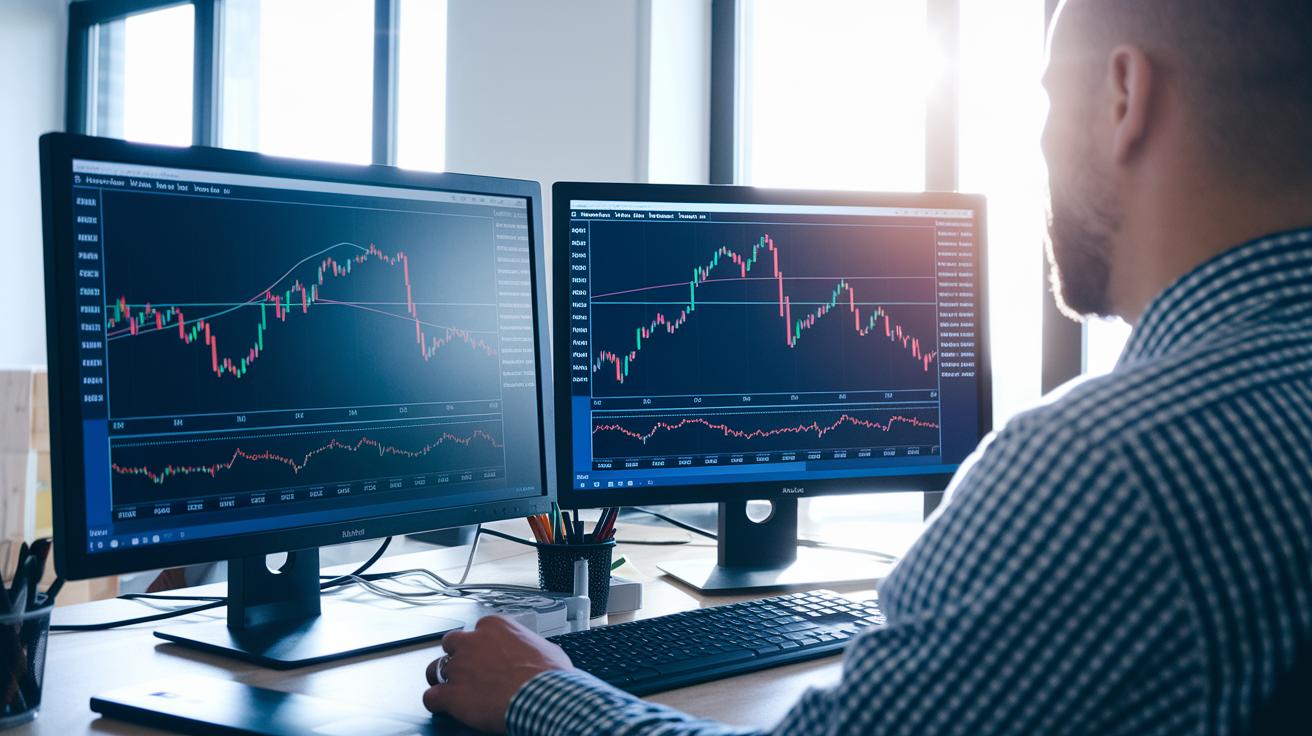
When early trading starts, having the right tools is a real lifesaver. Many platforms now offer features like stock screeners, full-screen charts, market monitors, and earnings analyzers. They help you track the market’s early moves between 7:00 AM and 9:30 AM EST and make sense of quick signals before the bell rings.
For example, imagine a full-screen chart lighting up with a sudden price jump, or a market monitor catching a spike in volume. These signs hint at strong early buying or selling and give you a peek at the day’s potential.
Technical signals like RSI, MACD, and the Piotroski F-score break down market chatter into clear signals. Simply put, they help show when a stock might be overbought or oversold. Many traders use these numbers as a guide, they check technical analysis tools to spot early shifts in the market.
Pairing these technical tools with live stock screeners lets you compare data side-by-side. This setup not only highlights gap-up leaders and gap-down decliners but also fuels that quick, positive trading momentum. With earnings data and market monitors on display, you step into the trading day with a clear view and solid confidence.
In truth, these advanced tools turn raw data into easy-to-read signals that spark action. With every screen and chart, you get the insight you need to trade smart, and that makes all the difference.
pre-market news: Spark Positive Trading Momentum

Traders kick off their day by tuning into pre-market news from 7:00 AM to 9:30 AM EST. In this early stretch, you might notice things like lower liquidity (how quickly an asset can be bought or sold), wide bid-ask spreads (the difference between buying and selling prices), and higher volatility. Simply put, prices can swing quickly, and there aren't as many orders on the board, so being ready for fast changes is key.
During this time, making quick decisions becomes super important. Having solid risk controls is like having a trusted friend by your side, it keeps you on track when the market feels unpredictable. Some traders even lean on automated systems to help manage these tricky moments. With automated order placement, your trades can move faster than if you were trading by hand. For example, pre-programmed systems can take in fresh data and act immediately, cutting through the noise.
Here are some simple tips to help you stay ahead:
- Keep an eye on real-time news feeds and market monitors to catch early signals.
- Use automated order placement. (Learn more about algorithmic trading strategies for techniques that boost speed.)
- Stick to strict risk controls to deal with sudden price swings and wide spreads.
- Watch key market indicators that might hint at important price moves.
By mixing these practical strategies, you can harness the early momentum of the pre-market hours and bring that energy into a balanced and well-managed trading plan.
Final Words
In the action, we explored a range of pre-market news topics that shed light on overnight market trends and strategic insights. The post broke down core headlines, top gainers and losers, key earnings, economic indicators, and global influences. It also offered practical tools and strategies that can help manage risks in early trading sessions. Each section delivers clear signals and actionable tips to guide your decisions while ensuring your financial data stays secure. The market is buzzing, get out there feeling informed and ready for the open.
FAQ
What is the update on pre market news today and live?
The pre market news today and live offers real-time updates on overnight economic data, corporate earnings, and geopolitical events, helping traders prepare for the official session open.
What does Trump stock market news today cover?
The Trump stock market news today typically covers political statements and policy shifts that influence market sentiment and can trigger specific trading moves or volatility in the markets.
How do Nasdaq futures and stock futures for Monday indicate market direction?
The Nasdaq futures and stock futures for Monday often reflect overnight trading trends and international cues, giving a preview of the market’s anticipated opening levels and potential volatility.
What do pre market reports from CNN and Nasdaq include?
The pre market reports from CNN and Nasdaq provide essential insights on early trading moves, economic indicators, and key corporate updates that shape the market’s mood before the session begins.
What does stock market news generally cover?
The stock market news covers a broad range of topics including corporate earnings, global economic indicators, and market sentiment, giving investors a comprehensive picture of current trading conditions.
How does premarket trading affect opening prices?
The premarket trading affects opening prices by setting early trade expectations; the activity and sentiment during this period help shape the price direction when the market formally opens.
What stocks could be considered to buy before the market opens?
The stocks to buy before the market opens are often those showing strong pre-market movement, such as gap-up leaders or companies with favorable earnings or volume surges, aligning with your trading strategy.
Why might there be no pre-market activity today?
The absence of pre-market activity today may be due to market holidays, technical issues, or planned breaks in trading sessions, which occasionally occur and pause early trading.
How can I find pre-market gappers effectively?
You can find pre-market gappers by using stock screeners and live market monitors that track significant price and volume changes, helping you identify early trading opportunities efficiently.