
Have you ever wondered if a few smart trading tools could really boost your success? Today, we’re chatting about three quant trading tools that might change the way you invest.
We spent some time checking out each tool for daily data, backtesting (a way to see how a strategy might have worked in the past), and automation features. Our goal was to find out which ones really stand apart.
Each platform blends useful, everyday features with a design that’s easy to use. Imagine it like mixing up a perfect recipe where every ingredient counts.
Stick around to see which tool might light a spark in your trading journey and help your strategy work just a bit better.
Quantitative Trading Tools Comparison: Top Platforms at a Glance

If you're on the lookout for powerful trading tools, we've taken a close look at platforms that offer a mix of smart features. We looked at tools that pull in daily data, have strong backtesting modules, and even provide automation options to suit different trading styles. We also made sure these platforms offer both free and premium plans and come with user-friendly interfaces. Essentially, we wanted tools that cover deep quantitative ratings, clear technical analysis, and easy navigation, ideal for both long-term investors and fast-paced traders.
| Name | Price | Key Quant Features | Rating |
|---|---|---|---|
| Zen Ratings | Free / $19.50/month | Analyzes 4,600+ US stocks; 115 quantitative factors | N/A |
| TrendSpider | $52.38–$155.55/month | Automated technical analysis; sophisticated backtesting | N/A |
| Motley Fool Epic | $499/year ($299 first year) | Combines multiple newsletters with quant features | N/A |
| Finviz | Free / Elite upgrade | Advanced stock screening; quantitative market data | 4.5/5 (Elite 4.0/5) |
| Stock Market Guides | $69/month (options) / $49/month (swing) | DIY scanners built on quantitative principles | N/A |
| Seeking Alpha Premium | Subscription-based | Proprietary data integration; analyst ratings | 4.6/5 |
| Mindful Trader | Subscription-based | Backtested trade alerts from decades of market data | 4.0/5 |
If you're thinking long-term, Seeking Alpha Premium or Motley Fool Epic might be right up your alley for deep market research and insights. But if you're more about quick trades and immediate data, TrendSpider or Finviz could be the perfect fit. Each platform brings its own set of features, giving you the freedom to choose the one that best matches your trading style.
Core Functionalities of Quantitative Trading Software

Many quant trading platforms give you options with different pricing plans, so you can pick the one that fits your needs. For example, Zen Ratings offers a premium plan for $19.50 per month, while TrendSpider has plans ranging from $52.38 to $155.55 monthly. Motley Fool Epic costs $499 per year but often drops to around $299 for the first year. This variety means you can balance the cost with the level of details and tools you need.
Integration is another big deal. Most platforms let you hook up with external databases through REST APIs (tools that let different systems exchange data) and data connectors. They support popular coding languages like Python and R, which means you can write your own scripts to pull in unique market data or adjust models. It’s kind of like adding extra spices to a favorite recipe, giving you a personal touch.
Also, many of these tools come with modules that offer deep financial modeling, live data feeds, and interactive dashboards. These features help traders test strategies and watch their performance as the market moves. Think of it like checking your car’s dashboard, you get a clear picture of what’s happening in real time, making it easier to adjust on the fly.
Algorithmic Execution Platforms: Automated Order Management for Quant Strategies

At the heart of these platforms are order engines that make trades happen automatically. They hook up smoothly with brokers so that orders move quickly from planning to market. Even a tiny delay can make a big difference, so every moment counts. Think of the order engine as the heart and its connection to brokers as the lifeblood, working together like a well-tuned sports car on a race track.
High-frequency trading steps up that speed even more. Smart order routing systems keep a constant eye on market conditions and decide the best way to place orders. It’s a bit like a relay race, where each baton pass is timed perfectly. The platform finds the fastest route across various exchanges to get the best prices and cut down on slip-ups. Here, even a few milliseconds can be a game changer.
These advanced features have lots of real-world uses. For instance, VWAP/TWAP orders break big trades into smaller parts to avoid shaking up the market too much, while iceberg orders hide most of a trade’s size by showing only a little bit at a time. Plus, microstructure analysis looks at the fine details of how orders flow to help traders understand market moves better. All these tools let traders choose strategies that range from careful and steady moves to bold, high-speed decisions, giving them a real edge in a competitive market.
Backtesting Engines and Strategy Simulation Environments in Quant Trading Tools

Backtesting engines help you see how a trading strategy might have worked in the past using old data. The more years of data you have, the better you can picture how a strategy would handle different market phases. For example, TrendSpider has built-in backtesting for technical strategies so you can see clear performance reports over many years. It feels a bit like watching decades of market activity play out to see if your idea holds up.
Optimization tools take things further by tweaking your strategy for better results. Think of parameter sweeps as trying out different settings to find the best one, and walk-forward analysis as checking your model against changing time frames. With decades of backtested data, Mindful Trader can send trade alerts that show just how much these tools improve a strategy's trustworthiness. This level of fine-tuning helps you shift gears as the market changes.
Strategy sandbox environments offer a safe space to practice trades before you risk real money. Platforms like Zen Ratings use daily factor analysis across 115 metrics to create mock ranking strategies that feel much like real trading, but without the risk. This practice zone is perfect for checking how a model really performs, so when you go live, placing a trade feels as natural as taking a test drive.
Market Data Integration and Technical Indicator Suites in Quant Trading Tools
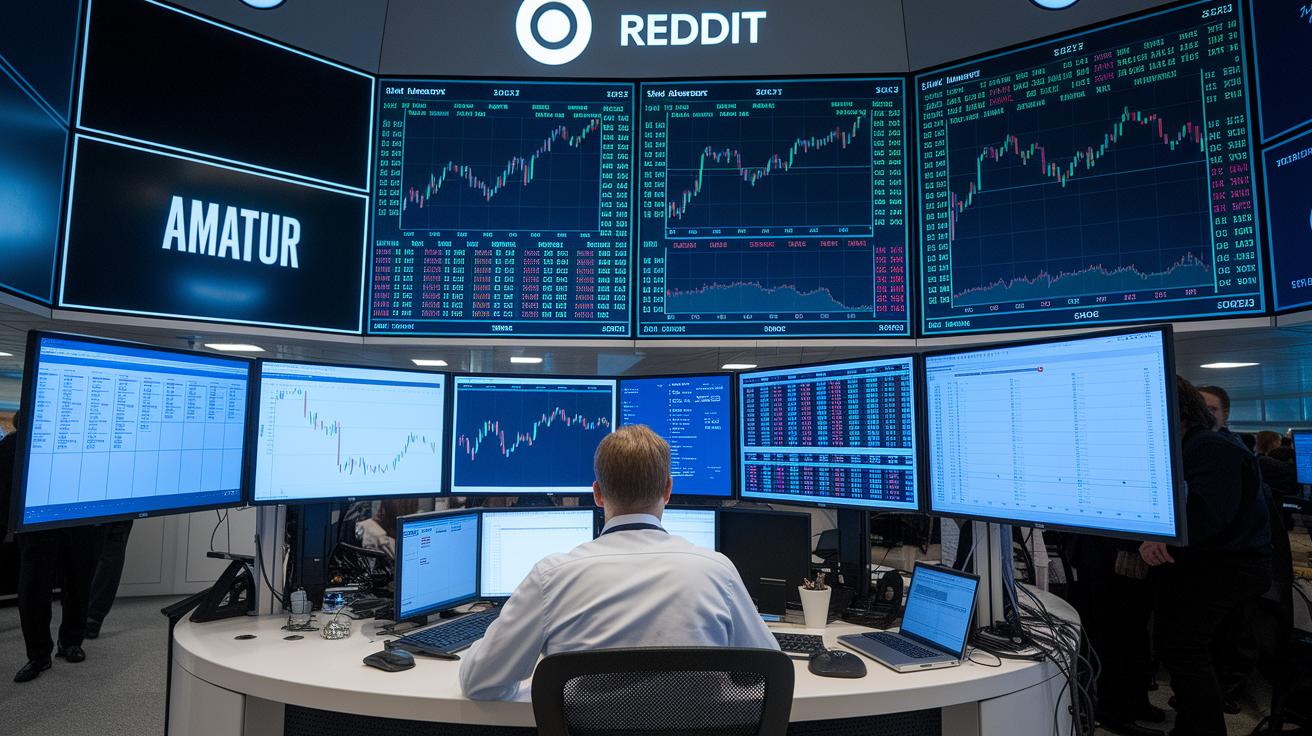
Many quant trading tools pull in both live and delayed market data so you can always stay up-to-date. They use methods like exchange APIs or CSV imports to bring in the numbers. For instance, Zen Ratings updates more than 4,600 US stocks daily using 115 different factors. This gives you a broad picture of the market as it changes. Finviz, on the other hand, provides real-time data and handy screening filters so you can catch trends as they form. Whether you’re watching live exchanges or looking at past snapshots, you’re in the loop.
Built-in technical indicators are like your personal market guides. Tools like moving averages, RSI (a measure of whether a stock might be too high or too low), and MACD help spot trends and momentum shifts. Imagine this: a stock gets close to its 50-day moving average and the RSI tells you it’s overbought. That signal could be a nudge to re-check your trading plan. It’s a clear way to turn data into everyday trading decisions.
Modern trading tools are now even smarter with machine learning signal generators. These systems act like a sharp-eyed assistant, scanning heaps of data using pattern recognition and sentiment analysis (which checks the overall mood of the market). They help pick up on subtle shifts in behavior, so you can refine exactly when to jump into or out of a trade.
Portfolio Optimization Models and Risk Assessment Modules for Quant Trading Tools

Imagine having a smart balance that fine-tunes your investments. Quant trading tools help you do just that using models like mean-variance optimization, CVaR (which gives a simple look at potential losses during extreme market swings), and Sharpe-ratio maximization. These tools work by assigning weights to different assets, almost like mixing the perfect recipe for your portfolio to aim for a solid balance of risk and reward.
Stress-testing and scenario analysis are like a practice run for your investments. They simulate different market shocks, think sudden changes in interest rates or unexpected price drops, to show you where your portfolio might be vulnerable. This way, you can see how your strategy might hold up in a real market storm before you actually trade live.
Today’s platforms often come with built-in factor-based risk models and dynamic rebalancing features. It’s like having a watchful assistant that keeps an eye on your portfolio and adjusts your asset mix as market conditions change. This helps you stay confident, knowing your investments are managed in a way that supports a strong, resilient financial strategy.
Expert Tips for Implementing Quant Trading Tools in Algorithmic Strategies

Begin by dialing in your calibration. Start with the basics: pick the parameters that best match your trading model’s aim. For example, consider using a 20-day moving average along with standard deviation bands of ±2 standard deviations to measure how prices revert toward the mean. Then, do walk-forward tests to see how well your choices hold up across different time periods. Adjust your thresholds until you get consistently good results. And don’t worry, fine-tuning is part of the process.
When your strategy is up and running, set up a solid system to watch its performance. Check your profit and loss daily and keep an eye on slippage (unexpected trading costs) to catch any surprises. It’s a smart move to review your strategy on a regular basis, stepping back to see if market conditions have changed and if you need to update any settings. Even small tweaks can make a big difference over time. For more options on building custom backtest models, take a look at financial modeling tools.
Final Words
In the action, we explored a range of quant trading tools from side-by-side comparisons to deep dives into functionalities like backtesting, market data integration, and risk assessment modules. We broke down subscription pricing, technical features, and platform ratings, guiding readers through automated order management and algorithmic execution platforms.
This clear overview helps active traders and informed beginners find tools to match their trading style. With strategic insights and positive momentum, trading smarter feels closer than ever.
FAQ
How is quant trading discussed on Reddit?
The inquiry about quant trading tools on Reddit reflects community discussions where traders share practical experiences, platform insights, and user reviews to guide tool selection.
How can I download quant trading tools?
Requests for downloading quant trading tools highlight that many platforms offer accessible downloads or web-based interfaces directly from their official sites, making access straightforward.
What is QuantConnect?
QuantConnect is a cloud-based platform that lets traders build, backtest, and run algorithmic strategies using robust data sets and coding support.
How do reviews compare the best quant trading tools?
Reviews of quant trading tools offer detailed comparisons on pricing, core features, and performance metrics, helping traders match platforms with their specific goals.
What free or beginner-friendly algorithmic trading software options are available?
Some platforms provide free tiers or trial periods along with user-friendly interfaces and guides, which support beginners in learning and executing algorithmic trading strategies.
What software do quant traders use?
Quant traders typically rely on specialized platforms like QuantConnect, TrendSpider, and Finviz, known for robust data analysis, backtesting capabilities, and automation features.
What is the 3-5-7 rule in trading?
The 3-5-7 rule in trading refers to a commonly used guideline for holding periods or risk levels, though its exact meaning can vary with different trading strategies.
Is 35 too old to become a quant trader?
The idea that 35 might be too old to become a quant is unfounded; many find success later by developing key skills in programming, statistics, and market analysis.
What does the 90% rule in trading mean?
The 90% rule in trading suggests that a high-performing strategy should succeed in around 90% of its backtests, though its exact application differs among trading methods.