
Ever wonder how a country manages to pull ahead even when the odds are stacked against it? Russia is a good example. Despite tough sanctions, its economy still grew by 4.1%, a bit like discovering a hidden engine powering growth through smart choices and military spending.
In this piece, we'll break down simple trends and key numbers to show you how strategic steps can keep an economy moving, even when prices rise and assets shrink. Have you ever felt the excitement of a market turning around? Let’s dive in and explore the steady forces quietly shaping Russia's financial future.
Current Overview of the Russian Economy: Key Metrics and Trends
Russia's economy shows a mix of strength and challenges. Even after tough Western sanctions began in July 2014, data shows a 4.1% annual GDP growth over two years, a sharp contrast to the usual 1% per year. Think of it like uncovering a hidden gem in an unlikely place, with defense spending pushing growth forward.
Officials as of October 2024 noted that the country is facing stagflation, meaning prices are rising quickly while the overall economy doesn’t expand much. Military spending has been crucial here, giving a boost even when other parts of the economy lag behind.
Take a closer look at the National Wealth Fund. It once held $183 billion in liquid assets before 2022, but by the end of 2024, it dropped to just $38 billion. This significant decline puts pressure on the fund’s ability to support future projects. Consider this quick snapshot:
| Time Period | Liquid Assets |
|---|---|
| Pre-2022 | $183 billion |
| End-2024 | $38 billion |
These numbers highlight a delicate balance between targeted defense spending and the broader struggles of a rising-inflation economy. Sanctions have interrupted trade and investment, forcing policymakers to juggle supporting key sectors while trying to keep overall inflation in check.
Every market observer and decision-maker is watching these trends closely, knowing that while current growth has its bright spots, lasting recovery depends on tackling inflation and restoring liquidity.
Historical Trajectory since 2014: Sanctions, Spending, and Policy Shifts
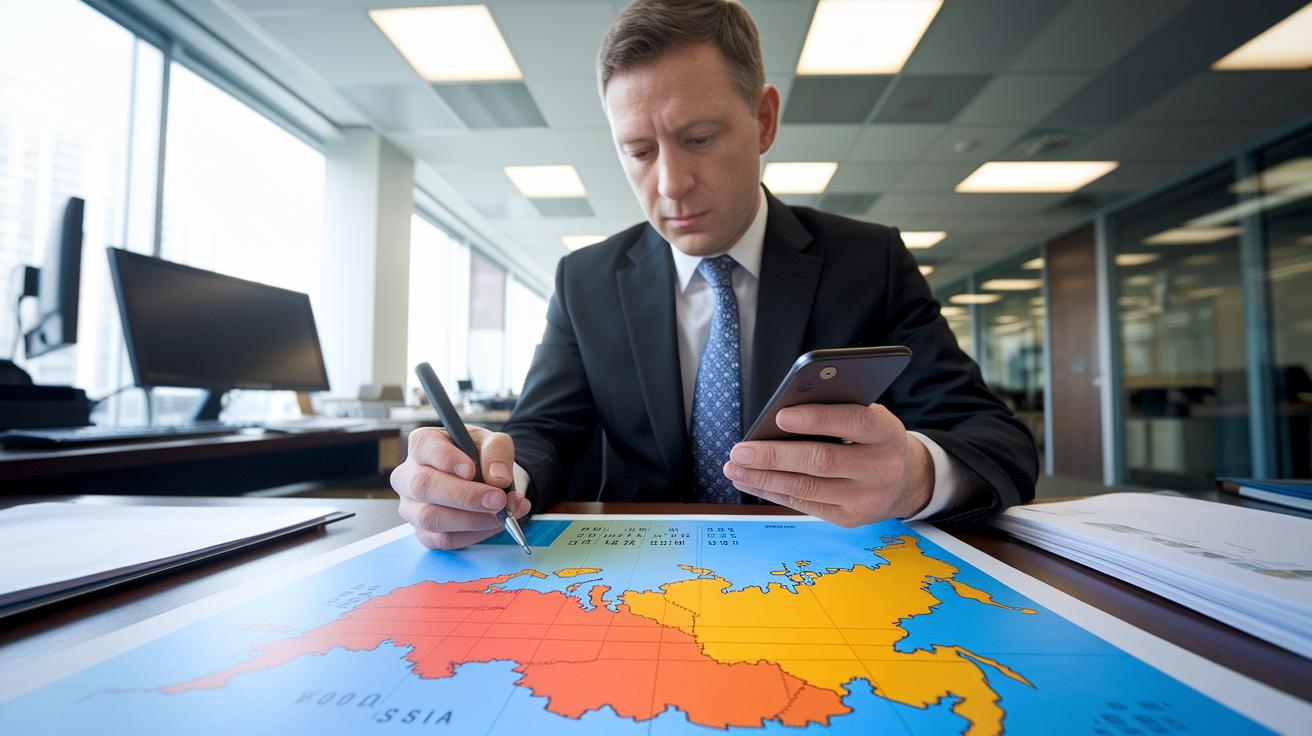
Since July 2014, sanctions have really shifted Russia’s money game. At first, the Kremlin said these moves were just tests of strength. But soon, it became clear that these limits were hurting trade and scaring away foreign investors. As a result, officials had to quickly change how they spent resources.
The war pushed military spending to new heights, with defense costs nearing 10% of the nation’s total output in the early years. While this heavy spending helped keep things stable in the short run, it also changed how money was planned for the future. One observer even said, "It’s like pumping fuel into a ringing engine – intense and unsustainable."
State-run defense firms also started changing their pricing in ways that remind us of old Soviet methods. They often marked up the numbers to hit their budget goals. Analysts say this shows that government spending now has a whole new vibe compared to the past.
At the same time, policy changes have stumbled amid wartime needs and strict budget limits. The main challenges during this time were:
- Trade disruptions because of sanctions
- Very high military spending that tipped the economic balance
- Little room for smart, corrective economic fixes
The road ahead is still tricky. Russia’s fiscal health, reshaped by harsh sanctions and heavy defense spending, now has to balance urgent security needs with the goal of long-term stability. This constant balancing act is now at the heart of debates about economic policy in a world that isn’t getting any easier.
Energy Sector Dominance: Oil, Natural Gas, and Export Reliance
Oil is like the heart of our state's revenue, keeping public funds flowing in ways almost nothing else can. The economy leans heavily on oil exports, which reliably boost government income. Imagine it as a steady beat that keeps everything in rhythm – oil's role is crucial for overall stability.
Natural gas exports add extra help to the budget and keep the trade balance in check. Think of natural gas as a trusty sidekick; even though oil steals the spotlight, natural gas is always there as a backup.
Still, these export revenues come with risks. Global price swings and Western limits on pipeline and LNG shipments can put a lot of pressure on the system. Picture a situation where sudden tariff changes send prices on a wild ride – such ups and downs can throw even the best plans off course.
Efforts to branch out beyond oil and gas haven't really taken off, even though there are talks about renewable energy. This shows just how much the economy depends on oil and gas. Even if things seem steady now, the system stays vulnerable to rapid shifts in global energy markets.
Sanctions and Trade Isolation: Effects on Supply Chains and Diplomatic Ties
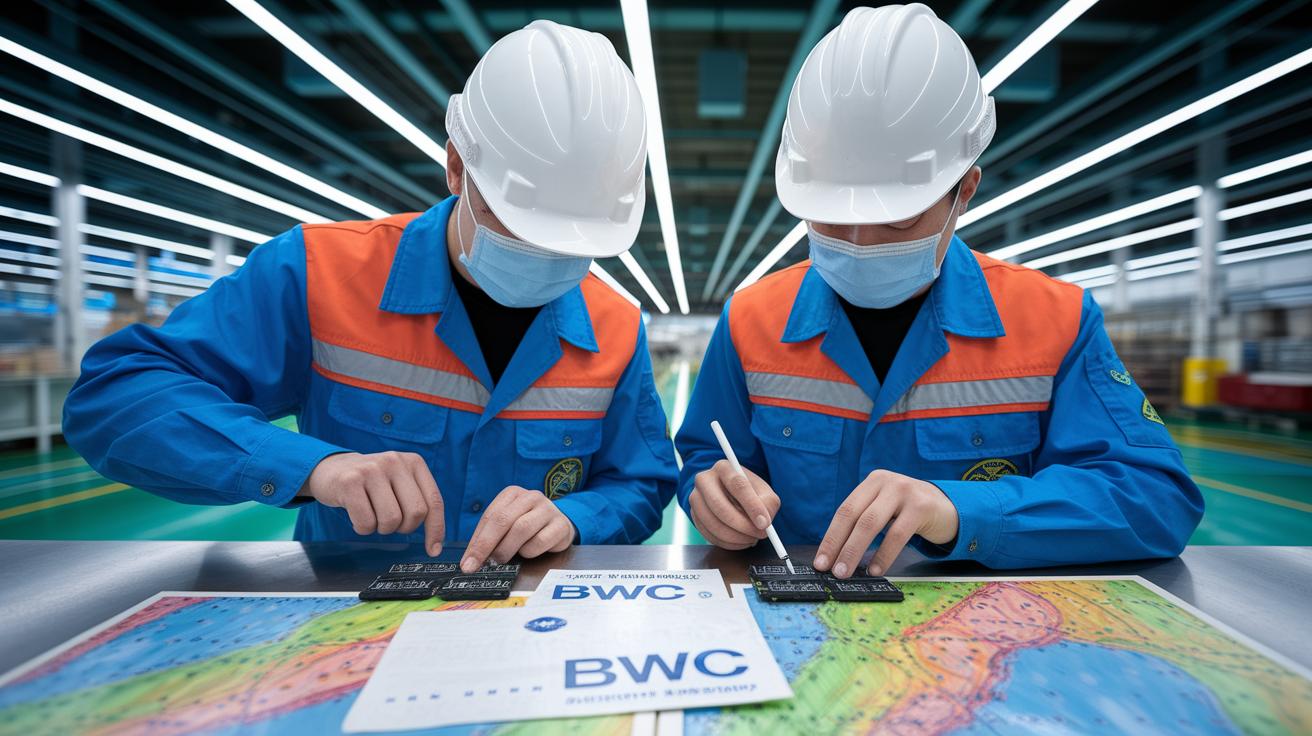
Trade blockades have really put the squeeze on Russia’s supply chains, especially when it comes to getting high-tech parts. Companies that once enjoyed a steady flow of imports now face delays and shortages. When those crucial items run low, businesses quickly switch to local sources, a classic case of import substitution. Imagine a manufacturer that used to rely on imported high-end microchips now retooling operations to produce them at home. This change can lower product quality and hurt global competitiveness.
Meanwhile, over in Alaska, there’s a careful conversation starting up. Talks about the Biological Weapons Convention hint that Russia’s diplomatic isolation might be easing just a bit. But these discussions aren’t about lifting all the sanctions or dropping the heavy trade limits. On the side, connections through the Eurasian Economic Union let some trade continue, though it’s only a small piece of the picture compared to the broader Western barriers.
- Trade blockades have disrupted key high-tech imports
- Companies are switching to local production out of necessity
- Emerging talks in Alaska hint at a slight easing of isolation
- Links through the Eurasian Economic Union offer limited market access
This situation is like navigating a tricky maze, where economic ties are continuously tested until stronger diplomatic solutions come through.
Monetary Policy, Exchange Rates, and Financial Stability
Our central bank is moving quickly to raise key interest rates. Their goal is to slow down rising prices and keep the ruble steady. They also step into foreign exchange markets to smooth out wild price swings. One writer even said that when the ruble suddenly drops, it’s like trying to balance a ship in a storm.
They’ve been dipping into reserves, including taking a good chunk from the National Wealth Fund, to add extra cash during rough times. But using these funds can weaken the financial safety net for the future, it’s a trade-off between fixing problems now and keeping a buffer for later.
Looking at currency moves, it’s clear that short-term fixes have helped support the ruble. Still, pressures on the exchange rate continue. Experts note that every move from the central bank is a careful balancing act. They’re trying to give immediate support while making sure not to invite bigger problems down the road. One analyst compared it to adjusting a rope: tighten it too much and it might break; too loose and it won’t hold.
At the same time, pressures from stagflation, a mix of slow growth and rising prices, are weighing on credit markets. Higher rates and less liquidity make borrowing more challenging for everyone. Still, the central bank is working hard to keep the overall financial system steady, even when global markets feel uncertain.
Foreign Investment and Banking Reforms: Navigating Risk and Access

Russia's banks are grappling with old rules and manual systems that slow their push for modern practices. New proposals are aimed at scrapping outdated licensing rules and paper-based processes to smooth out the market. One idea even replaces a decades-old oversight system with a smart, digital solution. Did you know that one proposal expects digital banking efficiency to jump by 70% once we cut out the clunky manual steps?
These plans show just how state control can hold back progress. Recent ideas include:
- Updating licensing steps to get approvals done faster,
- Bringing in digital systems to ease manual checks,
- Boosting data clarity to build trust in the market.
Even though investors are keeping a careful eye on things, these focused changes hint at a move toward a quicker and more modern banking system.
Outlook and Forecasts: Scenario Planning and Fiscal Resilience
Analysts are sounding the alarm that by the second half of 2025, Russia might hit a major money crunch if it doesn’t make some serious spending cuts. Military costs already take up nearly 10% of the country’s GDP, and social spending is so high there’s barely any wiggle room. In fact, some forecast models suggest that even a tiny change in spending could completely shift the nation’s long-term growth, keeping it under 1% a year if no new measures are taken.
The math behind these projections tells us that sweeping changes in fiscal policy and structural reforms are crucial. Experts say the answer lies in fixing tax systems, increasing transparency, and putting energy into sectors that really drive growth. Some propose cutting back on defense spending to free up cash for diversifying the economy, while others advocate for pumping funds into technology and infrastructure that create jobs and boost productivity.
Think of it like adjusting the sails on a ship during a shifting wind, small tweaks can keep you moving steadily forward. Effective crisis management, smart analysis of debt, and planning for future growth are the key elements that help keep a nation’s economy on track. When countries take balanced steps and act swiftly, they can smooth out the bumps in market conditions.
In simple terms, without a firm grip on fiscal discipline and meaningful reforms, the choices ahead are tough. Leaders need to decide whether to stick with current spending or make bold cuts in military or social programs to stave off a deep recession. It’s a moment of tough decisions where the right strategy can make all the difference.
Final Words
In the action, we reviewed key market indicators shaping the russian economy, from GDP and inflation to the impacts of sanctions on fiscal health. We touched on shifts since 2014, evaluated energy exports, and noted how monetary policies affect financial stability. We also discussed foreign investment challenges and banking reforms, rounding out our outlook with forecasted scenarios. It’s a clear reminder that informed insights can guide smart decisions even amid market pressures. The future holds promise as we work toward secure and balanced financial strategies.
FAQ
How does the term “Russian attack” relate to economic conditions?
The term “Russian attack” refers to military actions that can influence economic conditions by increasing defense spending, affecting trade, and shaping fiscal policies amid sanctions and market uncertainties.
How does the term “Russian drone” affect Russia’s economic and defense spending trends?
The term “Russian drone” highlights the development of unmanned systems, which play a role in military strategy and can drive spending in technology and defense sectors within the economy.
What does “Russian economy today” imply about current performance?
The phrase “Russian economy today” indicates a scenario marked by modest GDP growth, high inflation, and a reliance on defense-related spending amid ongoing international sanctions and financial adjustments.
What happens if the Russian economy collapses?
A collapse in the Russian economy would likely result in rising inflation, reduced investment, and deeper trade isolation, intensifying challenges for fiscal stability and consumer purchasing power.
How can I follow live updates on Russia’s economy?
Accessing live updates from trusted outlets like BBC and popular online forums provides real-time insights into shifts in GDP, inflation pressures, and the impact of policy changes amid international sanctions.
Is Russia’s economy better than the USA’s economy?
Comparing the two, the USA boasts a diversified market and higher growth, while Russia’s economy struggles with inflation, sanctions, and limited diversification, making the US economy generally more robust.
What is the economic outlook for Russia in 2025?
Forecasts suggest Russia’s 2025 growth remains under 1% unless there are major policy shifts; ongoing military spending and sanctions are expected to continue pressuring fiscal resilience.
How is the quality of life in Russia influenced by current economic conditions?
The quality of life in Russia reflects challenges from inflation and sanctions, where rising consumer prices and limited access to diverse goods affect daily living, despite state efforts in public service support.