
Ever thought about making your money work a little harder for you? Schwab treasury bonds might be just what you need. These bonds not only protect your savings with the safety of government backing but also offer a straightforward path to growth.
In this guide, you'll see how to set up your account step by step. We explain how to choose the bond that fits your goals and how to place your bid in plain, easy language. It’s a bit like following a simple recipe, each step builds on the last.
By following these clear directions, you can enjoy steady returns while keeping both your short-term cash needs and long-term growth in mind. So, why not take a closer look and explore how a smart plan can brighten your financial future?
Investing in Schwab Treasury Bonds: Step-by-Step Guide
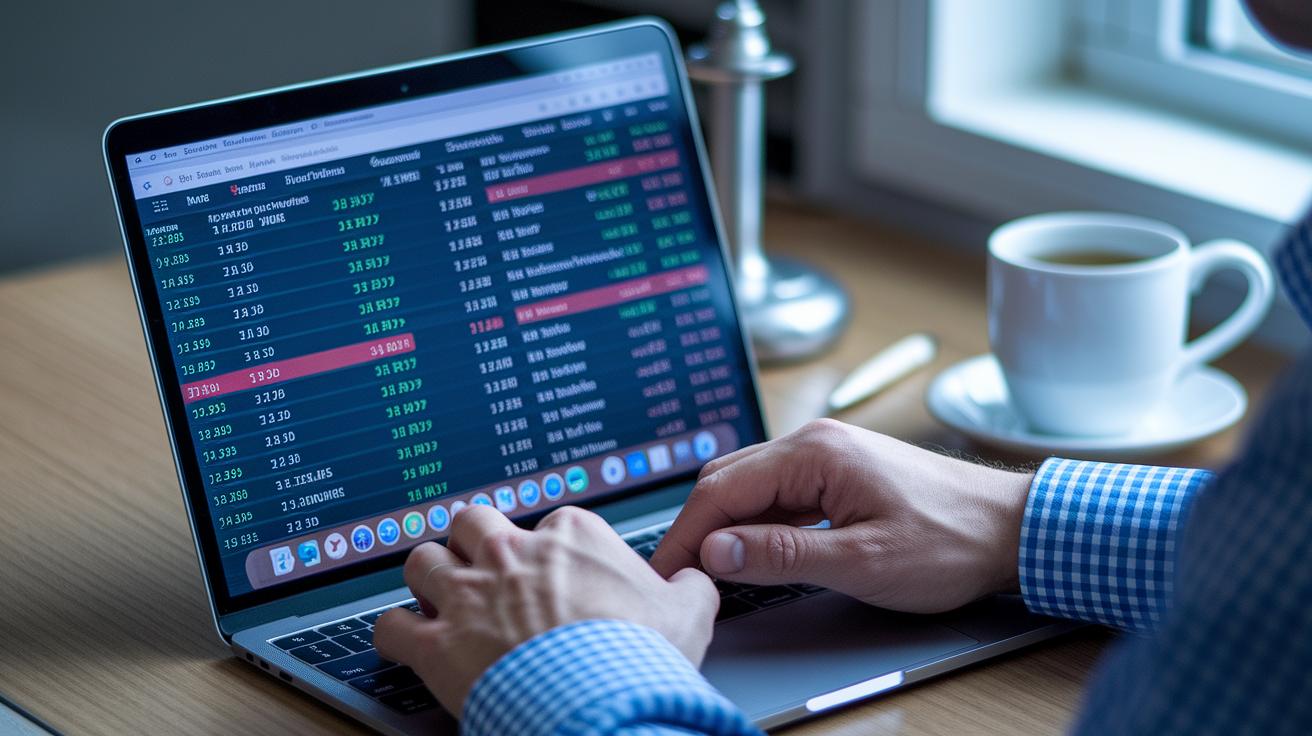
First, set up your Schwab brokerage or IRA account. Once you're in and have some funds available, you're all set to buy U.S. Treasury bonds. When you sign in, take a look at the bond options on offer. You'll notice different maturities, some might be a better fit for your immediate cash flow, while others could work well for long-term plans. Schwab makes it simple by giving you access to government-issued bonds in a primary auction or bonds already in circulation through secondary-market trades, where prices might differ based on market conditions.
Before placing your order, take a moment to decide which type of bond and pricing option best fits your strategy. Schwab's order ticket then guides you through the buying process with clear, friendly steps. Once you submit your bid, the system shows you a detailed confirmation of your order. Here’s an easy five-step process to help you get started:
- Open and fund your Schwab brokerage or IRA account.
- Choose bond maturities that align with your cash flow needs.
- Pick your order type: either a primary auction or a secondary-market purchase.
- Submit your bid using the order ticket interface.
- Review the confirmation and all transaction details.
Comparing Primary Auctions and Secondary Schwab Treasury Bond Trades
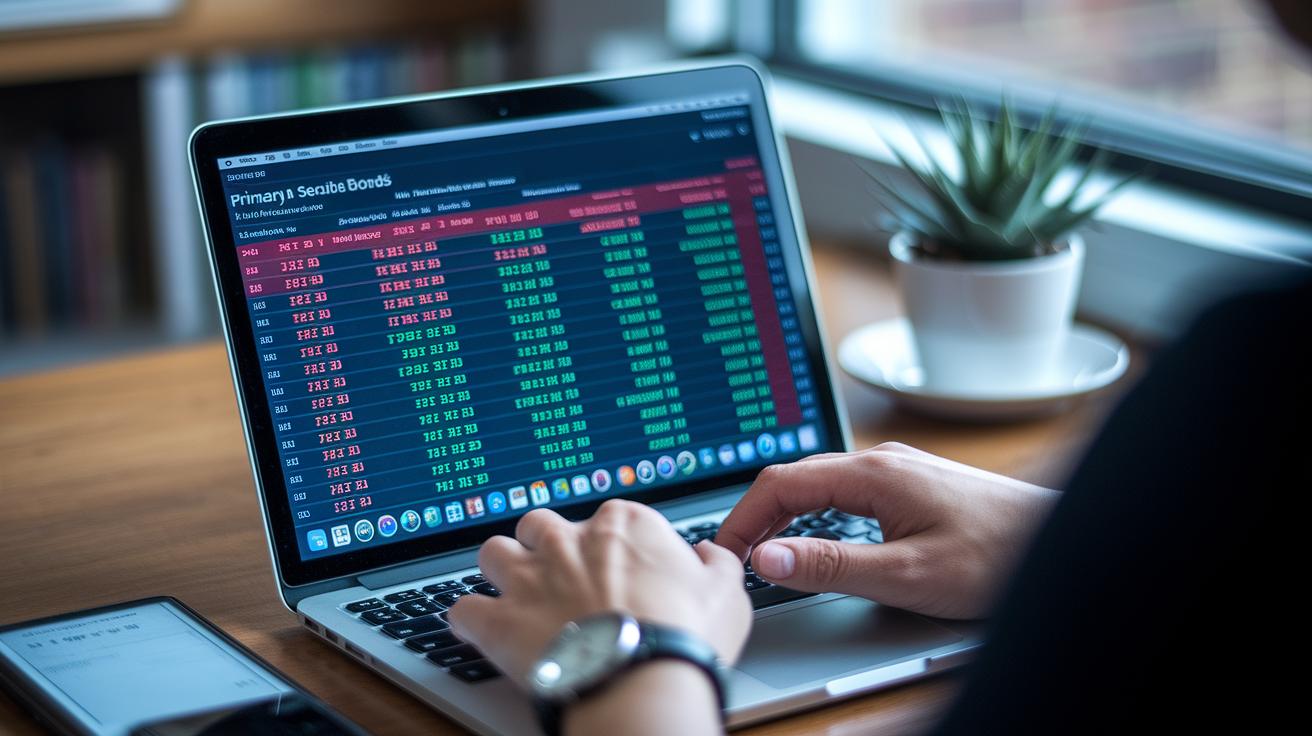
When you buy U.S. Treasury bonds through Schwab, there are two clear paths to choose from. One way is through primary auctions, where the U.S. Treasury itself offers bonds during set sessions. You send in your bid and the price is set during the auction. You often get this without any extra commission fees, but the timing of the auction is key.
The other way is through the secondary market. Here, you’re picking bonds that other investors already hold using Schwab's user-friendly trading platform. While you might face a bid/ask spread fee, the significant benefit is more liquidity and quick access when timing matters.
| Market Type | Access Method | Fees & Liquidity |
|---|---|---|
| Primary Auction | Direct purchase during scheduled auctions | Commission-free; timing is key |
| Secondary Market | Trade existing bonds via Schwab platform | Bid/ask spreads; higher liquidity |
Fee Structure and Pricing Models for Schwab Treasury Bonds

When you invest with Schwab, you get commission-free access in primary auctions. That means you can buy bonds directly without any extra fees. But in the secondary market, you will notice a bid/ask spread fee. There are also small fees to cover processing costs, like platform or settlement fees.
| Fee Component | Description |
|---|---|
| Primary Auction | Buy bonds directly with no extra commission fees. |
| Secondary Market | A small fee is added to cover purchasing bonds from other investors. |
| Platform/Settlement Fees | Minor fees to help process your trades. |
Schwab also uses a pricing method based on yield, which is simply how much you earn from a bond. When yields change, prices shift too, sort of like a seesaw moving up and down. For instance, if yields go up fast, the bond prices adjust to match, though those extra processing fees stay very low.
Building a Ladder with Schwab Treasury Bonds for Steady Income

When you set up a bond ladder with Schwab treasury bonds, you create a steady stream of income while spreading out your risk. By mixing bonds that mature at different times, you can ease into varying market conditions. Some bonds will be ready sooner so you can reinvest quickly, while others lock in higher yields over time.
Think of it like stacking blocks. A short-term bond, maybe a 2-year one, gives you fast access to cash. A medium-term bond, like a 5-year, balances frequent cash flow and better returns. And a long-term bond, say 10 years, offers the chance for higher income over a longer period. When interest rates change, your bonds finish maturing at different times, letting you reinvest in the new rate environment.
| Maturity | Coupon/Yield | Expected Cash Flow |
|---|---|---|
| 2-Year | 1.5% | Quick reinvestment |
| 5-Year | 2.3% | Steady income boost |
| 10-Year | 3.0% | Long-term returns |
This method gives you predictable cash flow, offering both flexibility and stability in your investments. It’s a practical way to stay ahead, even when market shifts make things a bit uncertain.
Monitoring Interest Rate Trends and Managing Duration Risk in Schwab Treasury Bonds

Understanding the yield curve is like reading the pulse of the market. A normal yield curve means bonds with longer times until they pay back give you higher yields. This tells us that locking your money away longer might bring more rewards. When the curve turns upside down, with short-term rates higher than long-term ones, it could be a signal of slower growth ahead, so you might want to be a bit more cautious. And if the curve looks flat, meaning you get similar yields no matter the bond’s term, it hints at uncertainty. In that case, staying flexible could be the best call.
Duration is a key concept here, too. It shows how much a bond’s price might change if interest rates move. Think of it like the sensitivity on a scale; bonds with longer durations react more dramatically to rate changes. So, if rates fluctuate, those bonds might bounce around more. Managing duration is a bit like fine-tuning the balance in your investment mix to smooth out market bumps.
Here are some practical ways to manage duration risk:
- Adjust Your Average Maturity: You can shorten or lengthen the average duration in your holdings to better balance risk and reward.
- Add TIPS Exposure: Treasury Inflation-Protected Securities (TIPS) help shield your portfolio when inflation or rates rise, acting as a buffer.
- Periodic Ladder Rebalancing: Regularly checking and adjusting your bond ladder keeps your portfolio aligned with current market conditions.
By keeping a close eye on the shape of the yield curve and using these duration management strategies, you can tune your Schwab treasury bond portfolio to better handle shifts in interest rates. Have you ever thought about how a small tweak in your approach could keep your investments steadier when the market starts to change?
Using Schwab’s Platform Tools for Treasury Bond Research and Trading

Schwab gives you a range of digital tools to help keep your treasury bond game strong. Their online platform is easy to use and built with fixed-income investors in mind. The Treasury auction calendar shows you upcoming bond sales in a clear, handy format, while real-time yield-curve charts let you watch how returns change over time, so you can decide the best moment to act.
You’ll also find practical bond screener filters that help you quickly pick bonds matching your risk level and income goals. And placing orders is a breeze thanks to the simple order ticket interface on both desktop and mobile. Whether you’re at home or out and about, you can easily check in on market activity and manage your orders.
Here are the top four tools available on Schwab’s platform:
- Treasury auction calendar
- Real-time yield-curve charts
- Bond screener filters
- Order ticket interface
Together, these features give you clear insights and control, making treasury bond research and trading both straightforward and efficient.
Key Questions about Schwab Treasury Bonds Answered
-
What is the minimum purchase amount for Schwab treasury bonds?
Schwab sets a minimum purchase of $100 per bond. This low entry point makes it a friendly option if you’re just starting out and building your portfolio. -
How is the tax treatment of interest handled?
The interest you earn is subject to federal taxes, but you don’t have to worry about state or local taxes. This setup can help you get a clearer picture of your overall returns. -
What are the typical settlement timelines?
After you place your order, it usually settles in one to two business days. That means you'll see your government security in action pretty quickly. -
How do I reinvest matured proceeds?
Schwab makes it really simple. When your bond matures, you can choose an automatic reinvestment plan that puts your proceeds into new treasury bond issues without any extra fees. -
How does Schwab manage risk-adjusted return evaluation?
Schwab provides practical tools to help you see how your bond investments are doing compared to the risks you took. These tools let you check market conditions and tweak your bond ladder, helping you keep a balanced approach to income generation.
Final Words
In the action, this guide walks you through setting up accounts, choosing maturities, and placing orders on Schwab’s platform. We looked at primary auctions versus secondary trades, fee structures, and ladder strategies for steady income.
It also covered managing interest rate trends and using Schwab tools for smart bond research. Remember, careful planning and risk management are key when investing in schwab treasury bonds. Enjoy the process and keep building a solid, secure portfolio.
FAQ
What is the minimum purchase amount for Schwab Treasury bonds?
The minimum purchase amount for Schwab Treasury bonds typically starts at $1,000, which enables investors to begin with a manageable investment and gradually build a fixed-income portfolio.
How is the tax treatment of interest on Schwab Treasury bonds handled?
The tax treatment of interest on Schwab Treasury bonds means that interest is exempt from state and local taxes, making these bonds an attractive option for investors seeking tax-efficient income.
What are the settlement timelines for Schwab Treasury bond trades?
The settlement timeline for Schwab Treasury bond trades generally takes one to three business days, ensuring that transactions complete smoothly and investors receive confirmation of their trade promptly.
How do I reinvest matured proceeds from my Schwab Treasury bonds?
The process for reinvesting matured proceeds from Schwab Treasury bonds often involves setting up an automatic reinvestment option on your account, which helps maintain continuity in your fixed-income strategy.
How does Schwab’s fee structure affect my Treasury bond investment?
The fee structure for Schwab Treasury bonds includes commission-free access during auctions and mark-ups on secondary trades along with potential platform fees, all designed to keep investing efficient and manageable.