
Have you ever felt that your investment tracker isn’t keeping up with your goals? Many smart investors trust tools that combine solid research with clear, live data. That’s why the Seeking Alpha portfolio tracker stands out.
Imagine all your investment details organized neatly on one dashboard that keeps you up-to-date as market shifts occur. Even if you’re just starting out, its live updates are easy to follow.
Keep reading to discover how this tool might be the ideal fit for your financial game plan.
Seeking Alpha Portfolio Tracker Thrives for Smart Investors
The Seeking Alpha portfolio tracker mixes trusted research with daily portfolio checks. It brings all your investment details together in one easy-to-read spot, so you can comfortably keep an eye on different assets. Ranked sixth among top trackers for 2025, it offers clear, real-time analysis and rich market data that even a beginner can understand.
This tool truly shines with live updates that tell you how your assets are performing. You can set up personal dashboards to focus on the stocks, bonds, or options you care about and use trend analytics to see how your investments have changed over time. For example, you might get an alert when a stock makes a big move, kind of like a friend giving you a timely heads-up. Plus, interactive charts and plain metrics make it easier to understand both the risks and rewards.
If you like simple tracking paired with deeper, research-backed insights, this tracker could be just what you need. It’s designed for smart investors who want regular updates along with a closer look at the market, offering a balanced mix of everyday monitoring and advanced analysis.
Getting Started with Seeking Alpha Portfolio Tracker

When you set up your Seeking Alpha portfolio tracker, you can pick a free account or go premium, and both give you the key tools to manage your investments. First, create your account and make sure JavaScript is turned on in your browser. This is important to see all the live updates and interactive charts that make tracking your investments simple and clear.
- Link your brokerage accounts or upload CSV files
- Import your past transactions
- Set up real-time alerts
- Create custom watchlists
Once you've finished these steps, your dashboard will give you a clear snapshot of your assets with performance numbers and recent market movements. This setup helps you quickly see how your investments are doing and lets you adjust your tracking preferences with ease.
Navigating the Seeking Alpha Portfolio Tracker Interface
The Seeking Alpha dashboard gives you a clear and friendly view right from the start. The top menu lets you move around easily, so whether you're checking how your assets are doing or diving into detailed market research, you'll feel right at home.
Here’s a quick look at what you can explore:
- Portfolio Overview tab
- Watchlist Panel
- Alerts Center
- News & Research Feed
- Interactive Charts
- Settings & Preferences
Each section has a special job. The Portfolio Overview shows your current investments in a simple snapshot. The Watchlist Panel helps you keep an eye on the stocks you care about most. The Alerts Center sends you updates if any market changes that might affect you occur. The News & Research Feed brings you fresh articles and market insights. Interactive Charts let you see trends in a visual way, and the Settings & Preferences allow you to adjust everything so it fits your style.
Customizing your dashboard is a breeze. You can resize the chart widgets or rearrange the data tables based on what matters most to you. For instance, if tracking overall market trends is your priority, just move the interactive charts to the front. This personal touch makes managing your portfolio feel efficient and tailored just for you.
Performance Analytics in Seeking Alpha Portfolio Tracker
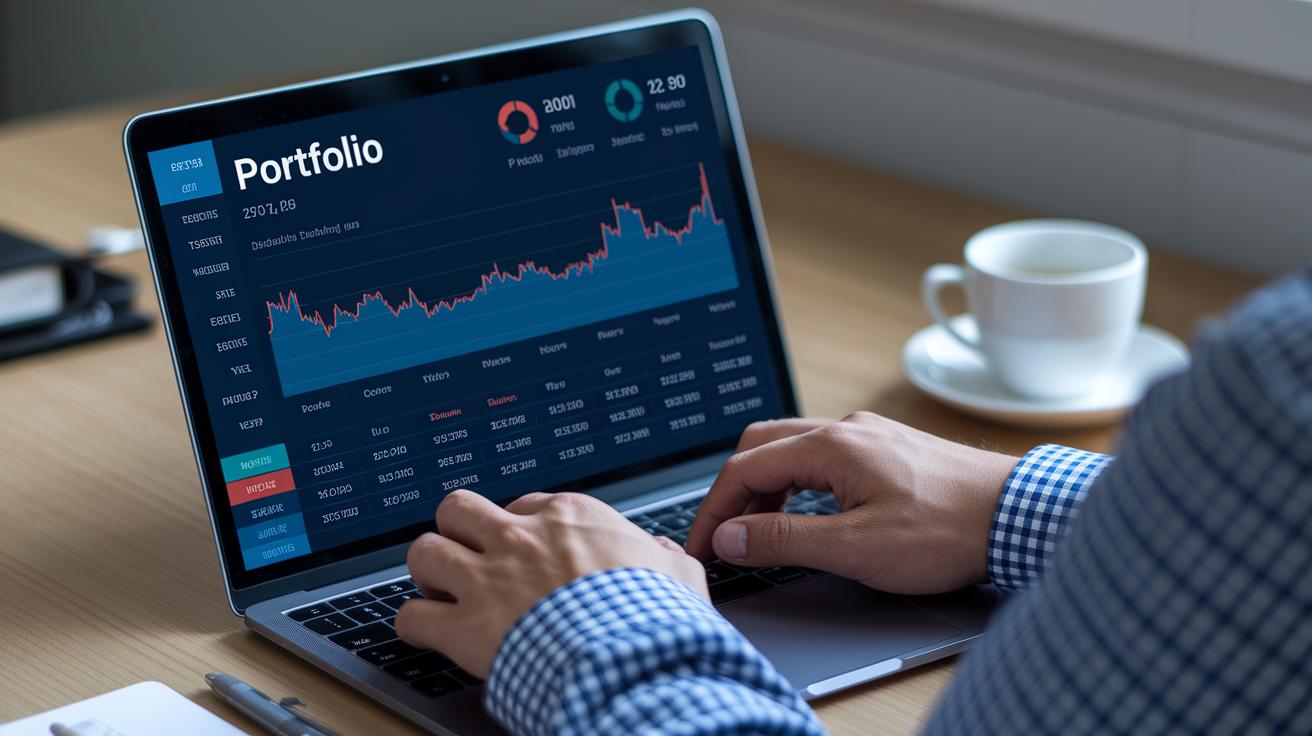
The Seeking Alpha portfolio tracker makes it really easy to understand how your investments are doing. It shows simple performance charts and key dashboards, giving you both live updates and a look back at how things have performed over time. You can quickly see important numbers, which helps you check both the strengths and any possible concerns with your portfolio. For instance, you might see a live graph that tracks your ROI change over the last few months, almost like a friendly snapshot of your current position.
| Metric | Description |
|---|---|
| ROI | Total return percentage over the selected period |
| Volatility | The spread of returns used to measure risk |
| Dividend Yield | The yearly dividends as a percentage of the current price |
| Benchmark Comparison | How performance stacks up against the S&P 500 or a custom index |
| Capital Gains | A look at both realized and unrealized gains |
The tracker also lets you choose specific date ranges to review performance and export the data as CSV files. It even generates trend reports for a long-term view of your investments. This means you can check how your portfolio has done over months or years and get insights that may help improve your strategy. For example, an annual report might reveal seasonal trends or steady growth patterns that could otherwise be overlooked. These tools bring clear visuals and the underlying data together to help you make smart, confident decisions.
Pros and Cons of Seeking Alpha Portfolio Tracker
Seeking Alpha portfolio tracker brings a mix of benefits and challenges for those who like having both deep research and portfolio watchfulness in one place. It’s like having a smart financial tool that packs a lot of features, but sometimes feels a bit heavy if you just need simple tracking.
Pros:
- It offers built-in research articles that give you detailed insights, making the market feel a bit less mysterious.
- You get real-time alerts on price moves, so you’re quickly clued in when something shifts.
- The analytics dashboards provide clear, detailed views of your investments, think of it as a quick snapshot of your finances.
- Creating custom watchlists and screeners lets you tailor what you track to fit your style.
- Multi-device cloud sync means your data is always in tune, no matter which device you’re using.
Cons:
- There’s a steeper learning curve compared to basic trackers, so you might need extra time to get the hang of it.
- Accessing premium data requires a subscription, adding a layer of cost.
- Support for crypto and alternative assets is limited, which could be a drawback if you explore those areas.
- There’s no API for third-party automation, so if you like to integrate custom tools, this might not suit you.
- The interface can sometimes feel cluttered with all the research content, which might overwhelm you if you prefer simplicity.
In the end, it really comes down to what features matter most to you. If you value thorough research and sophisticated tools packed in one platform, this tracker might be right up your alley. But if you’re after a simple, everyday way to monitor your portfolio, you might find its added complexity and extra costs a bit much.
Comparing Seeking Alpha Portfolio Tracker to Other Solutions

When you're checking out portfolio trackers, a few key things matter, how easy they are to use, the depth of their analysis, and whether they support investors globally. Seeking Alpha really shines by blending solid research insights with dependable tracking tools. It goes head-to-head with other platforms that have their own special strengths, so it's smart to compare them if you've got specific needs.
Here's a quick rundown:
- Empower – A free, all-in-one finance tool that gathers your various assets in one clear dashboard.
- Snowball – Ideal for those focused on dividends, offering detailed breakdowns of income-generating stocks.
- Kubera – Best for high-net-worth investors, covering both traditional and alternative investments with a private edge.
- Sharesight – Great for keeping an eye on global markets because it supports international exchanges.
- Fidelity – Combines brokerage services with tracking, simplifying the way you manage your investments on a single platform.
If you value an integrated approach with handy brokerage tools, Fidelity might be just what you need. But if you're laser-focused on dividends, Snowball could be more up your alley. Those with higher net-worth might lean toward Kubera for its tailored private market focus, while international investors often prefer Sharesight for its broad market coverage. Meanwhile, Seeking Alpha is perfect for investors who want everyday portfolio updates mixed with deep market research, making it a strong choice for a well-rounded investing strategy.
Final Words
In the action, this article broke down everything about the seeking alpha portfolio tracker, from its integrated research insights and real-time alerts to detailed performance metrics and a balanced review of its strengths and challenges.
We walked through setting up an account, exploring the interface, and comparing it with other platforms. The insights offer a clear picture for investors who want both simple tracking and smart analysis.
Keep your strategy positive and informed as you move forward.
FAQ
Q: What does “Seeking Alpha portfolio tracker reddit” refer to?
The term “Seeking Alpha portfolio tracker reddit” refers to discussions on Reddit where users share opinions and experiences about the tool, offering real-world insights into its performance and features.
Q: Is Seeking Alpha portfolio tracker free?
The free version of the Seeking Alpha portfolio tracker provides basic functionality, while advanced features like real-time alerts and deeper analysis require a premium subscription for enhanced investment insights.
Q: What does a Seeking Alpha portfolio tracker review indicate?
A review of the Seeking Alpha portfolio tracker shows its value in combining integrated research with real-time asset tracking and detailed analytics, making it beneficial for investors seeking both monitoring and in-depth analysis.
Q: Does the Seeking Alpha portfolio tracker have an app?
The Seeking Alpha portfolio tracker app delivers a mobile-friendly experience with real-time alerts, interactive charts, and customizable dashboards, ensuring investors can monitor their portfolios anytime, anywhere.
Q: How does the Seeking Alpha tracker compare to billionaire portfolio trackers?
The Seeking Alpha tracker is designed for serious investors by combining asset performance tracking with analytical research insights, offering a strong alternative to billionaire portfolio trackers that focus solely on high-net-worth portfolios.
Q: What does Seeking Alpha login involve?
The Seeking Alpha login process secures access to personalized market data, research tools, and portfolio insights, ensuring that users can manage their investments with confidence and ease through a secured account.
Q: What is Seeking Alpha New York?
Seeking Alpha New York typically refers to the firm’s connection with financial events or its presence in New York, highlighting its active engagement in one of the world’s key financial centers.
Q: What is the Seeking Alpha controversy about?
The Seeking Alpha controversy revolves around debates concerning its editorial practices and investment recommendation processes, sparking varied opinions among investors and prompting discussions about transparency in financial advice.
Q: Which is the best portfolio tracker?
The best portfolio tracker depends on individual needs; however, Seeking Alpha stands out for its unique blend of real-time asset tracking and integrated research insights, offering a well-rounded option for discerning investors.
Q: Does Seeking Alpha include charts?
Seeking Alpha portfolio tracker includes interactive charts that display real-time performance and trend data, making it easier for investors to visualize asset performance and analyze key market metrics effectively.
Q: How can I track all my portfolios in one place?
Seeking Alpha enables users to consolidate multiple brokerage accounts or CSV uploads into one intuitive dashboard, allowing investors to manage and monitor all their portfolios seamlessly from a single platform.
Q: How does Seeking Alpha compare to Yahoo Finance, Morningstar, CNBC, The Motley Fool, TradingView, and MarketWatch?
Seeking Alpha differentiates itself by offering a mix of deep research insights alongside portfolio tracking, while platforms like Yahoo Finance, Morningstar, CNBC, The Motley Fool, TradingView, and MarketWatch focus more on market news, broader analytics, or specific investment tools.