
Did you know that a small tax on soybeans changed everything for American farms? When a 10% tariff was placed on Chinese imports, even the tiniest Midwest farms felt the pinch. Many ended up with too many beans and falling prices.
This tax sparked new hope in trade talks. Farmers began finding different markets and even thought about using soybeans for biofuel, kind of like discovering a hidden talent in your harvest.
Isn’t it amazing how a tough setback can lead to surprising growth? Let’s take a closer look at how these challenges turned into fresh opportunities for our crops.
Overview of Soybean Tariffs and Their Economic Impact
Back in February 2018, the government put a 10 percent tariff on Chinese imports. They hoped this move would boost U.S. food production by shielding American crops from cheaper foreign goods. The goal was to help local farmers, but many critics pointed out that this flat tax ended up raising prices for everyone, including everyday buyers. For example, one small farm in the Midwest found itself with too many soybeans when China decided to boycott U.S. soybeans, leaving the farmer stuck with more beans than he could sell at a good price.
With a pile-up of beans on hand, many producers were forced to cut their prices, even dropping below what it cost to produce them. Some farmers noticed that their regular exports slowed down a lot, so they started looking at other options like biofuel production. Imagine a farmer who’s excited about a bumper crop but then has to drop his prices just to clear out his extra stock, this is a real-life picture of what many went through.
The tariff was meant to protect domestic agriculture, but it quickly stirred up debates about its long-term effects. The policy was well-intentioned, yet its immediate impact reminds us that even good ideas can lead to unforeseen challenges in the U.S. crop market.
US–China Trade War: Chronology of Soybean Tariff Dispute

Back in February 2018, the U.S. decided to add a 10 percent duty on Chinese goods, trying to protect American farmers. This move was like lighting a spark. China quickly fired back by slapping a tariff on soybeans, which sent ripples through the market.
Then, in July 2018, things got even more heated. The U.S. bumped its duty rate to 25 percent on a wider range of imports. In response, China introduced extra levies on oilseeds. Imagine two friends in a tug-of-war, each trying to gain a little more ground, watching every move closely.
From December 2018 to early 2019, both sides continued to increase tariffs. These back-and-forth moves stalled talks and even reached the U.S. Supreme Court, leaving everyone feeling a bit uncertain. It was like waiting for that one missing puzzle piece in a tough trade picture.
Today, changes in Chinese trade policies continue to shift the flow of shipments. Exporters now have to stay alert and adapt quickly to these uncertain signals. Have you ever witnessed how a small change in tariffs can ripple through an entire industry? Each step in this timeline shows how market players keep their cool and adjust, even when the situation feels like it’s constantly changing.
Economic Consequences of Soybean Tariffs for U.S. Farmers
Farmers ended up with more soybeans than they planned for, forcing many to look for new markets like biofuel production. When there’s too much supply, prices can fall by as much as 20%. Imagine a farmer who counted on steady income, only to see that extra crop fetches a much lower price. It’s a real budget buster that has shaken up production plans.
The Rocky Mountain Farmers Union, representing 20,000 families, has seen revenues drop between 15 and 25% after losing a key market in China. Rural families that once enjoyed reliable sales are now feeling financial pressure. One farmer even mentioned that his earnings took a hit overnight when his regular exports vanished. Communities are scrambling to adjust to this sudden change.
Farm Action has noted that the 2018 Farm Bill didn’t offer enough variety in support, leaving producers vulnerable when markets shift. Rather than easing the risk, the policies seem to have made the financial challenges worse as demand fell and prices dropped. In this climate, traditional sales channels just aren’t cutting it anymore.
Now, there’s talk of a targeted government bailout to help cover these losses. Some in the farming community believe this could be a needed temporary fix to boost their revenues, while others worry it might make them lean too much on short-term solutions instead of building a steadier, long-term plan.
| Impact | Percentage |
|---|---|
| Revenue Decline | 15–25% |
| Price Compression | Up to 20% |
Global Market Disruptions from Soybean Tariffs and Price Volatility
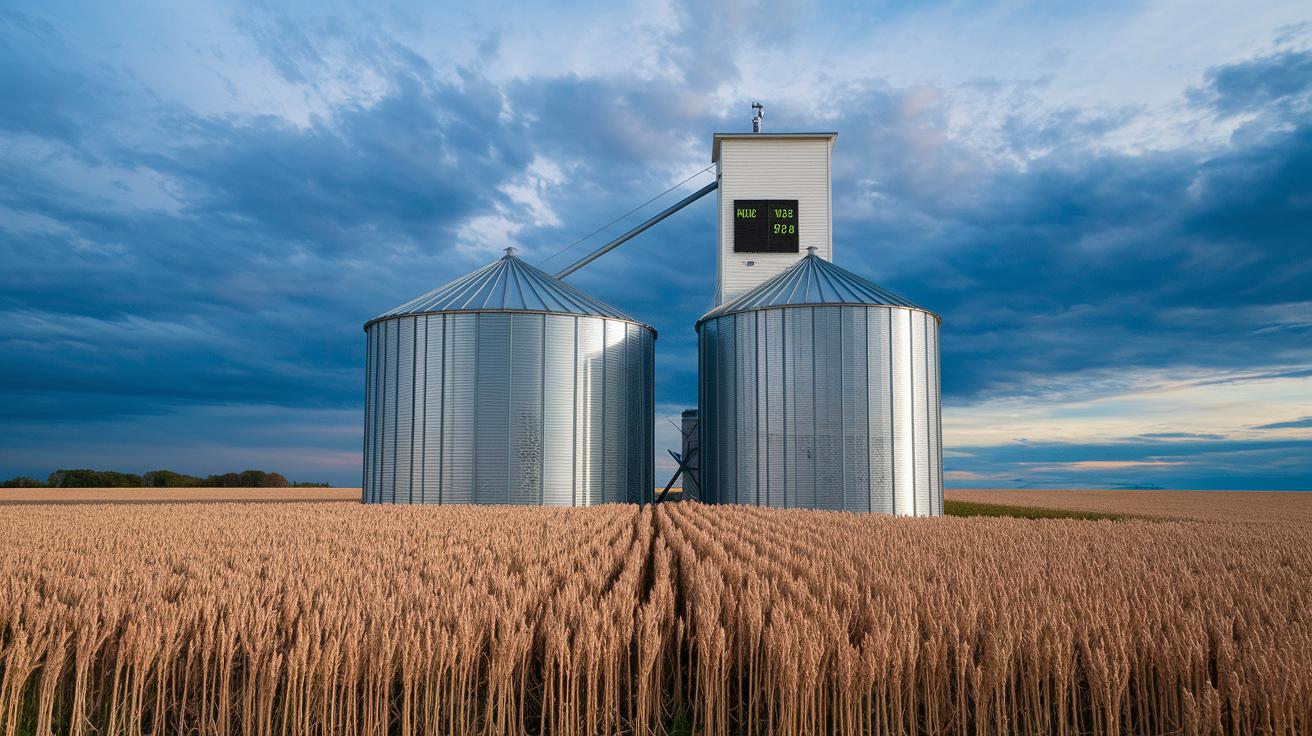
Soybean tariffs have really shaken up the global market, impacting crop sectors far beyond U.S. borders. Canadian farmers, for example, are now dealing with less demand as tariffs and challenging local weather squeeze their profit margins. Imagine a scene where a once stable Canadian grain market suddenly sees prices drop by 10% right after a tariff is announced. It’s a bit like watching strong waves suddenly crash, leaving everyone to quickly adjust.
All around the world, buyers are changing course. Global orders are now flowing toward Brazil and Argentina, with South American soybean exports jumping by over 30% as early as 2018. This shift not only tests old trade bonds but also changes where money goes in the oilseed market. Commodity futures are also feeling the pressure, with price swings on a 10% scale as soon as tariff news comes out. This kind of sudden change forces traders to tighten their risk-management strategies on trading floors. Think of it like a sailboat that must quickly change direction when the wind suddenly shifts.
- Canadian crop margins are under serious pressure.
- South American exports are rising as buyers seek new routes.
- Price swings on commodity futures stir up uncertainty.
- Traders are increasingly using risk-management tools to handle these market changes.
For a deeper dive, check out the detailed analysis at Global financial impact reviews. These export shifts and price swings really underline how protectionist measures ripple through our closely connected global market.
Soybean tariffs: Trade optimism sparks growth
Lawmakers are rethinking how tariffs are set in the upcoming Farm Bill, hoping to shield farmers from sudden market ups and downs. They believe a new approach that spreads support across various crops instead of just one commodity could make a big difference. Many see this as a welcome change from older policies that left farmers exposed when market conditions shifted.
Industry groups have a clear message: support shouldn’t be a one-size-fits-all deal. They argue that helping fruits, vegetables, and other agricultural products could lead to a steadier market for everyone. Meanwhile, U.S. and Chinese negotiators are discussing a gradual removal of duties in broader trade talks. Picture farmers watching a hopeful change as these discussions hint at lowering tariffs to below 10 percent, potentially boosting export recovery by mid-2022.
| Key Point | What It Means |
|---|---|
| Farm Bill Changes | Adjusting tariff schedules to protect producers |
| Diversified Support | Offering help to a range of crops, not just one |
| Phased Removal of Duties | Gradually lowering tariffs during trade talks |
| Export Recovery | Expecting improved channels by mid-2022 |
These policy tweaks and optimistic trade talks are sparking a renewed sense of hope among market players. It feels like a fresh start in the agricultural sector, a chance for more balanced and resilient market conditions that could help farmers thrive even when the market gets bumpy.
Final Words
In the action of soybean tariffs, the piece walked us through policy shifts, trade disputes, and the effects on farmers and global markets. We saw how evolving duties pushed prices lower for U.S. growers while opening discussions on reforms and alternative supports.
The post also highlighted how keeping pace with these changes can lead to smarter, timely moves in your investments. Staying updated on soybean tariffs gives you the edge to find bright spots even when trade challenges test the market.
FAQ
What are soybean tariffs today?
The soybean tariffs today refer to current government-imposed duties on soybean imports and exports. They affect market prices, farmer revenue, and trade dynamics, making them a key focus for traders and policymakers.
What did soybean tariffs in 2021 involve?
Soybean tariffs in 2021 involved adjustments in duty rates and policy measures that influenced trade terms. These actions shaped market conditions and impacted the revenue flow for farmers during that period.
How did Trump influence soybean tariffs?
Soybean tariffs under Trump involved aggressive measures to counter trade imbalances, especially with China. These policies affected market prices and prompted reciprocal trade measures, influencing both domestic and global trade flows.
What were the soybean tariffs in 2018?
Soybean tariffs in 2018 marked significant policy shifts when increased duties were imposed due to rising trade tensions. These tariffs led to reciprocal actions and influenced both market prices and export strategies.
What does the China soybean tariff 2025 suggest?
China soybean tariff 2025 suggests potential future adjustments in trade duties aimed at protecting domestic agriculture while managing international trade relations. These projections could impact global supply and pricing.
How is the market effect of a trade war estimated using soybean tariffs?
Estimating the market effect of a trade war with soybean tariffs involves analyzing how added duties impact prices, trade flows, and farmer income. This evaluation helps shape future trade policies and economic strategies.
What are corn tariffs and how do they compare?
Corn tariffs are duties imposed on imported corn, often arising from similar trade disputes. Like soybean tariffs, they influence domestic pricing and trade balances, though they affect a different segment of agricultural products.
What did the Trump soybean tariff in 2018 mean for farmers?
The Trump soybean tariff in 2018 increased duty rates on soybeans, leading to significant shifts in market prices and revenue losses for farmers. It was a central part of broader trade measures aimed at adjusting trade balances.
Are there tariffs on soybeans?
There are tariffs on soybeans set by trade policies designed to protect domestic agriculture and address trade imbalances. These tariffs influence prices, export flows, and overall market stability.
Is China still buying soybeans from the US?
China still buys some U.S. soybeans despite ongoing trade tensions and tariffs. Market demand and supply agreements continue to drive some level of trade between the two countries.
What does the 25% tariff cover?
The 25% tariff applies to a specific list of goods designated under trade policies aimed at pressuring competing economies. This measure often targets items deemed particularly impactful to domestic markets.
Why are soybean prices increasing?
Soybean prices are increasing due to factors like supply constraints, altered export patterns, and trade policy changes. Tariff hikes and shifts in global demand contribute to the rising price trend.