
Have you ever wondered if a few simple numbers can point the way for the market? When we take a closer look with SPX technical analysis, it’s a bit like reading a friendly map. We track price levels, moving averages (that’s just a way to see if prices are on the rise or taking a little dip), and other indicator signals. Even with a few pullbacks, these tools often hint that the market might be on an uptrend.
In this post, we break down everyday signals like the 5-day, 20-day, and 50-day averages. We also explain a couple of easy tools that help you understand these numbers. It’s almost like the market gives you a wink, letting you know when to look for opportunities and when to be cautious about risks.
Let’s chat and uncover how these insights can guide your next moves.
SPX Technical Analysis Snapshot: Price, Indicators, and Forecast
Right now, SPX is around 6,449.80 USD, which is comfortably above its 5-, 20-, and 50-day EMAs. These moving averages (they show the average price over recent days) suggest a strong, bullish trend even though there's a bit of selling happening now and then. In early July, the index broke past a key level of 6,147 USD, a move that signals the upward drive is still alive. It’s like the market is giving us a friendly wink, showing clear buyer interest, even if we might see some pullbacks later.
Short-term signals add even more good news. The 8-day SMA, a simple moving average that smooths out price data, sits at 6,409.83 USD, and the 8-day EMA, which gives more weight to recent prices, is at 6,418.06 USD. Both are flashing a Buy signal. The MACD, a tool that helps us understand price momentum by comparing different averages, has a reading of 61.48, lending further support to the bullish picture. Plus, with an overall Buy rating of 63 (which is about 26% above the usual median), risk appears to be lower than normal. And when you add in the target range of 6,474–6,504 USD, it all fits together for a positive setup.
| Metric | Value |
|---|---|
| Current Price | 6449.80 USD |
| 5-day EMA | 6430 USD |
| 20-day EMA | 6410 USD |
| 50-day EMA | 6395 USD |
| 8-day SMA | 6409.83 USD |
| 8-day EMA | 6418.06 USD |
| MACD Value | 61.48 |
| Rating Score | 63 |
| Breakout Level | 6147 USD |
| Target Range | 6474–6504 USD |
SPX Moving Average Analysis for Trend Clarity
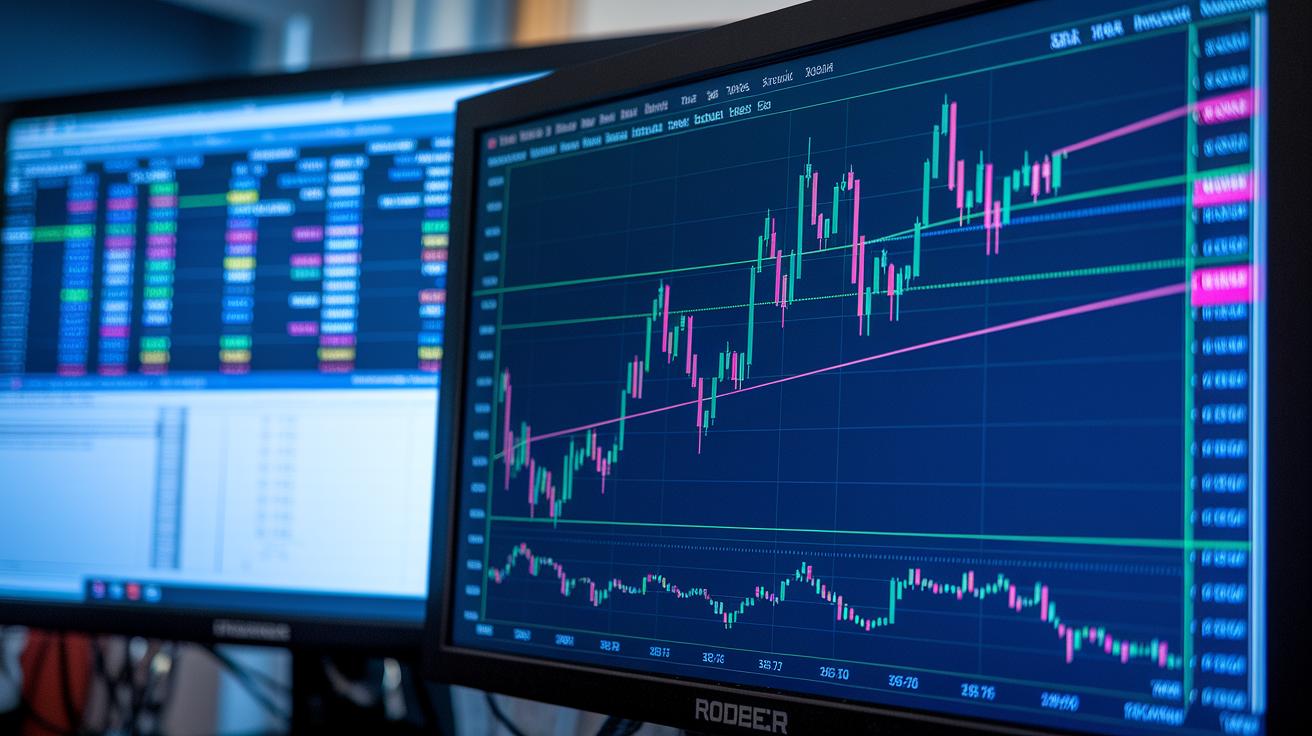
Moving averages are a straightforward tool to check market momentum. In analyzing the SPX, they help smooth out daily price swings and reveal the overall trend. When SPX stays above the 5-day, 20-day, and 50-day exponential moving averages (EMAs, a type of average that gives extra weight to recent prices), it points to a bullish market mood. Think of it like a steady heartbeat that shows buyers are still active even when prices wiggle a bit.
• Golden Cross (50-day/200-day EMA)
• Short-Term EMA Cross (8-day/20-day)
• Pullback Entry at the 20-day EMA
Traders keep an eye on these key signals. A Golden Cross happens when a short-term average moves above a long-term one, hinting at a big shift in momentum. The Short-Term EMA Cross, where the 8-day and 20-day averages interact, offers timely clues for short-term moves. And when the price pulls back to the 20-day EMA, it can be a smart signal to enter cautiously before the market rises again.
Putting these signals together builds a clearer picture of SPX's behavior. When prices hold above these core averages and the short-term signals line up just right, traders feel more confident to buy. This blend of spotting the trend and timing your entry can really pave the way for smarter decisions. For instance, you might watch for the 8-day simple moving average (SMA) around 6,409.83 USD to line up with the 8-day EMA at 6,418.06 USD. That kind of alignment can signal that the market’s everyday rhythm is tilting in your favor.
SPX MACD Momentum and Signal Strategy
Right now, the SPX MACD reading sits at 61.48. This tells us that there’s strong upward momentum and prices might keep climbing. When you see a MACD value like this, it’s like a friendly wink from the market, hinting that recent price moves are riding a bullish wave. Imagine watching prices steadily rise while the MACD jumps up, it’s a clear sign the market is leaning towards more gains.
Traders often use MACD crossovers as a simple guide to time their trades. They keep an eye on the MACD line and its signal line to figure out when to jump in or step out. And if the histogram, which shows the data in bars, starts to stray from the recent high prices, it might be hinting that a reversal could be coming, even in a bullish setting. This extra signal helps traders adjust their positions before things shift. In truth, blending these crossover cues with hints from the histogram makes the MACD a handy tool for managing momentum and timing those key moves.
SPX Trendline, Support, and Resistance Mapping

We've seen that prices near the previous breakout value of 6,147 USD have started to show some extra details during recent swings. When we look at the behavior of the two key moving averages, the 20-day and 50-day, they act like safety nets during small dips, keeping the price steady. This gives us a new way to view the familiar charts.
The 6,147 USD level still works well as a cushion. For example, in one recent test, when prices hit 6,147 USD, they bounced back up, thanks in part to the support of both the 20-day and 50-day moving averages. It’s like watching a reliable floor that prevents a fall.
On the flip side, the range between 6,474 and 6,504 USD remains a strong ceiling. When SPX got close to 6,500 USD, the price slowed down noticeably, suggesting that sellers were regrouping. These clear support and resistance zones can help guide your entry points or signal when a pullback might be on the way.
SPX Chart Pattern Recognition and Breakout Tactics
Chart patterns are like hints that help us see what the market might do next. For example, after the price jumped past 6,147 USD in July, we saw formations called flags and pennants. These shapes show that buyers and sellers are pausing and regrouping before the next move. It’s similar to watching a team take a quick time-out before a big play. In early June, when prices jumped sharply, these gap-up moves added energy to the overall picture.
Consolidation patterns, like flags and pennants, deserve a closer look. They usually appear when the market is catching its breath after a strong move. Think of it as watching a flag flutter in a gentle breeze, a clear sign that a strong push might be coming next. This pause gives traders time to get ready for another surge. Spotting these patterns early can help in planning the best moments to jump into the market.
Short-term trade adjustments also rely on reversal signals. A head-and-shoulders pattern near 6,500 USD has hinted at small pullbacks, acting like a reminder to be cautious even when things seem bullish. Imagine a three-part chorus in your favorite song that signals a change in tune. This pattern tells traders to watch out for quick shifts, so they can be ready to manage risks.
The measured-move technique ties all this analysis together by setting clear targets beyond the immediate resistance. Ascending triangles along support trendlines signal that the move is likely to continue, while measured-move targets point to an upside beyond 6,504 USD. It’s like checking a runner’s speed right before the final dash, a sign that the breakout is just about to burst forth. Recognizing these signals not only sharpens the timing for entry but also builds confidence in the trade setup.
SPX Technical Trade Setup and Risk Management Criteria

Begin by putting stop-loss orders just below the 20-day EMA or around the 6,147 USD support level. This smart move helps keep your risk in check and protects your money. Adjust your position size as you work around key moving averages so that even sudden price changes won’t overwhelm you. Picture it like setting a safety net right beneath a trusted support area.
Then, try to aim for a 1:2 risk-reward ratio with resistance near 6,504 USD. In simple terms, for every dollar you risk, you’re working toward making two dollars. This clear setup lets you weigh potential gains against possible losses in a straightforward way, making each trade a balanced decision.
Lastly, confirm your entry by watching for volume spikes when the price breaks out. When trading volume suddenly increases, it signals that lots of people are joining in and the move might be strong. This extra check helps you feel more confident about your entry, keeping your trade plan steady and aligned with your risk management strategy.
Final Words
In the action, we've reviewed today’s SPX moves. Using moving averages, MACD signals, and chart patterns, the post highlighted key levels and breakout ideas to pinpoint solid entry points. The discussion touched on support areas and trendline signals that shape smart trade setups.
We tied these insights into sound risk management measures. This comprehensive guide on spx technical analysis gives you clear targets and practical signals to boost your trading confidence. It leaves you with a positive outlook as you keep refining your strategy and enjoying smart market moves.
FAQ
Q: What does a SPX technical analysis chart reveal?
A: The SPX technical analysis chart reveals trends, key indicators, and current price levels to help traders interpret market momentum and make informed trading decisions.
Q: What are the S&P 500 support and resistance levels today?
A: The S&P 500 support and resistance levels today expose critical price points, including former resistance now acting as support, and a target range that guides entry timing and risk management.
Q: Where can I find S&P 500 technical analysis insights and blogs?
A: The S&P 500 technical analysis insights and blogs compile market overviews from trusted platforms like TradingView, Yahoo Finance, Barchart, MarketWatch, Bloomberg, and eToro to deliver clear, actionable market trends.
Q: How do the 200-day and 50-day moving average charts help assess the S&P 500?
A: The 200-day and 50-day moving average charts clarify long-term trends by smoothing price fluctuations, helping traders confirm bullish trends and identify potential areas for market reversals.
Q: Should I buy or sell the S&P 500 today based on technical signals?
A: The technical signals indicate a buy stance on the S&P 500, supported by bullish moving averages and a favorable risk rating that suggests a low-risk environment for entering trades.
Q: How does SPX technical analysis from FX Empire support trading decisions?
A: The SPX technical analysis from FX Empire combines detailed chart reviews and indicator insights, using moving averages and MACD readings to empower traders with practical, timely strategies.