
Have you ever wondered why some traders believe after-hour screeners hint at the next big move? Trading when the main market is closed can show you quick price shifts and sudden bursts in trading volume that might slip by during regular hours. Real-time tools offer early hints to help you shape your strategy even when the market seems quiet. In this post, we share easy trading tips to spot hidden chances during these slower times and turn late-day info into a clear win.
Understanding After-Hours Stock Screening Tools
After-hours trading happens after the market officially closes. It covers both the time right after close (post-market) and before the market opens (pre-market). This extra time lets traders catch shifts in momentum and spot price changes that might continue into regular hours. For example, a stock might jump in post-market trading after unexpected news, hinting at what could happen when the market opens. Even with lower trading amounts during these times, you often get early clues to guide your strategy.
Modern screeners work fast by using cloud streaming to push data to you nearly as soon as it happens. They can process information like sudden volume spikes or quick price moves in under 20 milliseconds. Imagine it as getting breaking news in real time, every millisecond can make a big difference when you're tracking a momentum breakout.
These tools are easy to use on any device. You can check after-hours trading from browsers on iOS, Android, Mac, or Windows without downloading extra software. Scanning starts as early as 4 am EST and keeps track of price action throughout both pre-market and post-market sessions. This constant, real-time overview is key for spotting new opportunities and making savvy trading decisions during extended hours.
Key Metrics for After-Hours Trading Analysis
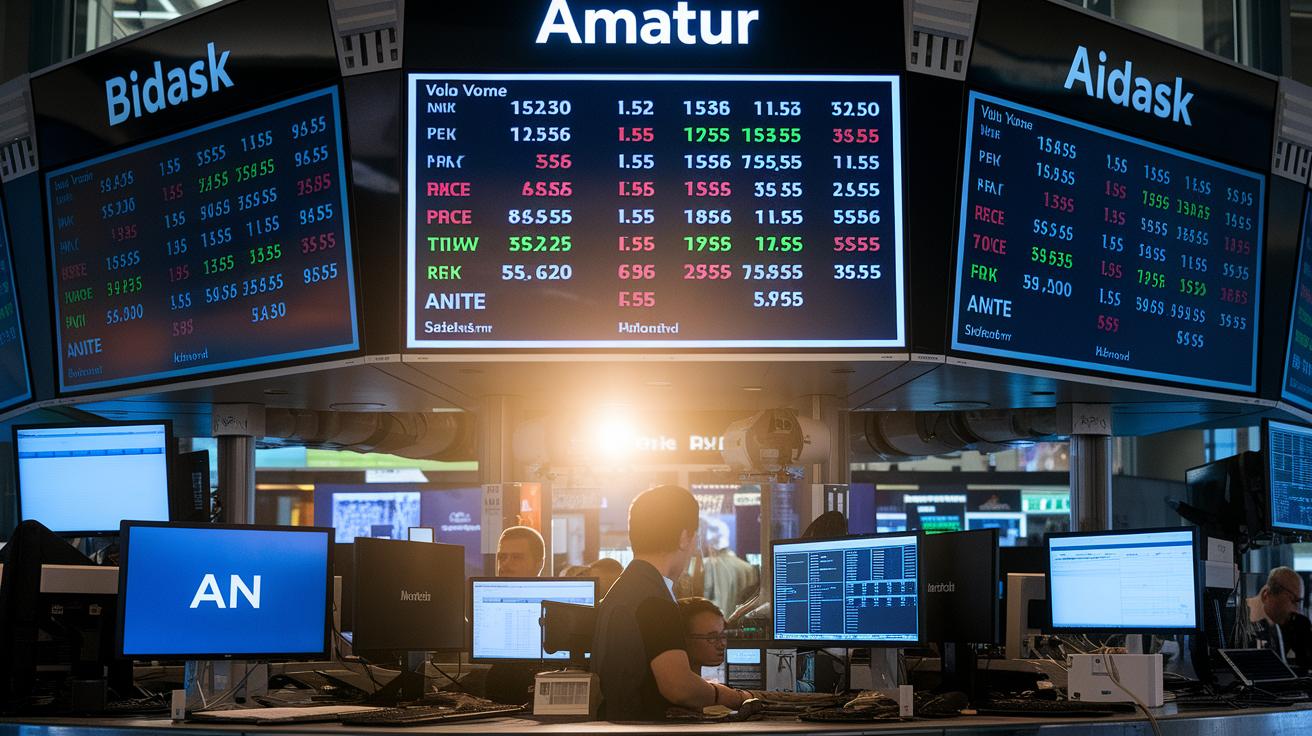
When the trading day winds down, we pay special attention to a few key markers: volume, price shifts, and bid-ask spreads. Volume tells us how many shares are traded, even when only a few people are in the game. Price changes help us understand whether a stock is moving quickly or slowly. And the bid-ask spread, basically the gap between the price buyers are willing to pay and what sellers want, shows us how lively the trading is. For instance, a narrower spread after hours might mean that buyers and sellers are finding common ground, making it easier to jump in or out of a trade.
There are some handy indicators you can use when trading off the regular clock. Think about Unusual Volume, which can flag when a stock's trading volume jumps way above its usual number and might hint at hidden interest. Then there's Momentum swings: a way to catch sudden price moves that could signal a change in how traders feel about a stock. The VWAP delta shows the difference between a stock's average price (weighted by volume) and its current trading price, giving clues about shifts in liquidity. And don’t forget ATR %, which stands for Average True Range percentage, a measure that helps you see how much a stock's price is bouncing around, especially when market traffic is light. For example, if you notice the ATR % spiking, it’s a sign that the price swings are getting wider than normal.
Once the market closes, these metrics start behaving a bit differently. With fewer traders around, even small changes in volume or price can push these numbers into new territory. That’s why many traders tweak their settings after hours, maybe setting a wider range for ATR % or a higher benchmark for what counts as a significant volume spike, to avoid getting false signals.
Top After-Hours Stock Screeners and Platforms
When you're choosing an after-hours stock screener, you want one that offers lightning-fast data, plenty of filtering options, and quick alerts. Traders need tools that provide real-time quotes, smart filters to catch sudden momentum moves or unexpected volume spikes, and notifications the moment important market events go down.
For example, some platforms update your quotes in less than 32 milliseconds. Every split second counts when you're watching for a breakout.
Here are five top picks designed to make extended hours trading a breeze:
-
- MOMO Pro – Delivers real-time quotes along with filters for spotting quick momentum and unusual volume changes, so you can act fast.
-
- Screener X – This free tool comes with basic after-hours filters for volume and price moves, perfect if you’re just starting to explore post-market trends.
-
- Platform Y – Offers advanced technical indicators and timely alerts, great for traders looking for deeper analysis.
-
- Tool Z – A budget-friendly option with customizable dashboards, letting you set up your screen to match your strategy.
-
- App A – Focused on mobile-first features, this app provides real-time watchlists to keep you connected, even when you're on the go.
When comparing free and paid options, free screeners usually cover the basics like tracking volume and price changes. But premium versions pack extra punch. They commonly include upgraded real-time data feeds, push alerts for new highs or lows, and specialized filters like MOMO Vector, Squeeze, or Gap assessments. In the end, it really boils down to whether you need those extra insights to confidently act on after-hours signals or if a basic setup is enough for catching simple movements.
How to Set Up and Customize Your After-Hours Screener
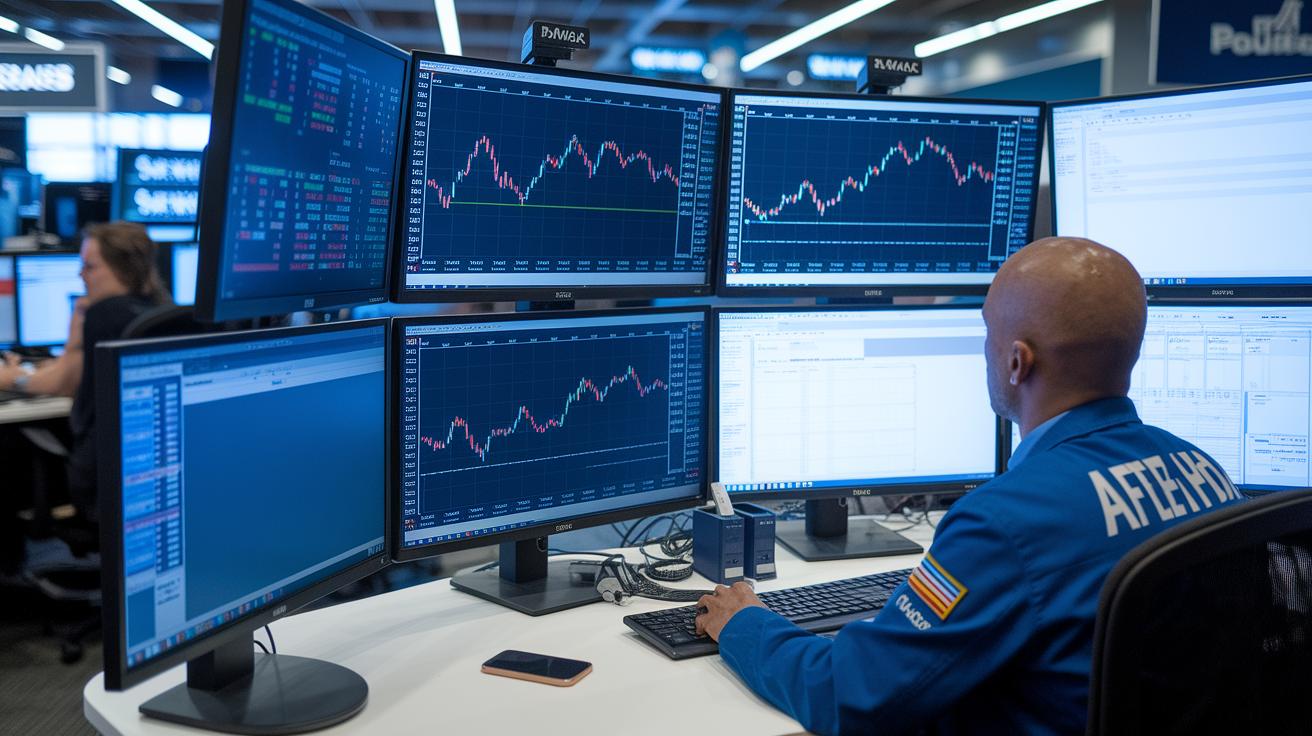
First, choose the exchanges you care about and set your after-hours sessions. Pick the markets that interest you most, whether that's big stock exchanges or smaller regional boards, and decide on your trading times, like before the market opens or after it closes. For example, you might track trades starting at 4 am EST to catch those early signals.
Then, add filters that really match your trading style. You can set things to watch for sudden volume surges, price gaps, or changes in VWAP (which tells you how the average price is moving). Imagine setting a filter to alert you when the VWAP delta goes above a certain percentage, or if volume spikes unexpectedly. Also consider filters for price moves and tight bid-ask spreads to help you spot chances quickly during slower market hours.
Finally, set up your alerts just the way you like them. Configure push notifications so you're instantly in the know when indicators like percent changes or unusual volume hit your set levels. You can tweak HOD/LOD thresholds using the mode settings, and even connect webhook APIs to automate parts of the process. For more on automated alerts and integration options, check out investment decision support tools at https://gotocryptos.com?p=934. This fine-tuning helps your screener stay on pace with the market, so you never miss a key trading signal.
Risks and Best Practices for After-Hours Screening
After-hours trading, or trading when the market is closed, can be tricky. Fewer shares are traded during this time, leading to wider gaps between buying and selling prices. This low liquidity (how easily you can buy or sell an asset) can make price moves unpredictable. So even if a trade looks like a big opportunity, it might carry more risks than during normal trading hours.
It helps to set up some safety measures. For one, using limit orders is a smart move. Limit orders let you set clear entry and exit points by defining the maximum price you're willing to pay or the minimum price you'll accept when selling. Also, breaking your trades into smaller pieces keeps your exposure in check during these lean times. And if a stock suddenly shows a spike in volume, taking a moment to double-check the trend with end-of-day data can help you avoid hasty decisions. You can find more tips on risk controls in our article on investment strategies for equity markets.
Syncing your after-hours strategy with a broader look at the market can also safeguard your trades. Regular reviews allow you to adjust your thresholds as market conditions change, boosting the strength of your overall approach.
Final Words
In the action, our guide walked through after-hours scanning tools, covering key metrics, platform comparisons, custom setups, and risk controls. We broke down how real-time data and low-latency streaming boost your ability to spot momentum and manage market uncertainties. This hands-on breakdown offers practical insights for both new and active traders seeking clarity and precision. Use these insights to fine-tune your setup and make the most of a dependable stock screener after hours. Every step is a move toward smart, confident investing.
FAQ
How can I monitor the after-hours stock market live and see top gainers today?
The after-hours stock market delivers real-time updates that highlight stocks with significant price movements outside regular trading. These insights help traders spot momentum shifts and adjust strategies quickly.
What is the best stock screener to use for after-hours trading?
The best stock screener for after-hours trading offers real-time quotes, adjustable filters for volume and price changes, and quick alerts to help traders capture opportunities during lower-liquidity sessions.
How do after-hours stock charts provide useful insights for traders?
After-hours stock charts show detailed price movements and trends beyond regular hours. They help traders spot volatility patterns and liquidity shifts, which are key in assessing post-market momentum.
What do after-hours movers on Benzinga reveal about market conditions?
After-hours movers on Benzinga display stocks with notable price gaps and unusual trading volume. They give clear, live insights into post-market shifts that traders can use for short-term strategies.
How do penny stock movers perform during after-hours sessions?
Penny stock movers in after-hours sessions often show higher volatility and wider bid-ask spreads. Observing these trends helps traders understand risk levels and potential reward in low-liquidity markets.