
Ever feel overwhelmed by too much stock data and wish you had a simpler way to pick the winners? Think of stock screener indicators as a smart filter that helps you see the real opportunities in the market. They mix short-term price moves with long-term financial hints, like a quick snapshot of a company’s performance, to show you which stocks fit your plan. In this guide, we'll walk through how each indicator can sharpen your market sense and turn endless numbers into clear signals you can act on.
Understanding Stock Screener Indicators
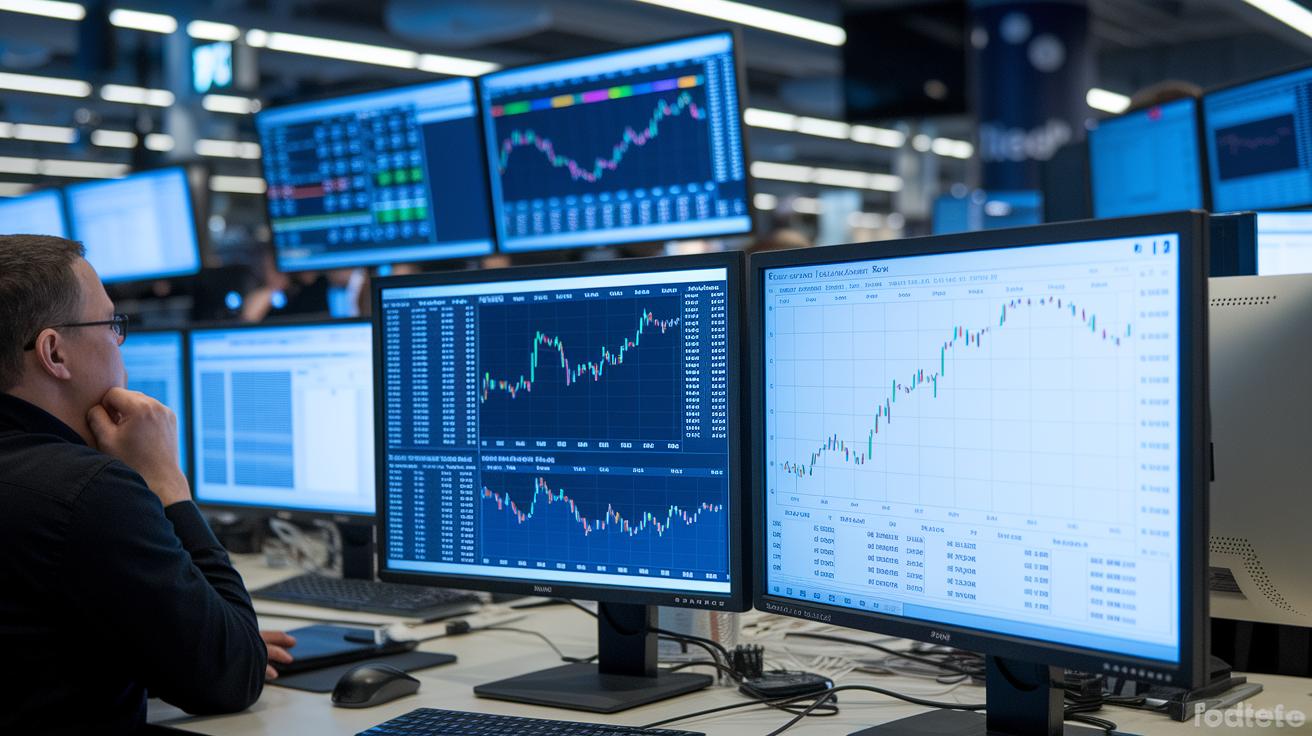
Stock screener indicators are handy tools that help you find investment ideas by sorting through stocks based on clear criteria like strategies, markets, and ratios. Think of them like a smart filter that quickly goes through loads of financial data, letting you ask simple, targeted questions about potential investments. Imagine scanning hundreds of stocks and instantly spotting those that match your game plan, it's like turning a blurry photo into a clear picture.
There are two main types of screeners: technical and fundamental. Technical screeners depend on price movements such as momentum, reversals, and how stocks behave during the day. They give clues about short- to medium-term trends. On the flip side, fundamental screeners look at deeper metrics like price levels and trading volume, which help you think long-term. Nowadays, many screeners mix both approaches, giving you a fuller picture of the market.
Using these indicators boosts your market analysis by blending the basics of fundamental filtering, technical clues, and overall financial signals. They help you sort through the noise to pick out the stocks that truly stand out. In simple terms, a screener lets you filter for stocks that fit proven criteria, making it easier to make smart decisions in a busy market.
Stock Screener Indicator Guide: Boost Market Acumen

Stock screeners make understanding the market easier by using a few key tools that turn complex data into clear signals. These tools help you notice market trends, track how fast prices are moving, and see how wildly they might be fluctuating. Even if you’re new to investing, this approach can guide you like a friendly reminder of what to watch. Plus, using technical analysis software can show you these numbers in neat visuals, so you can feel more confident about your choices.
| Indicator | Purpose | Main Parameters |
|---|---|---|
| Moving Averages | Helps you see the market’s trend by comparing short-term and long-term averages (like a 50-day versus a 200-day line) | 50-day, 200-day periods |
| RSI | Checks the speed and change of price movements to alert you when stocks might be too high (overbought) or too low (oversold) | Thresholds of 70 and 30 |
| MACD | Signals shifts in market momentum by looking at where fast and slow averages cross each other | Difference between fast and slow moving averages |
| Bollinger Bands | Shows how volatile (or bumpy) the market is by using standard deviations around an average line | Typically 2 standard deviations |
| VWAP | Gives a snapshot of the average price over the day, weighted by trading volume, which helps in tracing the market’s pulse | Daily trading volume and price data |
Each of these indicators plays its own role in helping you break down the market. Moving averages and VWAP are great for spotting the overall direction and average price levels, which gives you a steady sense of the market’s heartbeat. On the other hand, RSI and Bollinger Bands quickly signal when prices might be swinging too far, making it easier to react to changes. And then there’s MACD, tying everything together by marking shifts in the market mood.
When you mix these tools, you get a well-rounded view that can boost your confidence and help you make smarter trading decisions. Have you ever felt the thrill of spotting a perfect market move? This is the kind of insight that turns that feeling into confident action.
Building Custom Screens with Stock Screener Indicators

When you begin building your custom screen, think about which platform really matches your investing style. Most platforms offer flexible setups that let you mix and match indicators like moving averages and MACD (a tool that shows how fast prices are moving). Combining these can help clear out the market clutter and point you toward solid trading signals. Plus, it's important to choose a platform that gives you access to international markets, keeps fees low, and stays reliable.
Next, decide on your strategy by writing down clear filter rules that match your investment ideas. Tweak settings like the RSI threshold (a measure of how strong or weak a stock is) so they work with changing market conditions. Imagine setting targets that find undervalued stocks, then pairing them with shifts in momentum, such as those seen in MACD crossovers. This careful setup makes your screen both tough and quick to pick up on market moves.
Finally, once your custom screen is set up, save your work and turn on notifications to let you know when stocks hit your targets. Saving your settings helps free up your time so you can focus on the bigger picture. In truth, this routine guides you toward trades that really fit your overall strategy.
Stock Screener Indicator Examples for Common Trading Strategies

Here are three straightforward screeners designed to help you notice common trading signals.
-
Bullish Momentum Screener: This screener checks if the 20-day moving average (the average price over the last 20 days) is above the 50-day moving average. It also makes sure the MACD histogram (a tool to gauge momentum) is above 0 and that the RSI (a measure of price strength) is below 70. With these signs, you can spot stocks that are building momentum without being overbought.
-
Oversold Stocks Screener: In this tool, the focus is on an RSI below 30, combined with a stock price that has dipped under the lower Bollinger Band (which shows a normal price range) during the latest session. This setup helps you find stocks that might have fallen too low and could be set for a bounce back.
-
Death Cross Bearish Screener: This one looks for a situation where the 50-day moving average crosses below the 200-day moving average. It also checks that the 55-day moving average sits above the 200-day moving average as extra confirmation. This indicates that the stock may be entering a sustained downtrend, acting as an early warning of a bearish market move.
Advanced Stock Screener Indicator Customization Techniques

If you're an experienced trader, you can build automated scripts that scan the market every few seconds. This means you catch even the smallest shifts as they happen, almost like the market is speaking directly to you.
You can also set up real-time alerts that kick in when a few key signals come together. Picture getting a friendly nudge when a stock meets a mix of moving average crossovers and momentum changes. This way, you don’t have to stare at your screen all day, waiting for something to happen.
Another neat trick is adjusting your indicators by checking out past market swings. You might tweak settings like the number of days in a moving average or shift RSI levels if historical trends suggest it. Think of it like tuning a guitar before a big performance; every small change helps the tool sync perfectly with live market activity.
Finally, crafting your own algorithm that blends several indicator signals is a smart way to filter stocks. By combining insights from tools like MACD, Bollinger Bands, and volume patterns, you create a system that only flags the most promising trade candidates.
Validating Stock Screener Indicator Signals and Managing Risk

Start by checking your stock screener with real historical data. Run back-tests and market simulations to see how your filters performed during calm times and volatile periods. It's like watching a replay of a game, you learn from both the wins and the mistakes.
Then, set up simple stop-loss rules to protect your money. These rules serve as a safety net that tells you when a stock is moving in the wrong direction. For example, looking at a solid risk management framework can help you tie stop-loss levels to your screener’s signals, cutting losses before they grow too big.
Finally, keep your approach fresh by reviewing and adjusting your filters as market conditions change. Regularly updating your tests and simulations helps your strategy stay effective, no matter how the market shifts. This steady upkeep gives you a strong sense of control over risks and rewards.
Final Words
In the action of today’s fast-paced market, we explored how stock screeners filter investments. We broke down technical and fundamental indicators, shared practical examples, and outlined advanced customization techniques.
We also covered risk management steps and practical tweaks for refining your filters. This stock screener indicator guide shows how clear, simple strategies can empower you in making informed decisions. Keep refining your approach and stay ahead as you build a robust investment strategy.
FAQ
Where can I download a free stock screener indicator guide PDF?
The free stock screener indicator guide PDF is found online to help you grasp key technical and fundamental filtering techniques, complete with clear examples and practical parameters for making smarter investment choices.
What is the best stock screener indicator guide?
The best stock screener indicator guide breaks down both technical signals and fundamental criteria, simplifying complex ideas into clear screening strategies that boost your confidence in evaluating market opportunities.
Does a stock indicators cheat sheet exist?
The stock indicators cheat sheet is a handy resource that summarizes key metrics, such as moving averages and RSI thresholds, offering quick reference points for evaluating stock trends without getting lost in the details.
Is there a technical indicators list available in PDF format?
The technical indicators list PDF provides a concise summary of common technical measures with clear threshold details, serving as a useful tool for understanding and applying various indicators in your screening process.