
Ever thought that the numbers in market data might hold the key to a winning business strategy? Trend analysis helps us notice steady shifts in buying habits, seasonal changes, and even what flavors of products people choose. It’s like watching the soft hum of activity that signals when it’s time to adjust course.
When trends become clear, companies get a roadmap that cuts out all the guesswork. Using simple, easy-to-understand data models gives decision-makers a straightforward way to prepare for what’s coming next. In short, trend analysis turns everyday numbers into clear steps that lead to smarter forecasts and better decisions.
How Trend Analysis Empowers Accurate Market Forecasting
Trend analysis helps us see clear patterns in how people shop, how culture shifts, and how markets move overall. It uses data that shows changes over time and simple models that forecast what might come next. For example, imagine a business tracking sales each season and noticing that purchases always spike during the winter. This insight helps teams decide what products to develop and how to reach customers more effectively. In short, solid data and regular review of patterns make it easier for decision-makers to spot new opportunities while lowering risks.
When companies weave these insights into their plans, they can better guess what the market might do next and choose smart investments. This work involves keeping an eye on time-based trends, like changes in economic signals or what consumers prefer now versus before. In a way, it turns raw numbers into clear, step-by-step guidance. This means every decision gets backed by a careful look at both today's and tomorrow’s market moods.
Key Trend Analysis Methodologies for Market Forecasting

Understanding different ways to study trends is key to guessing and reacting to market changes. Companies choose methods that look at various parts of market behavior, kind of like tuning in to the steady pulse of market activity. These techniques capture seasonal shifts, repeating cycles, how people are buying, and comparisons across industries to help guide smart decisions.
Temporal Patterns Detection
This method watches trends over time using tools like moving averages and simple time charts. It’s a bit like noticing subtle changes in the weather each day. By tracking these cycles, businesses can see how trends slowly build and repeat, which is often a clue for long-term market movements.
Economic Cycle Analysis
Here, analysts check big numbers like gross domestic product (GDP) and consumer price indexes (CPI), which are measures that tell us about the economy’s health. Think of it as checking the economy’s heartbeat. This approach helps companies plan for times when the market might slow down or speed up, making it easier to decide when to spend or invest.
Seasonal Variation Analysis
This method focuses on changes tied to specific times of the year, like holidays or weather changes. For example, many stores see a bump in sales during the winter holidays. Noticing these patterns means companies can time their product launches or marketing plans to match what customers expect during those special seasons.
Consumer Behavior Trends
In this approach, businesses study everyday buying habits and social media buzz to see what people really want. By keeping an eye on these signals, companies can quickly pick up on shifts in customer preferences. It’s a bit like having a friendly chat with your market to understand what might be coming next.
Sectoral Mapping Strategies
This strategy breaks the market into different industry groups and compares how they’re doing. By isolating each sector, companies can tell which parts of the market are growing and which might be slowing down. This targeted view helps in making more precise forecasts and better planning.
| Methodology | Data Sources | Application |
|---|---|---|
| Temporal Patterns Detection | Moving averages, time-series charts | Spotting time-based market trends |
| Economic Cycle Analysis | GDP, CPI, economic indicators | Predicting market ups and downs |
| Seasonal Variation Analysis | Holiday calendars, weather data | Planning seasonal marketing campaigns |
| Consumer Behavior Trends | Sales data, social media trends | Tracking shifts in customer habits |
| Sectoral Mapping Strategies | Industry reports, market segmentation | Comparing performance across sectors |
Statistical and Algorithmic Techniques in Trend Analysis for Market Forecasting
Statistical forecasting relies on large sets of data and computer tools to create models like moving averages and linear regression. In simple terms, it takes past numbers and unearths hidden patterns to turn them into useful signals for future decisions. Picture it like watching a stream slowly change its flow, each data point adds up to a clear picture of market behavior. This approach helps businesses catch trends from past market moves and prepare for future shifts with steady, data-backed strategies.
Predictive algorithms build on this by using techniques such as Monte Carlo simulation and machine learning. Basically, they crunch huge amounts of data really fast to simulate lots of possible market scenarios. Imagine rolling a digital dice over and over to see which outcomes come up most often. That’s how these algorithms give you a quick and clear forecast of future market conditions, always refining the picture with detailed, model-based evaluations.
Even though these methods are strong, they only work well when the data is clean and reliable. If your numbers are off or full of mistakes, even the best models can lead you astray, like trying to navigate with a blurry map. That’s why it’s important to focus on gathering good data and keeping high standards for accuracy, so that the forecasting signals you rely on remain trustworthy and effective.
Tools and Software for Effective Trend Analysis in Market Forecasting
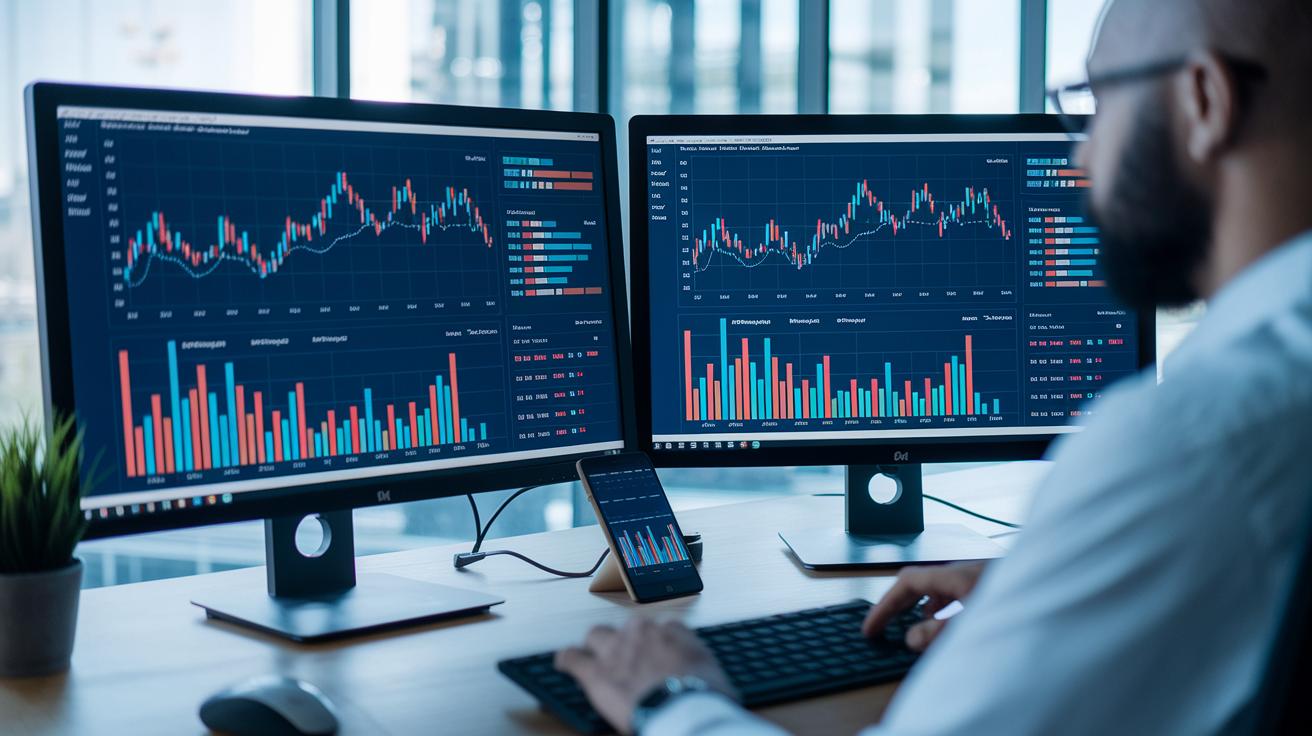
Modern analytics platforms are key to making sense of market data quickly. They simplify the process of capturing data and give us fast insights into how customers behave. Tools like GWI Spark break down information into clear segments and speed up analysis, helping you follow the shifts in the market. Social listening tools (Top 13 for 2025) and customer intelligence platforms (Top 8 for 2025) add real-time signals, alerting you to changes before they make the news. And then there are widely used programs like Google Trends, Tableau, Python (with libraries such as pandas and statsmodels explained as tools that help crunch numbers and spot patterns), and R libraries, all of which help create easy-to-understand visuals and models. These resources work together like the engine of a car, keeping trend analysis efficient and on target even in a fast-changing market.
When picking a platform for forecasting, look for options that let you combine different types of data with visuals that are clear and simple. Choose systems that balance technical analysis with the ability to update and refine forecasts quickly. In plain language, you want analytics tools that give you solid detail and a user-friendly experience. That way, your team can quickly act on market trends as they develop and stay ahead of the curve.
Step-by-Step Process for Trend Analysis in Market Forecasting
Define Clear Forecasting Goals
Start off by setting clear goals to decide what you’re really after, whether it’s testing demand, checking out new markets, or nailing down specific target numbers. Imagine you’re curious about how excited people are about a new product, or you want to see if your services fit a particular group. When you know exactly what to look for, every step becomes more straightforward.
Gather and Segment Data Consistently
Next, collect your data steadily. Look into things like search trends, the overall feeling people have (what we call sentiment), and how a brand is seen. Then, break this info down by age, interests, or areas. Keeping this process consistent helps build a trusted record of real change, like hearing from lots of different folks on topics that matter.
Contextualize Data within Economic and Cultural Factors
Then, put your numbers into the bigger picture by considering the economy and cultural shifts. Look at important economic signs and social trends so you don’t mistake everyday bumps for major shifts. When you tie your data to what’s happening in the world, you get a much clearer, real-life forecast.
Translate Insights into Strategic Actions
When you spot the trends, turn them into action. Use these insights to shape strategies like adjusting your product, tweaking your marketing plans, or pitching creative ideas. It’s like turning raw signals into steps that really drive your decisions, bridging that gap between numbers and what you do next.
Revisit Trends for Ongoing Forecast Refinement
Finally, check your trends regularly. The market’s always on the move, so updating your analysis keeps your approach fresh. Regular reviews stop old conclusions from steering you wrong. As behaviors shift, your strategies can too, ensuring you stay on top of the competition.
Illustrative Case Studies on Trend Analysis for Market Forecasting

Recent forecasts, like those tracking media habits and spending in the UK and US, show how marketers and investors lean on everyday data. These 2025 previews mix different market signals to help experts spot patterns early and get ready for changes. They clearly show how trend analysis turns raw numbers into practical insights.
One standout example is Spotify Wrapped. It takes lots of listening data and turns it into a cultural moment that grabs attention while guiding smart marketing moves. This case reminds us that not every new behavior is a lasting trend; it’s about filtering out the random noise to find real shifts. Plus, insights from 230,000 Gen Z voices highlight the need for diverse views when forecasting trends.
These cases also offer clear lessons for investment and strategy. Leaders can use solid data to pinpoint market areas that are changing and seize growth opportunities. By comparing new trend methods with historical data, businesses get a clear picture of where the real signals lie amid daily market ups and downs. This helps companies adjust everything, from product development to campaign timing and spending, so their investments match what customers truly need.
Final Words
In the action, our discussion lays out how identifying market patterns and economic cycles paints a clear picture of future trends. The post showed how tracking consumer behavior, blending statistical methods with smart algorithms, and using modern tools can lead to solid smart investment strategies.
We've taken you through key methodologies, practical case studies, and step-by-step processes, all reinforcing that effective trend analysis for market forecasting is a real asset in managing risk and staying ahead. Keep your vision clear and your strategy sharp.
FAQ
What is trend analysis in accounting and forecasting?
Trend analysis in accounting and forecasting reviews past data patterns to understand financial performance and predict future market shifts. This method helps assess performance and guide strategic decisions.
How do you conduct a market trend analysis?
Conducting a market trend analysis involves gathering historical data, using online tools, and examining patterns to forecast future market behavior. It’s a hands-on process that turns data into actionable insights.
What are the key steps in trend analysis?
The key steps in trend analysis include setting clear goals, collecting data consistently, analyzing patterns, and translating findings into actions. This systematic approach helps refine forecasts and improve decision-making.
What are the types of trend analysis?
Trend analysis types often cover consumer behavior, economic cycles, and seasonal changes. Each focuses on unique data aspects, helping build forecasts that match different market conditions.
What is the trend analysis formula?
The trend analysis formula typically calculates growth rates by comparing changes over time in data values. This simple math helps identify patterns and project future performance accurately.
Where can I find trend analysis resources?
Trend analysis resources come in various forms such as online PDFs, practical examples, and interactive tools. You can easily access these to deepen your understanding and refine your forecasting techniques.