
Ever wonder if yesterday’s numbers could hint at tomorrow’s economic moves? Trend analysis takes old data and today’s facts to give us clues about what might come next. It looks at everyday changes, like shifts in how people shop, and turns them into forecasts that help guide big decisions. In a world where even small signals can spark big changes, grasping trend analysis is key to planning smart moves and spotting potential shifts in the market.
How Trend Analysis Drives Economic Forecasting
Trend analysis uses old data, current facts, and smart predictions to answer the simple question, "What’s next?" It takes plain economic numbers and turns them into clear forecasts for coming months, quarters, or even years. Imagine starting with a striking fact: before making big decisions, top economists noticed that even tiny changes in how people shop could hint at bigger market shifts. This way, we can better understand what might happen in the future by connecting past trends with upcoming moves.
By turning raw numbers into insights we can act on, trend analysis helps leaders make smarter decisions. Both businesses and governments lean on these forecasts to tweak policies, create better financial plans, and decide on investments. It shows decision-makers when markets might change, so they can use resources wisely and lower risks. Analysts look at what’s happening now compared to the past to catch small changes that may signal larger economic shifts.
This approach is key when planning budgets and policies. Trend analysis guides big-picture economic predictions by spotting new patterns that affect everything from central bank strategies to everyday business choices. Mixing lessons from the past with the signals we see today helps organizations adjust their budgets, move money around wisely, and plan for an ever-changing economic landscape.
Key Indicators and Data Sources for Trend Analysis in Economic Forecasting

When we look at trend analysis, indicator categories are like the steady framework of a building. For example, leading indicators such as consumer confidence and stock market returns give early hints about upcoming economic changes. Coincident indicators like GDP and industrial production show us what the economy looks like right now. And lagging indicators, like unemployment rates and inflation figures, help confirm trends only after the changes have already happened. Think of these groups as layers on a map; together, they reveal the whole economic picture. It's kind of like how a surprising dip in consumer spending can warn us about bigger shifts before they become clear.
Public sources of data are a huge help in this process. Reports from agencies like the Bureau of Economic Analysis or updates from the Federal Reserve give us reliable economic facts. Plus, private databases add more detail by offering high-frequency data, that is, numbers that get updated really quickly. Imagine it like following a live sports score, where each moment adds a bit more context to the game.
Analysts mix these varied pieces of data to sharpen their predictions. By piecing together different layers of economic information, decision-makers can create strategies that handle short-term market moves and long-term trends at the same time. This well-rounded approach helps support smarter financial planning and investment choices.
Core Methodologies of Trend Analysis in Economic Forecasting
Trend analysis in economic forecasting turns data into clues that help us predict future market moves. We rely on three main ideas: using numbers, listening to experts, and blending both to get a complete picture.
Quantitative Forecasting
Quantitative forecasting is all about the numbers. It uses models like regression analysis, time series, and other tools to uncover patterns in historical data. Imagine looking at past sales figures to set up a model that shows clear trends for the future. It’s like the market is whispering its secrets, and these models help us understand those clues.
Qualitative Forecasting
Qualitative forecasting involves gathering insights directly from people in the field. Think of it as sitting with a group of market experts, discussing and sharing ideas that raw numbers can’t capture. This method is key when you need to understand the market mood or the psychology behind financial moves, things that data alone might miss.
Combination Methods
Sometimes, the best approach is a blend of both methods. Combination methods mix hard data with expert insights using a hybrid framework that gives weight to each. This way, you get a forecast that’s balanced and ready to guide smart decision-making.
- Collect a wide range of historical and current data.
- Use statistical tools like regression and time series analysis.
- Chat with experts through panels or workshops.
- Blend numerical data and expert opinions in a hybrid model.
- Regularly update your forecasts as new data comes in.
Econometric and Statistical Models for Trend Analysis
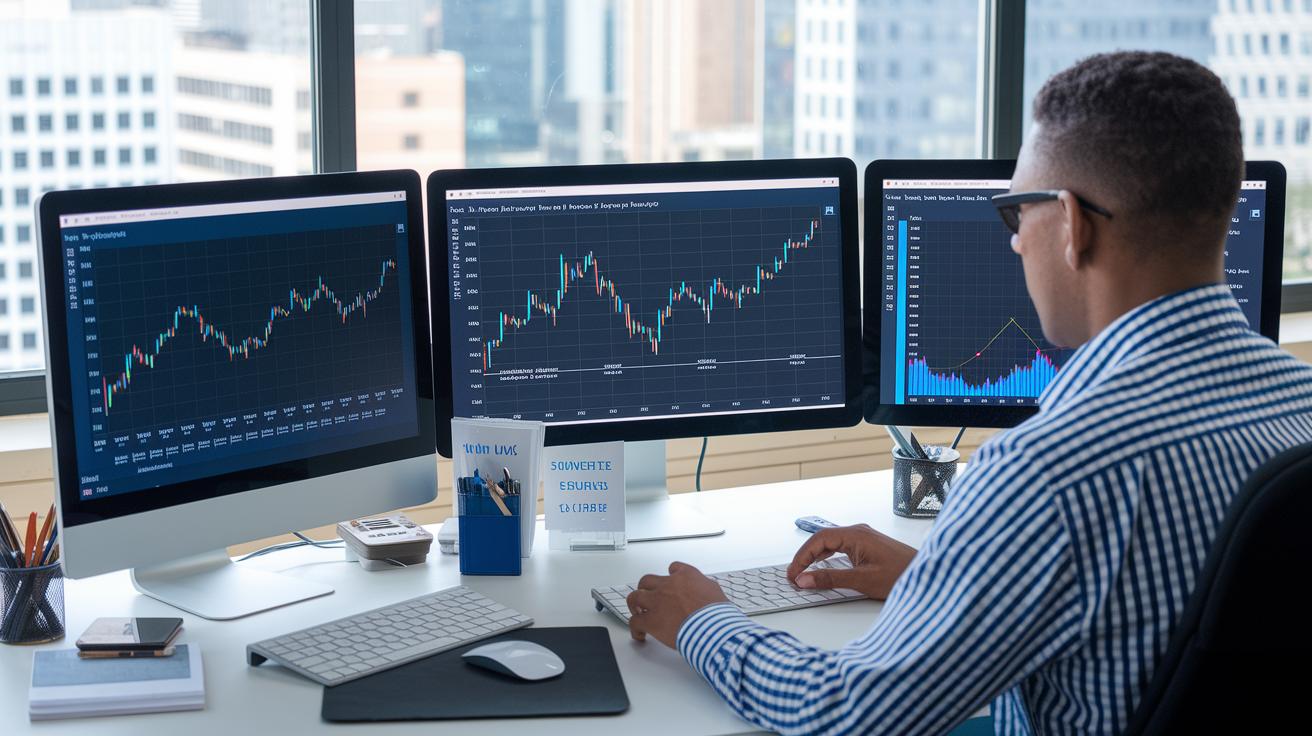
We’re taking a look at some time-tested econometric and statistical models that help turn past data into clear economic forecasts. These models can focus on a single set of numbers or handle several together to reveal hidden patterns. For example, the ARIMA model tracks one series over time to spot trends, while multiple regression links GDP with different factors. VAR, on the other hand, is handy when various economic indicators influence each other, and structural models help us see the effects of policy changes or sudden events.
| Model | Type | Data Focus | Variables |
|---|---|---|---|
| ARIMA | Univariate | Single series | 1 |
| Multiple Regression | Multivariate | Cross-section & time | 2+ |
| VAR | Multivariate | Interrelated series | 3+ |
| Structural | Econometric | Policy & shock | 4+ |
Each model comes with its own set of needs and strengths. When analysts use ARIMA, they study a single time series to pick up a clear trend. With multiple regression, there’s a mix of cross-sectional and time data to check how economic factors connect. VAR really shines when dealing with several linked variables, while structural models are key when sudden changes or policy shocks come into play.
These tools, built on solid time series methods and multivariate ideas, give us a strong framework for planning. They guide everything from shaping policies to setting corporate budgets.
By using these models, analysts dig into data using clear guidelines and step-by-step checks. They adjust models when new data appears, making sure predictions stay on point. This process weaves in external events and policy impacts, sharpening our economic forecasts and equipping decision-makers to handle future shifts in the market.
Trend Analysis in Economic Forecasting: Bright Future
Central banks and big companies are turning more and more to trend analysis as a way to steer their decisions. They use market projection models that take old economic data and turn it into clear GDP projections, which then help set smart fiscal policies. Likewise, corporate finance teams are using real-time trend tracking to fine-tune demand planning and better manage their resources. These insights break down complex trends into simple, easy-to-understand ideas, ensuring that investments line up nicely with what the market expects. Ever notice how a small shift in consumer spending can lead to quick adjustments in pricing and asset allocation? That’s how agile and proactive financial planning comes into play.
A great example comes from a manufacturing firm that used time series analysis to spot a slowdown in the third quarter. They noticed a slight dip in order numbers and quickly adjusted their inventory and production schedules before others did. This proactive move not only helped prevent an overstock problem but also unlocked cost savings worth billions in procurement. By combining detailed market models with smart process automation, the company proved just how effective dynamic economic forecasting can be. The future looks really bright for companies that adopt these strategic tools.
Limitations, Accuracy Assessment, and Validation of Trend Forecasts

Forecasting is a bit like trying to guess the weather, it’s never 100% certain. Analysts use detailed models and a load of past data, but even a small shift in consumer habits or a sudden change in policy can derail predictions. No matter how good the model is, reality sometimes has its own plans.
To see how well a model performs, experts look at error metrics like Mean Absolute Error (MAE), Root Mean Square Error (RMSE), and Mean Absolute Percentage Error (MAPE). These are just tools to measure the gap between what was forecasted and what actually happened. They also run tests like cross-validation, back-testing, and sensitivity checks to make sure the model stands strong in different scenarios. Think of it like testing a recipe a few times to ensure it always comes out just right.
Analysts also create prediction intervals that show the range where future results are likely to fall. When real-life data starts to differ from forecasts, they adjust the models to get things back on track. These intervals and adjustments act like safety nets, keeping our forecasts flexible and reliable to help guide smart financial decisions even when things are a bit unpredictable.
Visualization Techniques for Trend Analysis in Economic Forecasting
When you're looking at economic trends, basic charts like line graphs, seasonal breakdown plots, moving-average overlays, and heatmaps play a big role. They help break down a mountain of numbers into parts you can easily understand by teasing apart long-term trends from seasonal effects and random blips. For example, a line graph might show steady growth while also pointing out periodic dips, and a seasonal breakdown clearly distinguishes the ongoing trend from regular ups and downs. This makes it much easier for decision-makers to catch shifts in key economic indicators quickly and accurately.
Interactive dashboards take this idea even further. They let you drill down into data patterns, whether you're looking at trends by quarter or by month. With these dynamic tools, you can switch between different views, check seasonal adjustments, and compare past data with what’s happening right now. Imagine clicking on a specific time period in a dashboard and instantly uncovering detailed sub-trends that explain any unexpected changes. This level of interaction turns routine numbers into a hands-on experience that boosts understanding and helps everyone feel confident about their decisions.
Final Words
In the action, this article explored trend analysis in economic forecasting by breaking down core definitions, key economic indicators, and proven methodologies. It walked through the steps of using quantitative models, qualitative insights, and hybrid methods to shape smart strategies. We also examined how robust statistical models and visualization tools help turn raw data into clear, actionable insights. Overall, the discussion brings empowering clarity to using trend analysis in economic forecasting, giving you confidence to manage risk and seize emerging market opportunities.
FAQ
Q: What is trend analysis in economic forecasting?
A: Trend analysis in economic forecasting uses past and current data to predict future economic changes. It turns raw numbers into actionable insights that help businesses and governments make smarter decisions.
Q: What are the three types of trend analysis?
A: Trend analysis generally comes in three forms: quantitative, qualitative, and combination methods. Quantitative methods rely on data and statistics, qualitative on expert opinions, and combination on both.
Q: What are the six steps in trend analysis?
A: The six steps include data collection, cleaning, analysis, interpretation, validation, and presentation. Each step builds a clearer picture, allowing analysts to produce reliable economic forecasts.
Q: What is an example of trend analysis?
A: An example of trend analysis might involve reviewing past GDP data to predict future economic growth. This process mirrors evaluating recurring patterns to guide strategic financial planning.
Q: What is trend analysis in accounting?
A: Trend analysis in accounting looks at financial statements over time to spot shifts or patterns. It helps identify performance trends and reveals subtle changes in a company’s financial health.
Q: What is the trend analysis formula?
A: The trend analysis formula often calculates percentage changes over time. By comparing current data to historical figures, this formula highlights growth or decline trends in a clear, measurable way.
Q: How can I access trend analysis online resources?
A: Trend analysis online offers digital dashboards, interactive apps, and automated charts that simplify the process of visualizing and understanding economic data patterns.
Q: Where can I find trend analysis notes and PDFs?
A: Trend analysis notes and PDFs can be found on educational and financial websites, which provide detailed guides and examples to help explain and apply these forecasting techniques.