
Have you ever thought about how a company turns a big dream into real cash? It’s a bit like slicing up a pie. When a company wants to grow, it sells new shares to the public at a starting price, kind of like marking off the very first slice. Later on, in a lively market where these shares change hands, investors trade these slices when they need extra cash.
There’s also a twist in how deals happen. Some shares are traded privately while others are open to everyone, and that mix decides who gets in on the action. Today, we’re taking a closer look at these different market spots so you can see the whole picture clearly.
Types of Equity Market Structures: Primary, Secondary, Public & Private
Equity markets let you buy and sell pieces of companies so you can own a part of their future. These markets break down into different groups based on how the shares are first sold and then traded later on.
First, there’s the primary market. This is where companies offer new shares to raise money. Think about a company launching an IPO: it gets registered with regulators and teams up with experts to set a starting share price. This step is key because it sets up the initial value for the company.
Next comes the secondary market. Here, shares that have already been sold are traded among investors. This happens on broker-assisted platforms or through electronic systems. It’s like sharing pieces of a pie after it’s baked. This trading gives shares their liquidity, which means you can quickly turn them into cash if you need to.
We also split these markets into public and private based on how shares are listed. Public markets list shares on big, well-known exchanges. These come with strict rules and high transparency, so everyone gets a clear picture of what’s happening. Private markets, in contrast, involve trading through personal deals among accredited investors and happen less often, with fewer details shared publicly.
| Market Type | Key Features |
|---|---|
| Primary | New shares issued to raise funds |
| Secondary | Ongoing trades among investors providing liquidity |
| Public | Listed on major exchanges with strict oversight and transparency |
| Private | Shares traded in personal deals with fewer rules and lower trading frequency |
Each part of the equity market plays its role, making it easier for companies to grow and for investors to find the right opportunities. Have you ever wondered how these different pieces work together to build a dynamic financial world?
Primary Equity Markets and IPO Variations
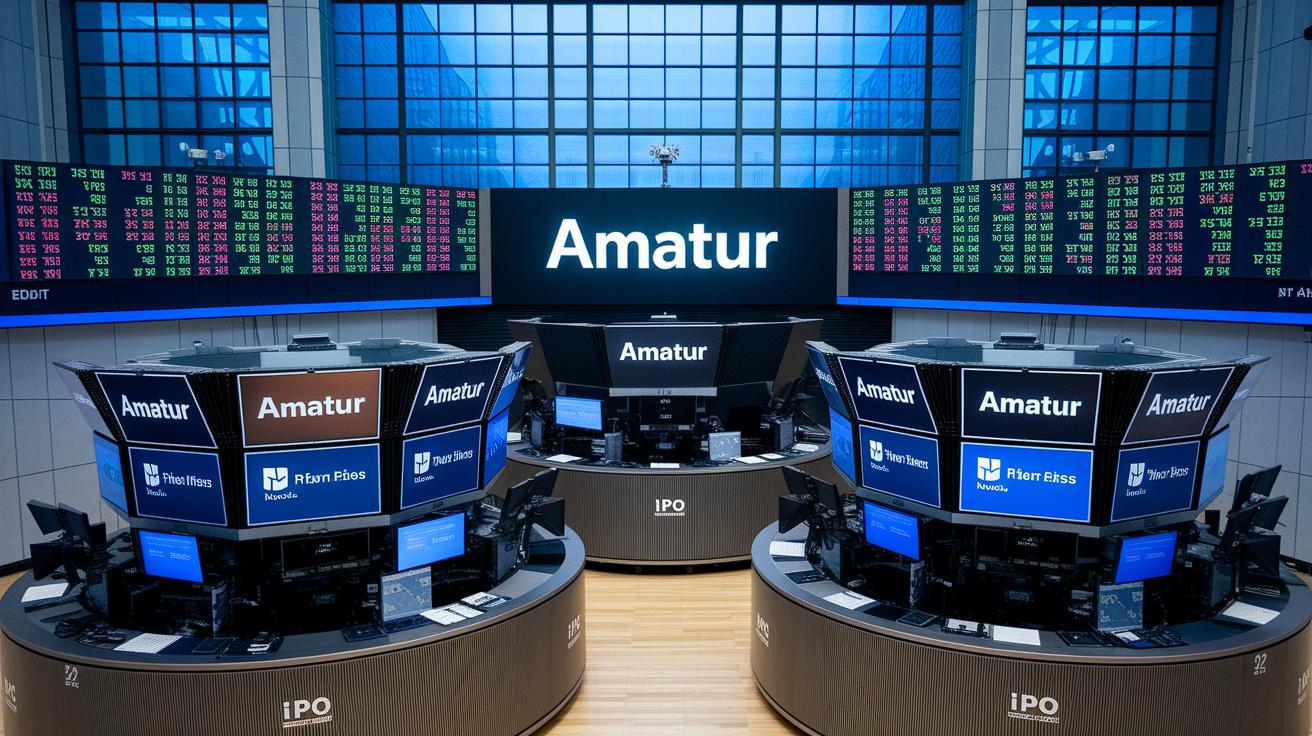
When companies need to raise money, they often do so by selling new shares in what we call the primary market. Most of the time, this happens through an IPO, or initial public offering. In an IPO, a company works with regulators and teams up with special brokers known as underwriters to set a share price based on what buyers want.
Imagine it like a grand opening, when a company sells its first shares, eager buyers help decide the price.
There are two main ways to go public. The first is a traditional underwritten IPO, which uses a process called book-building. Here, underwriters collect bids from interested investors to help figure out the right price. The second method is a direct listing. Instead of creating new shares, existing shareholders sell their stock, and the market itself establishes the price.
This step is important because it sets how many shares will be available and what the starting market value will be. Companies pick the option that best meets their needs for control, speed, and reaching investors. It's a key milestone that opens the door to growth and new opportunities.
Every IPO method mixes a bit of risk with reward, making the moment of going public a vital step that can shape a company’s future.
Secondary Equity Markets: Trading Mechanics and Liquidity
Secondary markets are where investors trade shares that have already been issued. Think of it as a bustling marketplace where you can update your portfolio or catch a fresh opportunity. Investors use broker-dealers on stock exchanges or online platforms to make these trades. In simple terms, these transactions add to the market’s liquidity, meaning they help turn assets into cash quickly when needed.
A big part of trading in these markets is deciding which order type to use. Let’s break down the three main types:
- Market orders: These are executed right away at the current price. It’s like walking into your favorite store and grabbing something off the shelf immediately.
- Limit orders: These only go through when the stock hits a price you choose, much like waiting for a sale where you know you’ll get a good deal.
- Stop orders: These turn into market orders once a target price is reached. Think of it as a safety net in case the market starts moving in an unexpected way.
Every trade goes through a clearing and settlement process. This step ensures that the buyer gets their shares while the seller receives their money, making every transaction final and trustworthy. The constant flow of orders and active market makers means that these secondary markets keep trading volumes high, letting investors jump in and trade quickly and confidently.
Public vs Private Equity Markets: Key Differences in Access and Oversight

Public equity markets are like an open book for investors. Companies that list on a major exchange have to meet strict rules and regularly share financial details. This means the share prices update in real time, so you can easily see what a share is worth at any moment. It’s a bit like watching the steady pulse of market activity every day.
On the other hand, private equity markets are more like an exclusive club. Here, only certain accredited investors, those who meet specific financial standards, can buy shares. These companies don’t need to follow the same detailed reporting rules as public firms, so you might not see all the information upfront. And because trading happens less often and there are usually waiting periods before you can sell, it can feel a bit like being at an invitation-only auction.
Key differences include:
- Investor eligibility: Public markets welcome nearly anyone, while private markets are open only to approved buyers.
- Regulatory requirements: Public companies must stick to strict disclosure rules, whereas private firms get a lighter reporting load.
- Transparency and liquidity: Public listings offer fast, real-time pricing, while private transactions involve negotiated deals that trade less frequently.
- Exit options: It’s generally easier to sell shares in public markets than in the more controlled world of private equity.
| Aspect | Public Equity | Private Equity |
|---|---|---|
| Investor Access | Broad and open | Restricted to accredited investors |
| Regulation | Strict disclosure rules | Fewer reporting requirements |
| Liquidity | High with quick pricing updates | Lower with negotiated trades |
Global Equity Markets Overview: Major Exchanges and Regional Variations
Equity trading has its rhythm set by a few big stock exchanges all over the world. In the U.S., you have the New York Stock Exchange, which dates back to 1792, and Nasdaq, born in 1971 with a clear focus on technology. They run from 9:30 a.m. to 4:00 p.m. ET, giving traders a reliable window to make their moves.
Over in London, the London Stock Exchange has been around since 1801. It’s known for its strong ties to financial services and sticks to a schedule from 8:00 a.m. to 4:30 p.m. GMT. Its solid rules and clear processes help build trust among investors.
In Asia, you’ll notice the Tokyo Stock Exchange, which started in 1878 and serves as a main gateway for Japanese investments. China showcases its modern side with the Shanghai Stock Exchange, re-established in 1990 using the latest trading tech. And don’t forget the Hong Kong Stock Exchange, founded in 1891, which skillfully bridges Eastern and Western market practices.
Then there’s Euronext, which kicked off in 2000. This exchange brings together several European countries into one smooth platform. Each of these markets follows its own local rules and settlement methods, making sure everything runs efficiently.
Trading hours, focus on different sectors, and rules can vary a lot by region. For instance, while Nasdaq is all about tech stocks, London mostly concentrates on financial institutions. These differences help investors choose the right market that fits their strategies in our diverse, connected world of trading.
Alternative and Electronic Equity Markets: ATS, ECNs, and Digital Platforms

Alternative trading systems (ATS) give big investors a quiet space to place their orders without all eyes watching. These systems, like dark pools, help hide large trades so that prices don’t suddenly jump or drop. It’s pretty interesting how some big trades happen so quietly that most of us don’t even notice until later.
Next up are electronic communication networks, or ECNs. They work like friendly matchmakers, quickly linking buyers and sellers without waiting on a middleman. Think of it like ordering at your favorite drive-thru, fast, smooth, and hassle-free.
Then there are digital platforms powered by algorithmic trading that are completely changing the game. These smart systems act like an attentive assistant, automatically deciding the best time and price to make a trade. Imagine an algorithm that tweaks your order in real time based on current market vibes, kind of like having an extra set of eyes always on watch.
Modern systems now lean on real-time analytics, speedy order routing, and cloud-based tools to make trading even more efficient. With quicker data and sharper insights into market activity, traders can feel more confident about their decisions.
Key features include:
- Anonymity in ATS, which helps keep large trades hidden.
- Direct order matching in ECNs for faster execution.
- Automated strategies in algorithmic trading that work to get the timing and pricing just right.
Final Words
In the action of understanding equity markets, we broke down key types, from primary markets where shares debut, to secondary trading hubs, public listings with visible, regulated offers, and private settings with negotiated deals. We also touched on global exchanges and digital trading options that shape our modern financial tempo. These insights empower smart investing and help manage risk while staying updated. Embrace these types of equity markets as valuable tools for making confident, informed investment decisions.
FAQ
What are the different types of equity markets?
The different types of equity markets include primary and secondary markets along with public and private listings. Primary markets issue new shares, while secondary markets focus on trading existing shares between investors.
How many types of equity trading are there?
There are multiple forms of equity trading, reflecting the differences in issue methods and trading venues. They span initial public offerings, traditional underwritten deals, direct listings, and the active trading on established exchanges.
What is the most common type of equity market?
The most common equity market is the public secondary market, where shares traded on well-known stock exchanges offer high liquidity and comprehensive regulatory oversight for investors.
What is the difference between an equity market and a stock market?
Equity market and stock market generally refer to the same arena where ownership shares are bought and sold. Both encompass primary channels for new shares and secondary channels for ongoing trading of existing shares.
How does equity trading differ from stock trading?
Equity trading and stock trading are often used interchangeably. They both involve buying and selling company shares, with the choice of trading venues and order types sometimes varying based on market conditions.
What is the importance of the equity market?
The equity market is important because it provides companies with capital for growth and gives investors a chance to own a part of a company. This process also supports liquidity and fair price discovery.
What is an equity market PDF?
An equity market PDF is a document that outlines market structures, trading procedures, and classifications in clear, simple language, making it a handy resource for both new investors and seasoned professionals.
Can you give an example of an equity market?
An equity market example is the New York Stock Exchange, where companies list their shares for public trading. It illustrates how primary share issuance and secondary market trading work together in a real-world setting.
How do equity markets differ from debt markets?
Equity markets deal with company shares and partial ownership, while debt markets revolve around bonds and loans. Equity investments offer growth potential, whereas debt investments typically provide fixed income over time.