
Ever wonder if your stocks can turn into cash quickly without losing their value? Think of it like a friendly market stall where buyers and sellers hustle, keeping prices steady. This read breaks down why a mix of active buyers and sellers makes your investments safer and more predictable. We'll show you how liquidity, which means how fast you can turn an asset into cash, plays a big role in smooth trading. And by keeping an eye on it, you’re set to make smarter moves in the market. Enjoy a clearer view of trading that might just change how you see investing.
Defining Equity Market Liquidity
Equity market liquidity is all about how easily you can turn your shares into cash without losing value. In everyday language, it means you can buy or sell stocks fast while keeping the price steady. When lots of buyers and sellers are in the mix, trades happen smoothly, almost like swapping fresh fruit at a busy farmer’s market where each item always goes for a fair price.
High liquidity makes traders and investors feel secure. It means you can jump in or get out of a trade quickly. This steady flow of buyers and sellers keeps prices predictable, even when the market gets a bit bumpy. Imagine a fast-paced trading floor where orders get filled right away, so you never have to worry about waiting too long or getting a bad price.
When prices stay clear and trades run smoothly, market confidence grows. Investors love knowing they can tap into their stocks whenever needed, which in turn keeps the entire system strong and fair. For example, big companies usually see lots of trading activity, which helps keep prices even and efficient for everyone involved.
In short, equity market liquidity doesn't just help you as an individual trader, it supports a healthy financial market overall. It creates a system where reliable prices and quick trades build trust and help everyone make smarter investment choices.
Measuring Equity Market Liquidity

The share turnover ratio is a key number that tells you how often a stock changes hands. You get this figure by dividing the total trading volume by the number of shares available. Think of it like swapping 100 stickers where 50 get traded in one day, that's a 50% turnover rate. It gives you a clear view of how lively the trading scene is.
Next up is the bid-ask spread. This simply shows the gap between the highest price buyers will pay and the lowest price sellers will accept. A small gap means buyers and sellers quickly find common ground, much like two friends quickly agreeing on a fair price for a baseball card. When that gap is narrow, it usually signals that the market prices stay pretty stable.
Another important measure is market depth. This looks at the order book to see how many shares are available at different prices. If you like visuals, check out technical charts (https://tradewiselly.com?p=1009) that show how orders pile up. With a good market depth, traders can move in and out of stocks without causing big swings in price.
Key indicators to watch include:
- Share turnover ratio
- Bid-ask spread
- Market depth
Together, these numbers give you a clear picture of market liquidity. When they’re strong, you can trade with confidence, knowing there’s always a buyer or seller ready without any drastic price jumps.
Factors Influencing Equity Market Liquidity
Equity market liquidity is much like a balanced see-saw between buyers and sellers. When one side takes over, it can throw everything off balance. Think of it as a scale: if one end tips too much, traders struggle to complete trades without facing big price swings. For example, if a weak earnings report prompts many investors to sell at once, the number of buyers can suddenly drop, and prices may fall sharply.
News can shake things up in an instant. When breaking headlines or sudden economic updates hit, the market quickly shifts gears. Ever notice how a surprising earnings report might trigger a rush of buying or a quick sell-off? One case even showed stocks falling sharply after an unexpected dividend cut, leaving many traders scrambling to find buyers. It’s a clear sign that fresh information can directly influence both prices and trading activity.
Other factors, like local market conditions and shifts in investor interest, also play their part. Changes in regional economic data or local sentiment can cause trading volumes to change, which in turn affects liquidity. The key factors to keep an eye on include:
- Buyer and seller imbalances
- The impact of breaking news and earnings surprises
- Shifts in regional investor sentiment
Since market conditions are always changing, staying aware of these drivers can help traders adjust their strategies when things move quickly.
Equity Market Liquidity’s Impact on Trading Efficiency and Pricing
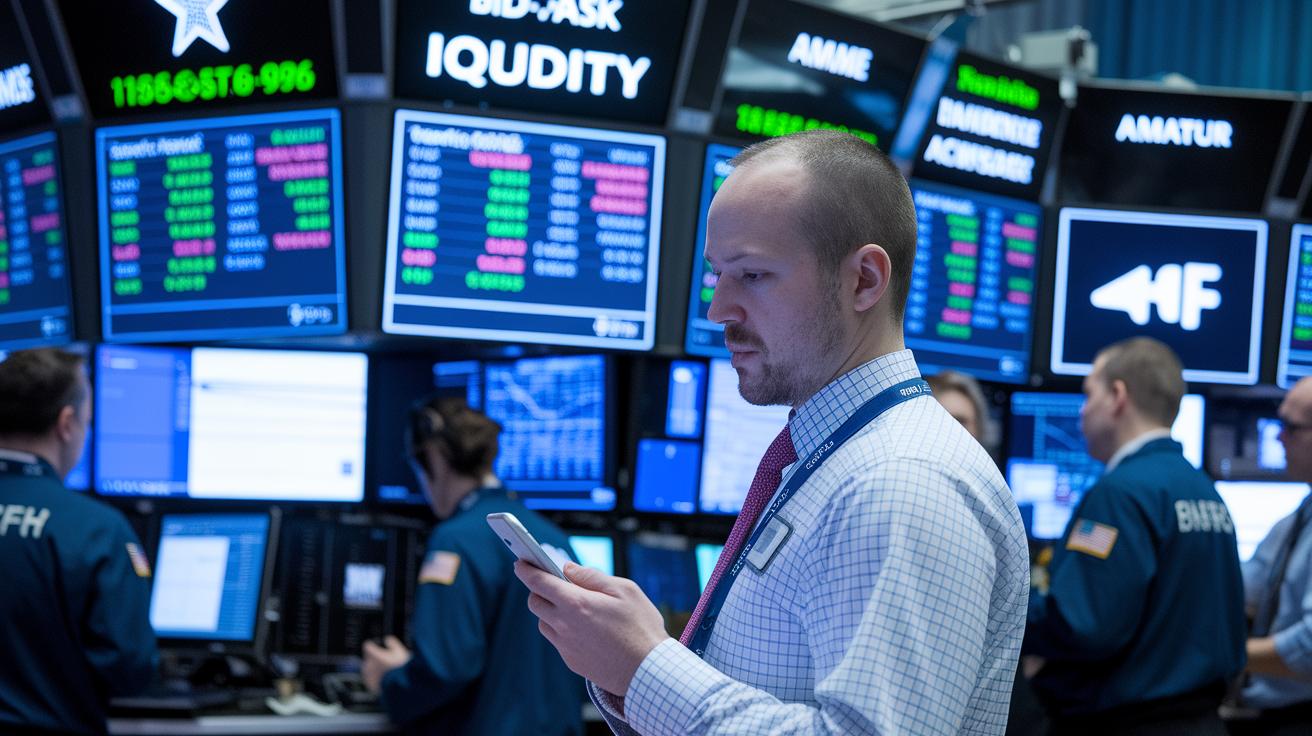
When a stock is highly liquid (meaning it’s easy to buy or sell), trading costs drop and prices don’t jump around too much. Think of it like stepping into a busy market where every trade happens at a fair, steady price. In such markets, prices stay close to what the stock is truly worth.
Stocks that enjoy high liquidity usually trade near their fair value. This gives investors peace of mind because they know their trades will happen quickly without sudden price changes. In a liquid market, you can make your plans with confidence and feel secure about your investments. It’s like having a smooth, clear path in a fast-paced market.
On the other hand, in markets where liquidity is low, you might face a wider gap between what buyers pay and what sellers ask. If you need to act quickly, you could end up with a less favorable price, causing unexpected losses. Imagine trying to sell something in a quiet place with few buyers, prices can slip, and you take on more risk.
| Key Factor | Benefit |
|---|---|
| High Liquidity | Lower costs when executing trades |
| Quick Transactions | Minimal price shifts during fast trades |
| Stable Prices | More confidence and trust among investors |
All in all, strong liquidity makes trading fairer and more predictable. It helps keep prices steady and builds trust across the market, making it easier for everyone to trade confidently.
Assessing and Managing Liquidity Risk in Equity Markets
Liquidity risk is what happens when you can’t find a buyer or seller quickly, which may lead to prices slipping away from what you expect. Think of it like trying to sell a rare trading card in a small, quiet market, finding the right person to trade with is slow, so you might not get the best price.
In everyday trading, market makers and high-frequency traders play a big role. They constantly offer buying and selling prices, helping make sure there’s always a chance to trade, even when trading is slow. Imagine a busy trading floor where trusted middlemen keep things steady by always showing a price, no matter how small or spread out the orders may be.
Sometimes, the market gets stressed by events like an unexpected news report or a sudden change in how investors feel. In those times, liquidity can vanish fast. Breaking a large order into several smaller orders at different price points becomes a handy trick. This way, you reduce the chance of a sudden, wild price move, kind of like taking small bites of a big meal so you don’t upset your stomach.
It also helps to keep a close eye on things like trading volume, the gap between the highest bid and the lowest ask (known as the bid-ask spread), and how many orders are waiting (market depth). By watching these numbers, you can adjust your strategy quickly when you see signs of trouble, offering a kind of cushion against sudden market changes.
Finally, managing liquidity risk isn’t just about where you put your orders. It also means having the right tools, like simple analytics and real-time data, to understand the market’s health. This information guides you to make calm and steady decisions, even when the market feels unpredictable.
Final Words
In the action, we explored what makes buying and selling stocks smooth and how it affects pricing. We broke down the measures that show liquidity and discussed how various factors like trading volume and news can shift market conditions. We also looked at ways to manage liquidity risk with smart strategies and practical tools. With each insight, you gain clear steps toward making smarter, confident moves using what is equity market liquidity.
FAQ
FAQs
What is equity market liquidity?
The concept of equity market liquidity means that stocks can be quickly converted to cash at stable prices. It shows that trading shares happens smoothly without big losses in value.
What is liquidity in trading?
The term liquidity in trading refers to how quickly assets can be bought or sold without causing a big change in their price. It marks an active market with many buyers and sellers.
What does it mean if liquidity is high?
High liquidity means there are lots of buyers and sellers, making it easier to trade assets at steady prices and reducing the gap between buying and selling costs.
What are types of liquidity in trading?
Types of liquidity in trading include measurements like share turnover ratios, bid-ask spreads, and market depth. These help traders see how fast assets move without impacting prices.
What is a stock market liquidity chart?
A stock market liquidity chart shows details such as bid-ask spreads and volume data, offering a visual snapshot of how easily stocks can be bought or sold in the market.
What is a liquidity trading strategy PDF?
A liquidity trading strategy PDF explains methods for trading in markets with shifting liquidity. It outlines practical tactics and rules designed for smoother trade execution.
What is the 7% rule in stocks?
The 7% rule in stocks refers to a guideline some traders use to set target returns or stop-loss points. It provides a rough measure in managing stock price movements.