
Have you ever thought that a simple way to invest could lead to steady growth? Passive investing is like joining a team where everyone has a role, and together they create a steady rhythm. Instead of trying to find that one hot stock, you simply follow the market by using index funds or ETFs. These funds copy the performance of a whole market index, keeping your costs low and your mind at ease.
This method can help you stay calm without the stress of buying and selling all the time. And honestly, it could be the smart move your portfolio needs to grow over time.
Passive Investing Explained: Definition and Core Principles
Passive investing is a straightforward way to help your money grow by simply following the market’s moves instead of trying to outsmart it. You invest in a variety of companies, much like being part of a team where everyone contributes instead of relying on one superstar.
This method works by tracking the market’s returns using large indices. Instead of picking and choosing stocks to find winners, you let your portfolio mirror a specific benchmark. With fewer trades to worry about, it captures the market’s overall progress, often leading to steady growth.
The most common tools for this approach are index funds and ETFs (Exchange-Traded Funds, which are like baskets of stocks that follow a benchmark). These options mean you don’t need to monitor your portfolio all the time, offering a simple and smart way to invest over the long run.
Passive Investing vs Active Investing: Key Differences

Passive investing is all about keeping things simple. You follow the big picture, mirroring a market index, so you make fewer trades and pay lower fees. It’s like letting a steady current carry you along instead of battling every wave.
Active investing, on the other hand, is much more hands-on. This approach involves frequent trading and lots of research to try and beat the market’s average returns. Have you ever felt the rush of a well-timed trade? That’s active investing in a nutshell.
When it comes to costs, passive strategies usually win by keeping fees lower. Think of it like choosing a simple meal over an elaborate feast; you’re not paying extra for constant adjustments. Active investing, with its regular buying and selling, naturally racks up more fees.
The day-to-day work also differs. Passive investors set their portfolios on an index and then let things run with minimal fuss. Active investors, however, keep a close eye on their holdings, making frequent tweaks. It can be more time-consuming, but some investors enjoy being in the driver’s seat.
Stock selection is another big difference. With active management, you get to pick individual stocks that you think will outperform the market, tailoring your portfolio to your own view of the world. Passive investing doesn’t offer that flexibility, it’s all tied to the overall performance of the index.
In short, passive investing aims to match the market’s steady pace, while active investing goes after higher returns, even if it means taking on more risk.
Popular Passive Investing Strategies and Tools
Passive investing is a smart, hands-off way to grow your money by simply following the market's natural flow. Instead of watching your investments every minute, you can set things up and let them work quietly behind the scenes, just like preparing a favorite recipe where every ingredient plays a special role.
Imagine building your portfolio like you’re making a balanced meal. Each tool you choose adds its own unique flavor, creating a mix that suits your financial taste. Have you ever wondered how a few simple choices can keep your money moving steadily forward?
Here are some common tools you might consider:
- Index funds: Think of these as baskets filled with a variety of stocks that mirror a specific market benchmark. They let you capture the whole market without picking individual stocks.
- ETFs: These work a bit like index funds but give you the extra flexibility of trading during market hours. They let you adjust your positions as needed while tracking an index.
- Robo-advisors: These digital helpers use computer algorithms to create and maintain a mix of investments, adjusting your portfolio automatically to help you stay on track.
- Automated rebalancing services: These tools periodically fine-tune your portfolio, aligning your investments with your target mix so you don’t have to worry about the details.
When deciding which strategy to use, think of it like choosing tools for your toolbox. One set might be perfect for steady long-term growth, while another suits someone who likes to make small tweaks along the way. Your choice depends on how much you want to get involved, your comfort with market ups and downs, and the fees you can afford.
In truth, there’s no one-size-fits-all approach. Each tool can work differently depending on your financial goals and lifestyle. So, why not explore these options, mix and match, and find the perfect blend that feels right for you?
Benefits of Passive Investing for Long-Term Growth
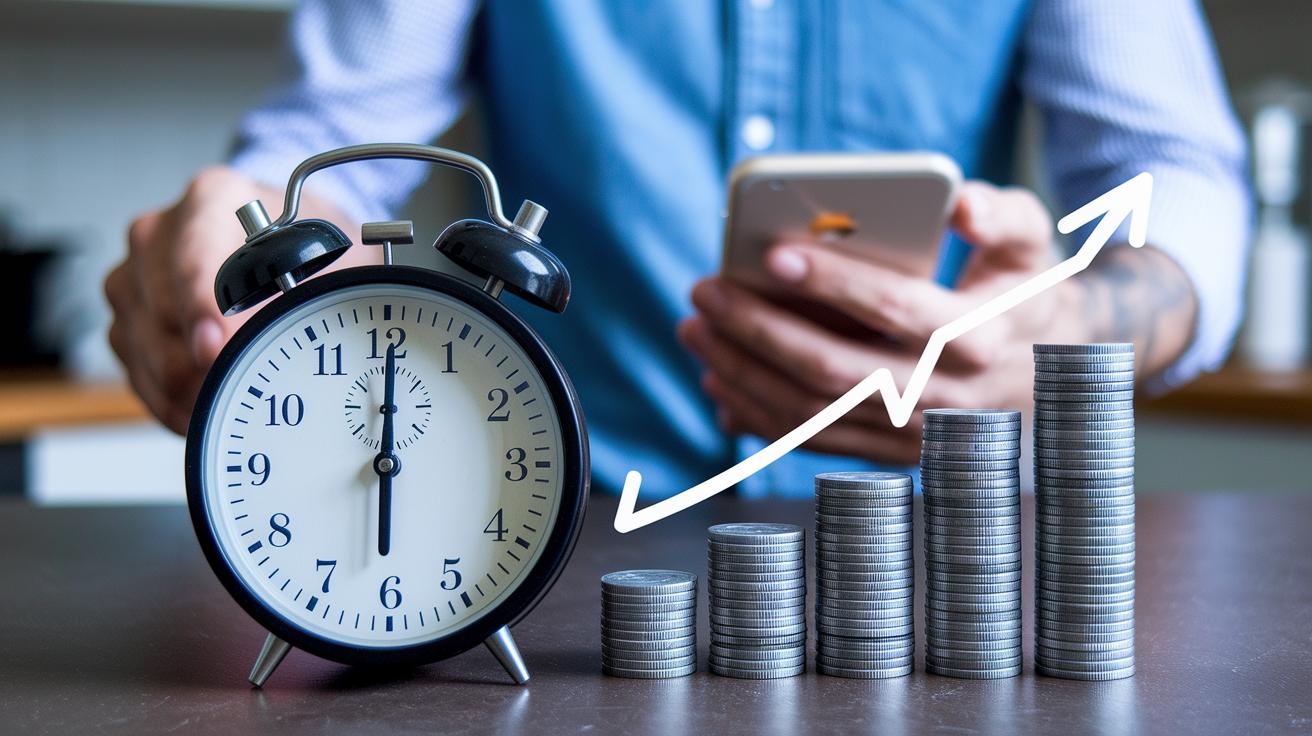
Passive investing keeps things simple. Instead of tracking every market move, you follow broad market indexes. It's a bit like setting a timer on your oven, you let your money do its work while you relax, and you save on extra fees.
This approach also spreads your money across many companies. Think of it as creating a balanced meal with different ingredients. Each part helps reduce risk if one company doesn't perform well.
By sticking with the regular rhythm of the market, you capture long-term growth without chasing every trend. In other words, you enjoy steady performance as part of a smart, easy strategy.
How to Start Passive Investing: A Beginner’s Guide
If you're just starting out with passive investing, think of it like following a simple recipe. First, pick a brokerage that offers low-cost index funds or ETFs, which let you invest without constantly buying and selling. This style of investing means you make fewer trades and let your money grow quietly over time. Many beginners enjoy this relaxed approach because it frees you from the stress of nonstop trading. It allows you to focus on growing your wealth steadily without getting bogged down by daily market ups and downs.
Let's break it down into five clear steps:
- Open a brokerage account. Look for a platform that charges low fees.
- Pick broad market index funds or ETFs. These options represent large sections of the market.
- Set up regular contributions. Think of it like a steady habit that builds over time.
- Turn on dividend reinvestment. This means your earnings automatically buy more shares, helping your investment grow.
- Plan periodic rebalancing. Use your platform’s tools to adjust your mix of investments at least once or twice a year.
By following these steps, you'll use a strategy that limits trading while taking advantage of smart automation. Some investors even use robo-advisors to automate contributions and rebalancing, keeping their portfolios aligned with their financial goals. Although passive investing takes less time to manage than more active styles, it's still a good idea to check in once in a while. Even a quick review can help you notice any big changes in your financial situation and make small tweaks along the way.
Risks and Limitations of Passive Investing Strategies

Passive investing works by mimicking a market index, so if the market falls, your portfolio falls right along with it. This means you feel every twist and turn of the market, even the downturns, which can leave you with little protection when things get rough. It’s a simple and low-cost strategy, but it comes with some risks that you should keep in mind.
When the market goes down, passive funds follow the trend without any shield. This means that if the overall market slips, your investments are likely to drop too. There's also a chance that the fund's performance may not perfectly match that of the index it tracks. Over time, even a small lag can add up and become noticeable.
Another concern is inflation. If the index doesn’t adjust for rising prices, the real value of your gains might slowly shrink as inflation eats away at your money. To help manage these risks, many investors choose to mix passive strategies with other tools. For example, they might add some selective investments aimed at fighting inflation or softening market drops. This combination can balance out the downsides while still letting you enjoy the benefits of a straightforward, cost-effective approach.
Final Words
In the action, we explored what is passive investing by breaking down its core principles and essential tools like index funds and ETFs. We compared it with active methods to show how low-cost, hands-off strategies can build a diversified portfolio. Short, actionable steps for beginners and a clear look at possible risks rounded things out. This discussion offers a practical view of a simple yet powerful investing approach. The steady rhythm of passive investing can boost confidence on your path to financial growth.
FAQ
Q: What is active investing?
A: Active investing refers to a strategy where fund managers frequently buy and sell stocks, seeking to outperform market benchmarks by making informed decisions based on research and market trends.
Q: What is passive investing in stocks and what does it mean?
A: Passive investing in stocks means holding a broad market index through funds like index funds or ETFs, aiming to mirror market returns instead of trying to beat them through frequent trades.
Q: What is the goal of passive investing and does it aim to outperform the market?
A: The goal of passive investing is to capture market returns by tracking a broad index, not to outperform it. This approach keeps costs low and relies on the market’s overall growth over time.
Q: Who manages a passive investing fund?
A: Passive investing funds are managed by investment companies that replicate market indexes, using a hands-off management style that requires little active decision-making from managers.
Q: Is passive investing lower or higher risk and what are its disadvantages?
A: Passive investing tends to carry lower costs with less frequent trading but is subject to market downturns, tracking errors, and inflation risks since it mirrors overall market performance without active adjustments.
Q: What’s the difference between active and passive investing?
A: Active investing involves frequent trading and stock picking to beat market benchmarks, while passive investing tracks entire market indexes with minimal trading, resulting in lower fees and steadier market exposure.
Q: What happens if I invest $1,000 a month for 5 years?
A: Investing $1,000 monthly for 5 years can lead to significant growth over time as regular contributions spread out risk and capture long-term market gains through compounding returns.