
Have you ever thought about how today’s bond prices might hint at what rates could do tomorrow? Right now, long-term bonds are getting pricier while short-term ones aren’t moving much. It’s like when you decide to sign up for a really long phone plan, and you end up paying a bit more for the commitment.
In this post, we take a closer look at these bond trends and explain how they might shape future interest rates. We’ll help you see how these shifts can affect the market’s overall mood, giving you a clearer picture of what to expect.
Current U.S. Treasury Yield Curve Snapshot Today
Today’s yield curve, updated on 10/03/2025, shows a mix of typical and sometimes flat segments that help us understand current borrowing costs. Shorter-term notes have lower rates, while longer-term debt offers a higher yield because investors need a little extra reward for locking up their money for a longer time.
When you look at specific notes, the 3-month and 1-year issues offer modest yields. Meanwhile, the 2-year and 5-year notes show slightly higher rates. The 10-year rate stands out as a clear marker for that extra reward, and the 30-year note usually has the highest yield among them all. In other words, borrowing money for a longer period tends to cost more, much like paying a bit extra for a longer commitment.
Daily updates like these work as a real-time tracker for debt trends. They give investors and policymakers a quick look at how the market feels and how borrowing costs shift throughout the day. This clear snapshot makes it easier to understand market sentiment and guides broader economic forecasts.
Interpreting Normal vs. Inverted Yield Curve Today

A normal yield curve slopes upward because investors want a little extra reward for putting their money into long-term bonds. In simple terms, longer-term bonds usually offer higher yields than short-term ones, much like how you might earn more if you agree to lock up your cash for a long time.
But when the yield curve inverts, the situation flips. Long-term bonds end up giving lower yields than their short-term counterparts. Imagine paying less for a bond that lasts a year than for one that lasts just a month, it might seem strange, but it hints that investors expect things to get tougher economically.
Since 1976, every time this flip has happened, the gap between 10-year and 2-year yields turning negative, a recession has followed. In fact, about two-thirds of these cases are tied to Fed rate hikes, which push up short-term rates and contribute to this unusual curve.
This pattern acts like an early warning light, telling us to be on alert for a slowdown in the economy. It’s a reminder that when the typical upward slope of the yield curve turns upside down, it’s time to keep a close eye on market trends and be ready for possible changes ahead.
Historical Yield Curve Comparisons: Today vs. Key Episodes
When we look back at important moments in the past, it gives us a clear picture of how today's yield curve measures up to previous trends. In April 2021, the curve was upward sloping, which means that long-term yields were higher and investors felt confident about future growth. In May 2007, the curve flattened, indicating that there wasn’t much extra reward for longer-term investments, hinting at a tightening economy. And back in August 2000, the curve inverted, with long-term yields dipping below short-term ones, a classic sign that warned of an upcoming recession.
| Period | Curve Shape | Recession Onset |
|---|---|---|
| April 2021 | Upward Sloping | No Recession |
| May 2007 | Flat | Economic Slowdown Observed |
| August 2000 | Inverted | Recession Followed |
Today, we measure rates with the same close care. The current data shows bits of similarity to these past episodes. Yet, as always, the shape and gap in the yield curve tell a story about market feelings and possible shifts in the economy. Looking at these historical moments gives investors useful context, and even small changes in the yield spread might hint at economic turns ahead. It’s a reminder to weigh both current trends and old patterns to plan for tomorrow’s financial landscape.
Key Drivers of Today's Yield Curve Shape
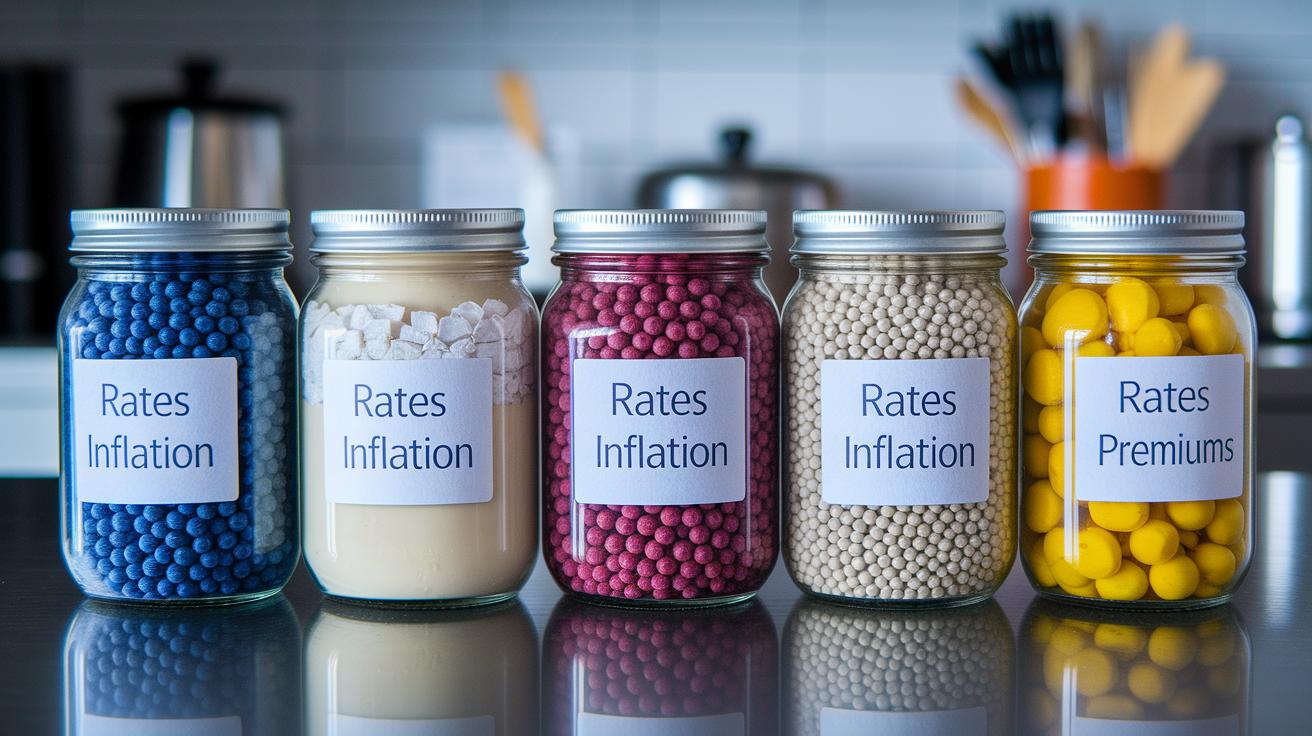
Today's yield curve is shaped by a mix of forces, much like the ingredients in your favorite recipe. Investors and market watchers keep an eye on changes in policy rates, inflation expectations, and term premiums. Think of it like comparing a quick sprint to a long, steady jog, each demands its own kind of effort and reward. Have you ever noticed how even a small change in rates can really impact your everyday expenses?
Federal Reserve Policy Impact
The Federal Reserve plays a big role in setting short-term interest rates through its policy moves. When the Fed bumps up its target rate, short-term yields tend to rise fast, kind of like paying a bit extra for express delivery. Imagine shifting gears on your bike; each little bump can change your speed and your ride's feel.
Inflation Expectations and Premium
Investors expect a little extra reward, or an inflation premium, to help guard against rising prices that could shrink future payments. It’s a bit like adding a small fee for a rainy day when your money might not go as far. In other words, you might be paying a bit more today to lock in better prices for tomorrow.
Low Term Premium Trends
Recent findings by the New York Fed show that the extra reward on 10-year bonds is lower than what many investors saw before the Great Recession. Put simply, investors aren’t asking for as much bonus for lending money over long periods as they used to. Picture a scale that once tipped heavily on one side but now looks much more balanced.
All these forces, policy changes, inflation worries, and lower long-term premiums, come together to shape the yield curve we see today. They help guide both everyday decisions and long-term strategies in the market.
Economic Forecasting: Yield Curve Today's Recession Signal
We’ve known for a long time that when the yield curve flips, it can signal a slowing economy. Today, experts mix this classic sign with new clues like real-time consumer spending trends and quick market data to get a better read on recession risks. For instance, one study found that when the gap between the 10-year and 2-year yields turned negative, models that included digital transaction details hinted at a 70% chance of an economic slowdown within the next 18 months.
Now, investors use easy-to-understand rate analytics tools to turn these yield curve shifts into clear market actions. They combine these changes with up-to-date liquidity measures, basically, how quickly assets can be changed into cash, to advise on when to adjust portfolios. One trader, for example, looked at both the yield curve and fast-moving market numbers, then rebalanced a mix of bonds and stocks at just the right moment.
Using the Yield Curve Today in Investment Strategies

Investors still lean on the yield curve to map out their bond portfolios. They check its shape to see if short-term or long-term yields are more attractive, and then adjust how long they hold their investments. For example, Treasury Accounts let you spread your investments out over as many as ten different dates. This way, you lower risk and aim for better returns. In simple terms, your yield is the difference between what you paid (after a discount) and the full amount you get back when the bond matures.
- Ladder: Spread your investments across different maturity dates to lower the risk of having to reinvest all at once and to keep a steady income flowing.
- Barbell: Invest in a mix of short-term and long-term bonds so you can enjoy quick returns and higher yields on longer-term bonds.
- Bullet: Focus on bonds that all mature at the same time, which makes it easier to manage and plan for a specific cash need.
Additionally, U.S. Treasuries have great tax perks. The money you earn from them isn’t subject to state and local taxes, and they come with a full government guarantee. Keeping an eye on the yield curve helps you spot trends in government security rates, which can be very useful. However, changes in interest rates and inflation can shift the curve and affect your returns. So, it’s smart to watch both the tax benefits and the risks when you’re building a strong, flexible investment portfolio.
Visual Tools and Platforms for Tracking Today’s Curve
Interactive tools like these are changing how we see today’s yield curve. They display live charts that update every day, showing current yields for different timeframes. Picture a screen that instantly shows you real-time debt info with a main government chart that gives a clear snapshot of the market. Plus, recession zones pop up in simple colors, so you can easily catch changes in borrowing costs and get a feel for what might come next.
What’s really cool is the customization. You can overlay historical curves on top of live ones, which lets you compare today’s rates with those from the past. Need to focus on a certain period? Just adjust the date range or filter by maturity to see what matters most to you. For example, you might first look at short-term notes and then switch to long-term bonds, all to watch the yield curve evolve over time. These features make analysis simpler and boost your confidence in understanding tomorrow’s financial landscape.
Final Words
In the action, this article walked through today’s U.S. Treasury yield curve view, breaking down normal versus inverted shapes and putting current rates into historical context. It explained key drivers like Fed policy and inflation expectations and offered ideas on using these metrics for smarter strategies. Readers get a clear glimpse of risk management and market trends. With these insights and the yield curve today guiding you, there's plenty of reason to feel confident moving forward.
FAQ
What does the yield curve represent today?
The yield curve today shows current U.S. Treasury debt rates across various maturities. It captures daily changes, providing insights into whether rates for short, medium, and long terms are normal, flat, or inverted.
What information do the 10-year and 2-year Treasury yields provide?
The 10-year and 2-year Treasury yields indicate borrowing costs over different time spans. Comparing these rates helps pinpoint the shape of the curve and can signal shifts in investor expectations about future growth.
What is happening with the yield curve right now?
The current yield curve reflects the ongoing movement in Treasury yields, displaying whether short-term rates are adjusting differently from long-term rates. This dynamic offers clues about market sentiment and economic shifts.
Are Treasury yields rising or falling?
Treasury yields fluctuate based on market conditions and recorded policy changes. Daily movements in rates provide a snapshot of shifting investor moods and expectations for economic growth and future borrowing costs.
How high will the 10-year Treasury yield go in 2025?
The future level of the 10-year Treasury yield depends on factors like economic growth, inflation pressures, and Fed policy moves. Experts use current trends to estimate potential rate changes, though forecasts can vary.
Why is the US Treasury yield curve flattening?
The US Treasury yield curve flattens when short-term yields increase more sharply than long-term yields. This shift often reflects a change in investor sentiment and adjustments in economic outlook and Fed policy expectations.