
Ever thought about trading stocks like swapping a rare card at your local fair? Secondary equity markets let you trade quickly with prices that change every time a deal is made. This means you can sell your shares right away, giving you a chance for a fast win and keeping your investments balanced. In truth, every trade here can feel like a little victory in your smart investing journey.
Understanding Secondary Equity Markets
The secondary market is where investors buy and sell things like stocks, bonds, property, and funds from each other. When you sell in this market, the money goes straight to you instead of back to the original company. It’s a bit like swapping your favorite baseball card with a friend instead of buying it new. Have you ever traded a prized card and felt that quick win?
Unlike primary markets, where companies spend years raising money by selling new shares, the secondary market lets you trade assets that already exist. This means prices are set quickly based on what buyers and sellers agree on, kind of like how the price of a rare collectible changes at a busy swap meet.
There are two main types of these markets: public and private. Public secondary markets work through your online brokerage account and welcome many investors, so trading is easy and fast. On the other hand, private secondary platforms are more exclusive, usually for accredited investors or large institutions, and they might have some rules or restrictions. Think of it as the difference between selling a limited-edition item at a special auction or trading it with a group of neighborhood collectors.
These trading channels give you the flexibility to adjust your investments as market conditions change. You can quickly sell your assets when you need cash or if the market is shifting, almost like having a safety valve during fast-paced times. In truth, this dynamic not only empowers individual investors but also helps keep the whole financial system running smoothly.
Trading Mechanisms in Secondary Equity Markets
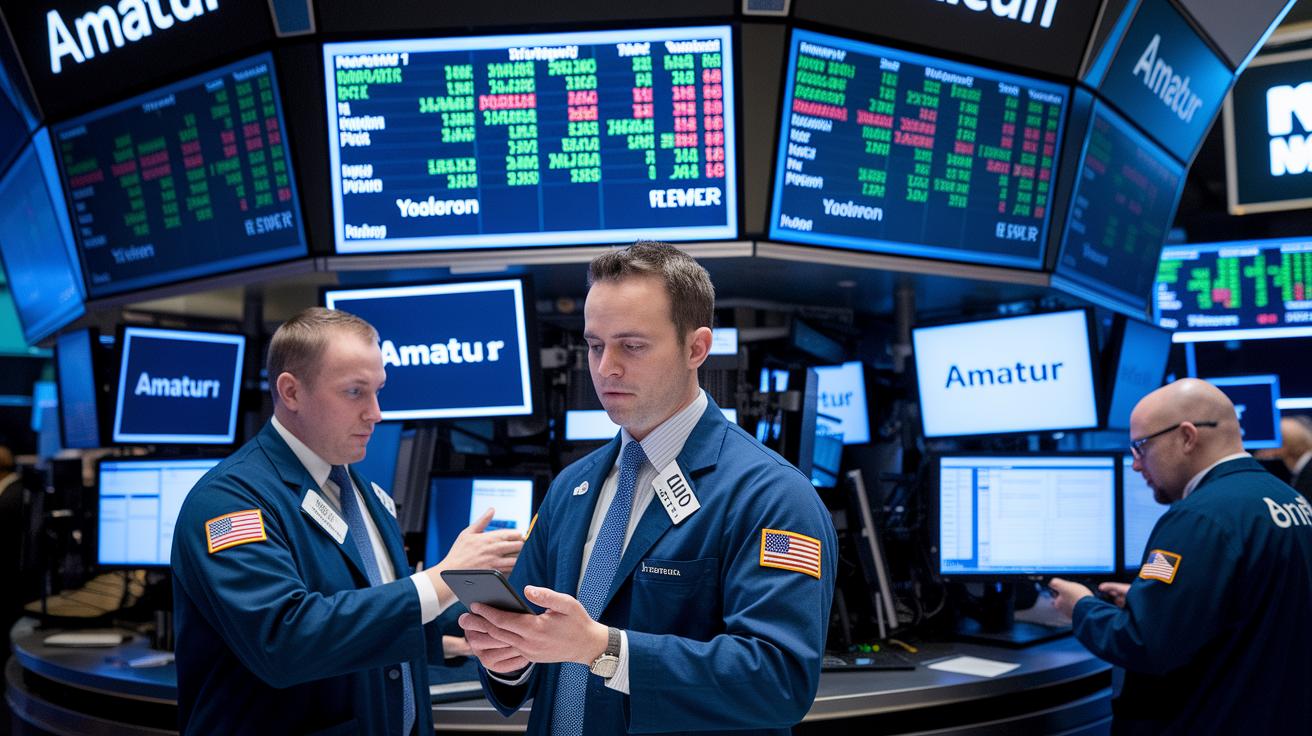
In public markets, trades happen live using exchange order books or over-the-counter setups. Market makers match buyers with sellers, keeping quotes steady, and making trading move along nicely. It's like a bustling market where every counter connects people quickly, doesn't that bring a lively vibe to the trading floor?
Brokers come into play when big shareholders need to make block trades. They handle these large deals carefully so that selling many shares at once doesn't shake up the market. For example, when a major shareholder wants to sell a lot of shares, the broker organizes the deal to prevent sudden price jumps.
Trades here usually settle on a T+2 cycle, meaning the money and stocks really swap hands two business days after a trade is made. Clearing systems check every detail to ensure everyone gets what they're due. Think of it as a final safety check that cuts down on risks.
Trading isn't just about buying and selling. It also covers strategies like short selling, where investors sell borrowed shares hoping that a price drop will let them profit. This mix of methods helps the market discover true prices and keeps everything running smoothly.
Secondary Equity Markets Spark Positive Trading Insights
Investors from all walks of life participate in secondary equity markets. When you trade public secondary shares through online brokerage accounts, it’s as simple as browsing your favorite online shop. These shares are available for both everyday investors and big institutions, almost like checking out a busy market stall where prices change in real time.
On the flip side, private transactions happen on platforms such as EquityZen. These spaces are tailored for accredited or institutional investors and come with clear rules, like letting certain investors get first dibs, having board approvals, and sometimes even locking up shares temporarily.
These digital platforms create a secure setting for big players to trade large blocks quietly. Alternative Trading Systems (ATS) and dark pools act like private rooms where big deals are made away from prying eyes. This approach gives high-net-worth individuals more freedom to negotiate terms in privacy.
- Public online brokerage accounts offer swift market access.
- Private platforms create a safe, rule-led environment for exclusive trades.
- ATS and dark pools are helpful for managing large deals with unique requirements.
Think of it as choosing between a friendly local farmers’ market and an exclusive private auction. Both have their own benefits, each serving different investor needs while keeping the secondary equity market active and full of liquidity.
Benefits and Risks in Secondary Equity Markets
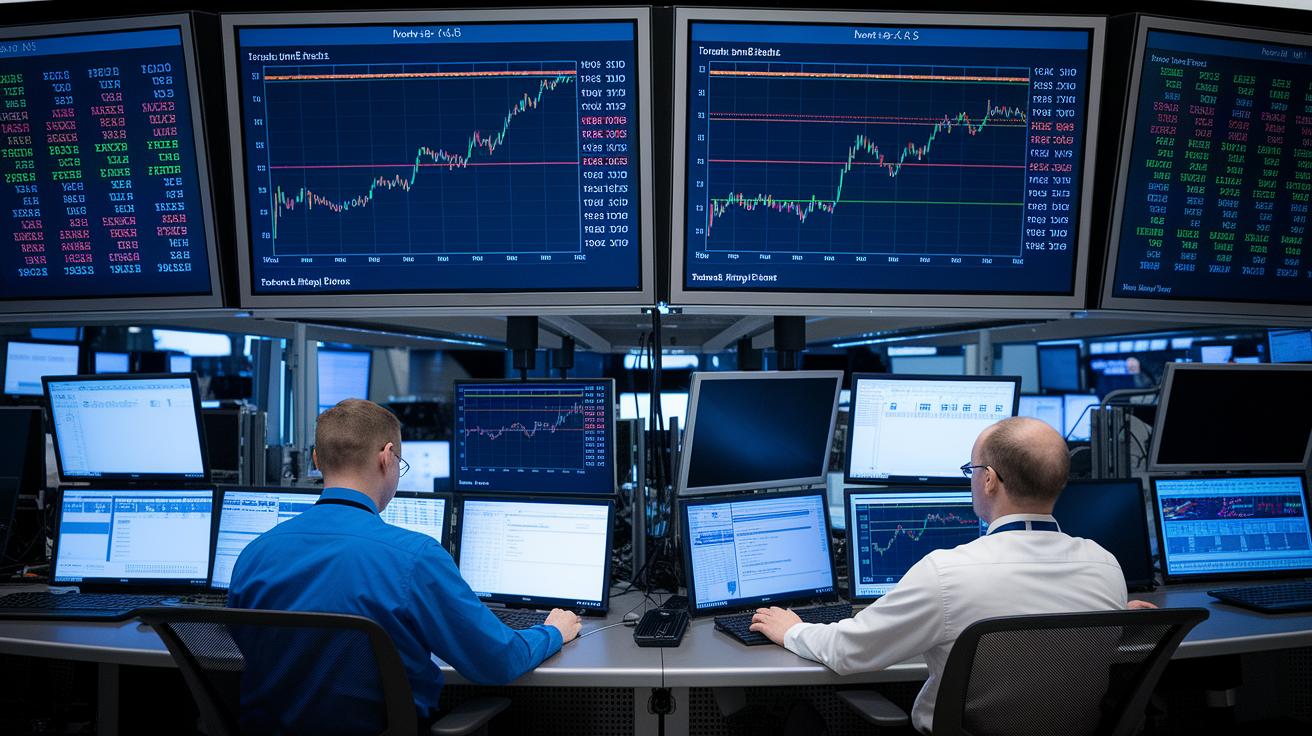
Secondary equity markets let investors quickly turn their investments into cash. It’s like having a ready market for your favorite collectibles, always there when you need to adjust your portfolio or free up funds. With many buyers and sellers, trading helps set prices that match current market activity and can even boost stock values for companies.
But there are some risks too. For instance, when big insiders do block trades, it can suddenly push prices down or up. Large shareholders selling all at once can cause unexpected price swings. And if a trade falls through, both parties might face delays or even losses.
Sometimes, private secondary markets aren’t very transparent, so investors need to do extra homework and put safeguards in place. To help manage these risks, many use tactics like these:
| Practice | Description |
|---|---|
| Staggered Sell Orders | Selling in smaller parts to avoid sudden price pressure. |
| Market Makers | Working with experts who balance buyer and seller orders. |
| Compliance Checks | Strict reviews that help boost investor trust. |
Imagine planning a sale where each step is managed with care, just like a well-rehearsed routine. Balancing easy access to cash with smart risk management keeps secondary equity markets both exciting and reliable for everyday investors.
Regulatory Framework in Secondary Equity Markets
In the US, rules around secondary equity trading are designed to keep things fair and manage risk. Key laws like the Securities Exchange Act along with SEC rules set the pace for how trades happen and are watched closely. Even insider transactions involving company leaders or large shareholders must follow strict reporting guidelines found in Section 16 and Rule 144. This keeps trading clear and honest.
Many alternative trading platforms operate under Regulation ATS. This rule helps create a trusting space for investors using platforms outside of traditional exchanges. Private secondary platforms stick to exemption-based resale rules and impose transfer limits to protect everyone. Simply put, these regulations offer clear directions on when and how shares can be traded.
Recently, updates in October 2024 and March 2025 tightened things up even more with better surveillance and stricter data reporting rules. They also increased the oversight of dark pool activities, ensuring that the market remains open and safe even when it gets busy. All these measures work together to maintain market integrity and build trust among investors.
Technological Innovations in Secondary Equity Markets
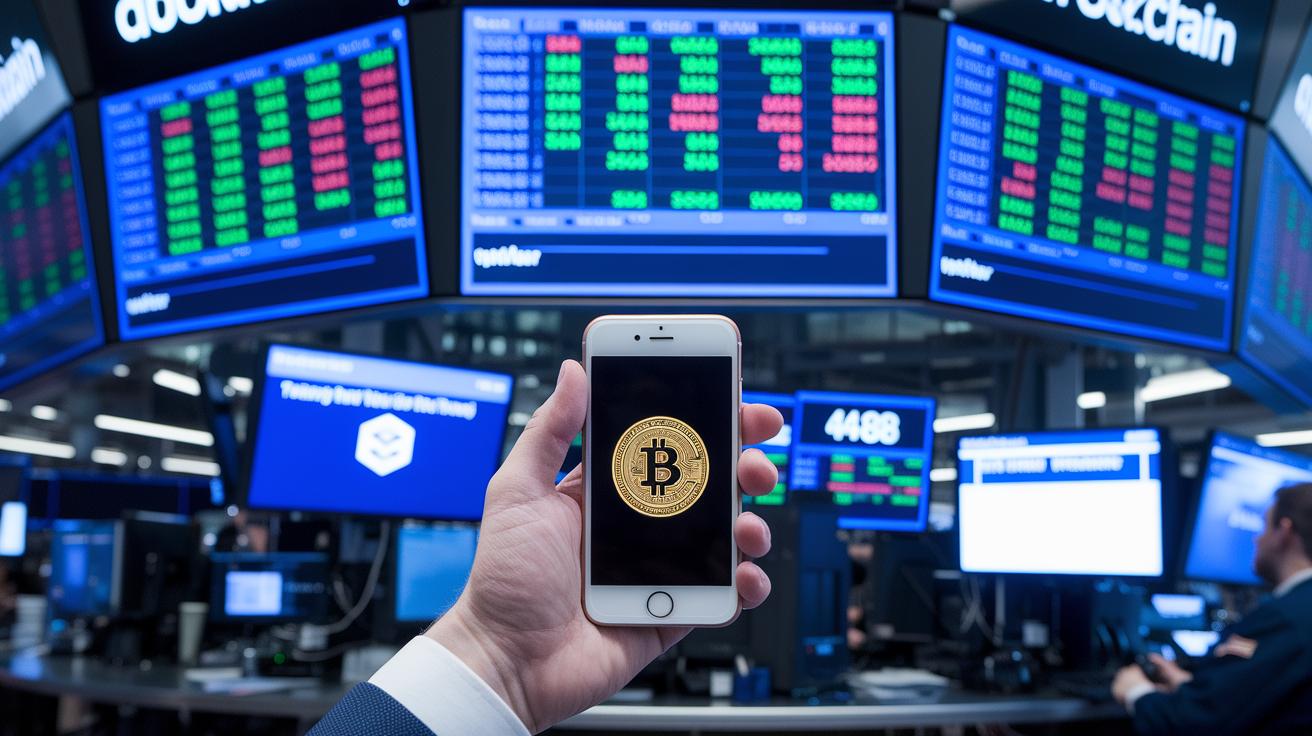
Some companies are testing blockchain settlement networks to cut risks between trading partners and make deals settle faster. The digital shake-up in trading has changed how assets are swapped, making the whole process feel more modern and accessible. New tools like algorithmic matching and AI-driven analytics help find fair prices quickly and add extra layers of detail to each trade. Even more, electronic trading platforms now let you buy and sell small parts of shares just as easily as big blocks, which opens up the market for lots more people.
These tech improvements are changing how post-listing share sales happen by lowering costs and speeding up trade execution. Smart AI tools crunch tons of market data to match buyers with sellers almost instantly, pretty neat, right? This digital shift not only makes trading simpler but also builds a safer and more efficient market. With smart order routing guiding trades along the fastest, most reliable paths, settlements happen rapidly. By embracing these emerging technologies, both public and private markets are transforming, giving investors more confidence and a smoother trading experience.
Future Outlook for Secondary Equity Markets
Looking ahead, recent trends from October 2024 and March 2025 show a promising upswing in private-market secondary volumes. More institutions are stepping in and setting aside funds for these opportunities, while new cross-border trading platforms are helping connect global markets in a simpler way.
Moving forward, efforts to align rules across different countries are gaining momentum. This change means that investors might soon find it easier to trade shares beyond their home markets, with fewer hurdles in between. Really, it’s like imagining a world where shifting your investments feels nearly effortless.
We can also expect exciting new developments like tokenized shares, which turn traditional paperwork into secure digital tokens. In addition, more flexible liquidity options are on the horizon, letting investors quickly adjust to market changes. All these shifts hint at a future where technology and coordinated rules come together to create a more accessible and connected secondary equity market.
Final Words
In the action, the article broke down how secondary equity markets let investors trade established assets with a focus on liquidity, clear pricing, and risk control. It covered trade methods from OTC networks to tech tools that speed transactions and build transparency.
We also explored the roles of different market participants, regulatory safeguards, and fresh technology trends shaping secure and efficient trading. It’s refreshing to see how these insights empower investors to remain alert, manage risks, and embrace the bright promise of secondary equity markets.
FAQ
What is a secondary equity market?
A secondary equity market is where existing stocks and bonds trade among investors. This market supports liquidity and helps determine share prices without involving the original issuer.
What are examples of secondary equity markets?
Examples include well-known public exchanges like the NYSE and NASDAQ, over-the-counter venues, and alternative trading systems that let investors buy and sell existing shares.
How does a secondary market differ from a primary market?
A secondary market differs from a primary market by focusing on trading existing shares. In a primary market, companies issue new stocks to raise money directly from investors.
What are the types of secondary markets?
The types include public secondary markets, where stocks trade on exchanges, and private secondary markets, where transactions occur on specialized platforms for eligible investors.
Where can I find secondary equity markets PDF resources?
You can find PDF resources through research institutions and financial websites, which provide clear overviews and market analysis on secondary equity trading.