
Ever wonder if past trends can help spot future risks? We look at old numbers to catch small shifts before they grow into real problems. It’s like solving a mystery, piece by piece, you see the clues that build a clear picture of potential hazards.
By studying how things changed before, companies can get ready and protect themselves. In this chat, you'll learn simple ways to use trend analysis to notice unusual changes and keep your risk plans on track.
Applying Trend Analysis for Risk Management
Trend analysis is like taking a long, careful look at past data to catch early warning signs. It helps risk managers understand what a normal day looks like and spot unusual shifts before they turn into big problems. By looking at historical data, raw numbers transform into clear insights that can signal potential risks down the road.
Using trend analysis lets you uncover hidden patterns and spot anomalies. By comparing old and new data, organizations can get a solid sense of how likely and severe risks might be. This clear picture is essential for building strategies that make a company stronger and more resilient in tough times.
- Start by collecting and cleaning up past data.
- Look for repeating patterns and surprises.
- Evaluate how likely risks are and how they might impact.
- Forecast where trends could divert.
- Put in place controls to manage those risks.
Following these steps creates a cycle of continuous improvement. Each step helps with the next, forming a loop where data collected leads to smart insights that guide risk strategies. As companies update their data and refine their methods, they build a solid framework that adapts to changing market needs, consumer behaviors, and new tech. This approach doesn’t just focus on problems of today, it builds the strength to handle unexpected challenges down the line.
Trend Analysis Techniques for Risk Assessment

Picking the right trend analysis method is key when trying to figure out risks. We take past numbers and turn them into hints that help us see possible issues ahead. Different methods shine light on different kinds of risk. For example, time series analysis looks at numbers taken at regular intervals to reveal steady, long-term patterns, while statistical trend evaluation gives you a clear measure of how bumpy the ride might be. Simple moving averages smooth out the small ups and downs so you can notice the bigger shifts. Regression analysis draws trend lines on your data to show how things might connect, and ARIMA models build on past behavior to offer a peek into the future. Also, machine learning tools like classification trees are great at spotting tricky anomalies that regular methods might miss. And then there’s qualitative risk analysis, which mixes in expert judgment to catch new risks that numbers alone might not show.
Many companies rely on these techniques as a solid backbone for managing risks. Using both number crunching and expert insights together creates a complete picture, one that can adjust to changes and surprises.
| Technique | Description | Use Case |
|---|---|---|
| Moving Average | Smoothed mean over periods | Spot gradual shifts |
| Regression Analysis | Trend line fitting | Measure correlation |
| ARIMA | Auto-regressive integrated model | Forecast time series |
| Machine Learning | Pattern classification | Identify complex anomalies |
Mixing these methods gives you a strong framework for risk evaluation. It helps you make decisions that are both flexible and well-informed.
Predictive Modeling and Analytics in Trend-Based Risk Forecasting
Today’s way of predicting market risks is getting a bold upgrade. Rather than sticking with old-school statistical models, experts now lean on smart systems powered by AI, machine learning, and clever algorithms. These modern methods take in loads of data from everywhere, giving us a clearer, more detailed look at what could go wrong or right. Imagine trading yesterday’s simple moving averages for an AI that learns from millions of data points to spot shifts in the market.
Now, when you run scenario analysis, you’re really playing out different economic situations, like a change in GDP growth or a twist in inflation, to see how they might affect results. Then there’s stress testing, which pushes models to the limits under extreme conditions so you can spot weak spots that basic models might miss. And with real-time dashboards lighting up with fresh trend updates, risk managers get an instant snapshot of the market, helping them act fast when things change.
Cloud-based platforms tie it all together by handling big data and mixing different data sources seamlessly. When setting up predictive analytics, consider both the massive data flow and the unique risks in your environment. Choosing the right tool that cuts through the complexity and gives clear, practical insights is key to making smart, forward-thinking decisions in today’s fast-paced market.
Integrating Trend Analysis into Risk Management Frameworks
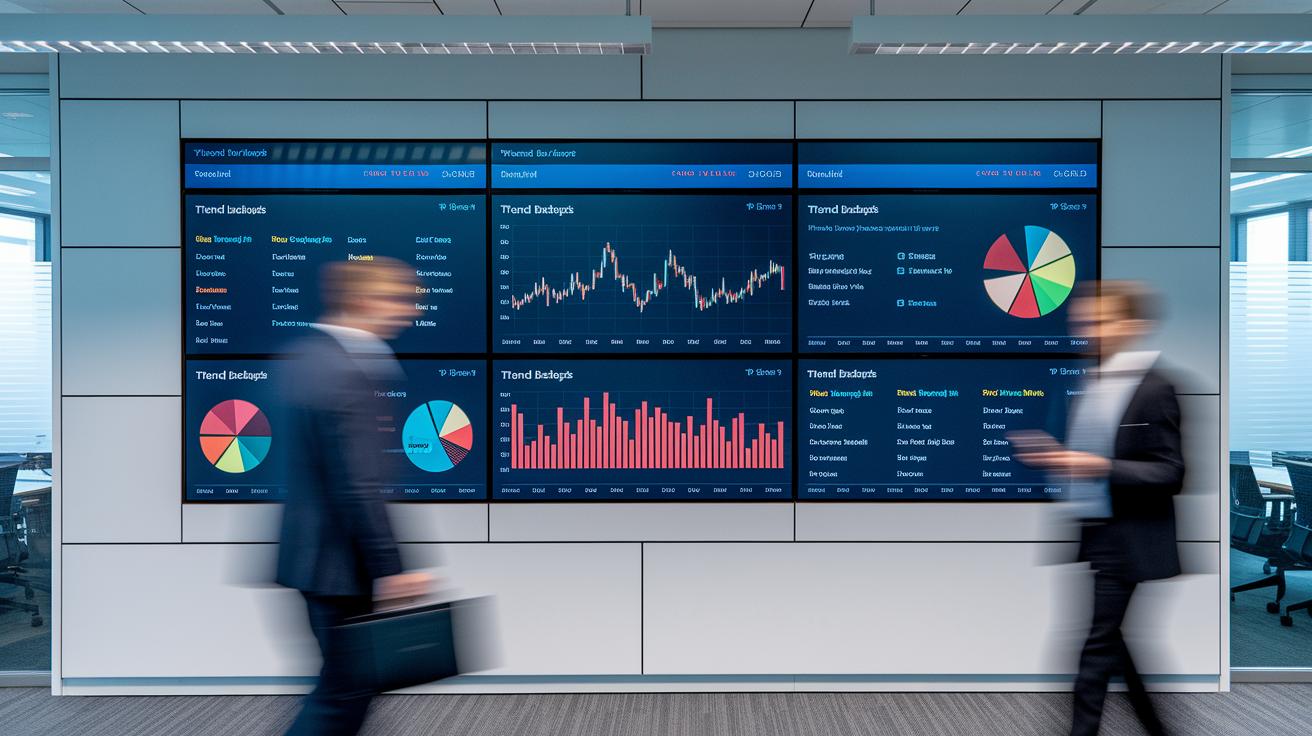
Integrating trend analysis into your risk management strategy is like adding a secret ingredient to your daily operations. It weaves key data insights right into the heart of your work, keeping your business goals in step with what’s really happening. When you link these trend details, say, a rise in issues, to important risk measures, you get a clear view of where your focus is needed. Imagine noticing a pattern of more frequent incidents; a quick look at the numbers might prompt an immediate response. This kind of monitoring helps build a smart, data-powered culture around managing risks.
Here are some simple steps to tie trend data to your everyday goals:
| Step | Action |
|---|---|
| 1 | Gather trend results and match them with your set risk indicators. |
| 2 | Hold regular sessions to compare current trends with past patterns. |
| 3 | Adjust your risk controls quickly when you spot unexpected changes. |
| 4 | Create dashboards that offer real-time visuals for your leaders. |
| 5 | Use decision support systems with alerts to help you react fast to issues. |
Regular reviews of these trends act like checkpoints, ensuring your risk management stays on target. Dashboards offer a clear, shared view of how risk factors change, so teams can tweak policies in real time. By weaving trend analysis into your overall planning, you set up a proactive way to catch early signs of trouble and act on them. This organized approach turns everyday data into a smart tool that keeps your strategy aligned and controls flexible.
Data Quality, Taxonomy, and Time Frames in Trend Analysis
Good quality data starts with metadata. Think of metadata as a simple note explaining where each piece of data comes from and what it means, whether it's a sale, a sensor reading, or something else. For instance, in a system tracking operational hiccups, metadata might include the time, place, and details of each incident. This extra context turns plain numbers into actionable insights.
A solid taxonomy is also key. Basically, it's about grouping similar data together, like sorting apples with apples, to help reveal clear patterns. This organized approach makes it easier to spot seasonal peaks, recurring behaviors, or trends tied to specific sectors.
And then there’s the timing. When you gather data at regular intervals, be it daily, weekly, or monthly, those consistent snapshots help you notice small shifts and emerging risk factors. Plus, visualization tools can turn these trends into clear charts, offering an instant look at how things are evolving over time. By combining metadata, smart grouping, and regular time frames, you create a reliable blueprint for spotting trends and making informed decisions.
Case Studies: Trend Analysis in Risk Mitigation
Case studies show real proof of how following data trends can help companies stop risks before they get out of hand. They give us a look into different industries using everyday numbers to plan ahead smartly.
Aviation Safety Management Example
In aviation, teams collect loads of incident reports and keep track of even tiny issues. They look for little changes in the routine data, quickly spotting patterns that might hint at problems. For example, if there’s a sudden rise in minor glitches, it often leads to a closer look and faster safety fixes. This hands-on approach helps them catch worries early and builds trust in their overall safety plan.
Financial Services Risk Example
In finance, watching market movements is a must. Firms review trends in deposits and credits to imagine different risk scenarios that could change their policies. They run these “what if” tests to adjust their strategies when the market gets shaky. One firm even uses these insights to tweak its credit rules during market shifts, which helps lower unexpected financial shocks. If you’re curious about taking a closer look at emerging markets, there’s a lot more to consider.
Manufacturing Quality Control
In manufacturing, checking defect rates over time is a key tool. Data from quality checks feeds into models that spot recurring issues. When these trends start showing more defects, teams step in with specific actions , like tightening quality routines or upgrading equipment , to cut losses and keep products consistent.
Final Words
In the action, trend analysis was explored as a practical tool for spotting risks and making smart choices. We broke down key steps like collecting data, identifying patterns, and using forecasting methods to filter emerging risks.
These insights tied into predictive modeling and secure frameworks, showing how trend analysis guides risk controls and continuous improvements. For anyone wondering how to use trend analysis for risk management, these strategies offer both a roadmap and a reason to feel optimistic about the future.
FAQ
How to use trend analysis for risk management example
The trend analysis for risk management example uses historical data to spot patterns and predict potential risks, guiding you in setting up mitigation strategies before issues occur.
How to present trend analysis
The trend analysis is presented using clear charts and dashboards that highlight key data patterns and risk indicators, making complex trends easy to understand.
How to find trend analysis
The process to find trend analysis involves gathering historical data, cleaning it, and then examining the data to uncover visible patterns that signal emerging risks.
What is expenses trend analysis
The expenses trend analysis focuses on reviewing spending patterns over time to identify unusual cost changes, helping you adjust budgets and manage financial risks more efficiently.
How to perform statistical trend analysis
The statistical trend analysis uses methods like moving averages and regression to measure data changes over time, quantify trends, and forecast future shifts in risk profiles.
How to create a trend analysis report
The trend analysis report consolidates key findings into a concise document with charts and summaries that explain observed patterns and offer insights for risk management.
What does a trend analysis company do
A trend analysis company uses specialized tools and expertise to analyze historical data, identify emerging risks, and provide actionable recommendations for improved risk management.
What is a trend study
The trend study examines data over a set time interval to reveal consistent patterns or anomalies, aiding in the early detection of risks and guiding proactive management efforts.
What is trend analysis in risk management
The trend analysis in risk management involves using past data to identify patterns that may signal future risks, allowing you to prepare and implement proactive risk controls.
How do you perform a trend analysis
The process to perform a trend analysis includes collecting and cleaning data, identifying patterns, evaluating risks, forecasting potential changes, and then applying controls to mitigate those risks.
What are the 6 steps in trend analysis
The six steps in trend analysis include collecting data, cleaning data, identifying patterns, evaluating risk likelihood and impact, forecasting trend deviations, and implementing mitigation controls.
What are the 5 P’s of risk management
The five P’s of risk management cover core areas like people, processes, products, projects, and policies, helping you assess and address risks from multiple critical angles.