
Ever notice how some brands take off while others just fade away? In 2025, fast-growing brands are grabbing our attention by using smart technology and riding the wave of low interest rates. Think of AI as a friendly helper that makes your shopping feel personal, almost like the store was made just for you.
These days, investors are turning to companies that care about health, green practices, and doing things the right way. In this article, we break down the market moves behind these trends and share tips on how to spot opportunities in a world that’s changing fast.
Key Investing Insights for Fast-Growing Consumer Brands
2025 is buzzing with change for consumer brands. The economy is on the upswing and technology is moving at a breakneck pace. Investors are noticing that AI, which now offers ultra-personalized experiences, think of it as a custom diet plan made just for you, is changing the way brands connect with customers. At the same time, lower interest rates are boosting consumer confidence by easing financial pressures and opening the door for bold growth plans that spark major investments.
Venture capital is teaming up with media-for-equity partnerships to create fresh, innovative ways to fund companies. This new mix is especially appealing to those looking to invest in brands with strong basics, like health, green practices, and fair consumer values.
- Changing economic times are easing old money hurdles.
- Advancements in AI let brands offer very personal experiences.
- Low interest rates give investors more wiggle room.
- Media-for-equity deals are pushing sustainable brand growth.
- Investors are zeroing in on brands that care about health, the environment, and ethical practices.
These trends are more than just buzz, they point to clear, practical chances for investors. By keeping an eye on these factors, you can catch market shifts early and make smart moves. Imagine a brand that tweaks its products almost as quickly as customer tastes change. That kind of agility might be the secret to outpacing the competition in a fast-moving market.
In truth, these points work like a roadmap for assessing investment opportunities in the consumer brand world. They help ensure that every decision considers both today's market vibes and tomorrow's potential.
Market Trend Forecasting for Trending Consumer Goods Trajectories

Forecasts that hit the mark act just like a trusty compass, guiding us through market ups and downs. They clear up confusion so we can spot both promising opportunities and hidden risks. With real-time data and smart tools that show us changes almost instantly, it's easier than ever to see where consumer favorites are headed. Imagine having a sneak peek into future buying trends while they unfold.
Let's break down three standout areas that seem ready for big growth:
- Health and sustainability: More people are leaning toward products that boost their well-being and take care of our planet. Think of this as a bright signal for brands that use natural ingredients and follow eco-friendly practices.
- Ethical consumerism: There's an increasing call for fair trade and responsible sourcing. This means brands are changing how they make products to keep up with the clear demand for honesty and fairness.
- AI-powered products: New advances in AI let companies offer personalized features like never before. Tools for market analysis now capture even the little shifts in what consumers like, helping brands fine-tune their offerings just like a custom-tailored suit.
Today, real-time research is slowly taking over from old-fashioned surveys. This fresh, ongoing flow of data gives both brands and investors a real sense of what customers are feeling and needing right now, helping everyone make smarter choices in a busy market.
Growth Metrics Examination in Fast-Growing Consumer Brands
Fast-growing consumer brands lean on clear, simple performance measures to track their market progress. They use real data to fine-tune products, adjust pricing, and improve how they get items to customers. Investors look at key numbers to decide if a brand is ready to expand or if it should tighten things up. Metrics like revenue growth and customer acquisition cost give a real picture of how healthy a brand is and how much the market likes it.
| Metric | Definition | Interpretation |
|---|---|---|
| Revenue Growth Rate | The rise in sales revenue over time | Shows the demand and overall strength in the market |
| Gross Margin Expansion | The gap between total revenue and the cost to make products | Reflects how well the brand manages costs and earns profits |
| Customer Acquisition Cost | The expense of winning a new customer | Gives insight into how effective and scalable the marketing is |
| Price-to-Book Ratio | A measure comparing market value to book value | Helps understand asset value against its performance |
When a company shows steady revenue growth and better margins while keeping the cost to bring in customers in check, it hints at smart management and a solid market plan. Keeping an eye on these figures gives investors confidence that every decision is backed by clear, honest data. It’s like checking the heartbeat of the business to make sure it’s strong and steady.
Competitive Landscape Review of Disruptive Consumer Brands
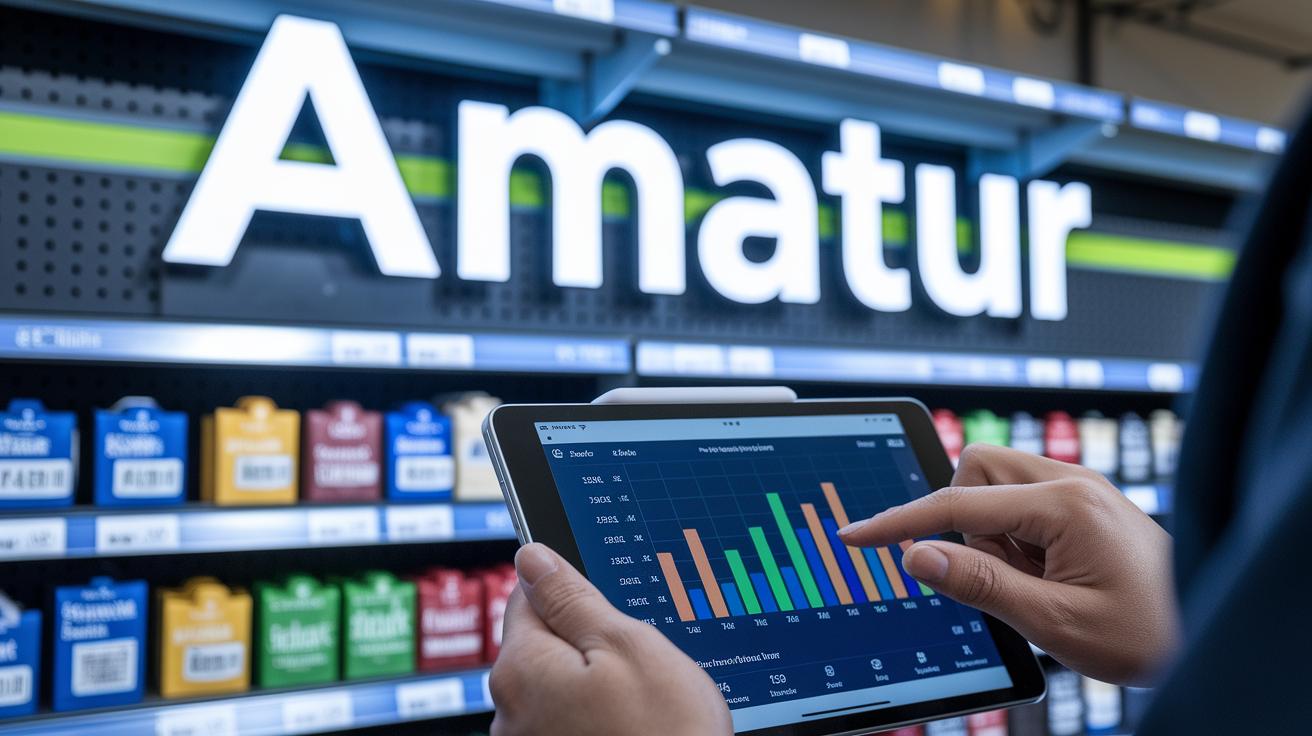
The market for consumer packaged goods is packed with choices. Big, established brands now have to share the stage with quick, new players who are always ready to change things up. Even the familiar names need to switch gears, while newcomers are using real-time data to make fast decisions.
Disruption Trigger Factors
New technology and fresh media partnerships are really stirring the pot. New brands lean on digital tools and instant customer feedback to adjust what they offer almost overnight. Imagine a small startup that tweaks its product line in just a few hours because it caught a shift in consumer taste, it's like watching a race unfold right before your eyes.
Competitive Advantage Analysis
Being good with data is a game-changer. Smart brands use what they learn from customers to design products, set prices, and truly connect with buyers. They mix cool digital experiences with solid loyalty programs to create a strong, almost unbreakable market presence.
For investors, these trends are a beacon of promise. A brand that can quickly pivot with real-time insights and digital innovations is often set for steady growth. Keep an eye on these changes, and you might just spot some exciting opportunities as agile disruptors continue to redefine what consumers expect.
Investment Risk Management for High-Growth Consumer Brands
When you invest in consumer brands, it’s important to keep a clear head about the risks you might face. There are three big areas to keep an eye on.
First up is Market Risk. This is all about changes in the big economy. For example, when interest rates drop, it can ease some financial pressure, but it might also stir up some uncertainty as consumer confidence shifts.
Next, we have Execution Risk. Fast-paced innovation can be thrilling, but it sometimes leads to bumps like supply-chain snags or delays in winning over customers. These issues can affect a brand’s performance when the market is moving quickly.
Finally, there’s Regulatory Risk. Government policies can change on a dime, sometimes forcing brands to adjust their plans unexpectedly. It pays to watch these changes closely.
A smart risk-management plan means keeping tabs on everything. You’ll want to review your strategy regularly and stay flexible so you can adjust as needed. By using a steady risk assessment process, you can check market trends, see if a brand is keeping up with its plans, and stay on top of policy shifts. This way, you’re ready to make quick decisions that balance growth with the risks.
Regular check-ins and insights based on data help you manage these risks step by step. It’s like tuning a guitar – a little adjustment here and there keeps the whole strategy sounding just right.
Innovation Spotlight in Trending Consumer Brand Success

AI-Driven Personalization
Brands are now mixing careful data study with everyday customer experiences to make smarter tweaks to their products. One lifestyle brand recently set up an AI system that could change product features on the fly based on tiny clues in customer behavior. For example, a cosmetics label saw a 22% increase in repeat purchases just by adjusting product textures to match each person’s skincare routine. Imagine your favorite beauty brand offering a serum that fine-tunes its formula to your skin’s unique needs because it picked up on your past choices. This kind of genuine personalization builds stronger loyalty and turns everyday feedback into better, more tailored products.
Media-For-Equity Scaling
Some brands are now trading a bit of their equity for marketing space instead of spending cash. A startup sportswear label, for instance, exchanged a small stake for targeted social media ads, which boosted online searches for the brand by 17% and led to clear sales growth. Think of it as swapping a slice of future success for a current advertising spotlight, sparking immediate traction. These creative deals not only gather real-time insights about the audience but also help sharpen product strategy and speed up revenue growth.
High-Growth Portfolio Strategy for Emerging Consumer Brands
When you plan a smart portfolio, it starts with picking the right mix of assets. This mix often uses media funding and venture deals to fuel growth. Mixing investments in areas like health, green energy, and ethical shopping helps reduce risk and can lead to steady returns. More investors now use real-time data tools to shift funds as the market changes. This approach lets you grab new opportunities while staying flexible.
- Sector rotation
- Emerging digital platforms
- Media equity investments
- Real-time analytics monitoring
- Sustainability initiatives
A good investor checklist means you often check that your asset mix still matches market trends and your goals. When you rebalance your portfolio, use the latest data to spot early signs that a sector might be shifting, like growing demand for eco-friendly products. It helps to review your holdings regularly, look at how they perform, and keep an eye on venture capital trends. By allowing each part of your mix to adjust with market signals, you stay ready for new opportunities in the fast-growing world of consumer brands.
Final Words
In the action, we explored key market drivers shaping fast-growing consumer brands. We broke down macro trends, growth metrics, competitive tactics, risk management, and innovation strategies. We highlighted how dynamic data and smart diversification tactics help craft a robust portfolio. These insights equip investors with clear action steps to tackle market shifts and seize emerging opportunities. Let these investing insights on trending fast-growing consumer brands fuel your smart moves and boost your confidence in today’s exciting financial scene.
FAQ
What are the latest trends in consumer behavior for 2025?
The latest trends in consumer behavior for 2025 include a greater focus on health, sustainable choices, and personalized experiences driven by technology. Consumers now look for brands that align with clear values and strong digital presence.
What is the fastest growing consumer market?
The fastest growing consumer market focuses on sectors where digital tools create deep personalization and sustainable product offerings. This growth is reinforced by easing interest rates and renewed consumer confidence in emerging brands.
What is the fastest growing brand in 2025?
The fastest growing brand in 2025 is one that uses advanced technology and strong ethical practices to meet market demands. Its rise is driven by smart data insights and a quick response to shifting consumer needs.
What is the most significant trend affecting the consumer goods industry at the moment?
The most significant trend in the consumer goods industry today is the shift toward data-driven decision-making. Brands that rely on real-time insights can quickly adjust to changing consumer habits and market conditions.
How do insights from McKinsey and Bain influence consumer trend forecasts?
Insights from McKinsey and Bain shape consumer trend forecasts by pinpointing key shifts in behavior and growth sectors. Their research helps investors spot emerging opportunities in areas like sustainability and technology innovation.