
Have you ever wondered how the new EU tariff rules might boost market confidence? Recent updates are clearing up old mix-ups about trade costs and guidelines. Now, companies have a clearer idea of what to expect when shipping products overseas. It’s a bit like getting a simple map when things used to feel foggy. In this article, I’ll break down the major changes and explain how these updates help with planning costs and staying on top of rules. Stick with me to find out how these clearer guidelines can pave the way for smarter trade decisions.
EU Tariff News: Key Updates and Timeline
Recently, the way the EU handles tariffs on goods has changed. Authorities are taking a hands-on approach to manage the shifting market and trade rules. They want to make it easier for businesses to understand the new costs and compliance needs.
In short, over the past few months, regulators have made key changes that now set out clear rules for international trade. Businesses can now see a clearer picture of how duties work and what expenses to expect.
Let’s walk through the timeline of these important changes. On July 30, 2025, an executive order was signed to drop the de minimis exemption for non-postal shipments. This change kicked in on August 29, 2025. Next, on September 5, 2025, another executive order was signed, introducing three main actions that offer selected exemptions for eligible countries. Finally, an update from September 29, 2025, at 11:30 PM ET detailed tariff changes on a product-by-product basis across the globe. Carriers can now tweak their tariff assessments each month, and note that the postal exception is being re-examined to ensure duties are collected correctly.
| Date | Policy Action | Effective Date |
|---|---|---|
| July 30, 2025 | Executive Order suspending de minimis exemption | Signed |
| August 29, 2025 | De minimis suspension for non-postal shipments | Effective |
| September 5, 2025 | Reciprocal tariffs Executive Order (three main actions) | Signed |
| September 29, 2025 (11:30 PM ET) | Update on worldwide, product-specific tariffs | Published |
EU Tariff News: Targeted Reductions on Key Product Categories
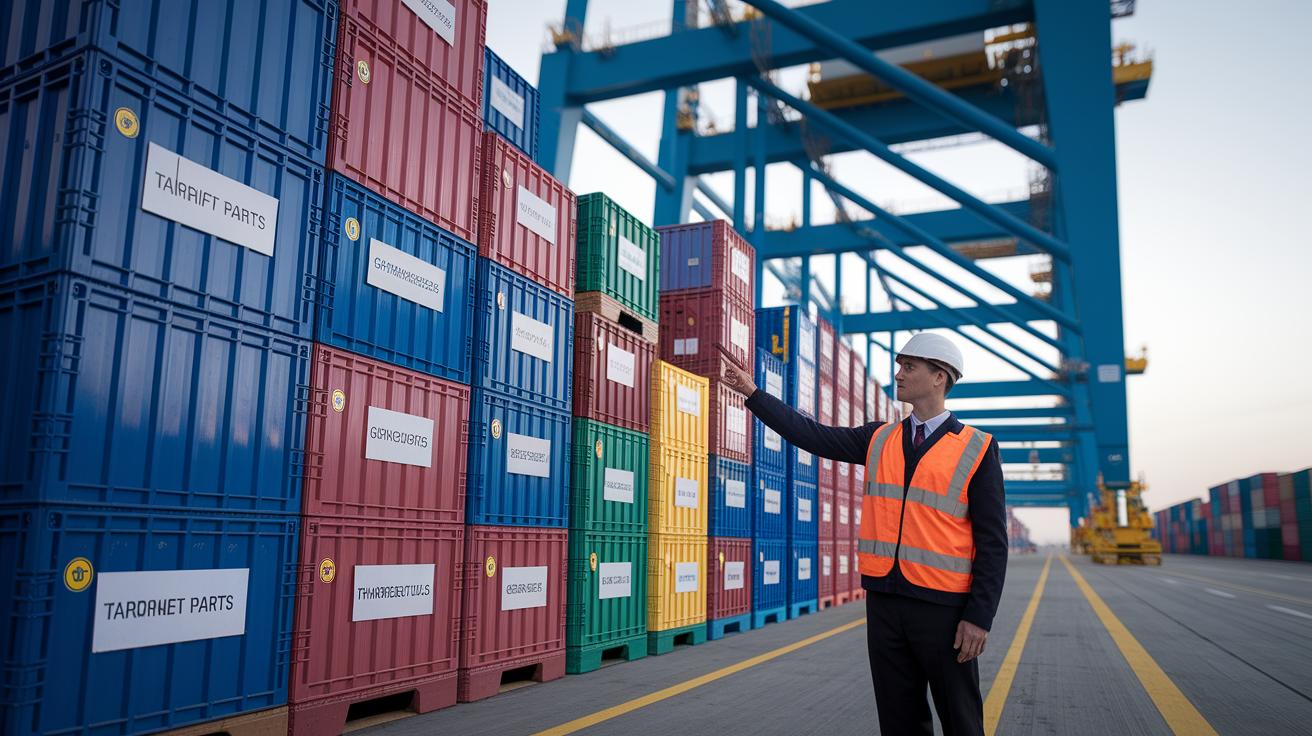
The U.S. trade rules now give some relief on selected EU goods. This change helps ease supply-chain issues and keeps the market stable. The plan cuts tariffs and offers exemptions to help lower rising costs and make trade smoother.
Take a look at some of the key items that will benefit:
- Aircraft and parts – Think of it like making sure every flight has the best, most reliable parts.
- Generic pharmaceuticals – Picture everyday medicines becoming more affordable for everyone.
- Natural resources – Imagine vital raw materials moving more easily between countries.
- Auto products – Visualize vehicle manufacturing running more efficiently with lower costs.
This move aims to lower expenses and smooth out trade flows between regions. It offers quick help to industries facing high demand, boosting confidence and making it easier for businesses to thrive.
EU Tariff News: Tariff Stacking and De Minimis Suspension Explained
Recent changes mean you'll now face extra costs because all applicable duties are added on top of existing tariffs. Plus, an executive order from July 30, 2025, has done away with the de minimis exemption for non-postal shipments, so you're now on the hook for full duties, taxes, and fees without any exceptions.
Tariff Stacking Rules
Think of it like stacking boxes, each new charge piles on top of the last, adding more weight (and cost) to your imports. Businesses really need to watch how each fee adds up, because all these extra costs can quickly change the final price of imported goods.
De Minimis Suspension & Postal Calculation Methods
Starting August 29, 2025, non-postal shipments have no special exemptions. This means they’re charged the complete set of duties, taxes, and fees. On the other hand, postal shipments get treated a bit differently. They’re either calculated using the tariff rate from the International Emergency Economic Powers Act on the package’s value, or given a fixed charge per package. For example, if a country’s tariff rate is less than 16%, the cost is $80; if it falls between 16% and 25%, the fee jumps to $160; and if it’s over 25%, you pay $200 per package. Carriers have the option to update their tariff assessment methods every month, so these numbers might shift as market conditions change.
It’s a lot to take in, isn’t it? But understanding these changes can really help you plan your costs better.
EU Tariff News: Reciprocal Tariffs and Exemptions under Executive Orders

On September 5, 2025, a new executive order introduced a fresh system of reciprocal tariffs with special exemptions. This setup, explained earlier in our timeline, aims to ease trading headaches by pairing duty relief with carefully chosen trade agreements. Think of it like a smart filter, only certain items, like specific medicines and natural resources, get a break from extra fees.
Under this order, only select EU-made products qualify for tariff exemptions based on existing deals. It works a bit like an exclusive club: if a country or product meets the set criteria, it gets relief from extra charges. Picture it as a customs checkpoint where only trusted goods pass through smoothly without fee delays.
The framework even hints at future deals, such as possible exemptions for U.S.-Japan trade, pointing to a broader review of cross-border fee practices. In essence, it’s like setting up a regular maintenance schedule that keeps the system running efficiently by tweaking policies as new opportunities arise.
EU Tariff News: Economic Impact and Expert Commentary
New changes in EU tariff policies are giving the market a fresh boost. Experts are watching closely as these changes affect manufacturing and trade, and they’re expecting some clear cost impacts. Legal analysts say both European producers and U.S. importers might face extra expenses that hit their bottom line.
Many experts believe that non-exempt goods will get pricier. This means that sectors like automotive and pharmaceuticals could feel a squeeze. European manufacturers might see their production costs climb as they adjust to new rules. Meanwhile, U.S. importers have to deal with higher product prices and new rules for following the law. Global supply chains are already feeling the ripple effects, which forces changes in pricing strategies and how goods move around. Industry leaders are taking a closer look at their logistics plans and contracts to manage these extra costs. Some market analysts suggest that businesses may need to tidy up their operations so that their profit margins stay steady.
Big companies that work in several countries are also rethinking their long-term strategies. New tariff rules are making them check how they set prices and use their resources. Some see this as a great chance to get better at managing costs, while others worry about short-term bumps that could make planning finances harder. It’s a lively debate on how to balance protecting local industries with keeping international trade active.
For anyone looking to avoid surprises from these tariff changes, experts recommend reviewing their risk management strategies. This means taking a close look at how to handle the financial ripples of these policy shifts and keeping your planning as secure as possible.
EU Tariff News: Ongoing Monitoring and Future Outlook

Have you ever wondered how businesses stay updated on tariff changes? The Trump 2.0 tariff tracker makes it easy by showing real-time, country-specific updates. It offers a quick snapshot of any adjustments happening right now. Plus, handy tools like market trend analysis help you see how international fees are being reviewed as market conditions shift.
Every month, carriers can review and adjust their methods for checking tariffs. This helps them quickly keep up with new rules and guidelines. At the same time, there’s still some flexibility with the postal exception. The Commerce Department might remove it once their systems can fully handle all the duties, fees, and taxes collected. This constant monitoring makes trade a bit more predictable, giving everyone a chance to fine-tune their budgets as things change.
Looking ahead, we’re likely to see more tariff extensions added to future trade deals. This steady flow of market updates builds traders' confidence as they plan for potential policy changes. In truth, this forward-looking approach sets the stage for smarter planning and investment in trade operations, helping stakeholders stay competitive in an ever-changing environment.
Final Words
In the action, the blog outlined a clear timeline of recent EU tariff changes. It broke down targeted duty reductions, explained how tariffs stack up, discussed reciprocal tariffs with their exemptions, and looked into the overall economic impact. Short overviews and step-by-step explanations made complex updates easier to grasp. Keeping up with eu tariff news can give you confidence in tackling market shifts and making smart moves with your investments.
FAQ
What are US tariffs on EU?
The US tariffs on EU represent trade fees imposed on certain European imports. They affect pricing and market dynamics, requiring adjustments from exporters and importers in line with current trade policies.
What is the recent US-EU tariff news?
The US-EU tariff news highlights updates like tariff suspension measures, reciprocal duty impositions, and targeted relief actions. These changes influence cost structures in key industries and reframe trade discussions.
What does the US-EU trade deal joint statement cover?
The US-EU trade deal joint statement covers coordinated tariff adjustments, exemption criteria, and future policy directions. It aims to smooth trade relations and clarify mutual responsibilities under updated agreements.
What does the EU-US Joint Statement Q&A explain?
The EU-US Joint Statement Q&A explains tariff measures, specific exemptions, and ongoing monitoring practices. It offers clarity on the evolving agreements and outlines steps for maintaining balanced economic relations.
What is the Framework Agreement between the EU and US?
The Framework Agreement between the EU and US sets guidelines for implementing trade policies, including tariff measures and exemptions. It establishes a foundation for managing updates and future economic cooperation.
What role does the European Commission play in the EU-US trade deal?
The European Commission oversees the implementation of the EU-US trade deal, ensuring that tariff adjustments and regulatory measures meet agreed standards. It also monitors impacts on manufacturers and importers across Europe.
What is the US-EU trade framework?
The US-EU trade framework outlines the structure of trade agreements between the two regions, detailing tariff policies, regulatory requirements, and processes for addressing future adjustments in a coordinated manner.
What is the current tariff of the EU?
The current tariff of the EU varies by product category, with recent changes including suspension of certain exemptions and updates on reciprocal tariffs as reflected in recent executive orders and official measures.
Who is paying the 25% tariff?
The 25% tariff is levied on targeted goods, with the cost typically passed on to businesses and consumers. Its application depends on specific trade agreements and the role of involved importers or exporters.
Which countries are retaliating against US tariffs?
Some countries have responded to US tariffs by imposing their own tariff increases on US exports. These countermeasures are part of trade policy adjustments that occur when one side implements significant fee changes.
Does the EU have tariffs on the US?
The EU applies tariffs on certain US goods as part of its trade policy framework. These tariffs, along with exemptions, are determined by product type and governed by current trade agreements.