
Have you ever noticed how one decision by a central bank can shake up the whole stock market? In this post, we look at how tiny changes in interest rates can spark a wave of buying or make investors step back a bit. It's a bit like a see-saw: a small push can tip the scale, either jump-starting a flurry of activity or slowing things down. We explain the key tools these banks use and show how their choices send ripples through the market, affecting everyone in everyday life.
How Monetary Policy Effects Shape Equity Market Dynamics
Central bank moves really change how stocks behave by altering the amount of money out there and by shifting how investors feel. When interest rates go down, borrowing gets cheaper and people feel more confident about buying stocks. But when rates rise and policies get tighter, investors often hold back, and you might see prices wobble and trading slow down. It’s like the everyday flow of cash and the overall mood in the market are both nudged by these central bank actions.
Central banks use several different tools to keep the market’s cash flow on track and to steer investor confidence. These tools adjust how much money is floating around and sometimes even add or remove cash from the system. For example, a rate change or a tweak in market operations can quickly influence how people feel about investing. Some common tools include:
- Rate adjustments (changing borrowing costs)
- Open market operations (buying or selling government bonds)
- Forward guidance (talking through future policy moves)
- Liquidity backstops (providing extra cash when needed)
When central banks lower rates or boost their balance sheets, more money flows into stocks, driving up prices and stirring trading activity. On the flip side, tighter policies can make investors more cautious, which may slow down market performance. Simply put, the stock market is closely connected to what central banks do, with each policy shift sending clear signals to investors about the mood and the money available.
Interest Rate Decisions and Stock Market Volatility

When central banks adjust interest rates, it changes how expensive or cheap it is to borrow money and can shift how confident investors feel. When rates drop, loans become more affordable and investors are more likely to jump in, kind of like how cheaper tickets fill a theater. On the flip side, higher rates make borrowing tougher, so people tend to be more careful with their money. It’s a bit like turning down the volume on your favorite song, it sets a different mood.
New studies show that even a small change of just 0.25% in these rates can lead to daily stock swings of about 2% to 4% in key areas. Next, investors quickly change how much risk they’re willing to take, causing noticeable moves in stock prices. Think of it like fine-tuning a radio station where even tiny adjustments can lead to big changes in what you hear.
Quantitative Easing Tactics and Liquidity Provision Analysis
Central banks use quantitative easing to put more cash into the market, usually by buying assets. Think of it like adding extra fuel to a fire. By doing this, they help boost stock prices by making funds more available. This approach also helps keep borrowing costs low and lending easier, which in turn keeps the market active.
These QE moves can really help market liquidity, but they also present some bumps along the way. When banks buy a lot of assets quickly, the extra cash can drive prices up fast. However, if these programs slow down too suddenly, it may shake up the steady balance that was built over time. For instance, ending these measures too quickly might cause some jitters and sudden price changes. In clearer terms, while steady cash flow can increase trading and raise confidence, sharp policy shifts may make investors more cautious.
Investor Sentiment Indexes and Equity Market Responses
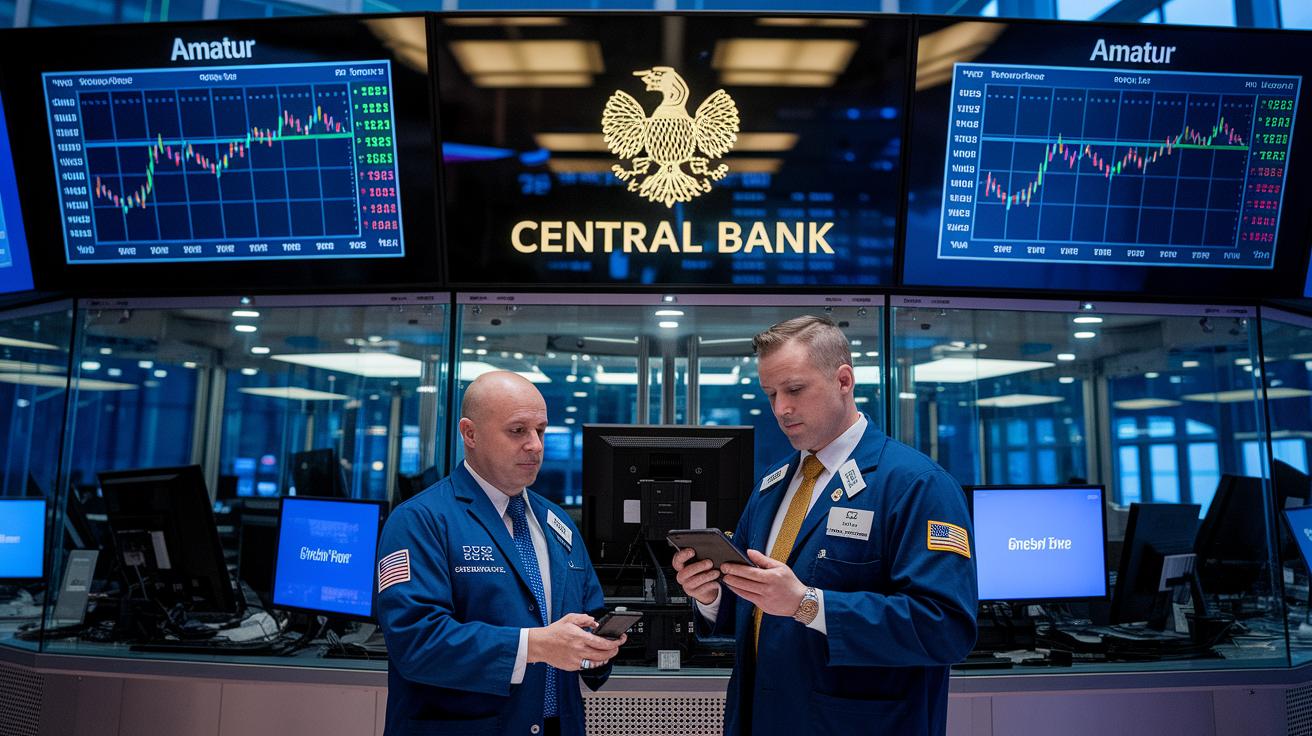
When central banks speak, you can almost feel the market's pulse shift right away. News about upcoming policy changes, like hints about lowering interest rates, sends investors scrambling to buy stocks. Prices can jump or drop in moments, sparking a flurry of short-term trades that reshape the trading day.
This quick market reaction is like watching ripples form on a pond. Traders adjust their moves on the fly, often diving into speculative bets based on the latest hints from policy makers. Price swings aren’t just about economic reports, they reflect the market’s gut reaction to a central bank’s message.
These shifts often cause noticeable movements in equity markets. Everyone from individual traders to big investment firms uses these signals to tweak portfolios, balancing risks with the chance for quick gains. In truth, central bank comments are a major force behind daily market moods, mirroring the feelings and expectations of investors everywhere.
Historical Central Bank Case Studies: Balance Sheet Assessments and Recovery Market Signals
Looking back at how central banks handled tough times shows us how smart moves can boost market confidence. Think about the Fed in 2008, which grew its balance sheet by $1.25 trillion to provide that needed cash boost, or the Bank of Japan in 2013, which ramped up its quantitative easing (that is, increasing the money supply to help markets) to drive gains in the Nikkei. And then there’s the ECB during the pandemic, taking focused steps to keep European stocks steady when uncertainty was high.
In 2008, the Fed’s QE1 added a whopping $1.25 trillion to its balance sheet. This extra cash helped spark a strong market rebound. In 2013, the Bank of Japan’s temporary push in quantitative easing helped the Nikkei climb, giving investors a feeling of renewed trust. Similarly, in 2020, the ECB’s targeted actions during the pandemic played a key role in stabilizing European equities.
Below is a table that shows how each of these actions led to different market outcomes:
| Year | Central Bank | Policy Action | Equity Market Outcome |
|---|---|---|---|
| 2008 | Fed | Expanded balance sheet by $1.25 trillion (QE1) | Strong market rebound |
| 2013 | BoJ | Surge in QE measures | Nikkei gains |
| 2020 | ECB | Pandemic interventions | Stabilized European equities |
These stories remind us that even in hard times, thoughtful and timely policy moves can pave the way for market recovery and renewed momentum.
Central Bank-Driven International Capital Flows and Global Financial Interconnectedness

When the U.S. Fed tightens its stance, investors often turn to U.S. stocks, seeing them as a steadier option. This means global money flows into the U.S. and may pull out of emerging markets, where risks seem higher. It’s like a quick shift where one change in policy stirs up a lot of movement, leaving local markets feeling the difference and making investors rethink their regional choices.
Central bank moves do more than affect just one country. A big change in one place can spark a ripple effect, shaking up financial activity worldwide. For instance, when U.S. bond yields spike, investors might quickly rearrange their portfolios around the globe, much like adjusting pieces of a familiar puzzle. This kind of sudden shift can create brief imbalances in the market, reminding us how closely connected global capital truly is.
Portfolio Diversification Methods Amid Central Bank Interventions
When central banks change their policies, different kinds of investments can start moving in sync. You might see stocks that used to act on their own now behaving alike when interest rates change or cash becomes tighter. To make your portfolio stronger, try mixing things up. Think of it like assembling a balanced meal: add a blend of domestic companies, international stocks, and other options like REITs or commodities. This way, one unexpected policy move won’t shake your entire portfolio. Combining different types of assets can smooth out the bumps during market shifts.
It also helps to adjust your strategy as market conditions change. Picture your portfolio as a ship navigating shifting economic weather, keeping an eye on risk and trimming heavy exposures can keep you on course. By watching market signals and rebalancing when central bank moves kick in, you can better manage your exposure to rising rates and liquidity issues. This approach not only works to protect your money but also sets you up to catch gains when markets turn.
Central Bank Forward Guidance Strategies and Equity Market Forecast Models

Central banks share straightforward plans about what they might do next, which helps set investor expectations. They clearly outline what future measures could be, often using hints from the yield curve (a simple way to see how short- and long-term rates differ) or regular mood surveys from the markets. When leaders indicate that rates will likely stay steady, traders feel more at ease, sort of like getting reassuring advice from a good friend on a shaky day. But if the messages come off as mixed or unclear, uncertainty rises and prices can swing wildly. Investors then tweak their models and predictions based on those signals.
Market forecast models mix together different key indicators to predict how stock prices might respond to policy changes. They take into account fresh economic trends and investor opinions, using survey data to check how comfortable people are with risks. With clear guidance from central banks, these models tend to be more trustworthy, like having a clear weather report. Yet when the messages are vague, the forecasts show a wider range of possible outcomes, making investors more cautious as they plan for the future.
Final Words
In the action, we've tracked how monetary policy effects, including rate adjustments, QE, and forward guidance, shape investor sentiment and overall market dynamics. We explored how central banks tools stimulate logistic shifts and impact key strategies in diversification and risk management.
The article also detailed historical case studies, capital flows, and forecast models that influence central banks and equity markets. It’s exciting to see how these insights empower informed decisions and keep us optimistic about market opportunities ahead.
FAQ
What does the “Central banks and equity markets pdf” discuss?
The PDF explains how central bank policies influence market liquidity and investor sentiment, linking monetary shifts to changes in equity market performance and overall market dynamics.
What should the federal reserve do about the level of stock prices?
The Federal Reserve can adjust interest rates and use liquidity measures to manage stock prices, aiming to keep markets stable while fueling economic growth.
What are the 4 financial markets?
The four financial markets are equity markets, debt markets, foreign exchange markets, and derivatives markets. Each market deals with different asset types and trading methods.
What happens to my bank account if the stock market crashes?
A stock market crash typically does not directly affect your bank account, but severe market downturns can create broader economic effects that may indirectly impact your savings and investments.
What is the role of the central bank in emerging markets?
The central bank in emerging markets works to stabilize the economy by setting monetary policies, managing liquidity, and influencing international capital flows to support sustainable growth.
What happens when a central bank buys securities?
When a central bank buys securities, it injects liquidity into the market, helping to support asset prices, lower interest rates, and boost overall market activity and investor confidence.