
Have you ever wondered how big companies fund their ambitious projects? They often use corporate bonds. Companies borrow money from investors by promising to pay it back with extra interest. It's a bit like lending money to a friend and getting a bonus in return.
Corporate bonds can sometimes offer better returns than safer investments, but they also come with a little more risk. Today, let's take a closer look at how these bonds work and why they might be an exciting option for someone ready to explore smart financial opportunities.
Corporate Bond Market: Exciting Investment Prospects
Have you ever wondered how big companies fund their exciting ventures? The corporate bond market is huge and full of choices. Companies borrow money here by issuing bonds, which is a lot like getting a loan to start a new store. They promise to pay back over time, and in return, you earn higher interest than you would with a government bond. This extra interest, called the credit spread, covers the extra risk you take.
Investors and rating agencies break these bonds into groups that show their risk levels. There are investment-grade bonds, which come in four levels and are seen as safer, and high-yield bonds, sometimes known as speculative-grade, that fall into six categories with a higher risk of default. Think of it like rating the strength of a building, a strong rating is like a well-built bridge that gives you confidence.
Several factors determine a bond’s price. The credit spread, the time left until the bond matures, and how sensitive the bond is to changes in interest rates all play a part. Prices tend to move like a seesaw. When interest rates go up, prices drop, and vice versa. The bond’s credit rating and the time until it matures add further details that help investors decide if the risk is worth it. In truth, understanding these basics lets you balance risk and reward in this dynamic market.
Trends in Corporate Bond Issuance and Market Volume

In recent years, companies around the world have been issuing more bonds than ever before. Low interest rates and central banks pumping in cash have helped push these records higher. The U.S. market plays a big role here, with over $10 trillion in corporate debt out there.
About 70% of these bonds are investment-grade, which means they’re seen as safer. The rest, about 30%, are high-yield bonds that come with a bit more risk but also the chance for higher rewards. At the same time, investors are flocking to corporate bond ETFs. In fact, funds flowing into these ETFs have grown by roughly 15% each year, showing just how eager people are to invest in this area.
| Year | Global Issuance ($T) | U.S. Outstanding ($T) | ETF Flows (% YOY) |
|---|---|---|---|
| 2021 | 3.2 | 9.6 | +12% |
| 2022 | 3.5 | 10.0 | +15% |
| 2023 | 3.8 | 10.3 | +15% |
Companies from emerging markets, especially in Asia, have also ramped up their bond offerings, adding a fresh twist to the scene. Meanwhile, the secondary market remains lively, with daily trades hitting several hundred billion dollars. This steady flow helps keep things liquid and reassures investors looking for stable returns.
Think of it like a bustling trading room at dawn, energetic yet measured, giving the market a dependable pulse even when things shift.
Yield Curve Behavior and Price Dynamics in Corporate Bonds
The shape of a corporate yield curve shifts along with the ups and downs of the economy. Sometimes, things look normal with shorter-term bonds (think 1 to 3 years) showing lower yields than longer-term ones. But if investors start expecting rate cuts, even short-term yields can jump up, changing the whole picture. Have you ever noticed how even a small tweak by the Fed can make everything shift?
In smoother, more stable times, bonds that mature in about 5 to 10 years, often called the belly, tend to offer steady returns. This steady income, what experts call an optimal carry, gives investors a bit of calm in a sometimes unpredictable market. Meanwhile, bonds lasting over 10 years usually reflect worries about rising inflation and extra risks tied to lending.
Think of the yield curve like a simple map that hints at where the economy is headed, much like looking at a weather forecast to decide if you need an umbrella. Even a slight change in the Fed’s stance can send ripples through the yield curve, signaling shifts in economic confidence.
| Segment | Maturity Range | Yield Behavior |
|---|---|---|
| Short End | 1–3 years | Lower yield; sensitive to Fed moves |
| Belly | 5–10 years | Steady returns; ideal for carry strategies |
| Long End | >10 years | Impacted by inflation expectations and additional risk |
Credit spreads show the extra return investors demand over safe Treasury bonds. When these spreads widen, they signal that investors feel they need more reward for taking on extra credit risk, which tends to drive bond prices down. And of course, bond prices are influenced by both these yield shifts and how easily the bonds can be bought or sold. It’s a dynamic mix, market sentiment, liquidity, and shifting yields all add a bit of excitement and uncertainty into the world of corporate bonds.
Credit Ratings, Spread Analysis and Risk Factors in Corporate Bond Markets
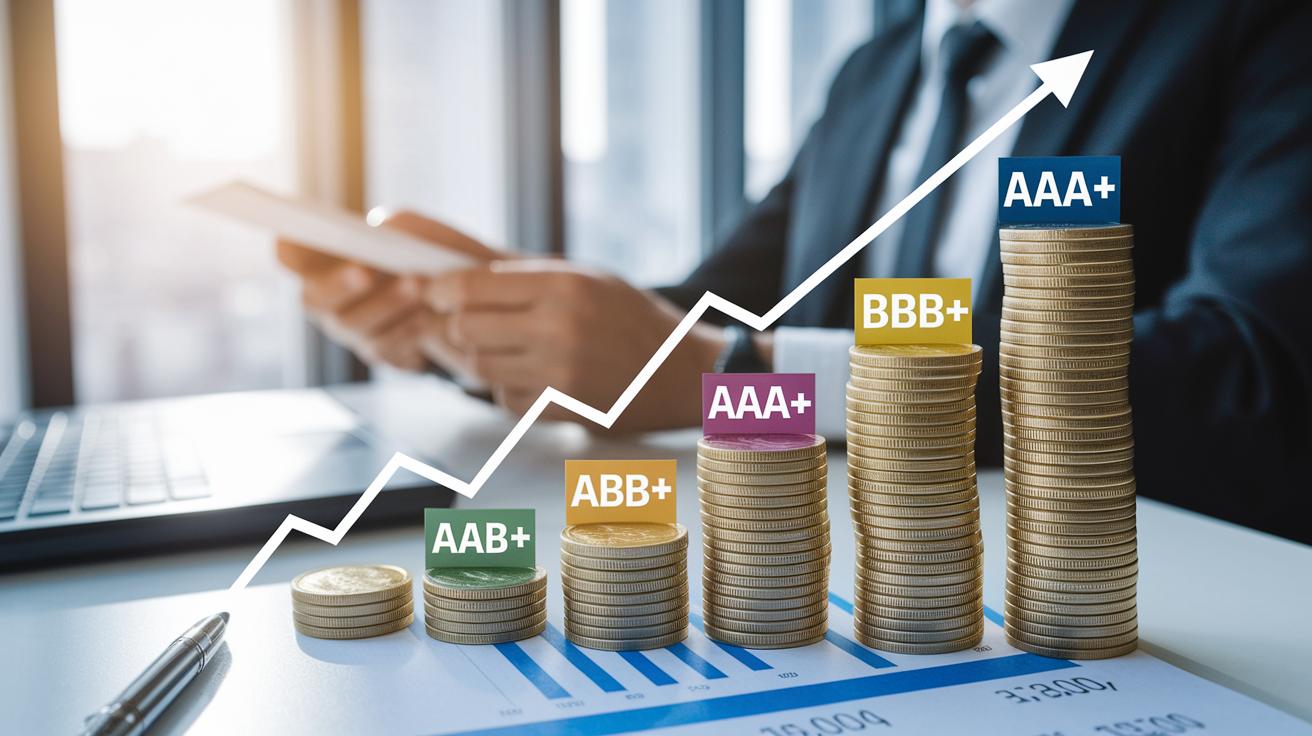
Rating agencies like Moody's and S&P use scales from AAA to D to show how safe a corporate bond might be. Bonds rated BBB− or higher are considered investment-grade, meaning they’re on the safer side. In contrast, bonds with ratings BB+ or lower are deemed speculative-grade, which means they come with a higher chance of default. These ratings are key because they shape what we call credit spreads, the extra return investors get to make up for taking on more risk. When these spreads widen, it tells us that the market sees more risk. Think about it: if you have two bonds from similar companies and one is rated A while the other is BB, the BB bond has to offer a higher yield to attract buyers, covering the extra risk.
• Interest-rate risk
• Spread (default) risk
• Liquidity risk
• Event-specific risk
• Inflation risk
High-yield bonds, which often face these risks, generally have an average recovery rate of about 40% when defaults occur. That means if a company can’t meet its obligations, you might only get back less than half of your investment. When you compare bonds and stocks, bonds tend to provide a steady income, while stocks might offer higher returns but with more ups and downs. By tracking changes in credit spreads, investors can tune into shifts in market sentiment. In a nutshell, these insights help you adjust your strategy when investing in high-yield securities, taking into account things like liquidity issues and the impact of sudden events on your portfolio.
Duration, Convexity and Liquidity in Corporate Bond Markets
Duration tells us how much a bond’s price might change when interest rates do. For example, if a bond has a 5-year duration, it could swing by about 5% with a 1% change in yield. It’s a simple way to get a feel for risk.
But here’s where convexity steps in, it adjusts that estimate when rates change a lot. Think of it like fine-tuning your math to better match real market movements. Without this extra step, you might end up guessing too high or too low on the bond’s price shift. This small tweak helps you understand the bond’s risk a bit more clearly and see if it fits your comfort level.
Liquidity is all about how quickly you can buy or sell these bonds. In plain terms, it shows how fast you can turn an asset into cash. Measures like bid-ask spreads (the gap between buying and selling prices), turnover ratios (how frequently the bond changes hands), and average trade sizes give you a sense of the market’s activity. For instance, if bid-ask spreads widen by 50 to 100 basis points during rough times, trading costs can jump noticeably. And when turnover ratios are on the higher side, usually between 1.5% and 3% daily, it signals a busier, more liquid market where you can adjust your investments more easily.
Regulatory, Monetary Policy and Investor Strategies in the Corporate Bond Market

Central banks play a major role in shaping the corporate bond market. When they cut rates or launch programs like quantitative easing (a method where money is pumped into the economy to keep things moving), the yield curves are affected, and more investors start looking at corporate debt. Plus, as talks about potential Fed shifts continue, falling rates often make bonds look even more attractive compared to safer assets.
Tighter bank rules, like those introduced by Basel III, have forced banks to rethink how many corporate bonds they hold. With new capital requirements pushing them to monitor credit quality more closely, banks are now more cautious in their bond selections. This added discipline helps stabilize the market, and institutional investors now reshape their strategies, paying closer attention to liquidity and credit standards when adding bonds to their portfolios.
Investors are getting creative by building laddered portfolios with bonds of different maturities and credit ratings. By spreading their investments among short, medium, and long-term bonds, they manage interest rate risks more effectively and diversify their overall risk. Many even turn to cost-efficient fixed-income ETFs to gain exposure to specific maturity ranges. Imagine stacking shorter-term bonds for steady returns while also holding longer-term bonds to capture higher yields during rate cuts, this balanced approach is all about a mix of safety and opportunity.
Final Words
In the action, we explored the corporate bond market by breaking down its fundamentals, market trends, yield behaviors, and key risk indicators. We looked at how credit ratings and market dynamics shape investor strategies, along with practical tips for managing risk and staying ahead of market shifts.
This blog post paints a clear picture of debt securities and company financing strategies. Stay engaged, make smart moves, and keep your eye on the corporate bond market for continued financial success.
FAQ
Corporate bond market today
The corporate bond market today is an active segment where companies issue debt to fund expansion, offering a mix of yields and maturities that reflect current economic trends.
Corporate bond market size
The corporate bond market size is vast, encompassing the largest portion of global debt with large issuance volumes driven by economic policies and investor demand for higher yields.
Corporate bonds list
A corporate bonds list is a catalog of available bonds issued by companies, showcasing details like credit ratings, maturities, and yields to help investors compare fixed-income options.
U.S. corporate bond market size
The U.S. corporate bond market size is significant, with outstanding debt exceeding $10 trillion, underlining strong domestic issuance and robust investor interest in fixed-income investments.
High Yield corporate bonds list
A high-yield corporate bonds list features bonds with lower credit ratings that offer higher returns, where investors accept additional risk for a better income through credit spreads.
Corporate bond market activity
Corporate bond market activity highlights the level of trading, price movements, and liquidity, which are influenced by Fed policy, economic conditions, and shifts in investor sentiment.
List of corporate bonds for sale
A list of corporate bonds for sale details bonds available in the secondary market, providing pricing, credit quality, and yield information to assist investors in making informed purchase decisions.
AAA corporate bonds list
A AAA corporate bonds list presents bonds rated at the top level by rating agencies, offering lower yields but enhanced security, making them ideal for investors seeking stable fixed-income investments.
What is the corporate bond market?
The corporate bond market is the part of the financial market where companies issue bonds to raise funds, offering various credit qualities, maturities, and yields to attract investors.
How is the bond market doing right now?
The bond market right now shows active trading with shifting yields and prices impacted by economic policies, interest rate changes, and evolving credit risk perceptions among investors.
Is it a good idea to buy corporate bonds?
Buying corporate bonds can be a good idea for investors aiming for higher yields compared to government bonds, provided they carefully consider credit ratings and current market conditions.
What is an example of a corporate bond?
An example of a corporate bond is one issued by a reputable company with detailed terms on maturity, yield, and credit rating, used as a tool to raise capital for business growth.