
Ever thought about using your phone to trade stocks? With the right day trading app, you can manage your trades easily while cutting down on fees and holding on to more of your money.
Imagine making quick decisions as the market shifts, with honest reviews from other users guiding you along the way. It’s like having a trusted friend who knows the ins and outs of trading with you.
In this guide, we look at the top day trading apps for investors who value low costs and real-time control. Ready to see how the perfect app can truly change the way you trade?
Evaluating Top Day Trading Apps for Informed Trading Decisions
Day trading apps give smart investors the chance to manage trades with ease and low costs. Many of these platforms let you trade without paying commissions and keep fees small, which means you get to keep more of your profits. It feels good when you can trust a tool that helps you see every dollar working for you.
User reviews back up these platforms. Ratings on the Apple App Store show glowing reviews from everyday traders. Check out the details below:
| Platform | Rating | Number of Reviews |
|---|---|---|
| Wealthfront | 4.8 | 17,100 |
| Fidelity | 4.8 | 2.8 million |
| Schwab | 4.8 | 1.1 million |
| E*TRADE | 4.7 | 330,300 |
| Acorns | 4.7 | 924,400 |
| J.P. Morgan | 4.8 | Fewer reviews |
| Public | 4.7 | Fewer reviews |
| Webull | 4.7 | , |
| TradeStation | 4.5 | , |
| Interactive Brokers | 4.5 | 9,800 |
Fees are a major part of what makes these apps a favorite. Yearly account fees generally run from free up to about $50, while deposit and withdrawal fees can be between $0 and $25. Some platforms even charge up to $100 for inactivity. This mix of low costs and modest minimum deposits works well for both new and seasoned traders, letting them trade stocks, forex, crypto, and more.
Active traders appreciate these apps because they provide clear fee structures and real user feedback. By keeping costs low and navigation simple, these platforms offer a straightforward way to handle your day-to-day positions. Have you ever felt ready to dive into trading because all the numbers just add up? This is the kind of practical tool that makes trading feel less daunting and more like a smart, informed conversation with a friend.
Feature Comparison of Leading Day Trading Apps
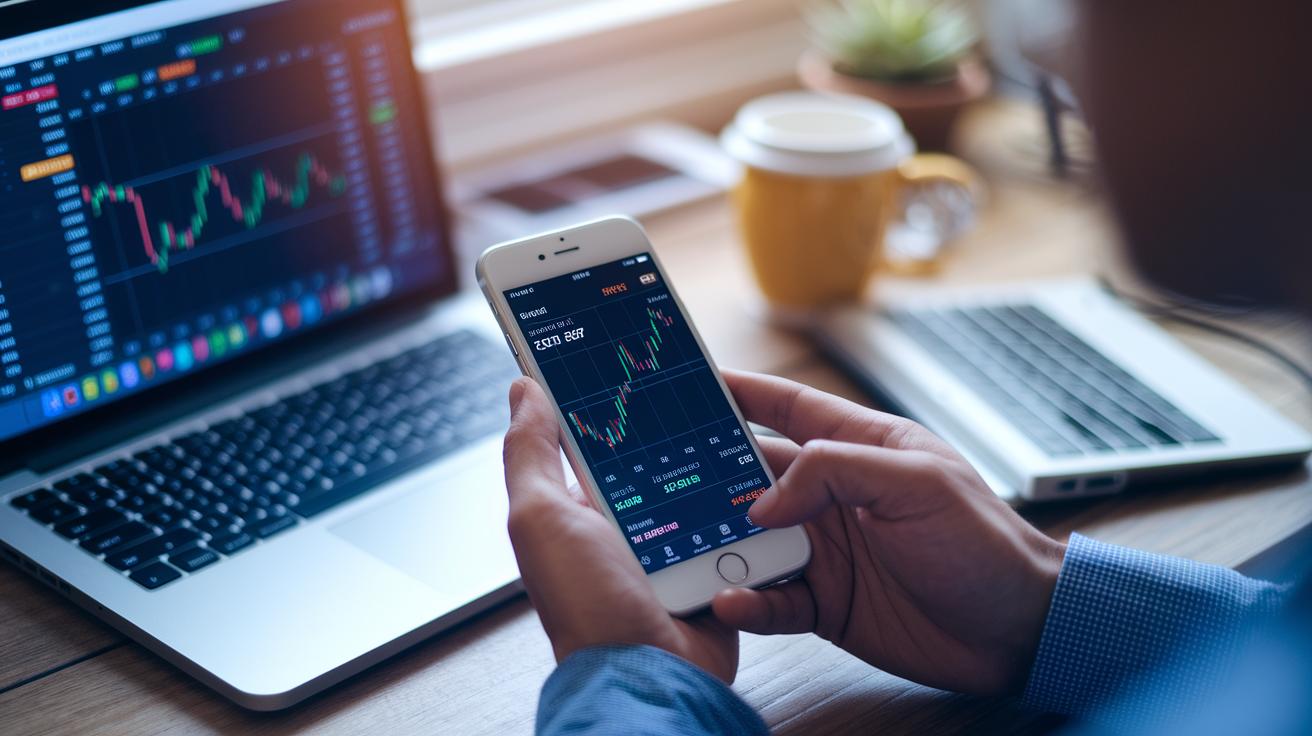
Ever wondered how top day trading apps make fast, smart decisions a breeze? These apps have grown into full service toolkits that help you act on the market with speed and confidence. They mix real-time data with powerful analysis tools so you can be sure you're making informed moves.
With these apps, everything you need comes in one neat package. You get live updates, easy-to-read charts, and dashboards that let you tweak your strategy on the fly. It’s like having a trading partner by your side who’s always got your back.
Here are some standout features:
- Multi-timeframe charting with custom indicators: Imagine layering charts your way, adding your own twist for a detailed look at trends.
- Live technical analysis dashboard: Packed with pattern recognition tools that signal potential trading opportunities.
- Super-fast, sub-second market data streaming: Stay on top of every shift as it happens.
- Integrated in-app real-time news feeds: Keep up with market events without ever leaving your app.
- Context-aware risk-management widgets: Get quick alerts that help you dodge potential pitfalls.
- A unified mobile interface for stocks, options, forex, and crypto: Everything works smoothly together.
- Customizable dashboards for fast, efficient trade execution and monitoring: Tailor your view to what matters most to you.
These powerful tools let you shape your trading style just the way you like it. With a mix of detailed charts, on-the-spot analysis, and smart risk controls, it’s easier than ever to spot market trends and act when it counts.
Day Trading Apps Fee Structures and Cost Breakdown
If you're choosing a day trading app, it's important to know exactly what you're paying for. Many U.S. brokers let you trade without commissions or with very small cost differences, so you can focus on your strategy instead of worrying about steep fees. But don't forget about the extra charges. These can include annual account fees (anywhere from $0 to $50), deposit or withdrawal fees (typically between $0 and $25), and even inactivity fees that might reach up to $100. Having a clear breakdown of these fees helps you compare options and pick the app that fits both your trading style and your budget.
| App | Trading Fee | Non-Trading Fees |
|---|---|---|
| Webull | Zero Commission | Account: $0; Deposit/Withdrawal: $0–$25; Inactivity: Up to $100 |
| Oanda | Sub-penny Spreads | Account: $0–$50; Deposit/Withdrawal: $0–$25; Inactivity: Up to $100 |
| moomoo | Zero Commission | Account: $0; Deposit/Withdrawal: $0–$25; Inactivity: Up to $100 |
| eToro | Zero Commission | Account: $0–$50; Deposit/Withdrawal: $0–$25; Inactivity: Up to $100 |
| TradeZero | Zero Commission | Account: $0; Deposit/Withdrawal: $0–$25; Inactivity: Up to $100 |
Comparing fee structures side-by-side helps active traders spot any hidden costs. When you trade a lot, it's crucial to use a system with low fees so they don't slowly eat away at your profits. Also, a closer look at the details shows that even platforms boasting zero commissions might have extra fees lurking around. In truth, understanding both the trading and non-trading charges is the key to choosing a cost-effective, balanced day trading app that works for you.
Security and Account Management in Day Trading Apps

Day trading apps work hard to protect your money and personal info. They use simple checks like two-factor authentication and fingerprint or Face ID logins. They also scramble your data using AES-256 (a strong method that turns your info into secret codes) so that unwanted eyes can’t see it. All these measures give you a sense of calm when you trade on your phone.
Big names like Fidelity and Schwab take it even further. They use bank-level security safeguards and offer insured cash-sweep options. Every trade goes through encrypted paths, and they even add tools to watch out for risky trading moves when you’re very active. In short, your mobile trading experience sticks to strict industry safety rules.
On top of that, many day trading apps come with SIPC insurance. This protects you if something goes wrong with the brokerage. With clear account management tools and regular updates on trading rules, you’re always in the know. This focus on security lets you concentrate on making smart trades without worrying about the safety of your assets.
User Interface and Ease of Use in Day Trading Apps
Day trading apps are designed with you in mind. They feature easy-to-use controls and dashboards that you can set up just the way you like. Whether you're on your phone, tablet, or desktop, these apps load quickly, often in under a second. Quick-access order tickets let you place trades fast, which means less waiting and more action.
Take Webull for example. Its design minimizes delays so that during busy market times, you get a steady flow of information without hiccups. And with moomoo, you enjoy a smart watchlist that syncs seamlessly, so you're always up-to-date on your key stocks without needing to refresh the screen constantly.
These smart design choices make trading not only efficient but also a lot more enjoyable. They cut down on extra steps and help reduce any mental clutter when you're tracking market trends. When the app is responsive and organized, you can quickly make sense of the data and act on it in real time, empowering you to make informed decisions on the fly.
Platform Support for Day Trading Strategies in Day Trading Apps

When you’re involved in day trading, having a strong set of tools can really make a difference. Many apps now come packed with features that let you fine-tune your approach. Whether you’re making lightning-fast trades or setting up automated systems, these platforms help you catch market shifts as they happen so you can decide quickly and wisely.
Scalping and Fast Execution Tools
If you depend on making quick moves, scalping tools might be just what you need. These features offer fast access to order details and let you enter trades with one click. With execution speeds that clock in under 50 milliseconds, you can grab those fast, fleeting opportunities and turn tiny price changes into bigger wins.
Automated Trading and Algorithmic Options
Automated trading is another strong suit for many of these apps. They often include API access and custom script builders so you can set up trading systems to test your ideas against past market data. This means the app can even suggest and execute orders for you automatically, making your process more efficient and data-driven.
Advanced Risk Management Modules
Keeping your risk in check is key. Many platforms now include automated stop-loss and take-profit settings to help protect your gains and limit losses right when you need it most. Some even offer features like AvaProtect, which can cover losses up to $1 million. Coupled with pattern recognition tools and real-time market scanners, these risk modules work hard to keep your positions safe as market conditions change.
By putting these smart tools together, day trading apps let you shape a trading plan that fits your style perfectly. Whether you’re counting on scalping precision, automated systems, or robust risk protection, every move you make is both thoughtful and timely.
Customer Reviews and Ratings Analysis for Day Trading Apps
Many day traders have shared some upbeat thoughts about their favorite apps. About 85% of users say Webull offers a smooth experience, while around 78% appreciate AvaTrade’s handy risk tools. And moomoo? It grabs about 90% approval for zeroing in on the U.S. market, which really clicks with those looking for a simple, targeted trading setup. Real traders are giving us their honest experiences, and this hands-on feedback shines a light on what works. Plus, built-in chat features and forums let users swap tips and strategies, making the whole experience feel friendly and collaborative.
Social trading tools take things another step further by letting users tap into community wisdom. Take eToro’s copy-trade, for example, it lets you follow the moves of seasoned traders, while Public’s auto-invest circles bring folks together to move with the market. This kind of real-time exchange boosts confidence, especially for beginners, and sharpens decision-making as you hear what others are thinking right then. Put simply, these interactive features, along with solid user reviews, help you fine-tune your approach and pick the trading app that suits your style and goals best.
Demo and Simulation Tools in Day Trading Apps

Today, many trading apps let you use virtual accounts so you can experiment without putting your real money on the line. You get to trade in real time on a fake platform that mimics what happens in the live market. These tools even let you replay past market action and simulate margin calls, so you can see how a trade might have worked in an earlier scenario.
Big names like Interactive Brokers and TradeStation are leading the way with their immersive simulation tools. Their stock simulators let you test out your trading ideas step by step during the day. Imagine tweaking your trades using market replay data or trying out different strategies under simulated margin calls, all without any financial risk.
These safe environments give you the freedom to shape your approach and build confidence before you dive into real trading. This kind of risk-free practice can be a lifesaver when you’re learning new strategies, helping you make each trade with care and smart thinking.
Final Words
In the action, we've unraveled how day trading apps compare on user ratings, fee structures, security, and intuitive interfaces.
Each section offered clear, relatable insights on commission-free trading, risk management, and real-time market updates.
We've highlighted premium features, from customizable charts to robust security measures, ensuring smart choices for every investor.
Day trading apps can truly empower you to make informed investment decisions while staying secure and ahead of trends.
Keep exploring and enjoy the ride toward smarter, confident trading.
FAQ
Q: What are some good day trading apps and platforms?
A: Good day trading apps and platforms offer easy-to-use interfaces, low fees, and fast execution, making them popular among traders. Top choices often include those with strong user reviews and robust security measures.
Q: What are some good day trading apps for beginners?
A: Good day trading apps for beginners combine intuitive design, educational tools, and realistic simulation modes. They help new traders learn the basics while keeping costs low and navigation simple.
Q: Are there free day trading apps available?
A: Free day trading apps let you practice and trade without upfront fees. Many offer commission-free trading and demo accounts, enabling you to test strategies and learn market basics without financial commitment.
Q: Can you really make $1000 a day with day trading?
A: Earning $1000 a day with day trading is possible but challenging. It requires skill, risk management, and market experience, making consistent high profits difficult for most traders.
Q: Can I day trade with $100?
A: Day trading with $100 is technically doable but limits opportunities and increases risks. Starting with a small amount means experiencing less market flexibility and potential challenges in covering fees and losses.
Q: Why do 90% of day traders lose money?
A: The statistic that most day traders lose money reflects the high risk, intense competition, and steep learning curve in day trading. Many lack a solid strategy, discipline, or proper risk management practices.
Q: What is TradingView and how is it used in day trading?
A: TradingView is a popular charting tool that many day traders use for technical analysis. It offers customizable charts, real-time data, and a community for sharing market insights, making analysis clearer.
Q: What are day trading simulators and how do they work?
A: Day trading simulators are practice tools that mimic real trading environments using virtual funds. They allow you to test strategies, experience realistic market conditions, and build confidence before risking actual money.