
Ever thought about a way to protect your savings when the market gets wobbly? One idea is dollar cost averaging, which is a lot like setting aside money for a rainy day. You put money in on a regular, set schedule.
By doing this, you avoid the stress of buying when prices are high. It helps you take emotions out of your decision-making and makes market ups and downs feel less dramatic.
Stick with me, and let's look at how sticking to a straightforward plan can help your gains build slowly and steadily over time.
Why Passive Investors Rely on Dollar Cost Averaging
Dollar cost averaging is a simple strategy where you regularly invest the same amount, like putting money into your 401(k) each month, no matter if the market is up or down. It takes the guesswork out of finding the perfect time to invest. Have you ever felt relief knowing your plan is set like clockwork?
This approach works by following fixed rules instead of relying on feelings or market chatter. It means you keep investing even when the market feels unpredictable.
By avoiding the pitfalls of trying to time the market, this method fits well with a low-cost, hands-off investing style. It helps you average out the cost of your purchases over time so you won't end up buying at just the wrong moment. Instead of risking buying too high or selling too low, you stick to a steady plan. It’s like letting your savings run on autopilot, giving your investments room to grow steadily, even during choppy market days.
Key Benefits of Dollar Cost Averaging for Passive Portfolios

Dollar cost averaging gives you both practical and emotional benefits. It builds a steady, routine habit of investing that helps you stick to your plan, even when the market tosses some curveballs. By automating your contributions, you avoid decisions driven by fear or excitement. It’s like having a well-oiled machine that gently supports your investment goals over time.
Instead of spending hours fretting about the perfect moment to invest, you simply add money on a regular schedule and let the cycles of the market work for you. This approach smooths out the ups and downs and makes managing your portfolio feel less stressful.
Here are some clear benefits:
| Benefit | Description |
|---|---|
| Smoothing purchase prices | You buy in over time, which balances out the high and low prices the market offers. |
| Reducing stress | You don’t have to worry as much during market downturns because your plan is steady and disciplined. |
| Encouraging routine investing | A regular schedule helps keep you on track, making investing feel automatic. |
| Using new cash automatically | Whenever you have extra money, it goes right into your portfolio without extra hassle. |
| Supporting diverse portfolios | It works well with index funds, making your investments spread out across many companies. |
Every scheduled contribution not only lowers the risk of making a decision at the wrong time but also sets you up for steady growth. Over months and years, this consistency can lead to real gains while keeping your investments in line with your long-term goals. It's a straightforward way to build wealth with fewer worries along the journey.
Comparing Dollar Cost Averaging and Lump-Sum Investing in Passive Index Funds
When you compare lump-sum investing with dollar cost averaging, you’re looking at two very different ways to put your money to work. Each method has its own strengths, depending on the market’s mood, your comfort with risk, and how disciplined you are with your investments.
Short-Term Performance
A study by Vanguard shows that in the short run, lump-sum investing often has a boost. For example, over six months with a mix of 60% stocks and 40% bonds, lump-sum investing produced 64% outperformance, whereas dollar cost averaging reached just 36%. Imagine putting all your money in during a market dip and watching it grow faster than if you slowly built up your position.
Looking at a slightly longer term, over 36 months Vanguard noted that lump-sum investing grabbed 92% of the gains compared to only 8% by dollar cost averaging. This suggests that when the market is on an upward swing, a big, timely investment can capture more of the growth. But if you worry about getting the timing wrong, dollar cost averaging helps you avoid making a big mistake by spreading out your investments.
Long-Term Performance
Research by Schwab over a 20-year period tells a more balanced story. In their study, lump-sum investing ended up with about $135,471, while dollar cost averaging came in closely with $134,856. The difference is very small. Sure, lump-sum might grab slightly higher returns when the market is rising, but dollar cost averaging offers the comfort of a steady, rule-based plan. This method helps you avoid making rash decisions during market swings, making it a favorite for those who value steady, long-term growth.
| Strategy | 6-Month Outperformance | 36-Month Outperformance | 20-Year Value |
|---|---|---|---|
| Lump-Sum Investing | 64% | 92% | $135,471 |
| Dollar Cost Averaging | 36% | 8% | $134,856 |
In truth, the choice comes down to what fits your investing mindset best. Do you lean towards a bold move to catch high gains, or do you prefer the steady rhythm of regularly investing? Both paths can lead to growth, it's all about choosing the one that resonates with you.
Practical Steps to Implement Dollar Cost Averaging in Passive Portfolios

First, pick the right account and set your index fund goals. You can choose an IRA for its tax advantages or a regular brokerage account if you want more flexibility. Think of it like choosing the perfect container for your savings, one that fits your long-term goals. Decide on a clear mix of low-cost index funds. For example, you might put 70% in a fund that follows large U.S. companies and 30% in an international or bond index. This simple strategy not only keeps your portfolio neat but also helps it grow steadily over time.
Next, set up automatic transfers on your brokerage platform so you contribute regularly. Most platforms let you schedule a weekly, monthly, or quarterly transfer right from your checking account. It’s a bit like lining up your morning coffee, you set it up once so you never miss your investing date. This way, your disciplined investing continues without you having to watch the market all the time.
Finally, make it a habit to check your account now and then and adjust how much you put in as the market changes or as your financial goals evolve.
Automating Your Dollar Cost Averaging for Effortless Passive Investing
Automating your investments can take the worry out of growing your money. When you set up regular, hands-off contributions, you let your funds work steadily in the background while you focus on life. This simple routine keeps your decisions clear, even when the market gets bumpy.
Some platforms now give you extra control over how much to invest and exactly when to do it. Think of it like having a friendly helper that even saves the spare change from your daily coffee run, rounding up your transactions into extra investments. It’s a bit like watching your savings grow with every small, unnoticed step.
Brokerage auto-invest features can match your pay cycle or sync with other key moments in your financial calendar. For example, some investors activate their auto-invest option right after they get their paycheck, so every deposit starts building their portfolio immediately.
And then there are advisor-led and robo-advisor tools that go even further. These systems shift funds around and fine-tune your contributions automatically as market conditions change, keeping your strategy aligned with your goals. It almost feels like having a personal coach who quietly adjusts your playbook as the game unfolds.
Real-World Performance and Considerations for Dollar Cost Averaging in Indices and Bonds
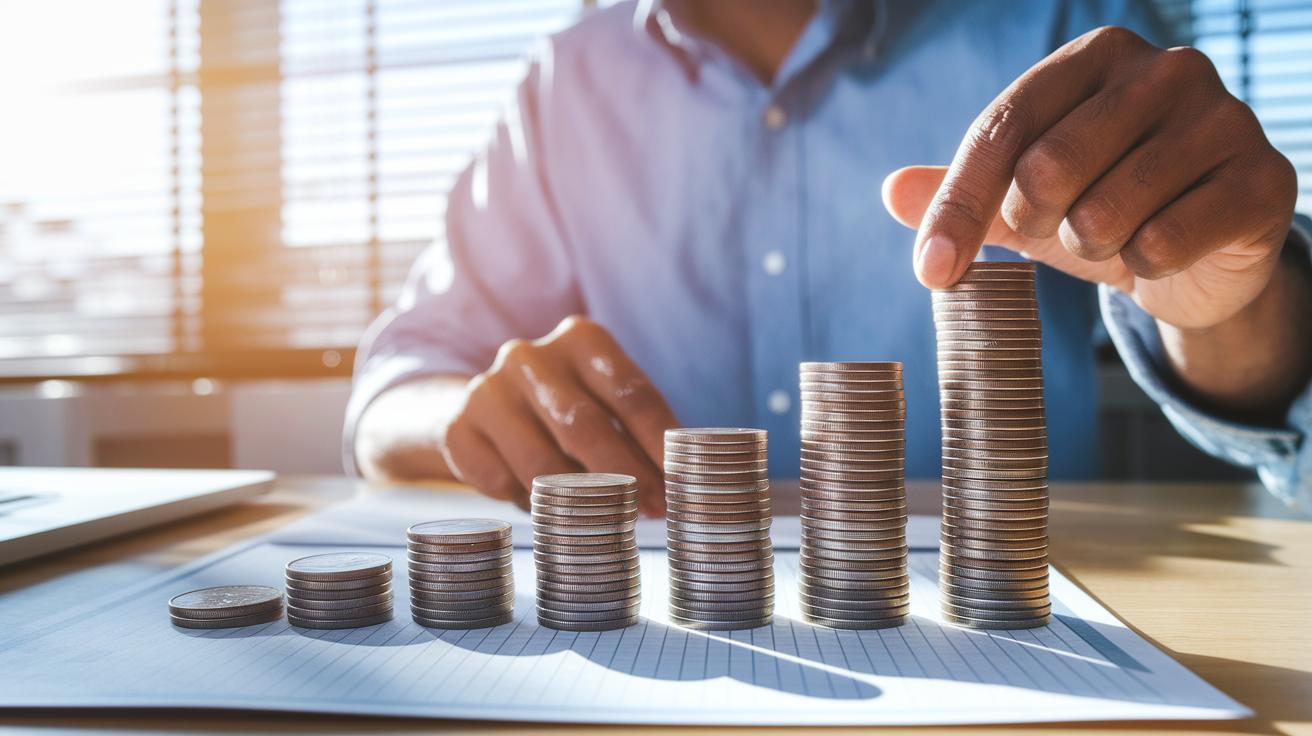
Investing a little bit at a time really adds up. Every time you contribute, you build on your previous gains. And thanks to the power of compounding, when your earnings start earning their own earnings, small, consistent deposits can grow into a pretty neat sum over the years. This steady approach can help smooth out the highs and lows of market ups and downs.
Bonds have their own set of challenges, too. Take 2022 for example: the Total Bond Index fell 13%, which shows that even bonds, often considered safer than stocks, can dip in the short term. This is a good reminder that all investments come with risk. When you use dollar cost averaging with bonds, you’re watching the market trends closely and seizing chances to buy when prices are lower. It’s about staying committed over the long haul, even when the bond market seems unpredictable.
Regular contributions into low-cost index funds also bring the bonus of diversification. In simple terms, by spreading your money across various low-fee funds, you reduce risk. When one part of the market takes a hit, another might be doing well, keeping your overall portfolio on track.
Final Words
In the action of building your portfolio, dollar cost averaging in passive investing stands out for its steady, rule-based approach. The article explored its mechanics, highlighted benefits like cost smoothing and risk control, and compared it with lump-sum investing. We also looked at practical steps to set up automatic contributions and periodic reviews. These insights remind you that a consistent, systematized strategy can foster long-term wealth while reducing stress during market swings. Keep moving forward and trust in the process to help you achieve financial stability.
FAQ
Frequently Asked Questions
What is a dollar cost averaging calculator?
The dollar cost averaging calculator shows how investing a fixed amount at regular intervals smooths out purchase price variability. It estimates the average cost per share based on continuous buying over time.
What is an example of dollar cost averaging in passive investing?
Dollar cost averaging in passive investing involves regularly investing a set amount into a low-cost index fund without worrying about market highs or lows. This steady approach spreads risk and builds a diversified portfolio.
How can investors benefit from dollar-cost averaging?
Dollar-cost averaging benefits investors by promoting disciplined, regular investing. This approach minimizes the stress of market timing and helps cushion portfolio volatility by buying more shares when prices dip.
How does dollar cost averaging compare to lump-sum investing?
Dollar cost averaging spreads the investment over time, which eases timing concerns, while lump-sum investing can offer higher returns in strongly rising markets. Each method has distinct advantages depending on market conditions.
Is dollar-cost averaging considered a passive strategy?
Dollar-cost averaging is a passive strategy because it relies on systematic, regular contributions rather than active market timing. This rule-based approach aligns well with a buy-and-hold investment style.
What might have happened if I invested $1000 in the S&P 500 10 years ago using DCA?
Investing $1000 in the S&P 500 with dollar-cost averaging over 10 years would have spread your purchases across different market conditions, potentially lowering your average cost and contributing to gradual portfolio growth.
What does Warren Buffett say about dollar-cost averaging?
Warren Buffett suggests that disciplined, long-term investing is crucial for wealth building. His views imply that steady investment strategies—similar to dollar-cost averaging—can help avoid the pitfalls of market timing.
What is Warren Buffett’s 70/30 rule?
Warren Buffett’s 70/30 rule recommends investing 70% in broad market index funds and 30% in individual stocks or bonds. This mix aims to balance potential growth with risk management through diversification.
What is a common myth about dollar cost averaging?
A common myth is that dollar cost averaging always outperforms lump-sum investing. In truth, while DCA provides comfort in volatile markets, lump-sum investing can yield higher returns during sustained market rallies.
How does dollar cost averaging work with the S&P 500?
Dollar cost averaging with the S&P 500 means making regular, fixed-dollar investments into the index. This strategy helps reduce the impact of market fluctuations by buying more shares when prices decline and fewer shares when they rise.