
Have you ever thought that what happened in the past might give clues to future success? Trend analysis acts like a report card for your business. It shows where you nailed it and where you might need a little boost. By looking at basic numbers such as sales, website visits, and simple economic hints, companies can catch steady wins and potential pitfalls before they show up. This straightforward, numbers-based approach encourages growth in every type of business, helping leaders make smart moves and stay prepared for any market changes.
trend analysis: Igniting Growth in Business Fields
Trend analysis is really about looking back at what has happened to get a hint of what could happen next. Think of it like checking your past report card to see how you can improve for the future. Businesses dig into sales numbers, website traffic, and even big-picture economic clues to find patterns that guide smart moves in finance, marketing, and overall strategy.
Companies often sort these trends into three main buckets. Upward trends, sometimes called bull markets, show clear, steady growth, imagine watching your favorite team keep winning game after game. Downward trends, often known as bear markets, hint at problems like falling profits, much like a rainy day might dampen your plans. Then there are horizontal trends, where the numbers stay pretty much the same over time, giving a sense of stability. And yes, technical analysis is thrown into the mix to double-check these trends and fine-tune predictions.
Using trend analysis, businesses can dodge some financial risks and get ready for market twists before they even hit. It’s like having a weather forecast for the business world, it shows upcoming opportunities and helps plan big moves like tweaking prices or shifting marketing efforts. In truth, this method lays down a strong, data-driven foundation so that companies can grow steadily and confidently. These insights truly make a difference.
Methodologies for Conducting Effective Trend Analysis

For qualitative insights, we start with techniques like desk research, the Delphi method, and trend scouting. Desk research simply means gathering data that already exists from trusted sources, kind of like piecing together clues from public records or industry reports. The Delphi method, on the other hand, collects opinions from experts over several rounds to hone in on clear predictions, much like polishing a rough draft until it shines. And trend scouting? That’s all about keeping an ear to the ground, noticing small changes in local consumer behavior that might just signal a larger trend waiting to be discovered.
Next, we add some hard numbers into the mix with data analysis, big data techniques, surveys, and moving averages. Data analysis dives into large digital datasets to uncover patterns that help form solid forecasts, imagine it as reading a detailed map of market activity. Surveys capture direct feedback from customers or employees, giving us real snapshots of the market’s mood. And moving averages work by smoothing out the ups and downs of daily data, making it easier to see the true underlying trend, like spotting a gentle rise or fall over time.
Then, to build strategic depth, we use tools like PESTEL analysis, the scenario technique, and social listening. PESTEL analysis breaks down the impact of political, economic, social, technological, environmental, and legal factors, think of it as checking every piece of the puzzle that could affect the market. The scenario technique involves mapping out different future possibilities so that businesses can stay prepared, much like rehearsing for various outcomes. And social listening means keeping track of online conversations to catch shifts in consumer sentiment early on, guiding smart and timely decisions based on real-time insights.
Classification of Trend Types in Market Data
When we look at market data, we can sort the numbers by how they move. Sometimes, the data climbs, other times it drops, and often it stays steady. When numbers go up, it shows growth and a boost in confidence among buyers. If they fall, it's a sign of trouble, much like profits dipping. And when things don't change much, it shows a steady market.
Trends aren’t just a short burst; they can stretch over many years. Mega trends, for example, are huge changes across the world that last for decades. Macro trends focus on big shifts in the way people shop and spend. Tools like market sentiment trends analysis help us understand these changes by picking up on consumer feelings and feedback. On a smaller scale, micro trends appear among early fans or niche groups, and fads are those quick spurts of popularity that burn bright and fade fast.
| Trend Category | Definition |
|---|---|
| Upward Trends | Shows growth, rising numbers, and a boost in market confidence. |
| Downward Trends | Points to falling numbers, reduced performance, and a need for caution. |
| Horizontal Trends | Means the numbers stay steady over time. |
| Mega Trends | Long-term global changes that can last for decades. |
| Macro Trends | Big shifts in consumer behavior driven by major factors. |
| Micro Trends | Small, niche movements seen among early adopters. |
| Fads | Short bursts of popularity that fade quickly. |
Different trend types shape how businesses plan for the future. Upward trends can signal the right time to expand, while downward trends warn of potential risks. Horizontal trends offer comfort during stable periods. At the same time, mega and macro trends give companies a broader view for planning big projects, and micro trends or fads allow them to try out new ideas. Knowing these differences helps businesses make smarter, data-driven decisions.
Tools and Techniques to Execute Trend Analysis
Spreadsheet and Excel Techniques
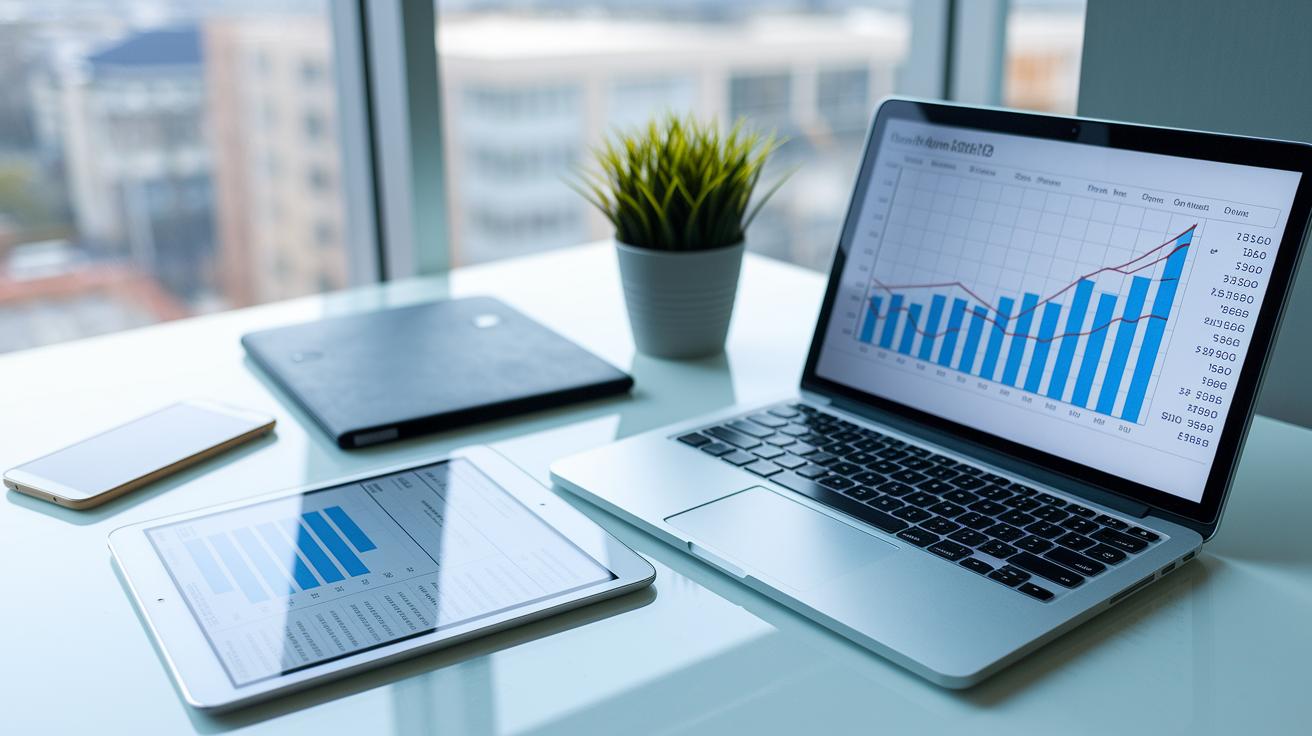
Spreadsheet programs are a favorite for spotting trends. Excel lets you use handy formulas like FORECAST and TREND to predict future figures by looking at past data. For example, you can use the FORECAST function to guess your next quarter’s sales with just a few clicks. It’s as simple as starting with a basic set of numbers and watching the magic happen. You can also use percentage change calculations to quickly see if things grew or dropped. And using a moving average formula helps smooth out the ups and downs, so you can notice the real shifts in your data. Plus, creating charts like line graphs or bar charts turns raw numbers into clear and easy-to-read visuals. All these steps work together to paint a clear picture of your business performance.
API and Programming Solutions
Today, data APIs and programming tools offer a powerful way to handle trend analysis. With specialized APIs, you get access to detailed data, from company profiles to job listings, that you can plug right into your own system. Open-source Python modules help you dive deeper with advanced statistical models and time series forecasting (that means predicting trends over time). Using these libraries, you can build models that predict future trends and adjust on the fly as new data comes in. This method is part of what we call quantitative methods, where math and statistics refine your predictions. Combining Python codes with reliable data retrieval from APIs lets you process information in real time. You can follow each step in a Python script, from fetching data to applying formulas like moving averages or regression analysis. This blend of practical tools makes trend analysis both within reach and powerful, whether you’re just starting out or already have plenty of experience.
Real-World Applications and Case Studies in Trend Analysis
In one HR case, a company spent a year watching how many people joined and left. They tracked these numbers every month and found that after they started a new way of welcoming employees, retention went up by 7%. And guess what? Teams that kept a close eye on these trends saw a 10% boost in engagement. This shows that paying attention to numbers in HR can really help improve hiring and overall performance.
A mid-sized retailer used similar ideas in marketing. They carefully checked their website visits, social media buzz, and even how many customers took action online. They found that when website activity spiked, newsletter sign-ups jumped by 15%. By adjusting their ad spending and timing, the team saw a clear increase in sales. This is a great example of how regularly understanding trends can help you fine-tune your approach and bring in more leads.
Another interesting case comes from a food company. They were curious about the rising interest in plant-based meats. By listening to social media chatter and reading through survey responses, they noticed a 20% jump in searches related to sustainable eating. With this insight, they sped up their product development and launched a new line of plant-based options. The result? Their share in that market grew by 8%, proving that catching trends early can lead to real product improvements.
In finance, one firm looked at quarterly financial ratios and market signals to pick up on patterns. By comparing past data with current numbers, they spotted a regular seasonal boost. This helped them tweak risk exposure and fine-tune budgeting decisions. It’s a neat reminder that even in the world of numbers and ratios, smart trend analysis can lead to stronger, more confident decisions.
Final Words
in the action, we broke down trend analysis by laying out its core concepts and methods, classifying market trends, and showing how tools like Excel and Python make data work for you.
We explored practical examples that connect theory with everyday financial decisions and risk management.
This guide is meant to empower you with clarity and confidence in making smart moves. Keep your focus sharp, and enjoy the process of making informed, forward-thinking decisions.
FAQ
Frequently Asked Questions
What is trend analysis in accounting?
Trend analysis in accounting is comparing historical financial data to spot patterns over time. It helps forecast future performance and supports informed decision-making by revealing patterns in financial statements.
What is the trend analysis formula?
The trend analysis formula typically calculates percentage change between periods. It compares successive data points to identify whether performance is growing, declining, or stable over time.
Can you provide a trend analysis example?
A trend analysis example might involve comparing quarterly sales figures over several years to spot seasonal peaks and slowdowns, helping businesses plan for resource allocation and marketing strategies.
How is trend analysis applied in Excel?
Trend analysis in Excel uses functions like FORECAST and TREND to project future data points. It also employs charts and moving average formulas to visually display data trends for easy interpretation.
How can I perform trend analysis online?
Online trend analysis leverages cloud-based tools that offer real-time data visualization and analysis. These platforms simplify gathering and comparing digital channel data for quick insight into market movements.
What are trend analysis statistics?
Trend analysis statistics use numerical measures, such as growth percentages and averages, to track data changes over time. They reveal patterns that help businesses make strategic adjustments.
Where can I find a trend analysis PDF?
A trend analysis PDF is a downloadable guide containing methods, formulas, and examples to perform analysis. It usually offers step-by-step instructions, making the process accessible for beginners.
How is trend analysis used in project management?
In project management, trend analysis compares current project progress with historical data. This approach helps forecast outcomes and adjust resources, ensuring projects stay on track.
What are the 6 steps in trend analysis?
The 6 steps in trend analysis include collecting data, organizing it, calculating changes, identifying patterns, interpreting results, and reporting findings. Each step builds a clearer picture of future trends.
What are the three types of trend analysis?
The three types of trend analysis include upward, downward, and horizontal trends. These classifications help determine whether performance is improving, declining, or staying consistent over time.